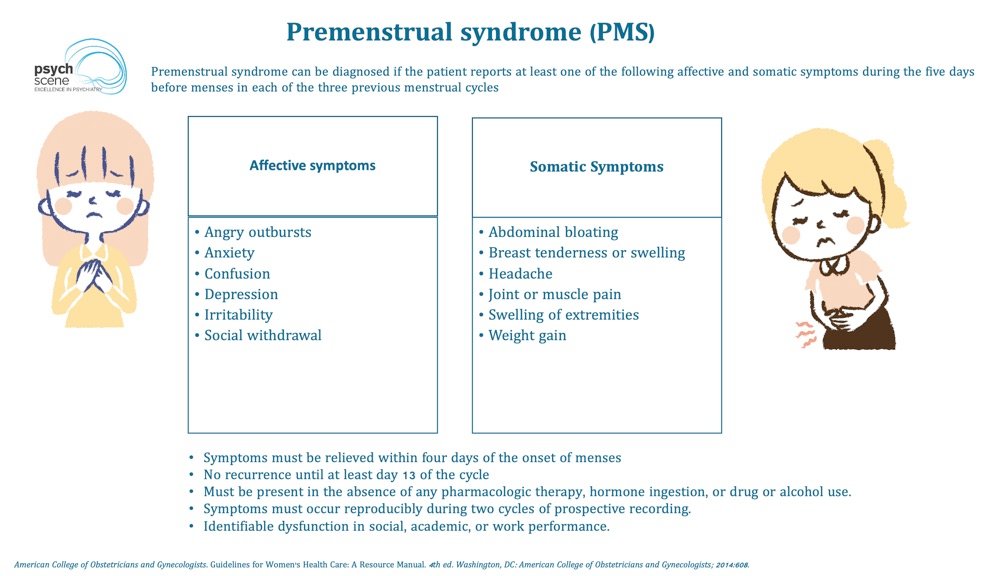
PMDD, or Premenstrual Dysphoric Disorder, can be a challenging condition that affects many individuals. It is important to understand the risk factors associated with PMDD, as well as the precautions that can help manage its symptoms. By increasing awareness and implementing preventive measures, individuals with PMDD can lead happier and healthier lives. In this article, we will explore the various risk factors associated with PMDD and discuss the precautions that can be taken to alleviate its effects. So, let’s dive in and discover how to effectively manage PMDD for a better well-being.
Risk Factors for PMDD
Family History
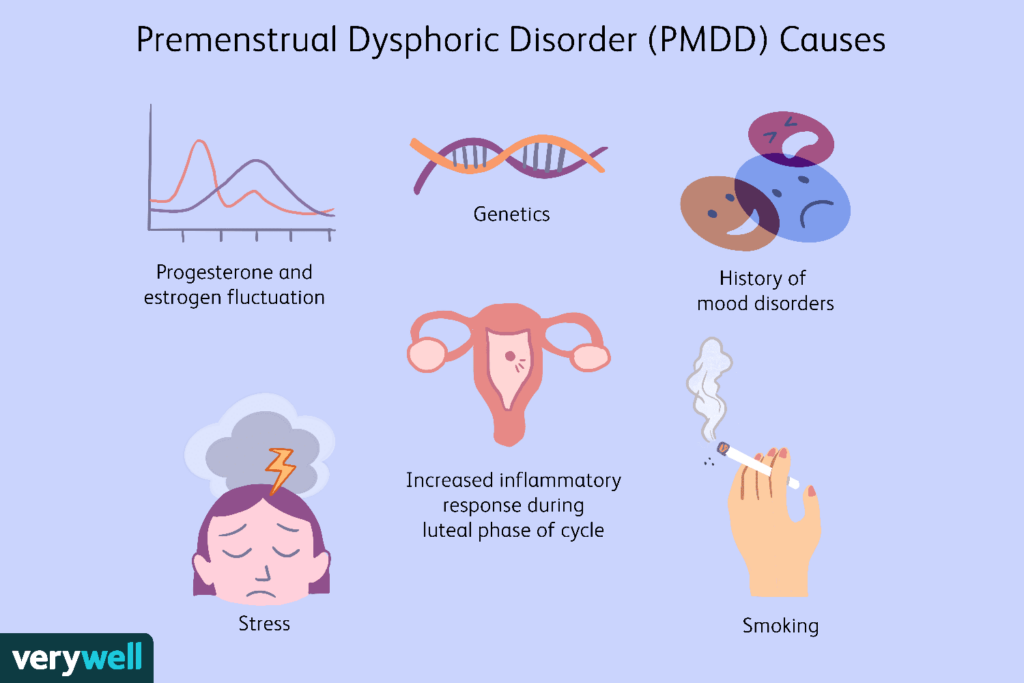
Having a family history of PMDD can increase your risk of developing the condition. Research suggests that there may be a genetic component to PMDD, meaning that it can be passed down from generation to generation. If your mother or sister has experienced PMDD, you may be more likely to develop it as well.
Personal History of Mood Disorders
If you have a personal history of mood disorders such as depression or anxiety, you are at a higher risk of developing PMDD. These conditions often coexist with PMDD, and individuals with a history of mood disorders may be more sensitive to hormonal fluctuations during the menstrual cycle.
Other Mental Health Conditions
Having other mental health conditions, such as bipolar disorder or eating disorders, can also increase your risk of developing PMDD. The precise relationship between these conditions and PMDD is not fully understood, but research suggests that there may be shared underlying factors contributing to their coexistence.
Stress and Trauma
Experiencing high levels of stress or trauma in your life can affect hormone regulation and increase your susceptibility to PMDD. Stressful life events, such as the loss of a loved one or divorce, can disrupt the delicate balance of hormones in your body and trigger PMDD symptoms.
Age
PMDD can affect women of all ages, but the age at which symptoms first appear may vary. Some women may experience the onset of PMDD symptoms during adolescence, while others may not develop symptoms until their 30s or 40s. Hormonal changes associated with different life stages, such as puberty, perimenopause, and menopause, can influence the occurrence and severity of PMDD symptoms.
Puberty
The hormonal changes that occur during puberty can trigger the onset of PMDD symptoms. As your body undergoes the transition from childhood to adulthood, the fluctuation of hormones can lead to mood swings, irritability, and other symptoms commonly associated with PMDD. It is important to recognize and address these symptoms early on to manage them effectively.
Pregnancy and Postpartum Period
Both pregnancy and the postpartum period can have a significant impact on hormone levels, making women more vulnerable to PMDD. Fluctuating hormones during these stages can worsen existing PMDD symptoms or even trigger the onset of the condition. Additionally, postpartum depression, which is a separate condition from PMDD, can further exacerbate mood disturbances during this time.
Smoking
Studies have suggested a link between smoking and increased severity of PMDD symptoms. Nicotine, a chemical found in cigarettes, can affect neurotransmitter levels in the brain and disrupt the delicate hormonal balance. If you are a smoker and experience PMDD symptoms, quitting smoking may improve your condition.
Alcohol and Substance Abuse
Excessive alcohol and substance abuse can worsen PMDD symptoms and make them more difficult to manage. Alcohol can disrupt hormone regulation and aggravate mood disturbances. It is important to take steps to reduce or eliminate alcohol and substance use if you have PMDD to improve your overall well-being.
Lack of Social Support
Having a strong support system is crucial for managing PMDD. Lack of social support can contribute to feelings of isolation and exacerbate symptoms. It is important to reach out to friends, family, or support groups to share your experiences and seek understanding and empathy. Building a network of supportive relationships can make a significant difference in managing PMDD.
Precautions for PMDD
Education and Awareness
Educating yourself about PMDD is an essential step in managing the condition. Understanding the causes, symptoms, and treatment options can empower you to make informed decisions about your health. Seek reliable sources of information, consult healthcare professionals, and engage in conversations with others who have experience with PMDD to gain knowledge and perspective.
Tracking Symptoms
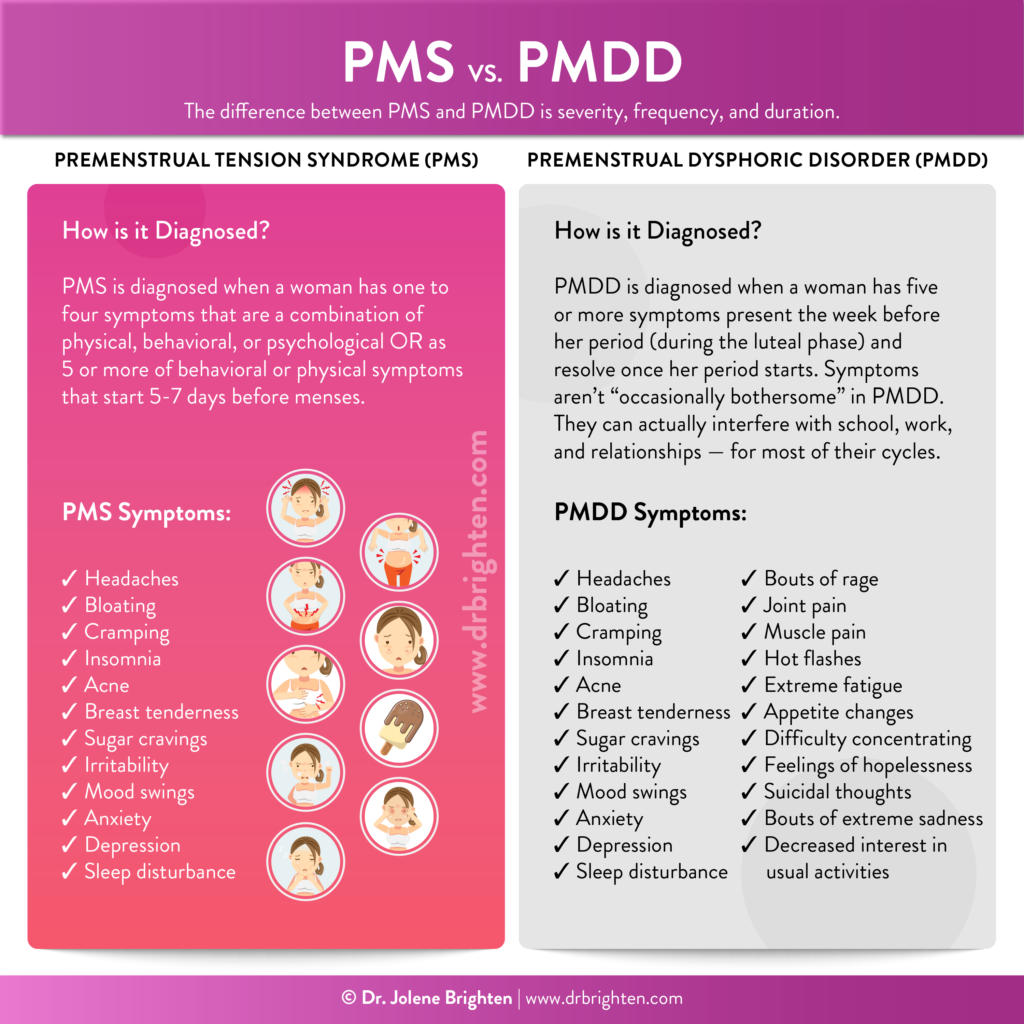
Keeping track of your symptoms throughout your menstrual cycle can provide valuable insights into the patterns and severity of PMDD. Use a journal or a smartphone app to record your mood, physical symptoms, and any triggers you may identify. This information can help you anticipate and manage symptoms effectively.
Maintaining a Healthy Lifestyle
Adopting a healthy lifestyle can play a significant role in managing PMDD symptoms. Focus on maintaining a balanced diet, getting regular exercise, and maintaining a consistent sleep schedule. These lifestyle factors can improve overall well-being and help regulate hormonal fluctuations.
Stress Management
Developing effective stress management techniques can be instrumental in managing PMDD. Identify stressors in your life and explore healthy coping mechanisms such as deep breathing exercises, mindfulness, or engaging in hobbies or activities that bring you joy. Finding healthy outlets to manage stress can help reduce the severity of PMDD symptoms.
Regular Exercise
Engaging in regular physical activity can have mood-stabilizing effects and reduce the severity of PMDD symptoms. Find an exercise routine that you enjoy and can commit to regularly, such as walking, yoga, or dancing. Exercise not only improves physical health but also boosts endorphin levels, which can enhance mood and overall well-being.
Balanced Diet
Ensuring you have a balanced diet can support hormone regulation and minimize PMDD symptoms. Incorporate whole grains, fruits, vegetables, lean proteins, and healthy fats into your meals. Minimize processed foods, caffeine, and sugary snacks, as they can exacerbate mood swings and other symptoms associated with PMDD.
Adequate Sleep
Getting enough quality sleep is crucial for managing PMDD symptoms. Lack of sleep can worsen mood disturbances and increase fatigue and irritability. Establish a consistent sleep routine and create a soothing environment conducive to restful sleep. If you struggle with sleep, speak to your healthcare provider for guidance and support.
Avoiding Triggers
Identifying and avoiding triggers that worsen PMDD symptoms can make a significant difference in managing the condition. Common triggers may include certain foods, caffeine, alcohol, stress, or lack of self-care. Observing patterns and making necessary lifestyle adjustments can help minimize symptom severity.
Supportive Relationships
Building supportive relationships can offer emotional and practical assistance in managing PMDD. Seek understanding and open communication with your loved ones about your condition. Consider joining support groups or seeking therapy to connect with others who have similar experiences. Remember, you do not have to face PMDD alone.
Professional Help
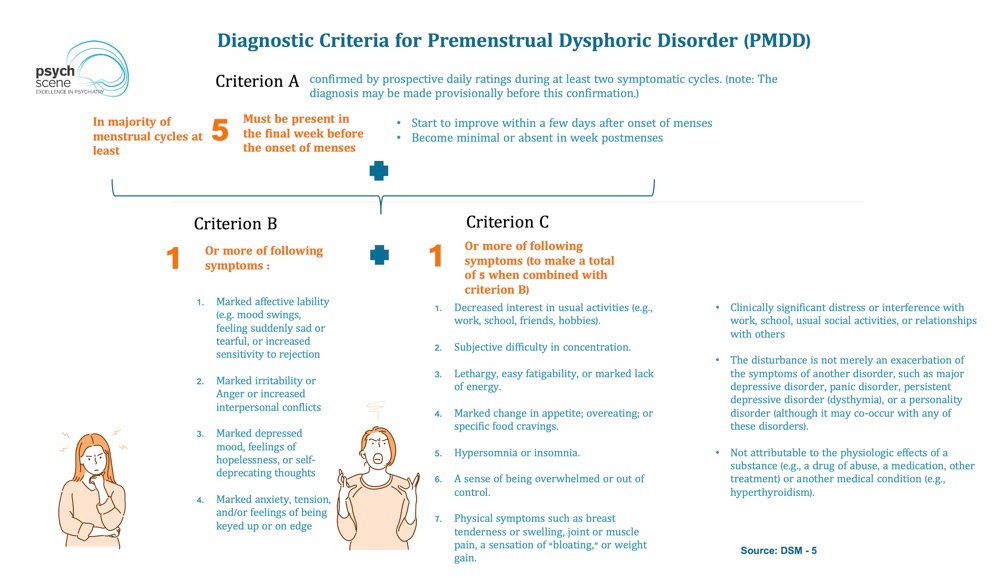
Seeking professional help is important for managing PMDD effectively. A healthcare professional can evaluate your symptoms, provide a diagnosis, and offer appropriate treatment options. Psychotherapy, such as cognitive-behavioral therapy, can help you develop coping strategies and address underlying emotional factors contributing to PMDD. In some cases, medication may be prescribed to alleviate symptoms or regulate hormonal fluctuations. Be proactive in seeking the help you need to achieve optimal well-being.
Family History
Genetic Predisposition
Research suggests that there may be a genetic predisposition for developing PMDD. Genetic factors can influence the way hormones are processed and interact with brain chemicals, thereby contributing to the occurrence of PMDD. If you have a family history of PMDD, it is important to be aware of this potential genetic link.
Inheritance Patterns
The inheritance patterns of PMDD are not fully understood yet. While it is believed to have a genetic component, it is likely influenced by multiple genes rather than being controlled by a single gene. Further research is needed to better understand the hereditary aspects of PMDD.
Implications for PMDD Risk
Having a family history of PMDD can increase your risk of developing the condition. If your mother or sister has experienced PMDD, it is essential to be proactive in monitoring your own symptoms and seeking appropriate management strategies. While family history does not guarantee that you will develop PMDD, it can serve as an indication of a potential predisposition.