
Imagine if the world around you felt overwhelming and chaotic, with everyday sounds, sights, and sensations causing distress and anxiety. This is the reality for individuals with Sensory Processing Disorder (SPD), a condition that affects how the brain processes and responds to sensory information. In this article, we explore the risk factors associated with SPD and the precautions one can take to navigate this challenging condition. From understanding the genetic and environmental factors that contribute to SPD, to implementing effective strategies for managing sensory overload, we’ll delve into the world of SPD to help you better support and understand those affected by this disorder.

What is Sensory Processing Disorder
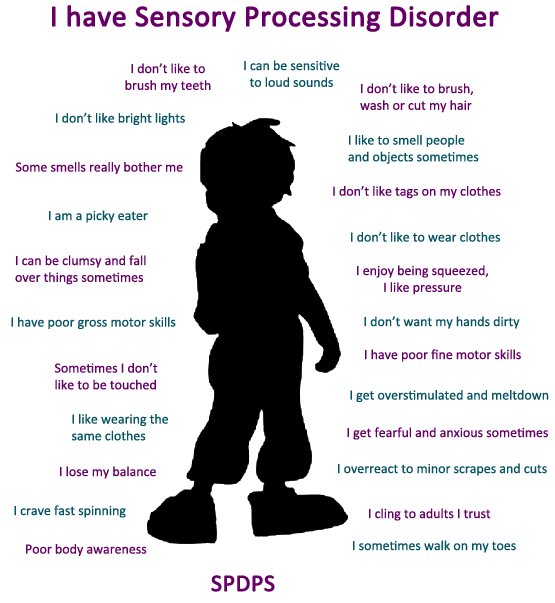
Sensory Processing Disorder (SPD) is a neurological condition that affects how the brain processes and responds to sensory information from the environment. People with SPD may have difficulty with sensory integration, which can lead to challenges in processing and responding to sensory stimuli such as touch, sound, taste, smell, and movement. This can result in over- or under-sensitivity to sensory input, leading to difficulties with daily activities and social interactions.

Risk Factors
Several factors can contribute to the development of Sensory Processing Disorder. It is important to understand these risk factors to better identify and support individuals who may be at a higher risk for developing SPD.
Genetic Factors
Research has shown that there may be a genetic component to SPD. Some studies have found a higher prevalence of SPD among individuals with a family history of the disorder. This suggests that certain genetic variations or mutations may contribute to the development of SPD, although more research is needed to fully understand the genetic factors involved.
Environmental Factors
Environmental factors can also play a role in the development of Sensory Processing Disorder. These factors include prenatal, perinatal, and postnatal influences that can affect sensory development and processing.
Prenatal Factors
During pregnancy, certain conditions and exposures can increase the risk of SPD in the child. Maternal stress, smoking, and exposure to certain medications or substances during pregnancy have been associated with an increased likelihood of developing SPD.
Perinatal Factors
Perinatal factors refer to the time surrounding birth. The use of medical interventions during labor and delivery, such as cesarean section or induction, may influence sensory development and increase the risk of SPD.
Postnatal Factors
After birth, the environment in which a child grows and develops can impact sensory processing. These factors can include exposure to excessive noise, lack of sensory stimulation, or early sensory deprivation, all of which can affect the development of the sensory system.
Prematurity and Low Birth Weight
Premature birth and low birth weight have been identified as risk factors for Sensory Processing Disorder. Babies born prematurely or with low birth weight may have underdeveloped sensory systems, making it more challenging for them to process and integrate sensory information.
Exposure to Toxins
Exposure to toxins, both before and after birth, can contribute to the development of SPD. Certain toxins, such as lead, mercury, and pesticides, have been linked to sensory processing difficulties. Both prenatal and postnatal exposure to these toxins, either through maternal exposure or environmental sources, can increase the risk of SPD.
Maternal Factors
Maternal factors, including maternal stress, age, and substance use, can also influence the development of SPD in children.
Maternal Stress
High levels of maternal stress during pregnancy have been associated with an increased risk of SPD in children. Stress hormones released by the mother can cross the placenta and affect the developing fetal brain, potentially impacting sensory processing.
Maternal Age
Advanced maternal age has been identified as another potential risk factor for SPD. Women who give birth at an older age may have a higher likelihood of having a child with sensory processing difficulties.
Maternal Substance Use
Substance use during pregnancy, including alcohol, tobacco, and illicit drugs, can have detrimental effects on fetal development, including sensory processing. These substances can disrupt the normal development of the sensory system, leading to difficulties in processing sensory information.

Precautions
While the exact cause of Sensory Processing Disorder is not fully understood, there are precautions that can be taken to support individuals with SPD and promote healthy sensory development.
Early Intervention
Early intervention is crucial for children with SPD. Recognizing the early signs and symptoms of sensory processing difficulties and seeking professional help can lead to timely intervention and support. Occupational therapy, sensory integration therapy, and other evidence-based interventions can help individuals with SPD develop coping strategies and improve their ability to process and respond to sensory information.
Multidisciplinary Approach
Managing Sensory Processing Disorder often requires a multidisciplinary approach involving professionals from various fields, such as occupational therapists, speech therapists, psychologists, and educators. This collaborative approach allows for a comprehensive assessment and treatment plan tailored to the individual’s unique needs.
Sensory Diet
A sensory diet refers to a tailored set of activities and strategies designed to meet the sensory needs of individuals with SPD. This may include sensory-rich activities to promote regulation, such as deep pressure input, sensory breaks, and specific sensory-based exercises.
Environmental Modifications
Modifying the environment to accommodate the sensory needs of individuals with SPD can greatly improve their functioning and reduce discomfort. This may include creating sensory-friendly spaces, reducing sensory triggers, and providing appropriate sensory tools and equipment.
Educational Support
Children with SPD often face challenges in educational settings. Providing educational support, such as accommodations for sensory needs, individualized education plans (IEPs), and classroom modifications, can help promote academic success and social-emotional well-being.
Emotional Support
Living with Sensory Processing Disorder can be challenging, both for individuals with SPD and their families. Offering emotional support, understanding, and empathy to those affected by SPD can have a significant positive impact on their well-being. Counseling, support groups, and connecting with others who have similar experiences can provide a valuable source of emotional support.

Early Intervention
Early intervention is crucial in the management of Sensory Processing Disorder. The earlier the intervention, the better the chances of improving sensory integration skills and overall functioning. The first few years of a child’s life are a critical period for brain development, and targeted interventions during this time can optimize sensory processing and minimize the impact of SPD on daily life.
Emotional Support
Emotional support plays a vital role in helping individuals with Sensory Processing Disorder navigate the challenges they may face. Providing understanding, compassion, and acceptance can empower individuals with SPD to advocate for their needs and build resilience. It is important to create a supportive environment that validates their experiences and fosters a sense of belonging.
In conclusion, Sensory Processing Disorder is a complex condition that can significantly impact individuals’ daily lives. While the exact causes remain unclear, understanding the risk factors, such as genetic and environmental influences, can facilitate early identification and intervention. Taking precautionary measures, such as early intervention, multidisciplinary support, sensory diets, environmental modifications, educational accommodations, and emotional support, can help individuals with SPD thrive and overcome the challenges associated with sensory processing difficulties. By raising awareness and providing the necessary support, we can create a more inclusive and understanding society for individuals with Sensory Processing Disorder.