
Paragonimiasis, a parasitic disease caused by a lung fluke, is more common than you might think. This article sheds light on the risk factors associated with paragonimiasis and offers valuable precautions to prevent its transmission. By understanding the factors that increase the likelihood of contracting the disease and taking the necessary precautions, you can safeguard yourself and your loved ones. So, let’s explore these risk factors and precautions to ensure a healthier and safer life.
Risk Factors for Paragonimiasis
Paragonimiasis is a parasitic infection caused by the lung fluke, a type of worm called Paragonimus. This disease can have serious health implications if not treated early. It is important to understand the risk factors associated with paragonimiasis in order to take appropriate precautions and minimize the chances of infection. The following are the main risk factors for paragonimiasis:
Consumption of Infected Crustaceans
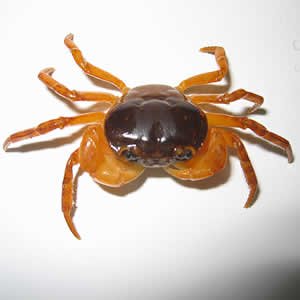
One of the primary ways of contracting paragonimiasis is through the consumption of infected crustaceans, such as crabs, crayfish, or freshwater shrimp. These crustaceans act as intermediate hosts for the parasites, and when they are not adequately cooked, the larvae remain alive and capable of infecting humans. Individuals living in regions where paragonimiasis is prevalent should be cautious when consuming crustaceans and ensure that they are properly cooked to kill any potential parasites.
Exposure to Infected Animal Waste
Contamination of food or water sources with infected animal waste is another risk factor for paragonimiasis. Contact with the feces or urine of infected animals, such as dogs, cats, or pigs, can lead to the transmission of parasite eggs. These eggs may then contaminate water sources, fruits, vegetables, or other food items, posing a risk of infection to individuals who ingest them.
Ingestion of Raw or Undercooked Crustaceans
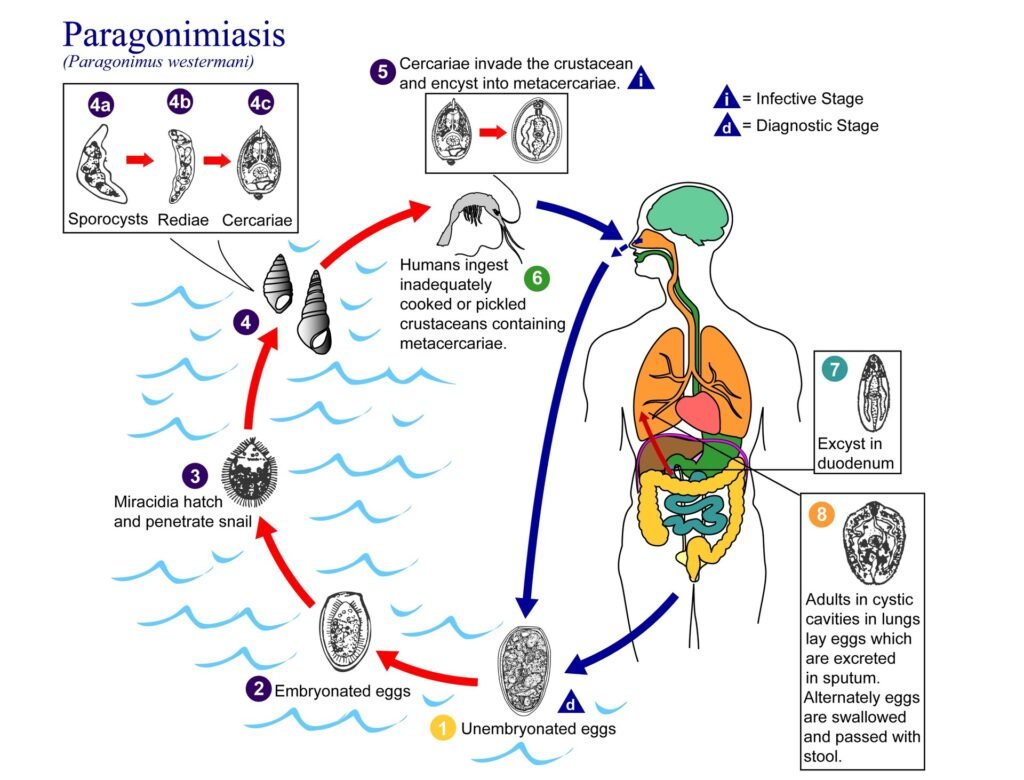
Eating raw or undercooked crustaceans, such as crabs, crayfish, or freshwater shrimp, significantly increases the risk of contracting paragonimiasis. The lifecycle of Paragonimus involves multiple intermediate hosts, and the infective larvae can survive in inadequately cooked crustaceans. It is important to ensure that these seafood items are thoroughly cooked to kill any potential parasites and prevent infection.
Consumption of Traditional Raw Seafood Dishes
Traditional raw seafood dishes, like ceviche or sushi, may also put individuals at risk of paragonimiasis. These dishes commonly include raw or lightly cooked crustaceans, which may not be adequately processed to eliminate the parasites. It is important to be cautious when consuming such raw seafood dishes and consider alternative cooking methods to eliminate the risk of infection.
Lack of Access to Clean Water and Sanitation
Limited availability of clean water and poor sanitation practices contribute to the risk of paragonimiasis. Clean water is essential for proper food preparation and personal hygiene. In regions with inadequate access to clean water and poor sanitation facilities, the likelihood of contamination by parasite eggs increases significantly. It is crucial to ensure access to clean water sources and practice good sanitation to reduce the risk of infection.
Living or Traveling in Endemic Areas
Residing or traveling to regions with a high prevalence of paragonimiasis increases the risk of infection. Endemic areas, particularly in Asia, Africa, and South America, have a higher concentration of infected crustaceans and environments. It is important for individuals living or planning to travel to such areas to be aware of the local transmission patterns and take necessary precautions to avoid exposure to potential sources of infection.
Occupational Exposure to Crustaceans or Snails
Certain occupations, such as working in seafood markets, fisheries, or seafood restaurants, involve direct contact with potentially infected crustaceans or snails. Individuals in these occupations have an increased risk of exposure to the parasite. It is essential for workers in such industries to practice occupational safety measures, including the use of protective gear and proper hygiene practices, to minimize the risk of infection.
Exposure to Second-Hand Smoke
Exposure to second-hand smoke has been identified as a risk factor for paragonimiasis. Studies have suggested that exposure to cigarette smoke may weaken the immune system and make individuals more susceptible to parasitic infections. It is advisable to avoid second-hand smoke and maintain a smoke-free environment to reduce the risk of paragonimiasis.
Weakened Immune System
Individuals with a weakened immune system are more vulnerable to various infections, including paragonimiasis. Conditions such as HIV/AIDS, organ transplantation, or certain medications can compromise the immune system, making it harder for the body to fight off parasitic infections. It is crucial for individuals with weakened immune systems to take extra precautions and maintain their overall health to minimize the risk of acquiring paragonimiasis.
Poor Hygiene Practices
Poor hygiene practices can increase the risk of paragonimiasis. Lack of handwashing, improper food handling, and unhygienic living conditions contribute to the transmission of parasites. It is important to adopt good hygiene practices, including regular handwashing with soap, proper food preparation, and maintenance of clean living environments, to prevent infection.
Precautions to Prevent Paragonimiasis
Although paragonimiasis can be a serious health concern, there are various precautions that individuals can take to prevent infection. By following these precautions, the risk of contracting paragonimiasis can be significantly reduced. The following are some important precautions to consider:
Cook Crustaceans Properly
When consuming crustaceans, such as crabs, crayfish, or freshwater shrimp, it is essential to cook them properly to kill any potential parasites. Thorough cooking, at temperatures above 145°F (63°C), helps ensure that the infective larvae are destroyed and cannot cause infection.
Avoid Consuming Raw Crustaceans
To minimize the risk of paragonimiasis, it is advisable to avoid consuming raw or undercooked crustaceans. Raw seafood items, such as sushi or ceviche, may not undergo sufficient processing to eliminate parasites. Opting for alternatives like cooked or heat-treated seafood can help reduce the risk of infection.
Thoroughly Clean and Cook Seafood
Before cooking seafood, it is important to thoroughly clean and wash the items to remove any external dirt or eggs that may be present. Additionally, cooking seafood to the recommended safe internal temperature ensures that any potential parasites are killed, reducing the risk of paragonimiasis.
Avoid Traditional Raw Seafood Dishes
To minimize the risk of paragonimiasis, it is advisable to avoid consuming traditional raw seafood dishes that may include raw or lightly cooked crustaceans. These dishes often lack proper parasite elimination methods and can increase the chances of infection. Choosing alternative cooking methods, such as steaming or boiling, can help eliminate parasites and reduce the risk.
Ensure Access to Clean Water and Sanitation
Access to clean water is critical for preventing paragonimiasis. It is important to ensure that the water used for food preparation, drinking, and personal hygiene is safe and clean. In regions with limited access to clean water, efforts should be made to improve water sources and implement proper sanitation practices to reduce the risk of infection.
Use Safe and Clean Water for Food Preparation
When preparing food, it is crucial to use safe and clean water for washing ingredients, cooking, and cleaning utensils. Using contaminated water can introduce parasite eggs to the food, increasing the risk of infection. Boiling or treating water with appropriate disinfectants before using it for food preparation can help eliminate potential parasites.
Educate and Raise Awareness in Endemic Areas
Education and raising awareness about paragonimiasis in endemic areas are essential to prevent infection. Providing information about the risks associated with consuming infected crustaceans, the importance of proper cooking and hygiene practices, and the need for access to clean water and sanitation can help individuals make informed decisions and take necessary precautions.
Practice Occupational Safety Measures
Individuals working in occupations that involve handling or processing crustaceans or snails should prioritize their safety. Employers in seafood markets, fisheries, or seafood restaurants should implement occupational safety measures, including the use of protective gear and proper hygiene practices, to minimize the risk of infection among workers.
Avoid Exposure to Second-Hand Smoke
To reduce the risk of paragonimiasis, it is advisable to avoid exposure to second-hand smoke. Second-hand smoke has been shown to weaken the immune system, making individuals more susceptible to parasitic infections. Maintaining a smoke-free environment can help protect against various health concerns, including paragonimiasis.
Maintain a Strong Immune System
Maintaining a strong immune system is crucial to prevent various infections, including paragonimiasis. Adopting a healthy lifestyle, including regular exercise, sufficient sleep, stress management, and a balanced diet, can help boost the immune system. Individuals with underlying health conditions should ensure timely medical care to maintain their overall health and reduce the risk of acquiring paragonimiasis.
In conclusion, understanding the risk factors associated with paragonimiasis and taking appropriate precautions is essential to prevent the infection. By practicing good hygiene, ensuring proper cooking of crustaceans, avoiding raw or undercooked seafood, maintaining access to clean water, and raising awareness in endemic areas, the risk of paragonimiasis can be significantly reduced. It is important for individuals to be proactive in protecting themselves and their communities from this parasitic infection.
