
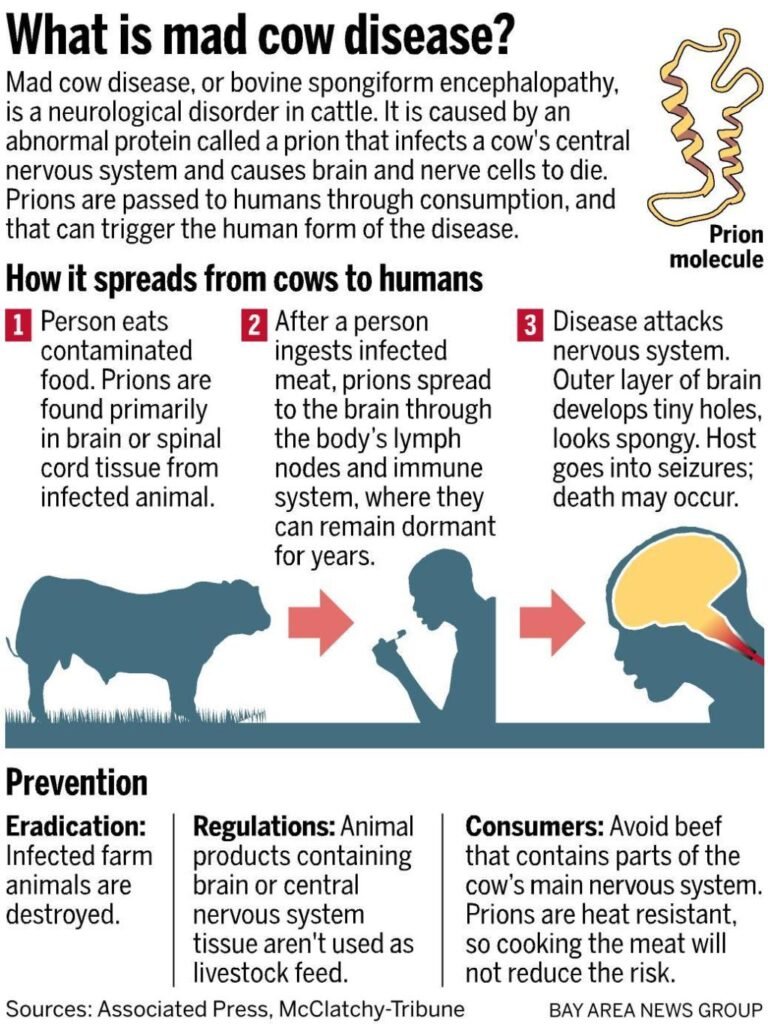
Mad Cow Disease, also known as Bovine Spongiform Encephalopathy (BSE), is a fatal neurological disease that affects cows and, in rare cases, humans. In this article, we will explore the risk factors associated with Mad Cow Disease and the precautions that can be taken to minimize the chances of its spread. By understanding the causes and ways to prevent this disease, you can ensure the safety of both livestock and human health. So, let’s dive into the world of Mad Cow Disease and arm ourselves with knowledge to protect ourselves and our community.
Risk Factors for Mad Cow Disease
Transmission through contaminated feed
Mad Cow Disease, also known as Bovine Spongiform Encephalopathy (BSE), is primarily transmitted through contaminated feed. It is caused by abnormal proteins called prions, which can survive even under harsh conditions. Contaminated feed often contains rendered remains of infected animals, such as brain and spinal cord tissues, which are rich in prions. When healthy cattle consume such feed, they become susceptible to the disease. This mode of transmission was particularly prevalent during the 1980s and 1990s when animal by-products were commonly used in cattle feed.
Exposure to infected animals
Another significant risk factor for Mad Cow Disease is direct exposure to infected animals. Cattle that are already infected with BSE can pass the disease onto other cattle through various means, including physical contact and sharing of contaminated equipment. It is crucial for farmers and livestock handlers to take proper precautions to prevent the spread of the disease within their herds. Implementing strict biosecurity measures, such as isolation of infected animals and regular disinfection of equipment, can greatly reduce the risk of exposure to Mad Cow Disease.
Consumption of contaminated meat
Mad Cow Disease poses a potential risk to human health if contaminated meat is consumed. When humans ingest meat from infected animals, the prions responsible for BSE can cause variant Creutzfeldt-Jakob Disease (vCJD), a fatal neurological disorder. It is therefore essential for individuals to be cautious regarding the source and quality of the meat they consume. Maintaining proper food safety practices, such as avoiding undercooked meat and handling raw meat with care, can greatly minimize the risk of contracting the disease.
Genetic susceptibility
Genetic factors play a role in the susceptibility to Mad Cow Disease. Some individuals may carry specific mutations in the prion protein gene, which can increase their likelihood of developing vCJD even with minimal exposure to contaminated meat. Research has also identified variations in human susceptibility to the disease, with certain genetic profiles being more susceptible than others. Evaluating genetic risk factors can aid in better understanding an individual’s vulnerability to Mad Cow Disease and tailor preventive strategies accordingly.
Age and gender
Age and gender can significantly influence the risk of contracting Mad Cow Disease. Older individuals tend to have a higher vulnerability as their immune systems may be weaker and less efficient in combating the disease. Moreover, research suggests that gender-based differences exist in susceptibility to the disease, although the specific reasons for this disparity are yet to be fully understood. Implementing preventive measures that target these vulnerable populations, such as enhanced surveillance and awareness campaigns, can help mitigate the impact of Mad Cow Disease.
Precautions to Prevent Mad Cow Disease
Proper animal feed practices
To prevent the transmission of Mad Cow Disease through contaminated feed, it is crucial to implement proper animal feed practices. This involves strict regulations on feed production and ingredients, ensuring that no specified risk materials (SRMs) are used. SRMs, such as brain and spinal cord tissues, are prohibited due to their high concentration of prions. Additionally, quality control measures should be enforced throughout the feed production process to avoid cross-contamination or accidental inclusion of infected material. Alternative feed sources, such as plant-based proteins, can reduce the reliance on animal-derived proteins, further minimizing the risk of contamination.
Surveillance and testing
Surveillance and testing are fundamental in controlling the spread of Mad Cow Disease. Regular monitoring of livestock herds is essential to identify any potential cases of infection. Rapid screening tests can be utilized as an initial screening tool for early detection. However, post-mortem examination of cattle remains the most reliable method for confirming the presence of BSE. Similarly, individuals working in high-risk occupations, such as farmers and butchers, should be tested if they display any symptoms or have a history of consuming risky meat.
Banning specified risk material
To reduce the presence of infectious prions in the food chain, many countries have implemented bans on specified risk material (SRM) in the slaughter and processing of animals. This includes the removal and safe disposal of high-risk tissues, such as the brain and spinal cord. Strict adherence to these regulations is essential to minimize the risk of contamination during the slaughter and processing stages. By effectively removing and destroying SRMs, the potential for transmitting Mad Cow Disease to humans can be significantly reduced.
Avoiding consumption of risky meat
As a precautionary measure, individuals should be cautious about the meat they consume to minimize the risk of Mad Cow Disease. It is recommended to avoid consuming meat from animals suspected or confirmed to have BSE. This includes avoiding products such as brain, spinal cord, and certain organ meats that are known to have a higher concentration of prions. Additionally, properly cooking meat can help inactivating prions, reducing the risk further. Following safe cooking practices, such as cooking meat to appropriate temperatures and avoiding cross-contamination with other foods, is essential for preventing the spread of the disease.
Enhancing food safety regulations
To ensure greater protection against Mad Cow Disease, countries must enhance food safety regulations. Strict monitoring and surveillance systems should be in place to track the prevalence and transmission of BSE. Furthermore, improving traceability in the food supply chain can aid in identifying and recalling contaminated meat efficiently. International collaboration and knowledge sharing between countries can play a vital role in developing standardized food safety guidelines that help counteract the risk of Mad Cow Disease effectively.

Transmission through contaminated feed
Origin of contaminated feed
Feed contaminated with BSE prions often originates from rendering processes that use animal by-products as ingredients. During the 1980s and 1990s, when Mad Cow Disease was prevalent, rendered remains of infected animals were commonly used in cattle feed. The inclusion of brain and spinal cord tissues, where prions concentrate, contributed to the spread of the disease. To prevent contaminated feed, stringent regulations banning specified risk materials (SRMs) in cattle feed have been implemented in many countries.
Effects of contaminated feed on cattle
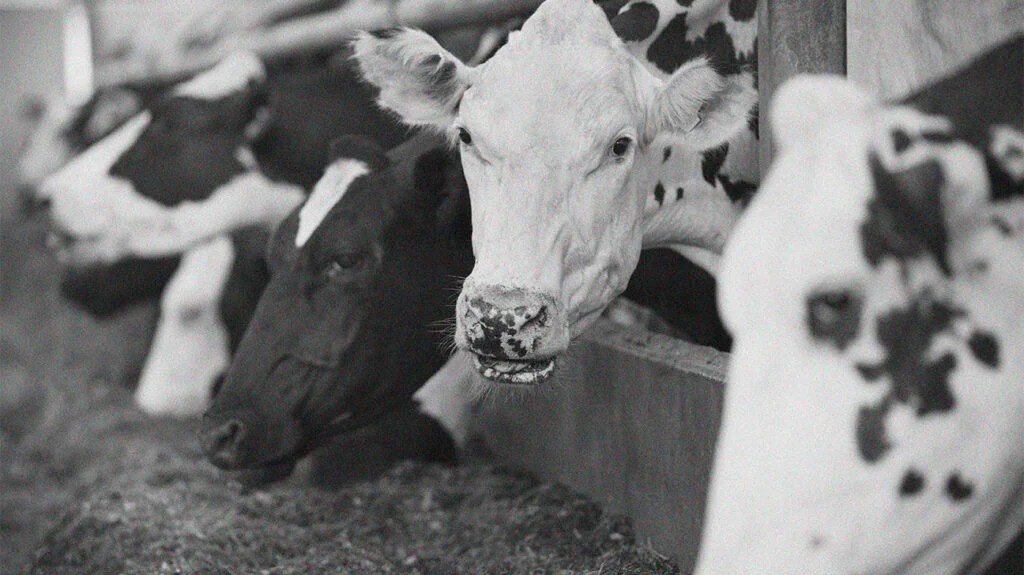
When cattle consume feed contaminated with BSE prions, these abnormal proteins can accumulate in the nervous system, leading to the development of Mad Cow Disease. Cattle infected with BSE can show a range of symptoms, including changes in behavior, difficulty in coordination, and weight loss. As the disease progresses, the affected animals may also exhibit nervous system impairments, such as difficulty in standing or balancing. The presence of contaminated feed exacerbates the spread of Mad Cow Disease within the cattle population.
Preventing contaminated feed
To prevent the transmission of Mad Cow Disease through contaminated feed, strict regulations have been implemented. The most effective measure is the ban on specified risk materials (SRMs) in cattle feed. SRMs, such as brain and spinal cord tissues, are strictly prohibited due to their high concentration of prions. Additionally, strict quality control measures should be in place during the production of animal feed to prevent cross-contamination and accidental inclusion of infected material. Alternative sources of protein, such as plant-based or synthetic proteins, can be utilized to reduce the reliance on animal-derived proteins in feed production.
Risk of feed cross-contamination
Cross-contamination of feed with BSE prions can occur during the preparation and storage phases. Improper cleaning of equipment, insufficient separation of ingredients, and inadequate storage conditions can all contribute to feed cross-contamination. It is important to implement thorough cleaning procedures, including the use of disinfectants, to minimize the risk of cross-contamination. Dedicated equipment and storage facilities specifically for feed preparation can also play a crucial role in preventing the spread of Mad Cow Disease through contaminated feed.
Exposure to infected animals
Signs of infection in animals
Detecting signs of infection in animals is crucial to prevent the spread of Mad Cow Disease. Cattle infected with BSE may display various symptoms, although the disease can remain asymptomatic for an extended period. Some common signs include changes in behavior, such as increased aggression or nervousness, difficulty in coordination or walking, weight loss, and reduced milk production in dairy cows. Prompt identification and isolation of infected animals can help prevent further transmission within the herd.
Prevention measures for farmers
Farmers and livestock handlers must take appropriate prevention measures to safeguard their herds from Mad Cow Disease. Implementing strict biosecurity protocols, such as controlling access to livestock areas and avoiding sharing equipment between animals, can minimize the risk of exposure. Regular health check-ups, including veterinary inspections, can aid in the early detection of any potential cases. Providing a clean and stress-free environment, proper nutrition, and addressing any underlying health issues can also contribute to overall herd health and reduce the risk of BSE.
Proper disposal of infected animals
Proper disposal of infected animals is essential to prevent the spread of Mad Cow Disease. Infected animals should be dealt with in accordance with specific protocols that ensure their safe handling and disposal. Incineration, burial, or rendering processes that effectively destroy prions are commonly used methods. Adequate disposal procedures ensure that prions are not accidentally reintroduced into the environment or the food chain, thereby reducing the risk of human exposure to the disease.
Quarantine procedures
Implementing quarantine procedures is crucial in preventing the spread of Mad Cow Disease within a herd. When a case of BSE is identified, affected animals should be promptly isolated from the rest of the herd to minimize the risk of transmission. Quarantine facilities should have proper biosecurity measures in place, including isolation from other animals, dedicated personnel, and proper waste management. Regular testing and monitoring during the quarantine period can help prevent further transmission and ensure the containment of the disease.

Consumption of contaminated meat
Path of infection in humans
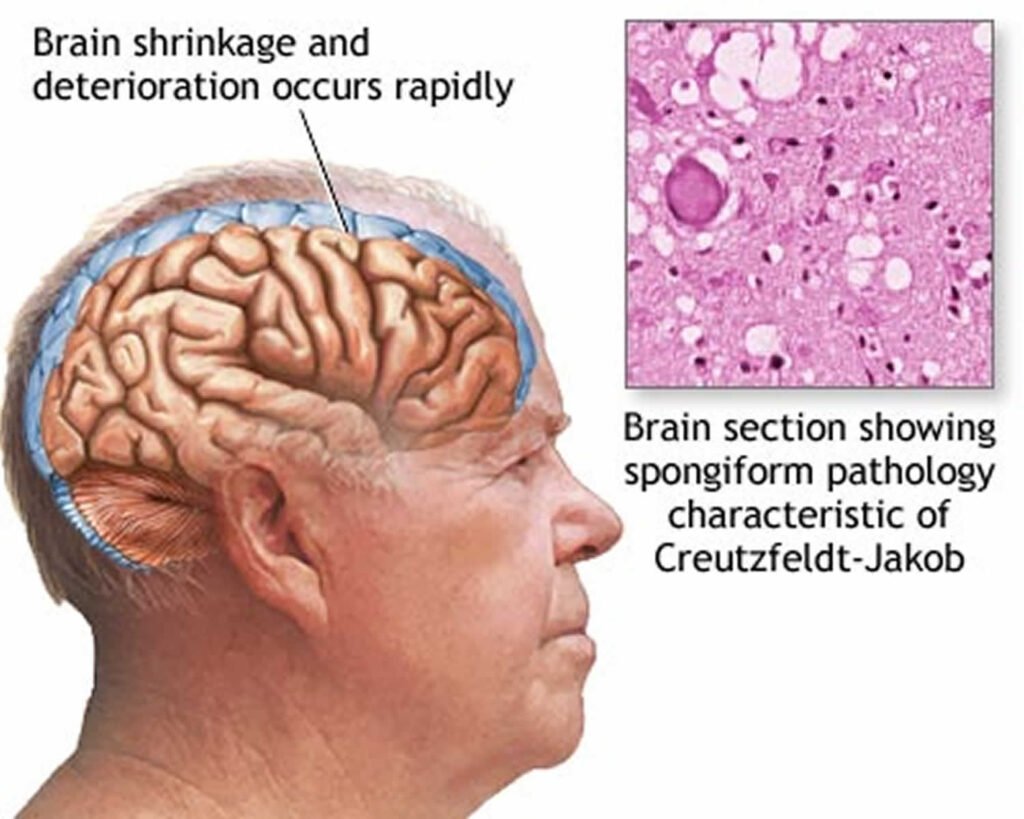
When humans consume meat from animals infected with Mad Cow Disease, they can potentially develop variant Creutzfeldt-Jakob Disease (vCJD). The path of infection begins with ingesting meat containing prions, particularly high-risk tissues such as the brain and spinal cord. Once ingested, the prions can accumulate in the body, particularly in the nervous system, leading to the development of vCJD. This fatal neurological disorder can result in severe cognitive decline, neurological symptoms, and ultimately death.
Preventing contamination in the slaughterhouse
To prevent the contamination of meat with Mad Cow Disease, strict hygiene and safety protocols should be implemented in slaughterhouses. Appropriate measures should be taken to ensure that specified risk materials (SRMs) are effectively removed from the carcass during the processing stages. This includes the careful removal and separation of high-risk tissues, such as the brain and spinal cord, which can harbor prions. Rigorous cleaning and sanitization procedures should be followed to prevent cross-contamination between carcasses and equipment.
Testing alternatives for detection
Efforts are continually made to improve testing methods for the detection of Mad Cow Disease in animals. Traditional post-mortem examination of cattle remains the most reliable method for confirming the presence of BSE. However, alternative testing approaches, such as rapid screening tests, are being explored to detect the disease in live animals quickly. These tests can aid in early detection, enabling the implementation of timely prevention and control measures.
Safe cooking practices
Proper cooking practices can significantly reduce the risk of Mad Cow Disease. Cooking meat to appropriate temperatures can help inactivate prions, making the meat safe for consumption. BSE prions are heat-resistant, so it is crucial to ensure meat is cooked thoroughly, especially when dealing with high-risk cuts or ground meat products. Furthermore, avoiding cross-contamination between raw and cooked meat, and maintaining proper hygiene practices during food preparation, can further minimize the risk of contamination.
Guidelines for handling and storage
In addition to safe cooking practices, proper handling and storage of meat are essential to prevent the transmission of Mad Cow Disease. It is important to avoid contact between raw meat and other foods, as well as to properly clean and sanitize utensils and surfaces used during meat preparation. Store meat at appropriate temperatures to prevent the growth of bacteria or parasites. Following guidelines provided by food safety authorities regarding meat handling and storage can help individuals minimize their risk of contracting the disease.
Genetic susceptibility
Prion protein gene mutations
Genetic factors can influence an individual’s susceptibility to Mad Cow Disease. Specific mutations in the prion protein gene (PRNP) can increase an individual’s likelihood of developing vCJD, even with minimal exposure to contaminated meat. These mutations can affect the structure or metabolism of the prion protein, leading to altered susceptibility. Studying these genetic variations can provide valuable insights into the potential risk individuals may face and aid in developing targeted preventive strategies.
Variations in human susceptibility
Beyond specific gene mutations, variations in human susceptibility to Mad Cow Disease have been identified. Some individuals may have a genetic profile that makes them more susceptible to developing vCJD if exposed to contaminated meat. Research is ongoing to understand the underlying factors contributing to these variations, including the role of different genetic markers and polymorphisms. By evaluating these genetic risk factors, it may be possible to identify individuals who are at a higher risk and implement appropriate preventive measures.
Evaluating genetic risk factors
The evaluation of genetic risk factors for Mad Cow Disease can provide insights into an individual’s vulnerability to the disease. Genetic testing can identify specific mutations or variations that may increase an individual’s likelihood of developing vCJD. However, it is important to note that genetic susceptibility alone does not guarantee the development of the disease. Other factors, such as exposure to contaminated meat, also play a significant role. Genetic evaluations can help tailor preventive strategies and provide individuals with a better understanding of their personal risk factors.
Age and gender
Age-related vulnerability
Age is a risk factor that significantly influences an individual’s vulnerability to Mad Cow Disease. Older individuals tend to have a higher susceptibility due to a weakened immune system and decreased ability to combat the disease. As the immune response declines with age, it becomes more challenging for the body to clear prions, increasing the likelihood of vCJD development. Protecting and providing proper education and support for the elderly population can help mitigate the impact of the disease on this vulnerable demographic.
Gender-based differences in susceptibility
Research suggests that gender may play a role in the susceptibility to Mad Cow Disease, although the reasons for the difference are not yet fully understood. Studies have shown that men may have a slightly higher risk of developing vCJD compared to women. However, further research is needed to determine the underlying factors contributing to this disparity. Understanding gender-based differences in susceptibility can guide the development of tailored preventive strategies and ensure the necessary support is provided to the affected population.
Preventive measures for vulnerable populations
Considering the increased vulnerability of certain populations, particularly the elderly and males, it is crucial to implement specific preventive measures. Increasing awareness among these demographics about the risk factors and precautions associated with Mad Cow Disease is vital. Encouraging safe cooking practices, such as cooking meat to appropriate temperatures, can help minimize their risk. Additionally, regularly monitoring livestock herds and enhancing surveillance programs can aid in the early detection of BSE, reducing the potential for human exposure. Public health initiatives and targeted education campaigns can further contribute to the overall prevention efforts aimed at vulnerable populations.
Proper animal feed practices
Banning specified risk materials in feed
To prevent the transmission of Mad Cow Disease through contaminated animal feed, the use of specified risk materials (SRMs) in feed production has been strictly regulated. SRMs, including brain and spinal cord tissues, are known to contain high concentrations of prions, making them potential sources of contamination. Banning SRMs ensures that feed producers cannot use these risky materials, reducing the likelihood of prion transmission to livestock.
Strict quality control of animal feed production
Strict quality control measures must be enforced during animal feed production to ensure its safety. This includes thoroughly inspecting and verifying the ingredients used in feed, as well as monitoring the entire production process. Deviations from safety standards should be identified and rectified promptly to prevent any potential contamination. Regular quality control checks, such as laboratory testing, can provide further assurance of feed safety.
Alternatives to animal protein in feed
To mitigate the risk of Mad Cow Disease, alternatives to animal-derived protein can be used in animal feed. Plant-based protein sources, such as soybean meal or pea protein, can replace or reduce the reliance on animal protein. These alternatives are both safe and sustainable, reducing the potential for prion contamination that may occur through the inclusion of animal by-products.
Avoiding cross-contamination during feed preparation
To prevent feed cross-contamination, proper handling and preparation procedures should be followed. Dedicated equipment and storage facilities for feed preparation can help minimize the risk of prion transmission. Equipment must be cleaned and sanitized thoroughly between batches to avoid cross-contamination, and separate storage areas should be used for different feed ingredients. Maintaining strict protocols and enforcing good hygiene practices throughout the feed preparation process are essential in preventing the transmission of Mad Cow Disease through contaminated animal feed.
Surveillance and testing
Monitoring livestock herds
Monitoring livestock herds is crucial in preventing the spread of Mad Cow Disease. Regular surveillance programs should be established to detect any potential cases and identify any changes in disease prevalence within a population. This involves collecting and analyzing data on animal health, conducting regular screenings, and implementing appropriate interventions when necessary. By actively monitoring livestock herds, prompt actions can be taken to control the disease and limit its transmission.
Rapid screening tests for detection
To enable early detection of Mad Cow Disease, rapid screening tests can be utilized to identify potentially infected animals. These tests provide quick results and can be implemented in live animals, allowing for faster identification and isolation of potential cases. Although not as definitive as post-mortem examinations, rapid screening tests serve as an important initial step in monitoring and controlling the disease.
Post-mortem examination of cattle
The most reliable method for confirming the presence of Mad Cow Disease in cattle is through post-mortem examination. Veterinary pathologists conduct detailed examinations of brain and other tissues to detect the presence of abnormal prions. Post-mortem examinations provide definitive diagnoses and help in understanding the prevalence and distribution of the disease within a population. These examinations also aid in refining surveillance strategies and implementing targeted control measures.
Testing humans at risk
Individuals at higher risk of exposure to Mad Cow Disease, such as those working in high-risk occupations or with a history of consuming risky meat, should be regularly tested. Testing for prion diseases in humans usually involves cerebrospinal fluid analysis and, in some cases, brain tissue biopsy. These tests can help detect any signs of infection and allow for timely intervention measures if needed. Regular testing can help ensure the early detection and management of Mad Cow Disease in humans, reducing the potential for further transmission.
International collaboration and information sharing
Global surveillance and early detection networks
Given the global nature of Mad Cow Disease, international collaboration plays a vital role in surveillance and early detection efforts. Establishing global networks that facilitate the exchange of surveillance data and epidemiological information helps identify emerging trends and facilitates early response strategies. Enhanced global surveillance networks enable timely detection, allowing for faster implementation of control measures and reducing the risk of widespread transmission.
Exchange of epidemiological data
The exchange of epidemiological data between countries is crucial in combating Mad Cow Disease. By sharing information on disease prevalence, surveillance outcomes, and control strategies, countries can learn from each other’s experiences and adapt their own preventive measures accordingly. This collaborative approach fosters a collective response to the disease and enhances global preparedness and responsiveness.
Scientific collaboration and research sharing
Scientific collaboration and research sharing form the foundation for understanding and addressing Mad Cow Disease. By sharing research findings, scientists can collectively work towards unraveling the complexities of the disease, including better understanding its transmission, pathogenesis, and risk factors. Collaborative research efforts can also lead to the development of innovative diagnostic tools, prevention strategies, and potential treatments for the disease.
Joint response strategies and support
Coordinated response strategies and support are essential in combating Mad Cow Disease at a global level. Joint efforts to develop and implement effective prevention, surveillance, and control measures can significantly reduce the impact of the disease. Enhanced support through funding, resources, and expertise sharing can enable countries with limited capacities to strengthen their response capabilities. The collective response of the international community is vital in preventing the spread of Mad Cow Disease and protecting global public health.