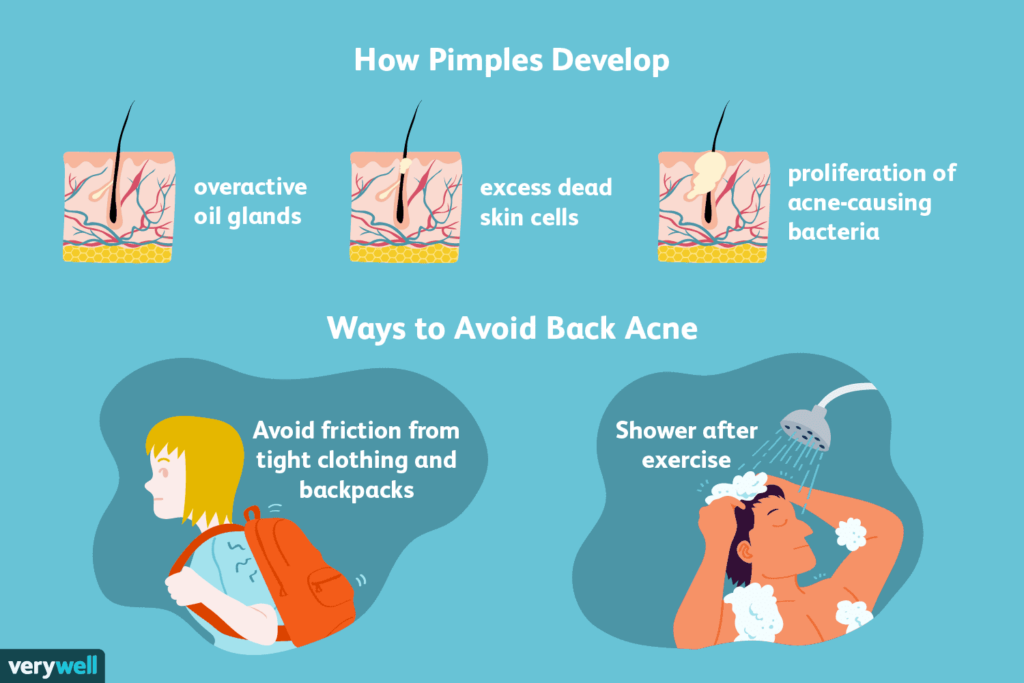
In this informative article, discover the essential information about the risk factors and precautions for common skin problems. We will explore the various factors that can contribute to skin issues, such as genetics, environmental factors, and lifestyle choices. From acne and eczema to sunburns and allergies, understanding the risk factors will help you take the necessary precautions to maintain healthy and radiant skin. So, let’s delve into this topic together and empower you with the knowledge to protect your skin from potential problems.
Risk Factors for Skin Problems
Exposure to UV radiation
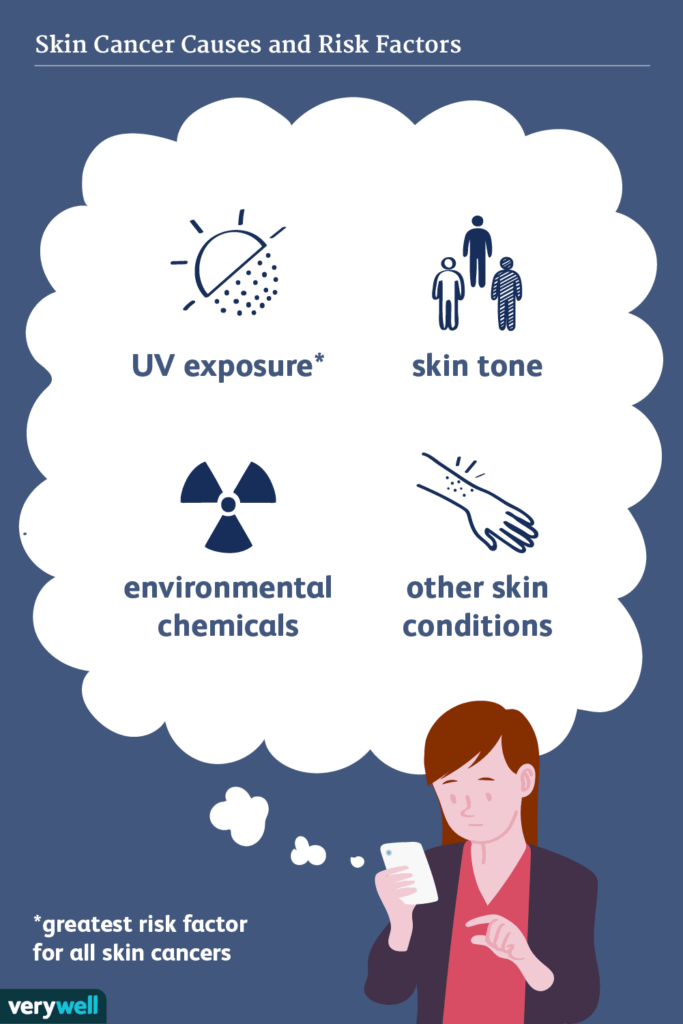
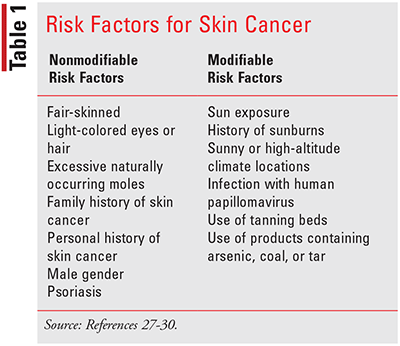
Exposure to ultraviolet (UV) radiation is one of the leading risk factors for skin problems. Prolonged and unprotected exposure to the sun’s UV rays can damage the skin, leading to a higher risk of developing conditions such as sunburn, premature aging, and even skin cancer. It is important to take precautions, such as wearing sunscreen with a high SPF, seeking shade when the sun is strongest, and wearing protective clothing, to reduce the risk of UV radiation.
Genetic factors
Genetics plays a significant role in determining an individual’s susceptibility to skin problems. Certain genes can make a person more prone to conditions such as eczema, psoriasis, or acne. If you have a family history of these conditions, it’s important to be more vigilant and proactive in taking care of your skin. Regular check-ups with a dermatologist can help identify potential issues early on and find the most suitable treatment options.
Age
As we age, our skin undergoes various changes that can increase the risk of developing skin problems. The natural aging process leads to a decrease in the production of collagen and elastin, which are essential for maintaining the skin’s elasticity and strength. This can result in sagging skin, wrinkles, and dryness. It is important to adopt a skincare routine tailored to your age to keep your skin healthy and vibrant.
Hormonal changes
Hormonal fluctuations can have a significant impact on the skin. During puberty, increased hormone production can lead to the development of acne. Similarly, hormonal changes during pregnancy or menopause can also affect the skin, causing issues such as melasma or dryness. Understanding and managing these hormonal changes can help minimize the risk of developing skin problems associated with them.
Certain medical conditions
Certain medical conditions can increase the risk of developing skin problems. For example, individuals with diabetes may be more prone to infections or slow healing wounds, while those with autoimmune diseases may experience flare-ups of skin conditions such as psoriasis or lupus. It is important to work closely with healthcare professionals to manage these conditions effectively and minimize their impact on the skin.
Environmental factors
Environmental factors, such as pollution and climate, can have detrimental effects on the skin. Air pollution can clog pores and irritate the skin, leading to breakouts and dullness. Extreme weather conditions, such as cold temperatures or low humidity, can cause dryness and irritation. Taking steps to protect your skin from these environmental factors, such as using gentle cleansers and moisturizers, can help maintain its health and prevent potential problems.
Occupational hazards
Certain occupations involve exposure to hazardous substances or conditions that can negatively impact the skin. People who work with chemicals, solvents, or irritants may be at a higher risk of developing skin disorders such as contact dermatitis. It is important to follow safety guidelines, use protective clothing and equipment, and seek medical advice if any skin issues arise from occupational exposure.
Poor hygiene
The lack of proper hygiene practices can contribute to a range of skin problems. Failing to cleanse the skin regularly or using harsh products can lead to clogged pores, acne, and a buildup of dead skin cells. It is essential to establish a regular skincare routine that includes cleansing, moisturizing, and exfoliating to maintain clean and healthy skin.
Smoking and alcohol consumption
Smoking and excessive alcohol consumption can have a detrimental effect on the skin. Smoking can reduce blood flow, depriving the skin of vital nutrients and oxygen, leading to premature aging and a dull complexion. Alcohol can dehydrate the skin, impairing its ability to retain moisture and promoting the development of fine lines and wrinkles. By avoiding smoking and moderating alcohol intake, you can protect your skin’s health and vitality.
Stress and mental health issues
Stress and mental health issues can manifest physically on the skin. Stress can contribute to the onset or exacerbation of skin conditions such as acne, eczema, or psoriasis. Additionally, conditions like anxiety and depression can lead to unhealthy habits, such as picking at the skin or neglecting proper skincare. Prioritizing self-care, managing stress levels, and seeking support for mental health concerns can help maintain a healthy mind-skin connection.
Precautions for Skin Problems
Sun protection
Applying sunscreen with a high sun protection factor (SPF) is crucial in protecting the skin from harmful UV radiation. It is important to choose a sunscreen that offers broad-spectrum protection against both UVA and UVB rays. Remember to reapply sunscreen every two hours, especially when spending prolonged periods outdoors, and seek shade during peak sun hours.
Healthy lifestyle and diet
Maintaining a healthy lifestyle and balanced diet can contribute to overall skin health. A diet rich in fruits, vegetables, and antioxidants can help protect the skin from oxidative damage and promote a youthful appearance. Staying hydrated by drinking plenty of water is also essential for maintaining skin elasticity and preventing dryness.
Regular skincare routine
Establishing a regular skincare routine tailored to your skin type and concerns is essential. This routine should include cleansing, moisturizing, and protecting the skin. Use gentle cleansers and avoid products that contain harsh ingredients that can strip the skin of its natural moisture. Moisturizing regularly helps maintain hydration and prevent dryness, while using products with SPF helps protect against UV radiation.
Proper hygiene practices
Adopting proper hygiene practices is vital for preventing skin problems. Ensure that you wash your face and body regularly with a gentle cleanser to remove dirt, oil, and impurities. Avoid using harsh soaps or scrubbing your skin too aggressively, as this can damage the skin’s protective barrier. Pat your skin dry after washing and apply moisturizer to lock in moisture.
Avoidance of harsh chemicals
Some skincare products or household cleaners may contain harsh chemicals that can irritate the skin. It is important to read labels and avoid products with known irritants, such as fragrances or alcohol. Opt for products that are labeled as hypoallergenic or suitable for sensitive skin to minimize the risk of adverse reactions.
Stress management
Managing stress levels is essential for maintaining healthy skin. Engaging in stress-reducing activities such as exercise, meditation, or hobbies can help regulate stress hormones and improve overall well-being. Adequate sleep and practicing relaxation techniques can also contribute to the skin’s health and radiance.
Proper clothing and protective gear
When engaging in activities that expose the skin to potential hazards or environmental aggressors, it is important to wear proper clothing and protective gear. This includes wearing long sleeves, hats, and sunglasses to shield against UV radiation, and using gloves or other protective equipment when working with harsh chemicals or irritants.
Regular check-ups and screenings
Regular check-ups with a dermatologist can help identify potential skin problems early on and facilitate prompt treatment. Dermatologists can conduct thorough examinations, recommend appropriate preventive measures, and provide advice on maintaining optimal skin health. Additionally, screenings for conditions such as skin cancer are important, especially for individuals with a family history or high-risk factors.
Professional skin care treatments
Professional skin care treatments, such as facials, chemical peels, or laser therapies, can complement regular skincare routines and provide deeper rejuvenation and targeting of specific skin concerns. These treatments are typically performed by trained professionals who can customize them based on individual needs and goals, offering a more comprehensive approach to skin health.
Avoiding triggers
Identifying and avoiding triggers that worsen or provoke skin problems is crucial. This may include specific substances, allergens, or environmental factors that cause flare-ups or adverse reactions. By being mindful of these triggers and taking appropriate precautions, such as using hypoallergenic products or avoiding certain foods, individuals can minimize the risk of skin problems and maintain healthier skin.