
Spider bites can be a cause for concern, but being informed about the risk factors and taking necessary precautions can help alleviate worries. This article will take you through a comprehensive list of risk factors associated with spider bites and provide practical tips on how to prevent them. By understanding what attracts spiders and how to create an inhospitable environment for them, you can minimize the chances of getting bitten and keep yourself and your loved ones safe. So, let’s dive right in and learn how to protect yourself from these eight-legged creatures.
Risk Factors for Spider Bites
Spider bites can occur anywhere at any time, but certain risk factors can increase the likelihood of encountering spiders and being bitten. By understanding these risk factors, you can take necessary precautions to protect yourself and minimize the risk of a spider bite.
Geographical Location
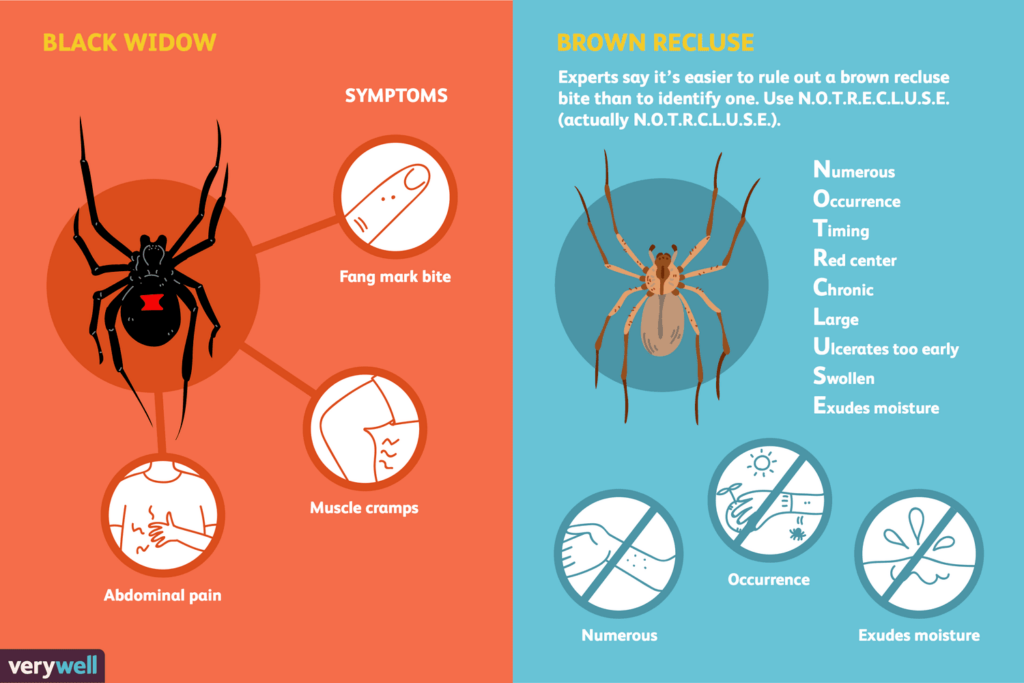
Geographical location plays a significant role in determining the risk of spider bites. Regions with high spider populations are more likely to have encounters with spiders and their bites. Whether you live in a rural or urban area, it is important to be aware of the spider species prevalent in your region and take appropriate precautions.
Environmental Conditions
Environmental conditions such as climate, moisture, humidity, and the presence of vegetation can attract spiders to certain areas. Warm climates provide an ideal breeding ground for spiders, increasing the chances of encountering them. Moisture and humidity, common in areas with high rainfall or near bodies of water, create favorable conditions for spiders to thrive. Overgrown vegetation provides shelter and food sources for spiders, making these areas more appealing to them. Additionally, dark and unkept areas, such as basements or neglected corners, can harbor spiders.
Outdoor Activities
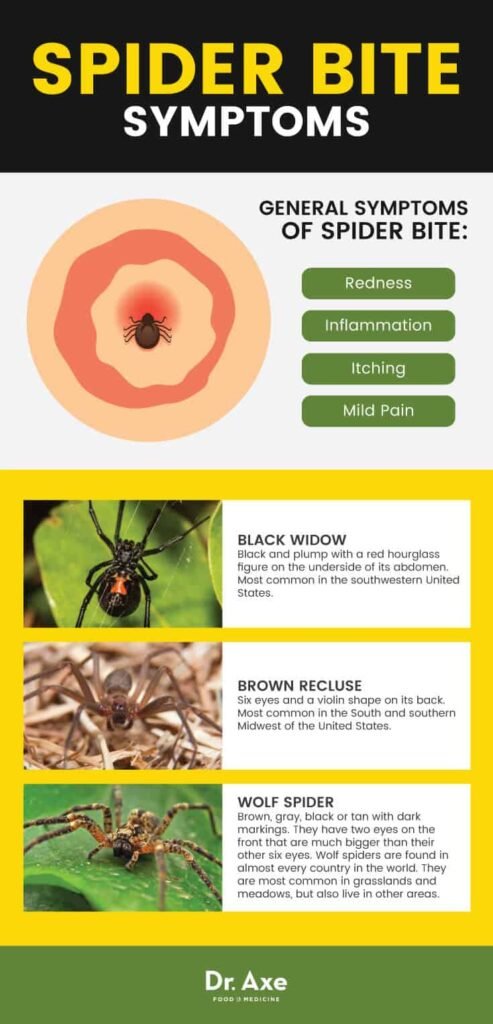
Engaging in outdoor activities can expose you to spider bites, especially if you venture into their natural habitats. Activities such as camping, hiking, trekking, gardening, and farming may bring you into close proximity with spiders. When participating in these activities, it is important to be cautious and take appropriate preventive measures.
Working in Rural Areas
People working in rural areas are at a higher risk of encountering spiders and suffering bites. Agricultural workers, construction workers, forestry workers, and miners often find themselves in environments where spiders may be more prevalent. These professions require individuals to spend a significant amount of time outdoors, increasing the chances of encountering spiders.
Living in Untidy Spaces
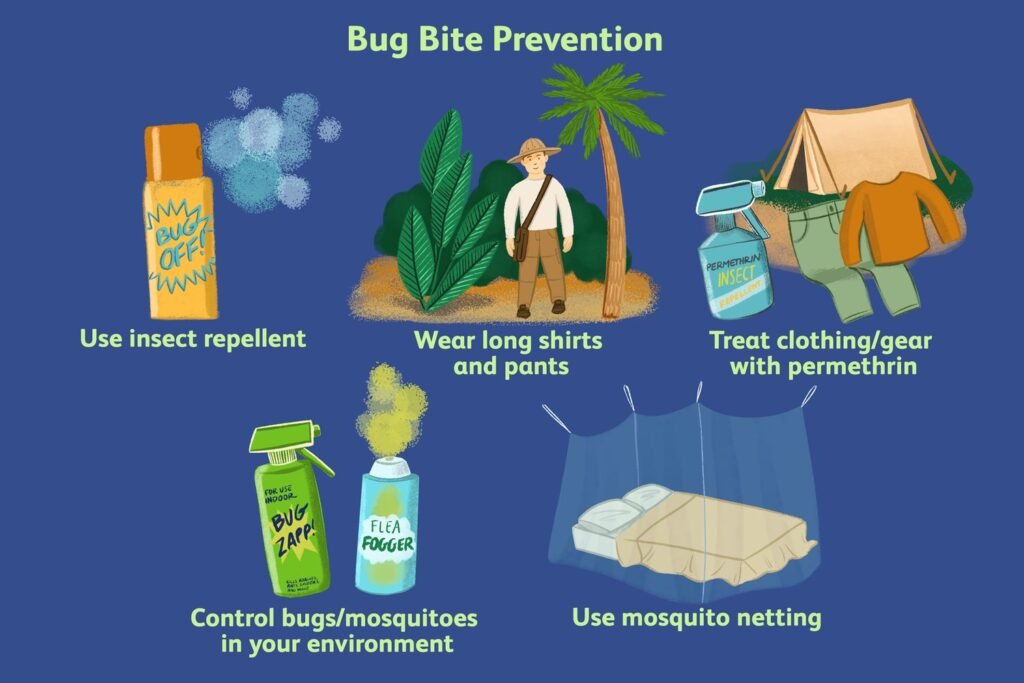
Living in untidy or cluttered spaces can attract spiders. Cluttered homes, piled-up garbage, and overgrown gardens provide ample hiding places for spiders. Spiders are more likely to inhabit these areas, increasing the risk of bites. Maintaining a clean and tidy living environment can help minimize the chances of encountering spiders.
Spider Habitat
Understanding the typical habitats where spiders reside can help you identify potential areas of risk. Spiders favor dark and hidden spaces such as crevices, cracks, basements, cellars, attics, crawl spaces, and gardens. Being aware of these common spider habitats can help you take necessary precautions when entering or cleaning these areas.
Provoking the Spider
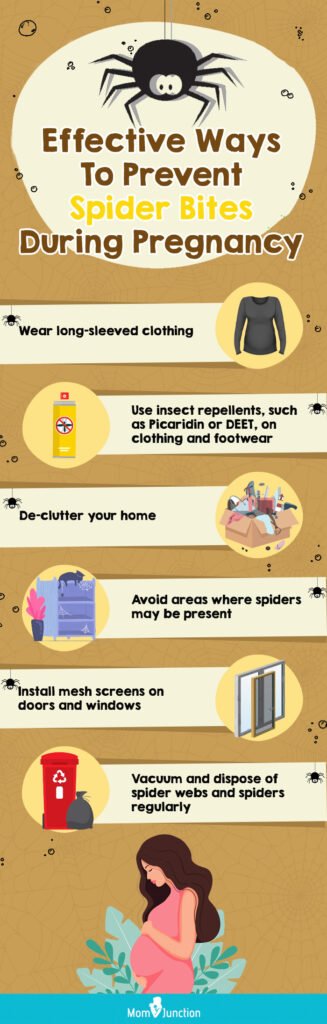
Provoking a spider, intentionally or unintentionally, may lead to a defensive bite. Disturbing spider webs or handling/mishandling spiders increases the likelihood of being bitten. Accidentally trapping spiders, such as when putting on clothes or reaching into dark areas, can also result in bites. It is important to exercise caution and avoid provoking spiders to minimize the risk of bites.
Poor Hygiene
Poor hygiene practices can attract spiders and make your living environment more appealing to them. Unclean living conditions, lack of regular cleaning, and improper waste disposal can create an environment that is frequented by spiders. Maintaining good hygiene practices, keeping your living spaces clean, and disposing of waste properly can help reduce the risk of spiders inhabiting your living areas.

Weakened Immune System
Individuals with weakened immune systems may be at a higher risk of complications from spider bites. Certain medical conditions, medications, or treatments may weaken the immune system, making it harder for the body to fight off spider venom. If you have a weakened immune system, it is important to take extra precautions to avoid spider bites and seek medical attention promptly if bitten.
Previous Spider Bite
Having had a previous spider bite increases the risk of future bites. Some individuals may develop an allergic reaction to spider venom after being bitten, making them more susceptible to subsequent bites. It is essential to take precautions to avoid future spider bites if you have had a prior incident.
In conclusion, understanding the risk factors for spider bites is crucial in taking appropriate precautions. By being aware of your geographical location, environmental conditions, engaging in outdoor activities, working in rural areas, living in untidy spaces, understanding spider habitats, avoiding provoking spiders, maintaining good hygiene, considering your immune system, and taking into account previous spider bites, you can significantly reduce the risk of encountering spiders and suffering from their bites. Stay informed and take necessary preventive measures to enjoy a spider-bite-free life.