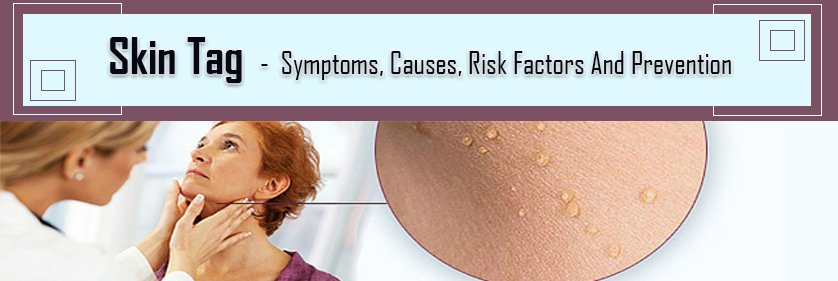
Skin tags are a common skin condition that can occur on different parts of the body. Although they are usually harmless and painless, it is important to understand the risk factors associated with skin tags and take necessary precautions to minimize their occurrence. In this article, we will explore the various risk factors that contribute to the development of skin tags and share some practical precautions that you can incorporate into your daily routine to maintain healthy skin. By being informed and proactive, you can effectively manage the risk of developing skin tags and promote optimal skin health and well-being.

Risk Factors for Skin Tags
Age
Age is a significant risk factor for developing skin tags. As you get older, the chances of having skin tags increase. They are more common in middle-aged and elderly individuals. While skin tags can occur at any age, they tend to be more prevalent as you grow older. So, don’t be surprised if you start noticing these small, fleshy growths on your skin as you age.
Obesity
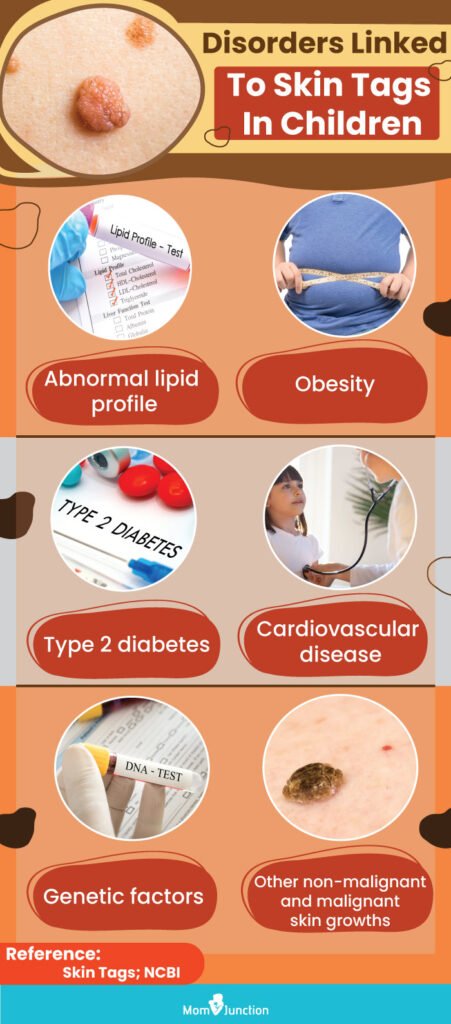
Obesity is another risk factor for developing skin tags. Research has shown a higher prevalence of skin tags in obese individuals. The excess weight contributes to increased friction and skin creases, providing the perfect environment for skin tags to develop. If you’re overweight, it’s important to be aware of this risk and take proactive measures to manage your weight.
Genetics
Your genes may also play a role in your susceptibility to skin tags. There is evidence to suggest a tendency for skin tags may be inherited. If you have a family history of skin tags, it’s important to be aware of this risk factor. Understanding your genetic predisposition can help you take the necessary precautions to prevent skin tags and effectively manage your skin health.
Pregnancy
Skin tags are a common occurrence in pregnant women. The hormonal changes during pregnancy can trigger the development of skin tags. Fluctuations in hormone levels contribute to the growth of skin tags on various parts of the body. While these skin growths are generally harmless, they can be bothersome for some pregnant women. If you’re expecting, maintaining a good skincare routine and being aware of the hormonal changes can help minimize the occurrence of skin tags.
Hormonal changes
It’s not just pregnancy that can lead to hormonal changes and subsequently increase the risk of skin tags. Hormonal fluctuations during other life stages, such as menopause and puberty, may also contribute to the formation of skin tags. These hormonal imbalances affect the body’s natural processes, including the growth of skin cells. If you’re going through a hormonal change, it’s important to be mindful of this risk factor and take appropriate precautions to keep your skin healthy.
Diabetes
People with diabetes are more prone to developing skin tags. The exact reason behind this association is not fully understood, but it is believed that insulin resistance plays a role. Insulin resistance is a condition where the body’s cells become resistant to the effects of insulin, resulting in elevated blood sugar levels. This chronic condition may lead to an increased risk of developing skin tags. If you have diabetes, it’s essential to manage your blood sugar levels and work closely with your healthcare provider to prevent and address any skin-related issues.
Certain medical conditions
There are specific medical conditions that can increase the risk of developing skin tags. Conditions like acromegaly, which involves excessive growth hormone production, can contribute to the growth of skin tags. Additionally, gastrointestinal disorders like Crohn’s disease, which affect the immune system, may also be associated with an increased risk. Imbalances in growth hormones or immune system function could be involved in the development of skin tags. If you have any underlying medical conditions, it’s important to be aware of this risk factor and consult with your healthcare provider for guidance.
Friction and irritation
Friction and irritation to the skin can contribute to the development of skin tags. Areas of the body where skin rubs against skin or clothing are particularly vulnerable. The constant friction and irritation can cause the skin to form small, harmless growths known as skin tags. Pay attention to areas where your skin experiences repeated friction, such as the neck, underarms, and groin area. Taking care to minimize friction and irritation can help prevent skin tags from forming in these areas.
Sun exposure
Excessive sun exposure can have various effects on the skin. Apart from increasing the risk of skin cancer and premature aging, it can also contribute to the development of skin tags. Prolonged exposure to harmful ultraviolet (UV) radiation can lead to skin damage and result in the formation of skin tags. To protect your skin from both skin tags and other sun-related issues, it’s important to practice sun safety. This includes wearing protective clothing, using sunscreen with a high SPF, and seeking shade during peak UV hours.
Certain medications
Some medications may also increase the risk of developing skin tags. While the connection between specific drugs and skin tags is not fully understood, there have been reports of certain medications being associated with their development. If you’re taking any medications on a regular basis, it’s always a good idea to discuss potential side effects with your healthcare provider. They can advise you on any precautions you should take to minimize the risk of skin tags.
Precautions to Prevent Skin Tags
Maintaining a healthy weight
As discussed earlier, obesity is a risk factor for skin tags. Therefore, maintaining a healthy weight is an important precautionary measure to prevent skin tags. By adopting a balanced diet and incorporating regular exercise into your routine, you can keep your weight under control and reduce the risk of developing skin tags. Additionally, a healthy lifestyle promotes overall skin health and can contribute to the prevention of various skin conditions.
Avoiding excessive sun exposure
Protecting your skin from excessive sun exposure is crucial in preventing not just skin tags, but also other skin-related issues. Make sure to limit your time in the sun, especially during peak UV hours. Wear protective clothing like wide-brimmed hats and long-sleeved shirts, and always use sunscreen with a high SPF. These precautions will help shield your skin from the harmful effects of UV radiation and reduce the risk of developing skin tags.
Managing diabetes
If you have diabetes, carefully managing your condition is essential in preventing the development of skin tags. Keeping your blood sugar levels under control through medication, dietary changes, and regular exercise can minimize the risk. Work closely with your healthcare provider to create a comprehensive diabetes management plan that includes proper skincare to promote skin health and reduce the likelihood of skin tags.
Keeping the skin clean and dry
Good hygiene habits are crucial in preventing the formation of skin tags. Keeping the skin clean and dry helps minimize the risk of bacteria and other irritants that can contribute to skin tag development. Regularly showering or bathing, using mild soaps or cleansers, and gently patting the skin dry are simple yet effective precautions you can take to keep your skin healthy and reduce the chances of developing skin tags.
Using appropriate clothing and accessories
Avoid wearing clothing and accessories that may cause excessive friction or irritation to the skin. Opt for loose-fitting clothes made from soft fabrics that allow your skin to breathe. Choose accessories with smooth surfaces and avoid anything that may rub against the skin, especially in areas prone to skin tag formation. By selecting the right clothing and accessories, you can minimize friction and reduce the risk of developing skin tags.
Avoiding tight or restrictive clothing
Tight or restrictive clothing can contribute to friction and irritation, making it easier for skin tags to form. Opt for clothing that provides a comfortable fit without being overly tight or restrictive. Restrictive clothing may create constant pressure on the skin, leading to skin creases and an increased risk of skin tags. By choosing clothing that allows freedom of movement and does not cause unnecessary pressure on the skin, you can lower the risk of developing skin tags.
Taking care during pregnancy
Pregnancy comes with its own set of hormonal changes that can increase the risk of skin tags. While you can’t prevent these hormonal fluctuations, you can take precautions to minimize the occurrence of skin tags during pregnancy. Maintain a good skincare routine, regularly cleanse and moisturize your skin, and be gentle when handling your skin. By being mindful of these precautions, you can help minimize skin tag formation during this temporary phase.
Using proper skincare routine
A proper skincare routine is essential for maintaining healthy skin and preventing various skin conditions, including skin tags. Cleanse your skin using mild, non-irritating cleansers, and moisturize regularly to keep your skin hydrated. Use skincare products that are suitable for your skin type and avoid harsh chemicals that may cause irritation. By following a consistent and personalized skincare routine, you can promote overall skin health and minimize the risk of developing skin tags.
Avoiding frequent and intense skin friction
As mentioned earlier, friction and irritation to the skin are risk factors for skin tag formation. Avoid activities that involve frequent and intense skin friction to minimize the risk. For example, if you participate in sports or activities that may cause rubbing or chafing, make sure to use appropriate protective gear or clothing to reduce friction. By being conscious of activities that may lead to excessive skin friction, you can prevent skin tags from forming.
Being aware of your family history
Being aware of your family history is important in understanding your predisposition to developing skin tags. If skin tags are common among your relatives, it’s essential to take precautionary measures and closely monitor your skin health. By knowing your family history, you can be proactive in preventing skin tags and seek appropriate medical advice if needed.
In conclusion, while skin tags are generally harmless, understanding the risk factors associated with their development is crucial. Age, obesity, genetics, pregnancy, hormonal changes, diabetes, certain medical conditions, friction and irritation, sun exposure, and certain medications all play a role in the formation of skin tags. By taking precautionary measures such as maintaining a healthy weight, avoiding excessive sun exposure, managing underlying medical conditions, and practicing good skincare hygiene, you can reduce the risk of developing skin tags. Additionally, being aware of your family history regarding skin tags can help you take proactive steps to maintain healthy skin and address any concerns promptly. Remember that when it comes to skin health, prevention is always better than cure.