You probably love staying active and always being on the move, but have you ever experienced a snapping sensation in your hip while engaging in physical activities? If so, you may be familiar with Snapping Hip Syndrome, a condition that can cause discomfort and limited mobility. In this article, we will explore the risk factors associated with this syndrome and provide some valuable precautions to help you prevent or manage it effectively. So, let’s dive into the world of Snapping Hip Syndrome and keep you moving pain-free!
Risk Factors for Snapping Hip Syndrome
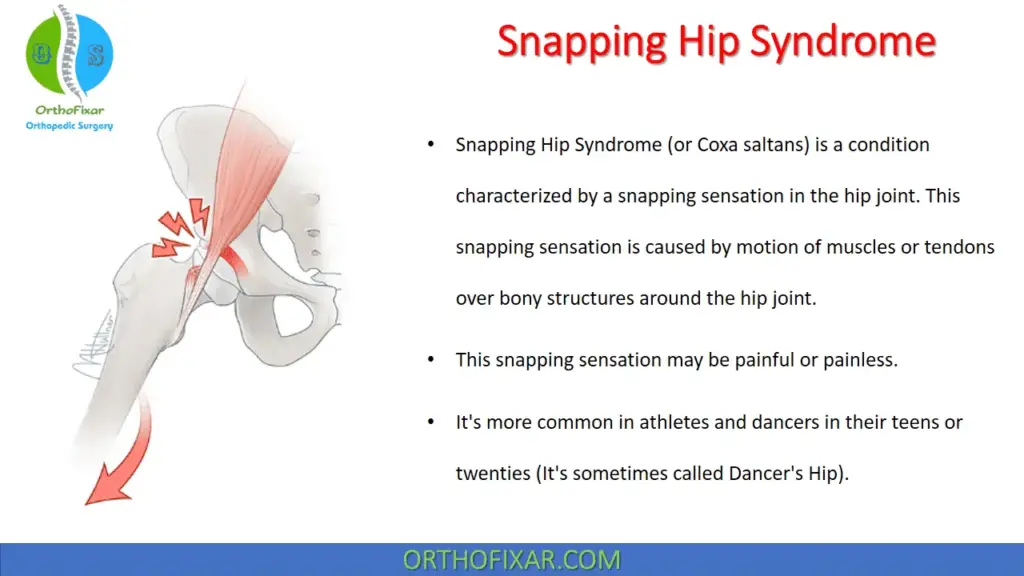
Snapping Hip Syndrome, also known as coxa saltans, is a condition characterized by a snapping or popping sensation in the hip joint. This condition can be caused by various factors, including age, gender, sports and activities, hip anatomy, joint laxity, muscle imbalances, and previous hip injuries. By understanding these risk factors, you can take necessary precautions to prevent the occurrence of Snapping Hip Syndrome.
Age
Age plays a crucial role in the development of Snapping Hip Syndrome. Adolescents and young adults are particularly susceptible to this condition. During adolescence, the body undergoes significant growth and development, which can lead to imbalances in muscle strength, flexibility, and joint stability. Young adults often engage in high-intensity sports and physical activities, increasing the strain on their hip joint and surrounding structures.
Gender
Females are more prone to experiencing Snapping Hip Syndrome than males. This may be attributed to anatomical differences, hormonal influences, and variations in muscle strength and flexibility. The wider hip structure commonly seen in females can contribute to increased friction and snapping in the hip joint.
Sports and Activities
Certain sports and activities have a higher risk of developing Snapping Hip Syndrome. Dancers, for example, frequently perform repetitive movements that involve hip flexion and extension. This constant motion can irritate the tendons and muscles surrounding the hip joint, leading to snapping sensations. Athletes involved in sports such as soccer, basketball, and football may also be at a higher risk due to the frequent pivoting and sudden movements involved. Cyclists, runners, and weightlifters are also more susceptible to this condition due to the repetitive nature of their movements and the significant impact on the hip joint.
Hip Anatomy
The anatomical structure of the hip can contribute to the development of Snapping Hip Syndrome. Anatomical variations, such as a shallow hip socket or an abnormal distribution of soft tissues, can lead to increased friction and snapping during hip movements. The shape and alignment of the hip joint also play a significant role in this condition. If the hip joint is misaligned or doesn’t fit together properly, it can lead to impingement and snapping sensations.
Joint Laxity
Joint laxity refers to excessive looseness or hypermobility in the joints. Individuals with loose ligaments or hypermobile joints may experience increased snapping in the hip joint due to the excessive range of motion. This can cause the tendons and muscles around the hip to move abnormally, leading to snapping sensations.
Muscle Imbalances
Muscle imbalances are another significant risk factor for Snapping Hip Syndrome. Tight hip flexors, weak hip abductors, and imbalanced hip rotators can all contribute to abnormal hip mechanics and increased snapping sensations. Tight hip flexors can pull the hip forward, causing the tendons to snap over the bony prominences. Weak hip abductors can lead to poor hip stability and improper alignment, increasing friction in the joint. Imbalanced hip rotators, such as tight external rotators and weak internal rotators, can also lead to snapping sensations during hip movements.
Previous Hip Injuries
Individuals who have previously experienced hip injuries are at an increased risk of developing Snapping Hip Syndrome. Injuries such as hip labral tears, hip tendinitis, hip bursitis, hip fractures, and hip dislocations can alter the structural integrity of the hip joint, leading to abnormal movements and increased snapping sensations. Rehabilitation following these injuries is crucial to restore proper hip mechanics and reduce the risk of Snapping Hip Syndrome.
Precautions for Snapping Hip Syndrome
While it may not be possible to completely prevent Snapping Hip Syndrome, there are several precautions that can be taken to minimize its occurrence and manage the symptoms effectively.
Proper Warm-up and Stretching
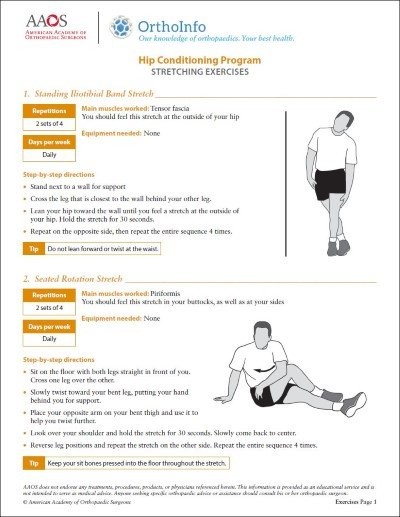
Engaging in proper warm-up exercises and incorporating stretching routines specific to the hip joint can help improve flexibility and reduce muscle imbalances. It is important to warm up the hip joint adequately before engaging in any physical activity to prepare the muscles, tendons, and ligaments for movement. Stretching exercises should focus on the hip flexors, abductors, rotators, and surrounding muscles to maintain optimal hip mechanics.
Gradual Increase in Intensity
Avoiding sudden increases in the intensity and duration of physical activities is vital to reduce stress on the hip joint. Gradually building up the intensity and duration of exercise allows the muscles, tendons, and ligaments to adapt and strengthen over time, minimizing the risk of snapping sensations.
Avoid Overuse
Overuse of the hip joint can lead to increased friction and irritation, contributing to Snapping Hip Syndrome. It is important to listen to your body and avoid excessive repetitive movements that strain the hip joint. Taking regular breaks and incorporating cross-training activities can help reduce the strain on the hip and prevent overuse injuries.
Strengthening Exercises
Specific exercises targeting the hip muscles can be beneficial in preventing Snapping Hip Syndrome. Strengthening the hip abductors, rotators, and gluteal muscles can help improve stability, proper alignment, and overall hip mechanics. This can be achieved through exercises such as side-lying leg lifts, clamshells, hip bridges, and external/internal rotation exercises.
Core Stability Training
Maintaining a strong and stable core is essential for optimal hip function. Core stability exercises, including planks, bird dogs, and abdominal strengthening exercises, can help improve overall body mechanics and reduce unnecessary strain on the hip joint.
Balanced Muscle Training
It is important to maintain a balanced approach to muscle training to prevent muscle imbalances. Engaging in exercises that target all muscle groups surrounding the hip joint can help ensure the proper distribution of forces and minimize the risk of snapping sensations.
Proper Technique and Form
Maintaining proper technique and form during physical activities is crucial to reduce the risk of Snapping Hip Syndrome. It is advisable to seek professional guidance, such as a qualified trainer or coach, to ensure correct execution of movements, appropriate body mechanics, and optimal joint alignment.
Seek Professional Guidance
If you experience persistent or worsening snapping sensations in the hip joint, it is essential to seek professional guidance from a healthcare provider or a physical therapist. They can assess your condition, identify any underlying causes, and provide appropriate treatment and guidance to manage the symptoms effectively.
Avoid Overloading Joints
To prevent the occurrence of Snapping Hip Syndrome, it is crucial to avoid overloading the hip joint. This can be achieved by maintaining a healthy body weight, avoiding excessive strain on the hip joint during physical activities, and using appropriate protective gear when needed.
Maintain Good Posture
Maintaining good posture, both while standing and sitting, can help reduce unnecessary stress on the hip joint. It is important to be mindful of your posture throughout the day and make necessary adjustments to ensure optimal alignment of the spine and hips.
By understanding the risk factors and taking necessary precautions, you can minimize the occurrence of Snapping Hip Syndrome and maintain a healthy hip joint. Remember to listen to your body, engage in proper warm-up and stretching routines, incorporate balanced muscle training, and seek professional guidance when needed. Taking care of your hip joint will not only prevent Snapping Hip Syndrome but also contribute to overall physical well-being and performance.