
Are you struggling to get a good night’s sleep? Sleep disorders can significantly impact your overall well-being and daily functioning. In this article, we will explore the various risk factors that contribute to sleep disorders and discuss essential precautions that can help improve your sleep quality. From lifestyle choices to underlying medical conditions, understanding these factors can empower you to take proactive steps towards better sleep. So, let’s dive into this informative journey and discover the key aspects of managing sleep disorders.
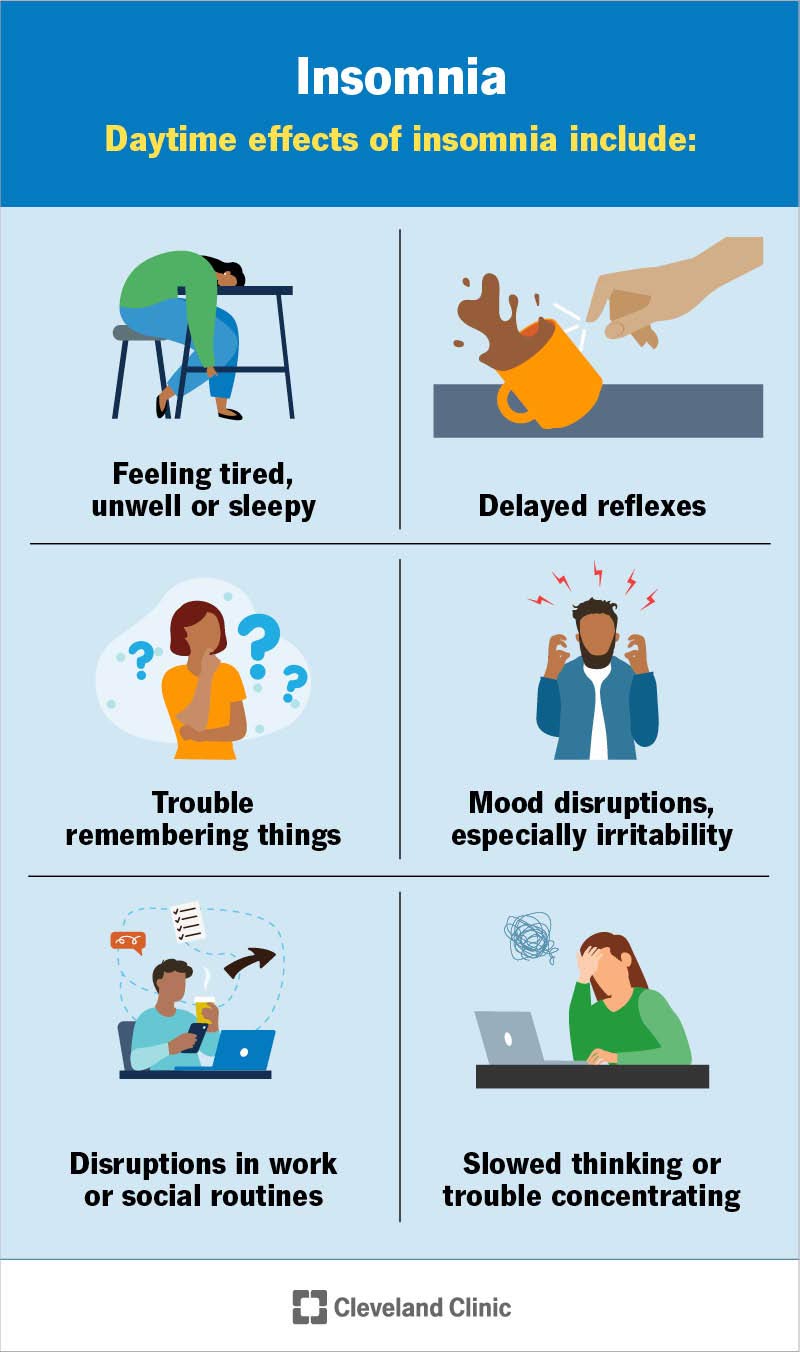
Risk Factors
Genetic Factors
Genetics play a significant role in determining an individual’s risk for developing sleep disorders. If you have a family history of sleep disorders such as insomnia, sleep apnea, or restless legs syndrome, you may be more likely to experience sleep problems yourself. However, it is important to remember that genetics are not the sole determining factor, and lifestyle and environmental factors also come into play.
Age
Age is another risk factor that can influence the development of sleep disorders. As we age, our sleep patterns naturally change. Older adults may experience difficulties falling asleep, staying asleep, or both. This can be attributed to changes in melatonin production, increased medical conditions, or the use of certain medications. It is important for older adults to be aware of these changes and take necessary precautions to ensure healthy sleep.
Medical Conditions
Several medical conditions can contribute to the development of sleep disorders. Conditions such as chronic pain, respiratory disorders, epilepsy, and psychiatric disorders can disrupt sleep patterns and hinder the ability to get restful sleep. It is crucial for individuals with these medical conditions to seek proper treatment and support to manage their sleep health effectively.
Psychological Factors
Psychological factors, such as stress, anxiety, and depression, can significantly impact sleep quality. Ongoing stress and emotional disturbances can make it difficult to relax and fall asleep, as well as contribute to frequent awakenings throughout the night. Addressing and managing these psychological factors is essential to maintain a healthy sleep routine.
Medications
Certain medications can interfere with the quality of sleep. Stimulant medications, antidepressants, and medications used to treat high blood pressure or asthma can disrupt sleep patterns and make it difficult to fall asleep or stay asleep. If you are taking any medications and experiencing sleep problems, it is important to discuss this with your healthcare provider and explore alternative options if necessary.
Substance Abuse
Substance abuse, including the excessive use of alcohol, caffeine, and other drugs, can have a detrimental effect on sleep. While alcohol may initially induce drowsiness, it can disrupt the natural sleep cycle, leading to fragmented and poor-quality sleep. Similarly, caffeine can interfere with sleep by stimulating the nervous system and making it difficult to fall asleep. It is important to moderate the consumption of these substances and avoid using them close to bedtime.
Shift Work
For individuals who work night shifts or rotating shifts, maintaining regular sleep patterns can be challenging. The disruption to the body’s natural circadian rhythm can lead to sleep disturbances and an increased risk of developing sleep disorders. It is crucial for shift workers to establish a consistent sleep schedule and create a sleep environment conducive to quality rest, even during non-traditional hours.
Environmental Factors
Environmental factors can also contribute to sleep problems. Noises, temperature extremes, and uncomfortable mattresses or pillows can disrupt sleep and prevent you from getting the rest you need. Creating a calm and serene sleep environment can significantly improve the quality of your sleep.
Sleep Environment
The sleep environment plays a crucial role in ensuring restful sleep. A dark, quiet, and cool room promotes relaxation and supports healthy sleep. It is essential to eliminate any sources of noise or light that may disrupt your sleep. Investing in blackout curtains, earplugs, or a white noise machine can help create the ideal sleep environment.
Poor Sleep Hygiene
Inadequate sleep hygiene practices can contribute to the development of sleep disorders. Poor sleep hygiene includes habits such as irregular sleep schedules, napping excessively, using electronic devices before bed, and consuming heavy meals or stimulating beverages close to bedtime. By establishing good sleep hygiene habits, you can optimize your sleep quality and reduce the risk of sleep disorders.
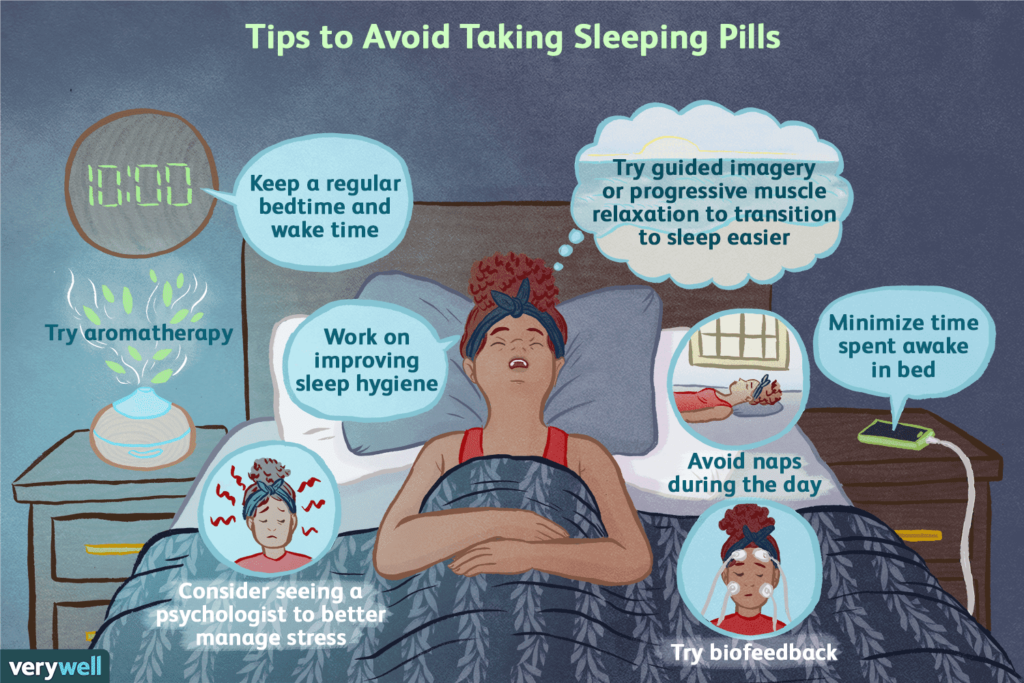
Precautions
Healthy Lifestyle
Maintaining a healthy lifestyle is essential for promoting good sleep. Regular exercise, a balanced diet, and avoiding excessive alcohol and caffeine consumption can all contribute to improved sleep quality. By taking care of your overall well-being, you are creating a foundation for healthy and restful sleep.
Establish a Bedtime Routine
Creating a consistent bedtime routine can signal to your body that it is time to relax and prepare for sleep. Engaging in relaxing activities such as reading, taking a warm bath, or practicing deep breathing exercises before bed can help transition your mind and body into a state of rest.
Create a Comfortable Sleep Environment
Investing in a comfortable mattress, supportive pillows, and appropriate bedding can make a significant difference in your sleep quality. Additionally, ensuring your sleep environment is free from distractions, such as excessive noise or light, can greatly enhance your ability to get a good night’s rest.
Maintain a Regular Sleep Schedule
Keeping a consistent sleep schedule, even on weekends, can help regulate your body’s internal clock and promote healthy sleep patterns. Going to bed and waking up at the same time every day helps establish a routine that aligns with your body’s natural sleep-wake cycle.
Limit Caffeine and Alcohol Intake
Caffeine and alcohol can both disrupt sleep patterns and hinder the ability to fall asleep. It is advisable to limit caffeine intake, particularly in the afternoon and evening, to allow your body enough time to metabolize it before bedtime. Similarly, while alcohol may initially induce drowsiness, it can lead to fragmented and shallow sleep, negatively impacting overall sleep quality.
Avoid Electronic Devices Before Bed
The blue light emitted by electronic devices such as smartphones, tablets, and computers can interfere with the natural production of melatonin, a hormone that helps regulate sleep-wake cycles. Avoiding the use of electronic devices at least an hour before bed can facilitate the onset of sleep and improve sleep quality.
Manage Stress Levels
Stress and anxiety can significantly impact sleep quality. Engaging in stress-reducing activities such as meditation, yoga, or journaling can help calm the mind and promote relaxation. Finding healthy ways to manage stress during the day can contribute to a better night’s sleep.
Exercise Regularly
Regular exercise has numerous benefits, including improving sleep quality. Engaging in moderate-intensity exercise, such as brisk walking or cycling, can promote more restful sleep. However, it is important to avoid vigorous exercise too close to bedtime, as it can increase alertness and make it harder to fall asleep.
Seek Treatment for Medical Conditions
If you have underlying medical conditions that are affecting your sleep, it is crucial to seek appropriate treatment and support. Working closely with healthcare professionals to manage these conditions can significantly improve your sleep health and overall well-being.
Avoid Substance Abuse
Substance abuse, including the excessive use of alcohol, drugs, or medications, can have severe negative effects on sleep. It is important to avoid using these substances as a means to cope with sleep problems, as they may provide only temporary relief and can ultimately worsen sleep disorders. Seeking professional help and utilizing healthier coping mechanisms is essential for long-term sleep health.
In conclusion, recognizing and addressing the risk factors associated with sleep disorders is crucial for maintaining good sleep health. By implementing the suggested precautions, including maintaining a healthy lifestyle, establishing a bedtime routine, creating a comfortable sleep environment, and seeking appropriate treatment, you can promote restful sleep and reduce the risk of developing sleep disorders. Remember, prioritizing your sleep is an investment in your overall well-being and quality of life. Sweet dreams!
