
Staph infections can be a cause for concern, but by understanding the risk factors and taking necessary precautions, you can minimize your chances of developing one. In this article, we will explore the various risk factors associated with staph infections and provide practical tips to protect yourself from this common bacterial infection. Whether you’re a healthcare professional, an athlete, or simply someone who wants to ensure their well-being, this article will provide valuable insights to help you stay healthy and infection-free. So let’s dive in and learn more about the risk factors and precautions for staph infection!
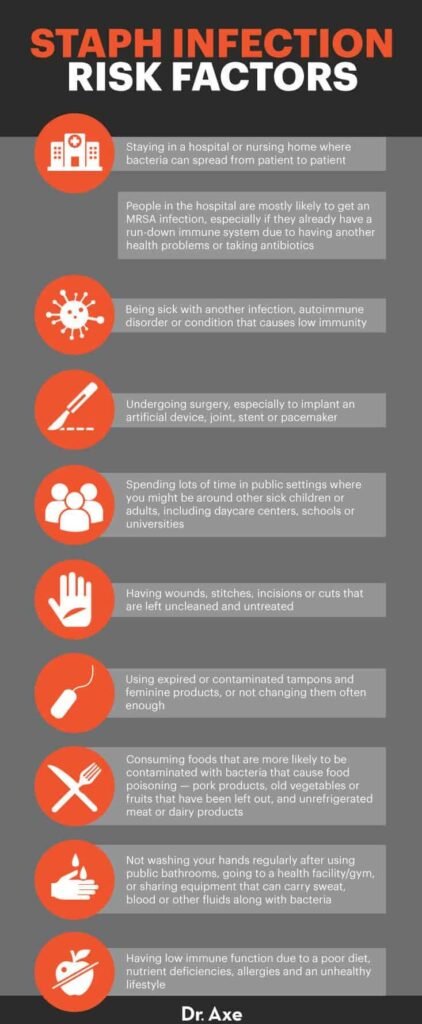
Risk Factors for Staph Infection
Staph infection, short for Staphylococcus infection, is caused by the Staphylococcus bacteria, which can lead to a variety of health problems ranging from minor skin infections to more serious and life-threatening conditions. While Staph bacteria normally reside harmlessly on the skin and in the nose, certain risk factors can increase the chances of developing an infection. By understanding and recognizing these risk factors, you can take appropriate precautions to reduce the risk of acquiring a Staph infection.
Direct Contact
Direct contact with someone who has a Staph infection is one of the primary ways the bacteria can spread. This occurs when you come into close contact with the infected person’s skin, usually through activities such as shaking hands, hugging, or participating in contact sports. The bacteria can also be transmitted through contact with personal items, such as clothing, towels, or bedding, contaminated with Staph bacteria.
To minimize the risk of direct contact, it is important to practice good hygiene habits, such as frequent handwashing with soap and water. Avoid sharing personal items that come into contact with your skin, and utilize disposable or washable barriers in settings where close contact is unavoidable, such as sport activities or healthcare facilities.
Open Wounds or Skin Breaks
Open wounds or breaks in the skin provide an entryway for Staph bacteria to penetrate and cause infection. Injuries such as cuts, burns, surgical wounds, or even insect bites can create opportunities for the bacteria to enter the body. Additionally, certain chronic skin conditions, such as eczema or psoriasis, can compromise the skin’s protective barrier, making it more susceptible to Staph infection.
Proper wound care is essential to reduce the risk of infection. Clean and cover any cuts, abrasions, or skin breaks promptly with a sterile dressing. Avoid scratching or picking at scabs to prevent further skin damage. If you have a chronic skin condition, consult with a healthcare professional for appropriate management strategies to minimize the risk of infection.
Compromised Immune System
A compromised immune system can significantly increase the likelihood of developing a Staph infection. Conditions that weaken the immune system, such as HIV/AIDS, cancer, diabetes, or chronic steroid use, impair the body’s ability to fight off bacterial infections effectively. Medications that suppress the immune system, including chemotherapy drugs and immunosuppressants, can further compromise the body’s defenses.
If you have an underlying condition that compromises your immune system, it is crucial to work closely with your healthcare provider to manage your condition effectively. Adhering to prescribed medications, receiving appropriate vaccinations, and adopting a healthy lifestyle can help bolster your immune system and reduce the risk of Staph infection.
Hospital or Healthcare Setting
Hospitals and other healthcare settings can be hotspots for Staph infections due to the high concentration of sick individuals, frequent use of medical devices and invasive procedures, and numerous opportunities for direct contact with contaminated surfaces and healthcare workers.
In healthcare settings, strict infection control protocols are implemented to minimize the risk of spreading Staph infections. These measures include thorough hand hygiene practices, appropriate use of personal protective equipment, routine cleaning and disinfection of equipment and surfaces, and isolation precautions for infected or colonized patients. As a patient or visitor, you should also actively participate in infection control efforts, such as hand hygiene and following any isolation precautions or visitor restrictions.
Sharing Personal Items
Sharing personal items, especially those that come into direct contact with the skin, can be another route of Staph bacteria transmission. Items such as razors, towels, athletic equipment, hairbrushes, and clothes can harbor and transmit the bacteria.
To reduce the risk of Staph infection through shared personal items, it is important to avoid sharing items that come into contact with your skin. Use separate towels and personal care items, such as razors and toothbrushes, and regularly wash and disinfect any shared equipment or clothing.
Poor Hygiene Practices
Maintaining good personal hygiene is essential in preventing Staph infections. Poor hygiene, such as infrequent handwashing, unwashed clothes or bed linens, and neglecting to clean yourself properly, can promote the growth and spread of Staph bacteria.
To minimize the risk associated with poor hygiene practices, ensure that you wash your hands frequently using soap and water for at least 20 seconds, especially before eating, after using the restroom, and after coming into contact with potentially contaminated surfaces. Regularly change and launder clothes, towels, and bed linens, and follow a proper daily hygiene routine, including bathing or showering, and regular cleaning of the skin.
Living in Crowded Conditions
Living in crowded conditions, such as dormitories, military barracks, or correctional facilities, can increase the risk of Staph infection due to the close proximity and frequent contact with other individuals. In these densely populated environments, the bacteria can easily spread from person to person through direct contact or contaminated surfaces.
Although it may not always be possible to avoid crowded living situations, there are preventive measures that can be taken to reduce the risk of Staph infection. These include maintaining good personal hygiene, practicing regular handwashing, avoiding direct contact with individuals who have visible signs of infection, and promptly reporting any skin breaks or symptoms of infection to a healthcare professional.
Pre-existing Skin Conditions
Having pre-existing skin conditions, such as eczema, psoriasis, or dermatitis, can make the skin more vulnerable to Staph infection. These conditions can disrupt the skin’s protective barrier and create an environment conducive to bacterial growth.
If you have a pre-existing skin condition, it is important to work closely with a dermatologist or other healthcare provider to manage and treat your condition effectively. Following a regular skincare routine, using appropriate moisturizers and prescribed medications, and promptly seeking medical attention for any signs of infection can help prevent Staph infections.
Use of Intravenous Drugs
The use of intravenous (IV) drugs can significantly increase the risk of Staph infection. IV drug use directly introduces bacteria into the bloodstream, bypassing the body’s natural defense mechanisms and providing an ideal environment for bacterial growth.
Avoiding the use of IV drugs altogether is the best way to prevent Staph infection in this context. Additionally, seeking help for addiction and participating in substance abuse programs can assist in reducing the risk of infection and promoting overall health and well-being.
Previous Staph Infection
Having had a previous Staph infection also represents a risk factor for future infections. Once a person has been infected, they may become colonized with Staph bacteria, which means the bacteria persist on or in their body without causing illness. Colonization can lead to recurrent infections or increase the risk of passing the bacteria to others.
To reduce the risk of reinfection or transmission after a previous Staph infection, it is essential to follow proper hygiene practices and take necessary precautions, such as thorough handwashing, covering any skin breaks, and avoiding direct contact with open wounds or infected individuals.

Precautions to Prevent Staph Infection
While it is not always possible to eliminate all risk factors associated with Staph infection, there are several precautions you can take to minimize your chances of acquiring an infection. By incorporating these preventive measures into your daily routine, you can significantly reduce the risk of Staph infection and promote your overall health.
Frequent Handwashing
One of the most effective preventive measures against Staph infection is frequent and proper handwashing. Washing your hands with soap and water for at least 20 seconds helps remove and kill bacteria, including Staphylococcus.
Make it a habit to wash your hands thoroughly before and after eating, after using the restroom, and after any activity that involves direct contact with potentially contaminated surfaces or individuals. Utilize hand sanitizers when soap and water are not readily available, but remember that hand sanitizers should not be used as a substitute for handwashing in situations where hands are visibly soiled or contaminated.
Proper Wound Care
Proper wound care is crucial in preventing Staph infections, especially if you have open wounds or skin breaks. Clean the wound with mild soap and water, removing any dirt or debris, and cover it with a sterile dressing or bandage. Keep the wound clean and dry, and change the bandage regularly or as instructed by a healthcare professional.
If you notice any signs of infection, such as increased pain, swelling, redness, or drainage from the wound, seek medical attention promptly. Prompt treatment of infected wounds can help prevent the infection from spreading and leading to more serious complications.
Avoiding Direct Contact
As Staph infections primarily spread through direct contact, avoiding close contact with individuals who have visible signs of infection, such as skin lesions or boils, can reduce the risk of transmission. If you need to care for someone with a Staph infection, follow proper infection control measures, such as wearing gloves or utilizing disposable barriers, to minimize direct contact with the infected area.
Maintaining Cleanliness in Hospitals
If you are a healthcare professional or a visitor in a hospital or healthcare setting, maintaining cleanliness and adhering to infection control practices is vital in preventing the spread of Staph infections.
Follow all hand hygiene protocols, including proper handwashing and the use of hand sanitizers or antiseptic solutions when appropriate. Wear appropriate personal protective equipment, such as gloves and gowns, when handling potentially contaminated materials or when providing direct care to patients with Staph infections. Regularly clean and disinfect frequently-touched surfaces and medical equipment using appropriate disinfectants.
Personal Item Hygiene
To minimize the risk of Staph infection through personal items, it is essential to practice good personal hygiene and maintain cleanliness in your everyday life. Avoid sharing personal items that come into direct contact with your skin, such as towels, razors, hairbrushes, and clothing. If sharing is unavoidable, ensure that these items are properly cleaned and disinfected before use.
Regularly wash and replace items that can harbor bacteria, such as bed linens, clothing, and towels. Launder these items in hot water and dry them thoroughly to eliminate any potential bacteria.
Maintaining Good Personal Hygiene
Maintaining good personal hygiene is key in preventing Staph infections. Adopt a daily routine that includes bathing or showering using mild soap and warm water. Pay particular attention to areas prone to bacterial growth, such as the armpits, groin, and feet. Dry your skin thoroughly, especially in skin folds or areas susceptible to moisture, as excess moisture can encourage bacterial growth.
