
Restless Legs Syndrome (RLS) is a neurological disorder that affects millions of people worldwide, causing uncomfortable sensations in the legs and an irresistible urge to move them. In this article, you will discover the various risk factors associated with RLS, including genetics, age, and certain medical conditions. Additionally, we will explore the precautions and lifestyle changes that can help alleviate the symptoms of RLS and improve the quality of your sleep. So, grab a cup of tea, sit back, and let’s delve into the fascinating world of restless legs syndrome.

Risk Factors for Restless Legs Syndrome
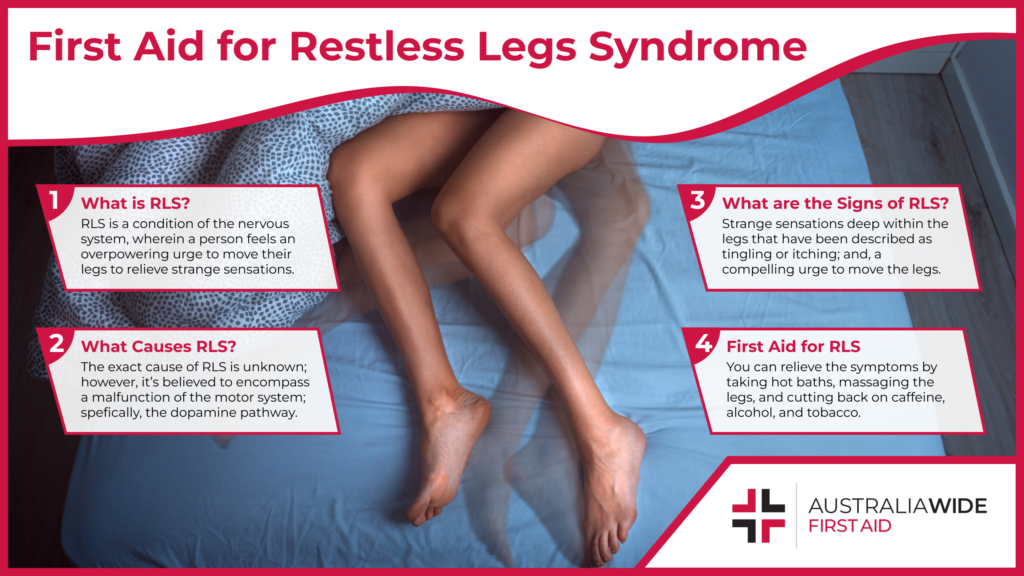
Restless Legs Syndrome (RLS) is a condition characterized by an irresistible urge to move the legs, often accompanied by uncomfortable sensations. While the exact cause of RLS is still unknown, there are several risk factors that have been identified. Understanding these risk factors can help individuals recognize their own susceptibility to RLS and take necessary precautions to manage the condition effectively.
Genetic Factors
One of the major risk factors for RLS is genetic predisposition. Research has shown that RLS tends to run in families, with individuals having a first-degree relative who also experiences the condition being at a higher risk. In addition to family history, specific gene mutations have also been associated with an increased likelihood of developing RLS. Genetic factors play a crucial role in determining an individual’s susceptibility to RLS, and understanding one’s family history can help identify the risk of developing the condition.

Age
Age is another significant risk factor for RLS. The prevalence of RLS tends to increase with age, with older adults being more susceptible to the condition. Advanced age can exacerbate the symptoms of RLS and make it more challenging to manage. However, it is important to note that RLS can occur at any age, and there is also a phenomenon known as early-onset RLS, which affects individuals in their early years of life. Age-related changes in the nervous system and the circulatory system may contribute to the development of RLS symptoms.
Gender
Gender plays a role in the risk of developing RLS, with women being more commonly affected than men. It is estimated that women have twice the risk of developing RLS compared to men. Hormonal changes throughout a woman’s life, such as during pregnancy and menopause, can contribute to the onset or worsening of RLS symptoms. The exact mechanisms behind the gender disparity in RLS are still not fully understood, but it underscores the importance of considering gender as a risk factor.
Pregnancy
Pregnancy is a unique risk factor for RLS, primarily due to the significant hormonal changes that occur during this time. Research has shown that pregnant women are at an increased risk of developing RLS, especially during the third trimester. The exact cause of RLS during pregnancy is not yet known, but it is believed to be influenced by hormonal fluctuations, iron deficiency, and increased blood volume. Managing RLS symptoms during pregnancy can be challenging, but there are treatment options available that can provide relief without posing harm to the baby.
Iron Deficiency
Iron deficiency is another risk factor that has been strongly associated with the development of RLS. Iron plays a vital role in the production and function of dopamine, a neurotransmitter involved in muscle control and movement. When iron levels are low, dopamine activity can be disrupted, leading to the onset of RLS symptoms. Anemia, a condition characterized by low red blood cell count and hemoglobin levels, is often linked to iron deficiency and can worsen RLS symptoms. Iron supplements, as prescribed by a healthcare professional, can help alleviate RLS symptoms in individuals with iron deficiency.

Chronic Diseases
Several chronic diseases have been identified as risk factors for RLS. One such disease is End-Stage Renal Disease (ESRD), which occurs when the kidneys can no longer function adequately. ESRD can contribute to the development or worsening of RLS symptoms, potentially due to alterations in iron metabolism or accumulation of metabolic toxins. Diabetes and peripheral neuropathy, which often coexist, have also been associated with a higher risk of RLS. Additionally, Parkinson’s disease, a neurodegenerative disorder, is known to increase the risk of developing RLS symptoms.
Medications
Certain medications have been found to increase the risk of RLS or worsen existing symptoms. Antidepressants, specifically selective serotonin reuptake inhibitors (SSRIs) and serotonin-norepinephrine reuptake inhibitors (SNRIs), have been associated with RLS in some individuals. Antipsychotic medications, often used to treat psychiatric disorders, may also increase the likelihood of experiencing RLS symptoms. Other medications such as antinausea drugs, antihistamines, and calcium channel blockers have been reported to cause or exacerbate RLS symptoms. It is important to discuss any concerns or changes in RLS symptoms with a healthcare provider to explore alternative treatment options if necessary.

Substance Abuse
Substance abuse, including alcohol, nicotine, and caffeine consumption, can contribute to the development or worsening of RLS symptoms. While the exact mechanisms are not fully understood, research has shown a clear association between substance abuse and RLS. Alcohol, in particular, can disrupt sleep patterns and lead to increased restlessness in the legs. Nicotine and caffeine, both stimulants, can interfere with sleep and contribute to RLS symptoms. Avoiding or reducing substance abuse can help manage RLS symptoms and improve overall sleep quality.
Obesity
Obesity has been identified as a risk factor for developing RLS. The exact relationship between obesity and RLS is not yet fully understood, but research suggests that increased body mass index (BMI) may contribute to the development or worsening of RLS symptoms. The excess weight can put added pressure on the legs and affect circulation, potentially leading to RLS symptoms. Maintaining a healthy weight through regular physical activity and a balanced diet may help reduce the risk of RLS for individuals who are overweight or obese.
Sleep Disorders
Sleep disorders, such as sleep apnea and insomnia, are commonly associated with RLS. These disorders can disrupt the normal sleep cycle and lead to increased restlessness in the legs. In turn, RLS symptoms can further disrupt sleep, creating a vicious cycle. Managing underlying sleep disorders through appropriate treatment and lifestyle modifications can help alleviate RLS symptoms and improve overall sleep quality.
Avoiding Triggering Factors
While it may not be possible to eliminate all risk factors for RLS, there are steps you can take to minimize their impact on your symptoms. Identifying and avoiding personal triggers, such as specific foods, medications, or activities that worsen RLS symptoms, can help manage the condition more effectively. Additionally, temperature regulation, such as avoiding extreme cold or heat, can help reduce the intensity of RLS sensations. It is also essential to use caution when taking medications that may worsen RLS symptoms, ensuring that healthcare providers are aware of your condition and can offer alternative options when necessary.
In conclusion, understanding the risk factors for Restless Legs Syndrome can help individuals recognize their susceptibility to the condition and take appropriate precautions. Genetic factors, age, gender, pregnancy, iron deficiency, chronic diseases, medications, substance abuse, obesity, and sleep disorders all play a role in the onset or exacerbation of RLS symptoms. By identifying and addressing these risk factors, individuals can better manage RLS, reduce symptom severity, and improve overall quality of life. If you experience any symptoms of RLS, it is important to consult with a healthcare professional for proper diagnosis and treatment options tailored to your specific needs.