
Have you ever experienced mood swings, bloating, or irritability right before your period? If so, you may be familiar with Pre-Menstrual Syndrome (PMS). PMS refers to a combination of physical and emotional symptoms that occur in the days leading up to menstruation. While the exact cause of PMS is still unknown, researchers have identified several risk factors and precautions that can help manage these symptoms. In this article, we will explore these risk factors and provide helpful tips on how to alleviate the discomfort associated with PMS.
Risk Factors
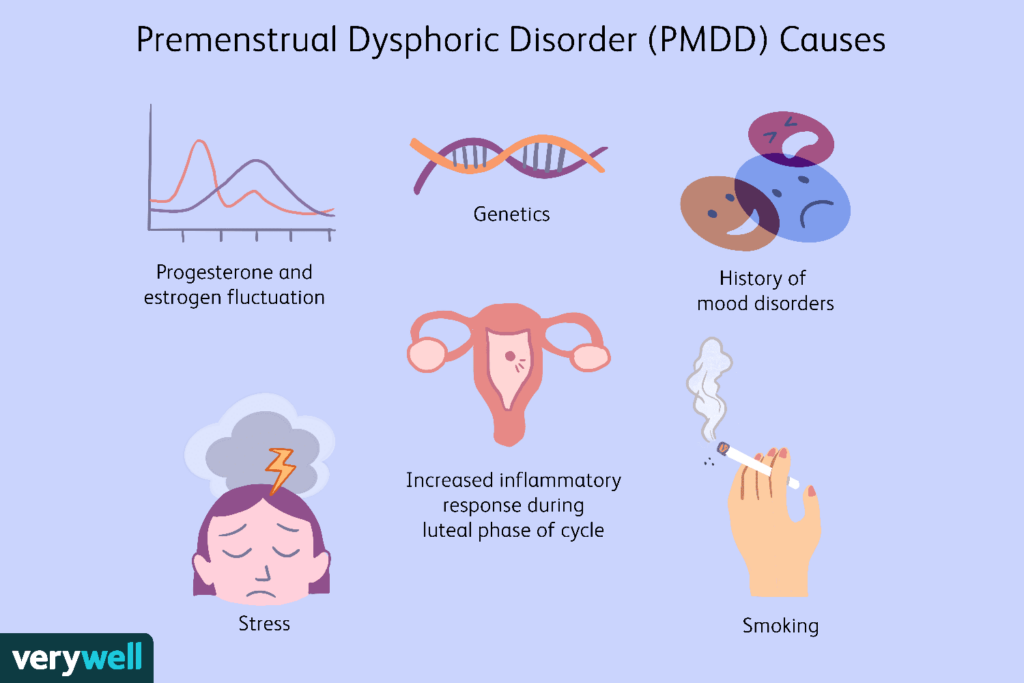
Pre-Menstrual Syndrome, commonly known as PMS, is a set of physical, emotional, and psychological symptoms that many women experience in the days leading up to their menstrual period. While the exact cause of PMS is still unclear, several risk factors have been identified that can increase a woman’s likelihood of experiencing these symptoms. By understanding these risk factors, women can take proactive steps to manage PMS and minimize its impact on their daily lives.
Hormonal Imbalances
Hormonal imbalances are often considered one of the primary causes of PMS. Fluctuations in estrogen and progesterone levels can disrupt the delicate balance within a woman’s body, leading to the onset of PMS symptoms. For some women, even the normal hormonal changes that occur during the menstrual cycle can trigger a heightened sensitivity to these fluctuations.
Genetic Factors
Family history can play a significant role in a woman’s likelihood of experiencing PMS. If a woman’s mother or sister has a history of PMS, she may also be at a higher risk of developing the syndrome. Additionally, certain inheritance patterns, such as autosomal dominant or recessive traits, can contribute to the presence of PMS in some individuals.
Psychological Factors
Psychological factors, such as depression and anxiety, can exacerbate the symptoms of PMS. Women who already struggle with these mental health conditions may find that their symptoms intensify in the days leading up to their period. Emotional trauma, such as past abuse or major life events, can also contribute to the severity of PMS symptoms. Additionally, certain personality traits, such as being highly sensitive or perfectionistic, may make women more susceptible to experiencing PMS.
Stress and Lifestyle
High levels of stress can have a significant impact on a woman’s hormonal balance, making her more susceptible to PMS symptoms. In today’s fast-paced world, many women experience chronic stress, which can disrupt their natural cycles and contribute to the onset of PMS. Poor sleep patterns, whether due to stress or other factors, can also worsen PMS symptoms. Moreover, an unhealthy diet lacking in essential nutrients can further exacerbate hormonal imbalances and intensify PMS symptoms. Lack of exercise or physical activity can lead to a sedentary lifestyle, which is associated with increased PMS symptoms.
Medical Conditions
Certain medical conditions and disorders can increase a woman’s risk of experiencing PMS. Thyroid disorders, such as hypothyroidism or hyperthyroidism, can disrupt the normal hormonal balance and contribute to the severity of PMS symptoms. Chronic illnesses, such as diabetes or autoimmune diseases, may also have an impact on a woman’s hormonal health and increase the likelihood of PMS. Endocrine disorders, which affect the functioning of the endocrine system responsible for hormone production and regulation, can also be a contributing factor to PMS.
Precautions
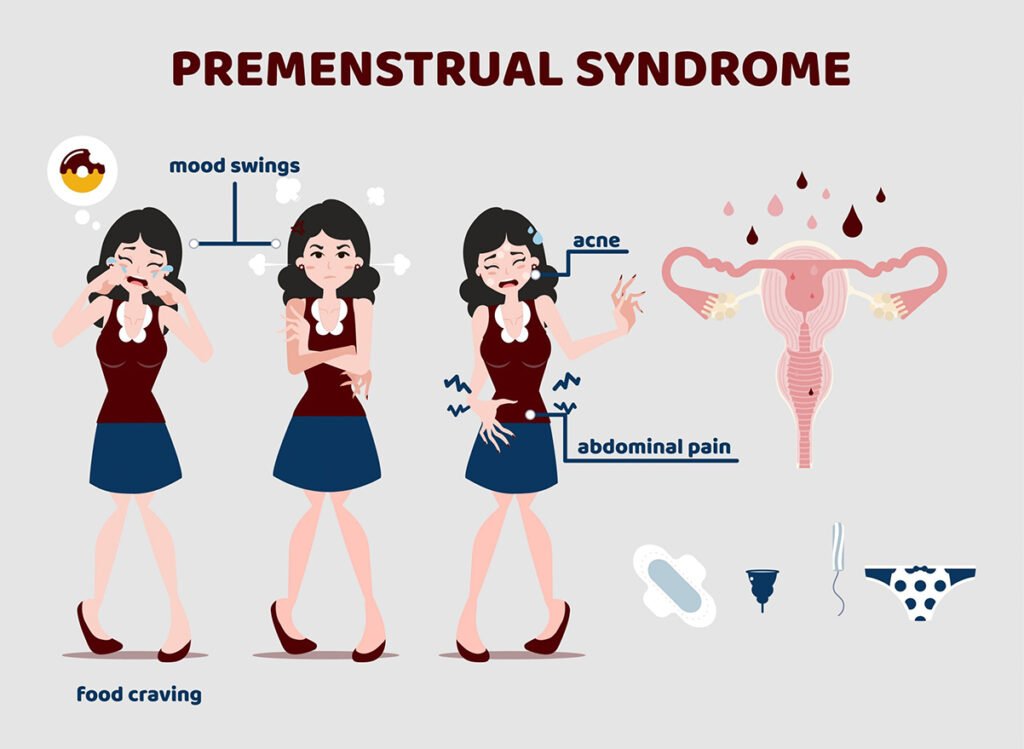
Although PMS cannot be completely prevented, there are several precautions women can take to minimize its impact on their daily lives. By adopting a holistic approach that addresses both physical and psychological well-being, women can better manage their symptoms and improve their quality of life.
Maintaining a Balanced Diet
Eating a healthy, balanced diet can help regulate hormone levels and minimize the severity of PMS symptoms. Increasing fiber intake by incorporating fruits, vegetables, whole grains, and legumes into meals can support digestive health and stabilize blood sugar levels. Avoiding excessive salt and sugar consumption can prevent bloating and mood fluctuations. Including complex carbohydrates like brown rice, quinoa, and sweet potatoes in meals can provide sustained energy and regulate mood. Additionally, incorporating foods rich in omega-3 fatty acids, such as salmon, flaxseeds, and walnuts, can help alleviate PMS symptoms. Lastly, staying hydrated by drinking an adequate amount of water throughout the day is essential for maintaining overall health and minimizing PMS symptoms.
Exercise Regularly
Engaging in regular physical activity can have significant benefits for women experiencing PMS. Aerobic exercises, such as walking, jogging, or cycling, help increase endorphin production, reduce stress levels, and improve overall mood. Strength training exercises, such as weightlifting or resistance band workouts, can help build muscle strength, improve posture, and promote a sense of empowerment. Yoga and Pilates are also beneficial for managing PMS symptoms, as they promote relaxation, flexibility, and stress reduction. Additionally, incorporating stretching exercises into daily routines can relieve muscle tension and alleviate physical discomfort associated with PMS.
Stress Management Techniques
Implementing effective stress management techniques can greatly reduce the impact of stress on PMS symptoms. Engaging in activities such as meditation, deep breathing exercises, or mindfulness practices can promote relaxation and help reduce stress levels. Setting aside time for self-care activities, such as taking a warm bath, practicing aromatherapy, or engaging in hobbies, can also provide a much-needed break from daily stressors. Seeking support from trusted friends or family members, as well as considering professional counseling or therapy, can provide valuable outlets for managing stress effectively and reducing the severity of PMS symptoms.
Adequate Sleep
Prioritizing quality sleep is vital for overall well-being and managing PMS symptoms. Maintaining a consistent sleep schedule, ensuring a comfortable sleep environment, and minimizing exposure to electronic devices before bedtime can promote optimal sleep patterns. Creating a relaxing bedtime routine, such as reading a book or practicing relaxation techniques, can help calm the mind and prepare for restful sleep. Ensuring the recommended 7-9 hours of sleep each night can significantly improve energy levels, mood, and overall functioning during the menstrual cycle.
Psychological Support
Seeking psychological support from professionals or joining support groups can be immensely helpful for women experiencing PMS. Therapists or counselors can offer strategies for coping with emotional changes and provide tools to manage stress and anxiety effectively. Participating in support groups or online communities can create a sense of belonging and provide valuable insights from others who share similar experiences. Openly discussing PMS symptoms with loved ones and educating them about the condition can foster understanding, empathy, and support.
Tracking Symptoms
Keeping track of PMS symptoms and their timing can enable women to anticipate and manage symptoms effectively. Maintaining a symptom diary or using smartphone applications specifically designed for tracking menstrual cycles can help identify patterns and trigger factors. This information can facilitate proactive measures, such as adjusting lifestyle habits or seeking medical advice when necessary, to alleviate the impact of PMS on daily life.
Avoiding Alcohol and Caffeine
Reducing or eliminating alcohol and caffeine consumption can alleviate PMS symptoms. Both alcohol and caffeine can disrupt sleep patterns, increase anxiety and irritability, and exacerbate mood swings. Opting for herbal teas or decaffeinated beverages and limiting alcohol intake can promote better hormonal balance and minimize the severity of PMS symptoms.
Using Medications under Medical Supervision
In some cases, medications may be prescribed to manage severe PMS symptoms. It is essential to consult with a healthcare professional who specializes in women’s health before using any medication. Medical supervision ensures appropriate dosages and helps minimize potential side effects. Medications commonly used for PMS may include nonsteroidal anti-inflammatory drugs (NSAIDs) for pain relief, hormonal contraceptives to regulate hormone levels, or antidepressants to manage mood-related symptoms.
Healthy Coping Mechanisms
Developing healthy coping mechanisms is crucial for effectively managing PMS symptoms. Engaging in activities that bring joy and relaxation, such as practicing hobbies, spending time in nature, or listening to music, can uplift mood and reduce stress. Learning and implementing stress management techniques, as well as seeking emotional support from loved ones, can provide healthy outlets for emotional expression and reduce the impact of PMS.
Alternative Therapies
Exploring alternative therapies can offer additional options for managing PMS symptoms. Some women find acupuncture beneficial for reducing pain, regulating hormone levels, and promoting overall well-being. Herbal remedies, such as chasteberry or evening primrose oil, have been used traditionally for centuries to alleviate PMS symptoms, although their effectiveness may vary among individuals. Aromatherapy, using essential oils such as lavender or chamomile, can help promote relaxation and reduce anxiety. Massage therapy, particularly techniques aimed at relieving muscle tension and promoting circulation, can provide physical and emotional relief for women experiencing PMS symptoms.
Empowering yourself with knowledge about the risk factors and precautions for PMS can go a long way in managing and reducing the impact of this common condition. By adopting a holistic approach that addresses hormonal imbalances, psychological factors, stress levels, lifestyle choices, and seeking appropriate support, women can navigate the challenges of PMS with greater ease and enhance their overall well-being. Remember, you are not alone in this journey, and there are various resources and strategies available to help you effectively manage PMS and reclaim control over your life.
