
Snoring is a common nighttime nuisance that affects many individuals, but did you know that it could be a potential risk factor for more serious health conditions? In this article, we will explore the various risk factors associated with snoring and delve into the precautions one can take to minimize the negative effects. By understanding these factors and implementing preventive measures, you can improve the quality of your sleep and overall well-being. So, let’s explore the world of snoring and discover how we can better manage it.
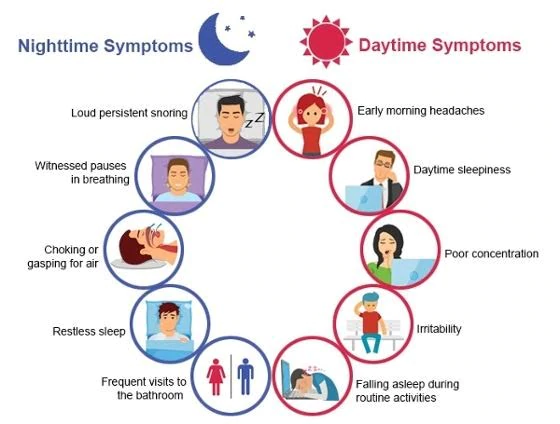
Risk Factors
Age
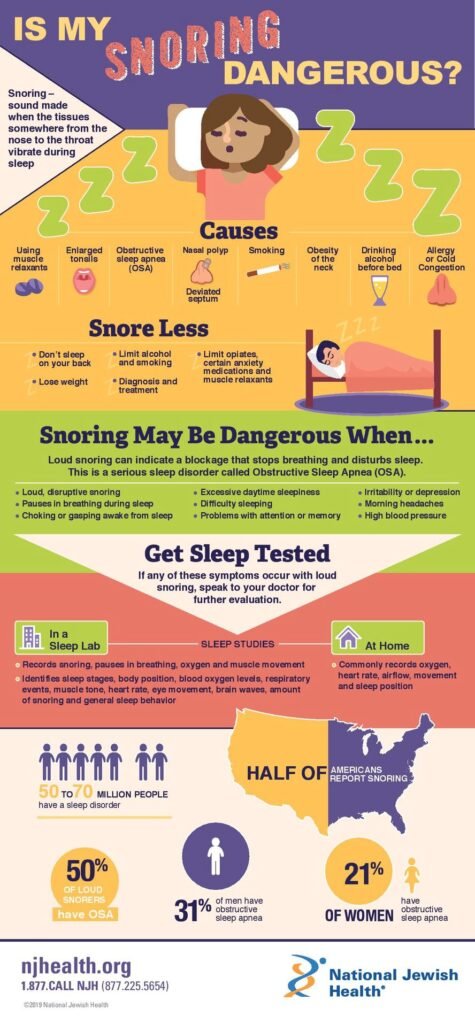
Age is a significant risk factor for snoring. As you age, the muscles in your throat tend to relax, leading to an increased likelihood of snoring. This relaxation of the muscles can obstruct your airways and cause vibrations that result in the characteristic snoring sound. Snoring tends to be more common in middle-aged and older adults.
Gender
Gender can play a role in snoring as well. Men are more likely to snore than women, although women can also be affected. This difference is primarily due to anatomical variations in the airways. Men often have narrower air passages, which can increase the chances of snoring. Hormonal factors may also contribute to this disparity.
Obesity
Obesity is strongly associated with snoring. Excess weight around the neck and throat can put pressure on the airways, causing them to narrow and leading to snoring. The mechanisms behind this relationship involve fat deposits in the throat and changes in muscle tone. Losing weight can significantly reduce snoring episodes and improve overall sleep quality.
Family History
Your family history can also influence your likelihood of snoring. Genetic factors may predispose individuals to certain anatomical features that make them more susceptible to snoring. Additionally, shared lifestyle habits within families, such as poor sleep hygiene, can contribute to snoring patterns.
Alcohol Consumption
Alcohol consumption is another risk factor for snoring. Alcohol relaxes the muscles in the throat, including the ones responsible for keeping the airways open during sleep. This relaxation can lead to partial or complete obstruction of the airways, resulting in snoring. Limiting alcohol intake, especially before bedtime, can help reduce the frequency and intensity of snoring episodes.
Smoking
Smoking can have a detrimental effect on snoring. The chemicals in cigarettes irritate the tissues in the throat and airways, causing inflammation and swelling. This inflammation can lead to partial blockage of the airways, resulting in snoring. Quitting smoking not only improves overall health but also reduces the likelihood of snoring.
Nasal and Sinus Problems
Nasal and sinus problems, such as allergies, congestion, and sinusitis, can contribute to snoring. These conditions often cause nasal blockage or inflammation, making it difficult to breathe through the nose. As a result, individuals may resort to mouth breathing, which increases the chances of snoring. Treating underlying nasal and sinus issues can help alleviate snoring symptoms.
Sleeping Position
Your sleeping position can impact snoring as well. Sleeping on your back can cause the base of your tongue and soft tissues in the throat to collapse, partially blocking the airways and leading to snoring. Changing your sleeping position to your side can help keep the airways open, reducing the occurrence of snoring.
Certain Medications
Certain medications, such as sedatives, muscle relaxants, and antihistamines, can relax the muscles in the throat, making snoring more likely. If you are prone to snoring or have sleep apnea, it is important to discuss the potential side effects of medications with your healthcare provider. They may be able to offer alternative solutions or adjust your medication regimen to minimize snoring.
Constriction of Airways
Structural abnormalities or obstructions in the airways can contribute to snoring. Conditions such as deviated septum, enlarged tonsils, and adenoids can narrow the air passages, leading to increased resistance and snoring. Surgical interventions, such as septoplasty or adenoidectomy, may be necessary to address these obstructions and improve airflow during sleep.
Precautions to Reduce Snoring
Maintain a Healthy Weight
Maintaining a healthy weight is crucial in reducing snoring. Losing excess weight can reduce the amount of fatty tissue around the throat, decreasing the likelihood of airway obstruction. Incorporating regular physical activity and following a balanced diet can help achieve a healthy weight, ultimately diminishing snoring episodes.
Avoid Alcohol and Sedatives
Avoiding alcohol and sedatives, especially before bedtime, can significantly reduce snoring. As mentioned earlier, these substances relax the throat muscles, impeding airflow and leading to snoring. Opt for non-alcoholic alternatives or limit consumption to earlier in the evening to minimize the impact on your sleep and reduce snoring.
Quit Smoking
Quitting smoking is not only beneficial for overall health but also helps alleviate snoring. Smoking causes inflammation and irritation in the throat, contributing to airway blockage and snoring. By quitting smoking, you can reduce throat inflammation and improve the overall function of your airways, resulting in reduced snoring.
Improve Nasal Breathing
Improving nasal breathing can help decrease snoring episodes. Clearing nasal congestion through various methods, such as nasal sprays, saline rinses, or using a humidifier, can facilitate proper airflow through the nasal passages. Nasal dilators, such as adhesive strips or nasal clips, may also be beneficial in keeping the airways open and minimizing snoring.
Sleep on Your Side
Changing your sleeping position to your side can be an effective way to reduce snoring. Sleeping on your back allows the tongue and soft tissues to collapse backward, obstructing the airways and causing snoring. By adopting a side sleeping position, gravity helps keep the airways open, reducing the likelihood of snoring.
Elevate Your Head
Elevating your head while sleeping can promote better airflow and reduce snoring. Using extra pillows or a wedge pillow to raise the head and upper body can help alleviate pressure on the airways and decrease snoring. It is important to ensure that the elevation is comfortable and properly supports your neck and head.
Establish a Regular Sleep Schedule
Maintaining a regular sleep schedule can contribute to a reduction in snoring. Irregular sleep patterns and inadequate sleep can lead to muscle relaxation and increased fatigue, worsening snoring symptoms. Aim for consistent bedtimes and wake-up times, allowing for sufficient sleep each night to promote optimal muscle tone and minimize snoring.
Maintain Good Sleep Hygiene
Practicing good sleep hygiene is essential in combating snoring. This includes creating a comfortable sleep environment, maintaining a relaxing bedtime routine, and avoiding stimulating activities and electronic devices close to bedtime. By establishing a conducive sleep environment and practicing relaxation techniques, you can promote better sleep quality and reduce snoring.
Use Snoring Aids and Devices
Numerous snoring aids and devices are available in the market to help reduce snoring. These include nasal strips, nasal dilators, oral appliances, and positional therapy devices. Nasal strips and dilators work by opening up the nasal passages, facilitating better airflow. Oral appliances help position the jaw and tongue to maintain an open airway during sleep. Positional therapy devices, such as specialized pillows or wearable devices, encourage side sleeping to reduce snoring.
Consider Medical Intervention
In severe cases of snoring or when other methods have not been effective, medical intervention may be necessary. Medical interventions can include treatments such as continuous positive airway pressure (CPAP), oral appliance therapy, or surgical procedures. These interventions are typically recommended in consultation with a healthcare professional specializing in sleep disorders to determine the most appropriate course of action.
Age
Snoring and Age-Related Changes
As you age, snoring becomes more common due to age-related changes in the throat muscles. The muscles in the throat naturally lose elasticity and tone over time, making them more prone to collapse or vibrate during sleep, resulting in snoring. Regular exercise, maintaining a healthy weight, and incorporating lifestyle habits to address common risk factors can help mitigate age-related snoring.
Infant Snoring
While snoring is less common in infants, it can still occur. Infant snoring may be due to anatomical factors, such as a small, narrow airway, or temporary nasal congestion. In most cases, infant snoring resolves on its own as the child grows. However, if the snoring persists or is accompanied by other symptoms, it is important to consult a pediatrician to rule out any underlying issues.
Children and Snoring
Snoring in children can be a cause for concern, as it may indicate potential health issues. Common causes of snoring in children include enlarged tonsils or adenoids, allergies, or obesity. Snoring can disrupt a child’s sleep, impair their daily functioning, and impact their overall health and development. If your child snores regularly or experiences other symptoms, such as pauses in breathing or excessive daytime sleepiness, it is crucial to consult a pediatrician for evaluation and appropriate management.
Adult Snoring
Adults are more likely to experience snoring due to a combination of anatomical, lifestyle, and health factors. It is important to address the underlying risk factors and take necessary precautions to reduce snoring. By adopting a healthy lifestyle, maintaining a healthy weight, and implementing the precautionary measures mentioned earlier, adults can significantly improve their sleep quality and reduce snoring.
Gender
Snoring Prevalence in Men and Women
Snoring is more prevalent in men compared to women. This difference can be attributed to anatomical variations in the airways. Men often have narrower air passages, making them more susceptible to snoring. However, it is important to note that women can also snore, and the likelihood of snoring may increase with age, hormonal changes, or other risk factors.
Hormonal Influences on Snoring
Hormonal factors can contribute to snoring in women. Pregnancy, menopause, and hormonal imbalances can affect muscle tone and contribute to airway collapse during sleep. Hormonal changes can also lead to weight gain or fluid retention, which can exacerbate snoring. Managing hormonal fluctuations and addressing potential risk factors can help alleviate snoring in women.
Obesity
Link Between Obesity and Snoring
Obesity and snoring often go hand in hand. Excess weight, especially around the neck and throat area, can put pressure on the airways, causing them to narrow and leading to snoring. In addition to physical compression, obesity can also result in fatty deposits in the throat, further obstructing the air passages. Losing weight through a combination of healthy eating, regular exercise, and lifestyle modifications can significantly reduce snoring in individuals struggling with obesity.
Mechanisms Behind Obesity-Related Snoring
The mechanisms behind obesity-related snoring involve both anatomical and physiological factors. Excess weight can lead to the accumulation of fatty tissues around the throat, narrowing the air passages and causing vibration during sleep. Obesity can also contribute to poor muscle tone in the throat area, making the airways more susceptible to collapse and snoring. Addressing obesity through weight loss can alleviate these issues and improve sleep quality.
Weight Loss as a Solution
Weight loss is an effective solution for reducing snoring in obese individuals. By shedding excess pounds, the pressure on the airways decreases, allowing for improved airflow during sleep. In addition to reducing snoring, weight loss has numerous other health benefits, including reducing the risk of cardiovascular diseases and improving overall well-being. Engaging in a comprehensive weight loss program tailored to individual needs, under the guidance of healthcare professionals, can lead to significant improvements in snoring symptoms.
Family History
Genetic Factors and Snoring
Family history can influence an individual’s likelihood of snoring. Genetic factors may contribute to certain anatomical features, such as narrowed airways or poor muscle tone, that increase the risk of snoring. If snoring runs in your family, it is important to be aware of these predispositions and take proactive measures to address other modifiable risk factors.
Influence of Family Lifestyle on Snoring
Shared lifestyle habits within families can also contribute to snoring. Poor sleep hygiene, unhealthy eating habits, and the presence of other risk factors can be influenced by familial patterns. By adopting a holistic approach and involving the entire family in healthy lifestyle changes, such as maintaining regular sleep schedules, engaging in physical activity, and practicing good sleep hygiene, snoring can be minimized for all family members.

Alcohol Consumption
How Alcohol Affects Snoring
Alcohol consumption can significantly impact snoring. Alcohol acts as a sedative, relaxing the muscles in the throat and limiting their ability to maintain an open airway during sleep. This relaxation can cause the throat tissues to partially or completely obstruct the airways, resulting in snoring. The more alcohol consumed, the greater the likelihood and intensity of snoring.
Limiting Alcohol Intake to Reduce Snoring
To reduce snoring, it is advisable to limit alcohol intake, especially in the hours leading up to bedtime. Moderation is key, and diluting alcoholic beverages can help reduce their sedative effects on the throat muscles. Opting for non-alcoholic alternatives or consuming alcohol earlier in the evening can also lessen the impact on sleep quality and decrease snoring.
Smoking
Impact of Smoking on Snoring
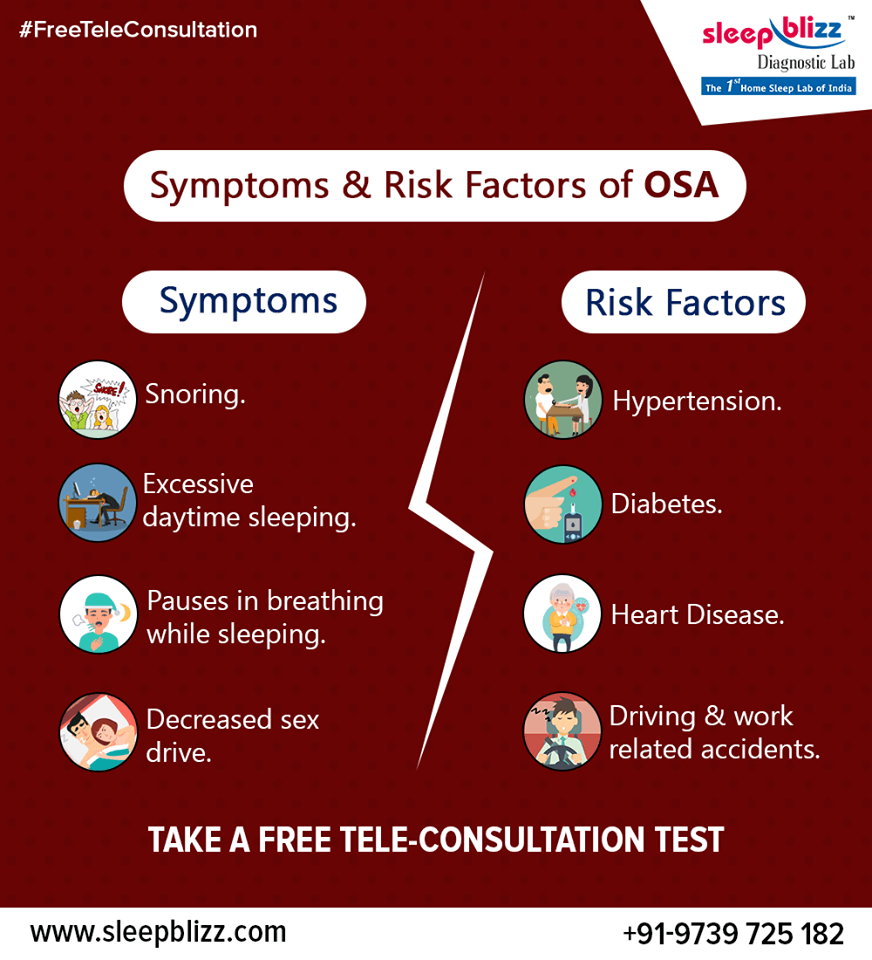
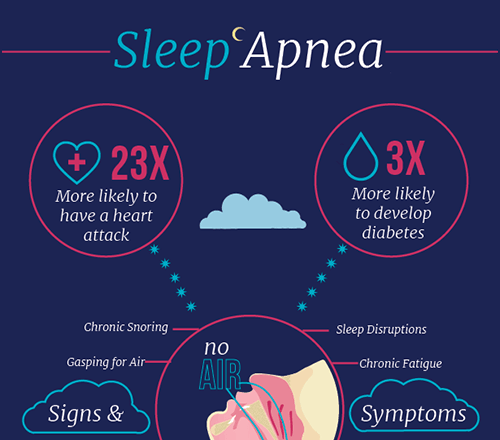
Smoking has detrimental effects on snoring. The chemicals in cigarettes irritate the tissues in the throat and airways, leading to inflammation and swelling. This inflammation can reduce the diameter of the air passages, increasing the resistance to airflow and promoting snoring. Smoking exacerbates the risk of snoring and can also lead to more severe sleep disorders, such as obstructive sleep apnea.
Benefits of Quitting Smoking for Snoring
Quitting smoking not only improves overall health but also has specific benefits for snoring. By quitting smoking, you can reduce inflammation and irritation in the throat, improving the function of the airways. As a result, snoring can be significantly reduced or eliminated, leading to better sleep quality and overall well-being. Seeking support from healthcare professionals or cessation programs can greatly assist in successfully quitting smoking.
Nasal and Sinus Problems
Common Nasal and Sinus Issues Leading to Snoring
Nasal and sinus problems can contribute to snoring by causing nasal congestion or obstruction. Allergies, sinusitis, and anatomical abnormalities, such as a deviated septum, can narrow the nasal passages, forcing individuals to breathe through their mouths while asleep. Mouth breathing often results in snoring due to the increased likelihood of airway collapse. Treating underlying nasal and sinus issues can alleviate snoring symptoms.
Treatment Options for Nasal and Sinus Problems
The treatment options for nasal and sinus problems depend on the specific condition and its severity. Allergies may be managed through avoidance of triggers, medication, immunotherapy, or lifestyle modifications. Sinusitis may require antibiotics, nasal corticosteroids, or surgery in severe cases. Consulting with an otolaryngologist (ear, nose, and throat specialist) can help determine the most appropriate treatment plan for your nasal and sinus issues.
Nasal Strips and Saline Sprays as Remedies
Nasal strips and saline sprays are over-the-counter solutions that can help alleviate snoring associated with nasal congestion. Nasal strips adhere to the outside of the nasal bridge, gently lifting and widening the nostrils, which allows for improved airflow. Saline sprays help moisturize and clear the nasal passages, reducing congestion and facilitating easier breathing. These remedies can be used as temporary measures or in combination with other treatment options.
Constriction of Airways
Structural Causes of Airway Constriction
Airway constriction can be caused by various structural abnormalities within the throat and air passages. Conditions such as a deviated septum, enlarged tonsils, or adenoids can narrow the airways, increasing resistance to airflow and promoting snoring. Additionally, abnormalities in the soft tissues of the throat, such as excessive tissue or floppy tissues, can also obstruct the air passages and contribute to snoring.
Surgical Options and Interventions for Airway Obstruction
In cases where structural abnormalities are causing airway constriction and snoring, surgical interventions may be necessary. Procedures such as septoplasty (correcting a deviated septum), tonsillectomy (removal of enlarged tonsils), or adenoidectomy (removal of enlarged adenoids) can help improve the airflow and alleviate snoring. These surgical options are typically considered when conservative measures have been ineffective or when the structural abnormalities significantly impact the individual’s quality of life.
In conclusion, snoring can be influenced by various risk factors, including age, gender, obesity, family history, alcohol consumption, smoking, nasal and sinus problems, sleeping position, certain medications, and airway constriction. By taking necessary precautions and following recommended steps, individuals can reduce the frequency and intensity of snoring episodes. Maintaining a healthy weight, avoiding alcohol and sedatives, quitting smoking, improving nasal breathing, adjusting sleeping positions, and considering medical intervention when necessary are all valuable strategies in minimizing snoring and improving overall sleep quality.