
Spine operations can be complex procedures that carry certain risks. It is important to understand the risk factors associated with these operations and take necessary precautions to minimize them. In this article, you will explore the various risk factors that can contribute to complications during spine operations and learn about the precautions that can be taken to ensure a safe and successful surgical outcome.
Risk Factors for Spine Operation
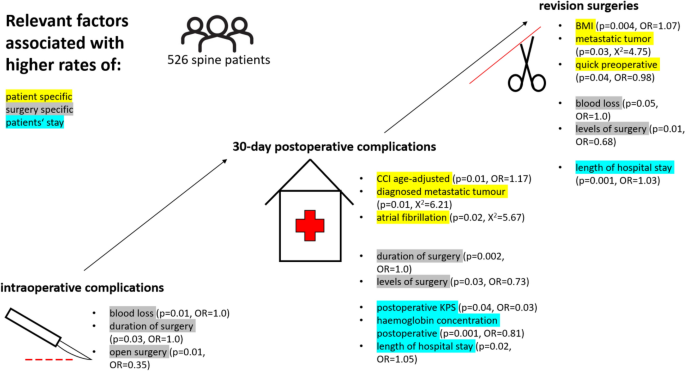
Undergoing a spine operation can be a life-changing event, and it is important to understand the various risk factors that may increase the chances of complications during and after the procedure. By being aware of these risk factors, you can take precautionary measures and make informed decisions regarding your spine operation. In this article, we will discuss some of the key risk factors associated with spine operations and how they can potentially impact your surgery and recovery.
Age
Age plays a significant role in determining the risk associated with spine operations. Elderly patients, in particular, tend to have a higher risk of complications compared to their younger counterparts. This is because older individuals may have weaker bones, slower healing processes, and pre-existing medical conditions that can hinder their recovery. Conversely, children and adolescents may also be more susceptible to certain risks due to their ongoing growth and development. It is essential for both the elderly and young patients to have thorough preoperative evaluations to assess their suitability for a spine operation.
Overall Health
The overall health of an individual can greatly influence the outcome of a spine operation. Patients with chronic conditions such as diabetes, heart disease, or autoimmune disorders may have a higher risk of complications. Their ability to heal and recover from surgery may be compromised, and the added strain on their bodies can make the procedure more challenging. Additionally, the presence of other medical issues, such as respiratory problems or infections, can further increase the risk during and after the spine operation. It is crucial for your healthcare team to thoroughly evaluate your overall health and manage any pre-existing medical conditions before proceeding with the surgery.
Obesity
Obesity is a risk factor that can have a significant impact on spine operations. Excessive body weight places added strain on the spine, increasing the likelihood of complications during and after the procedure. The excess weight can also make it more challenging for the surgical incisions to heal properly. Obese individuals may have a higher risk of infections and wound healing challenges, which can prolong their recovery process. It is important for overweight patients to work closely with their healthcare providers to manage their weight before and after the spine operation to minimize the risks associated with obesity.
Smoking
Smoking is a known risk factor that can have detrimental effects on spine operations. Nicotine and other harmful substances in cigarettes reduce blood flow to the spine, impairing the body’s ability to heal and recover. Smokers are at a higher risk of delayed wound healing, increased risk of infection, and poor bone health. Additionally, smoking can exacerbate respiratory issues, making anesthesia and post-operative breathing more challenging. If you are a smoker, it is highly recommended to quit smoking well in advance of your spine operation to optimize your chances of a successful procedure and speedy recovery.

Previous Surgeries
Individuals who have undergone previous spine surgeries may have an increased risk of complications during subsequent operations. Scar tissue formation from previous surgeries can make it more challenging for the surgeon to access the affected area. This can lead to prolonged operative time and greater risk of damage to surrounding tissues and structures. Weakening of the surrounding tissues due to previous surgeries can also increase the likelihood of complications. It is crucial to provide your healthcare team with a comprehensive history of any previous spine surgeries to ensure they can plan and perform the operation with the utmost care and precision.
Nerve or Spinal Cord Damage
Patients with existing nerve or spinal cord damage are at an increased risk when undergoing spine operations. The complexity of the surgery is often heightened when dealing with these delicate structures, and the risk for neurological complications is elevated. Individuals with nerve damage may also experience impaired healing, which can prolong their recovery process. A thorough preoperative evaluation and consultation with a spine specialist are imperative for individuals with existing nerve or spinal cord damage to ensure that the surgical approach and techniques prioritize their specific needs and minimize any further damage.
Bone Health
The health of your bones is crucial when considering a spine operation. Conditions such as osteoporosis, degenerative disc disease, and spinal stenosis can weaken the spine and increase the risk of complications. Osteoporosis, in particular, causes a loss of bone density, making the spine more prone to fractures during surgery. Careful evaluation and assessment of bone health through imaging and specialized tests may be necessary to determine the most appropriate surgical approach and reduce the chances of complications.
Infections
The risk of infections is a significant concern when it comes to any surgical procedure, including spine operations. Infections can occur during the operation or arise after surgery, which can greatly impact the recovery process. It is crucial to undergo preoperative infection screenings to identify any pre-existing infections that may need to be treated before proceeding with the spine operation. Proper antibiotic prophylaxis is also essential to minimize the risk of post-operative infections. Precautions, such as maintaining strict sterile conditions during surgery and following proper wound care protocols post-surgery, can also help reduce the likelihood of infections.

Medication Use
Certain medications can increase the risk associated with spine operations. For example, blood-thinning medications may interfere with the body’s ability to form blood clots, which are crucial for proper wound healing. It is important to inform your healthcare team about all medications, both prescription and over-the-counter, that you are taking. Your healthcare provider may recommend stopping or adjusting certain medications before the surgery to minimize potential complications.
Occupation
Your occupation can also influence the risk factors associated with spine operations. Some occupations involve repetitive motions or heavy lifting, which can put additional strain on the spine and increase the risk of injury and the need for surgical intervention. Employers should conduct worksite evaluations to ensure ergonomic practices are in place and provide education on safe lifting techniques and posture. Adaptations to work conditions, such as using lifting aids or modifying tasks, can also significantly reduce the risk of spine-related injuries and subsequent surgeries.
In conclusion, understanding the risk factors associated with spine operations is crucial for making informed decisions and taking necessary precautions. Factors such as age, overall health, obesity, smoking, previous surgeries, nerve or spinal cord damage, bone health, infections, medication use, and occupation can all impact the success and safety of a spine operation. Consulting with a qualified healthcare professional and following their recommendations will help minimize these risks and optimize your chances of a successful surgery and a speedy recovery. Remember, your spine is a vital part of your body, and taking care of it is essential for your overall well-being.