
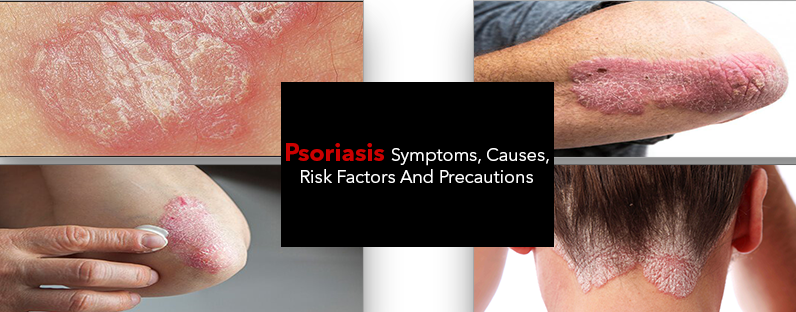
Psoriasis is a chronic skin condition that affects millions of people worldwide, causing uncomfortable symptoms such as red, itchy, and scaly patches on the skin. In order to effectively manage and prevent the exacerbation of psoriasis, it is important to understand the risk factors that contribute to its development, as well as the precautions one can take to alleviate its symptoms. By educating yourself about these factors and implementing simple lifestyle changes, you can significantly improve your quality of life and minimize the impact of this condition on your daily routine. Psoriasis is a chronic, autoimmune skin condition that affects millions of people worldwide. While the exact cause of psoriasis is still not fully understood, several risk factors have been identified that can increase your chances of developing this condition. By knowing and understanding these risk factors, you can take necessary precautions to manage and prevent flare-ups of psoriasis.
Genetics
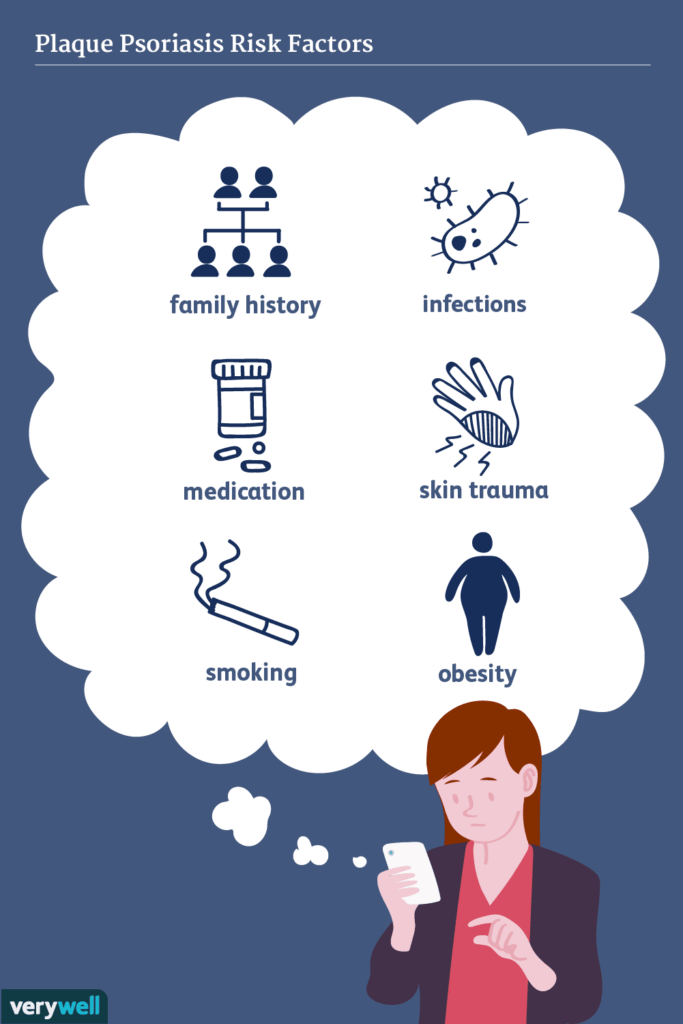
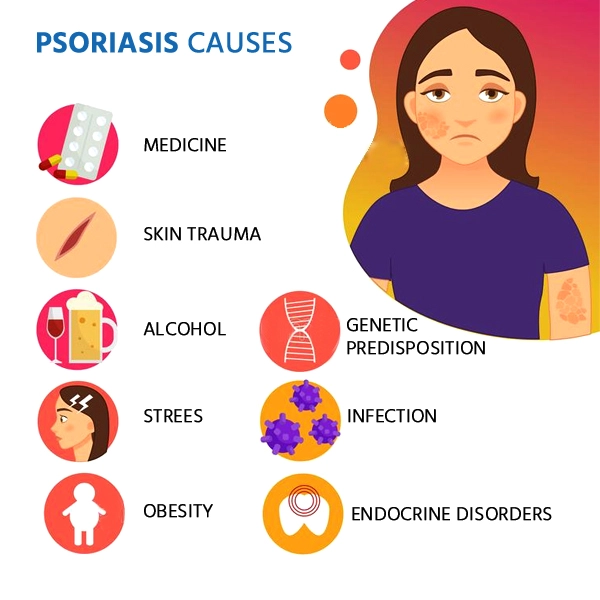
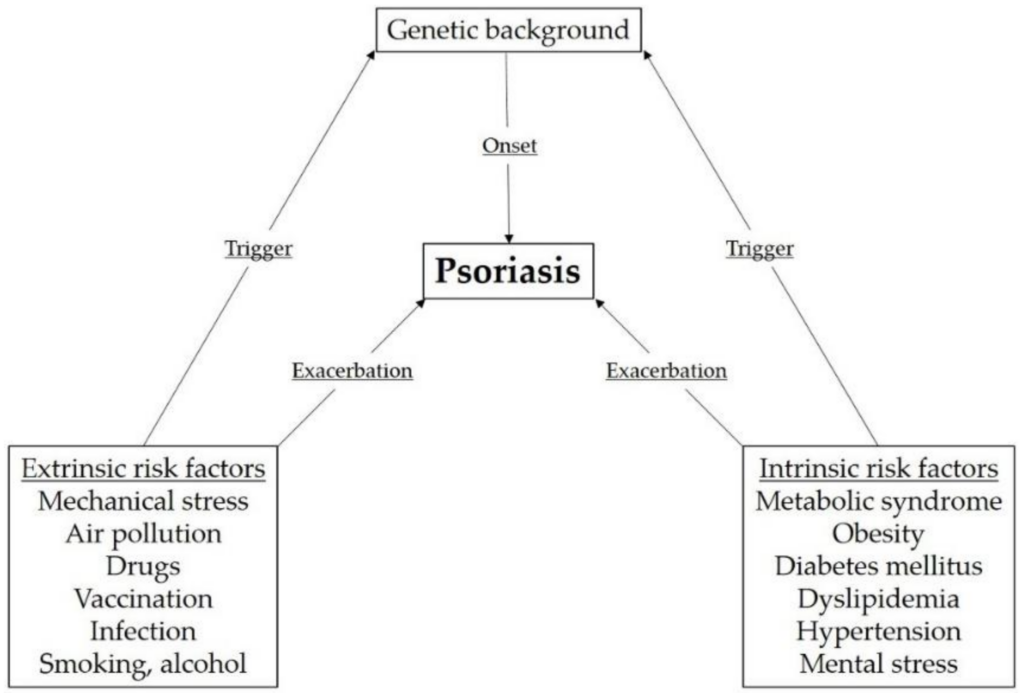
One of the primary risk factors for psoriasis is genetics. If you have a family history of psoriasis, your chances of developing the condition significantly increase. Studies have shown that certain genes, such as the HLA-C gene and the IL23R gene, play a role in the development of psoriasis. Additionally, gene mutations can also contribute to an increased risk of psoriasis.
Immune System
The immune system also plays a crucial role in the development of psoriasis. An abnormal immune response triggers the accelerated growth of skin cells, leading to the characteristic red, scaly patches of psoriasis. T-cells, a type of white blood cell, are believed to play a key role in this immune response. Imbalances in cytokines, which are signaling molecules involved in the immune system’s functioning, can also contribute to the development of psoriasis.
Environmental Factors
Environmental factors can also impact the development and severity of psoriasis. Certain weather conditions, particularly cold and dry climates, can worsen symptoms. Excessive exposure to sunlight is another risk factor, as it can trigger or worsen flare-ups of psoriasis. Skin injuries, including cuts, burns, and insect bites, can also lead to the development of psoriasis lesions. Moreover, certain infections, such as streptococcal infections, can act as triggers for psoriasis.
Stress
While stress does not directly cause psoriasis, it can significantly worsen symptoms and trigger flare-ups. Both psychological and physical stress can have a negative impact on the immune system, leading to increased inflammation and skin cell production. Stress-induced immune responses can further aggravate the symptoms of psoriasis. Therefore, managing stress levels is crucial in reducing the frequency and severity of flare-ups.
Infections
In addition to streptococcal infections, people with psoriasis may be more susceptible to other infections, such as respiratory infections and HIV/AIDS. These infections can further worsen existing psoriasis symptoms or trigger new flare-ups. Taking necessary precautions, such as maintaining good hygiene and avoiding exposure to contagious individuals, can help prevent the exacerbation of psoriasis symptoms.
Obesity
Obesity has been identified as a risk factor for psoriasis. Adipokines, which are proteins secreted by fat cells, and cytokines, which are involved in inflammation, are believed to contribute to the link between obesity and psoriasis. Additionally, insulin resistance and metabolic syndrome, which are commonly associated with obesity, can also increase the risk of developing psoriasis. Maintaining a healthy weight through regular exercise and a balanced diet can help manage psoriasis symptoms.

Smoking
Smoking has been shown to be a risk factor for psoriasis. The nicotine and other chemicals in tobacco can have a negative impact on the immune system, leading to increased inflammation and worsening of symptoms. Additionally, smoking can interfere with the effectiveness of certain psoriasis treatments. Quitting smoking is not only beneficial for overall health but can also help improve psoriasis symptoms.
Alcohol Consumption
Excessive alcohol consumption can also worsen psoriasis symptoms. Alcohol can interfere with the effectiveness of psoriasis medications and increase the risk of liver damage, which is a potential complication of some psoriasis treatments. Limiting alcohol consumption or avoiding it altogether can help improve the management of psoriasis.
Medications
Certain medications have been associated with an increased risk of psoriasis or the worsening of existing symptoms. These include lithium, which is commonly used to treat bipolar disorder, and beta-blockers, which are used to manage high blood pressure. If you have psoriasis or a family history of the condition, it is essential to consult with a healthcare professional before starting any new medications.
Injury or Trauma
Physical injuries or trauma to the skin, such as cuts, bruises, or burns, can trigger the development of psoriasis lesions. Additionally, excessive scratching or picking at existing psoriasis plaques can also lead to the spread of the condition or the formation of new lesions. It is crucial to protect your skin from injury and practice proper skincare to minimize the risk of triggering or worsening psoriasis.
To manage and prevent flare-ups of psoriasis, several precautions can be taken. Proper skincare is essential, including moisturizing regularly and using gentle, non-irritating products. Identifying and avoiding triggers, such as certain foods or environmental factors, can help reduce the frequency and severity of flare-ups. Managing stress levels through techniques like meditation, exercise, and therapy can also have a positive impact on psoriasis symptoms.
Maintaining a healthy weight through regular exercise and a balanced diet is beneficial for overall health and can help manage psoriasis. Quitting smoking and limiting alcohol consumption are also important steps in minimizing psoriasis symptoms. Being cautious with medications and consulting a healthcare professional before starting any new medications is crucial to avoid exacerbating psoriasis.
Joining support groups can provide a valuable source of emotional support and a platform to share experiences with others living with psoriasis. These groups also offer access to resources and information about treatment options, coping strategies, and the latest research in the field.
In conclusion, understanding the risk factors associated with psoriasis is key to managing and preventing flare-ups of this chronic skin condition. By taking necessary precautions and making lifestyle adjustments, such as proper skincare, stress management, and avoiding triggers, you can significantly improve the management of psoriasis and enhance your overall well-being. Remember to consult with a healthcare professional for personalized advice and guidance specific to your needs. You are not alone in your journey with psoriasis, and with the right support and knowledge, you can effectively manage this condition and live a fulfilling life.