
Spinal fractures can be a painful and debilitating condition that can greatly affect your daily life. In this informative article, we will explore the various risk factors that contribute to spinal fractures, as well as the precautions you can take to minimize your chances of experiencing this type of injury. Understanding these factors and implementing necessary precautions can help you maintain a healthy spine and prevent any unnecessary discomfort or limitations in your mobility. So, let’s dive right in and explore what you need to know about spinal fractures.
Risk Factors for Spinal Fracture
When it comes to spinal fractures, there are several risk factors that can increase your chances of experiencing this painful and debilitating condition. By understanding these risk factors and taking necessary precautions, you can significantly reduce your risk of spinal fractures and maintain a healthy spine for years to come. Let’s explore each risk factor in detail and discuss the precautions you can take to safeguard your spinal health.
Age
Age is an important risk factor when it comes to spinal fractures. As we get older, our bones become weaker and more prone to fractures. This is due to a natural decrease in bone density, which makes our bones more fragile and susceptible to injury.
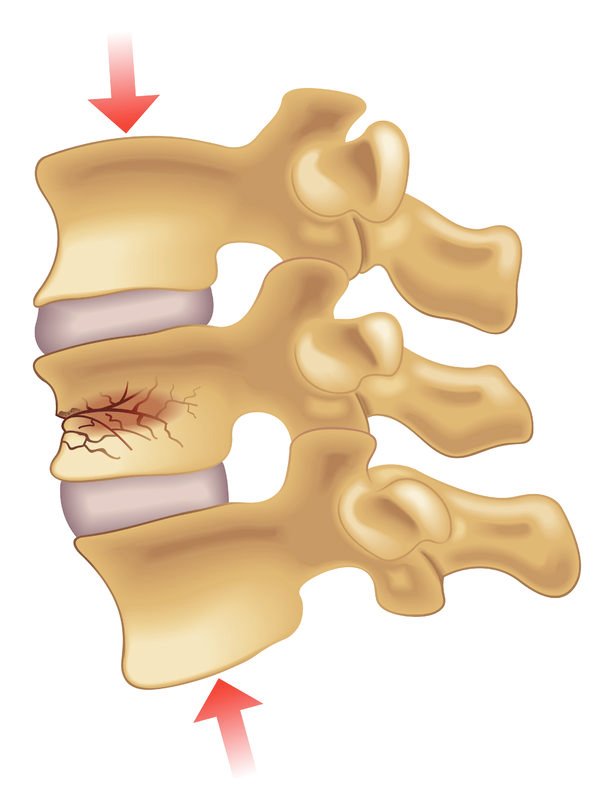
There are different types of fractures that are more common in older adults. Compression fractures, where the vertebrae of the spine collapse or become compressed, are particularly prevalent in the elderly. These fractures often occur as a result of osteoporosis, a condition characterized by low bone density.
To prevent spinal fractures as you age, it’s crucial to take certain precautions. Regular exercise, especially weight-bearing exercises like walking and strength training, can help strengthen your bones and slow down the natural loss of bone density. Additionally, maintaining a healthy and balanced diet rich in calcium and vitamin D is essential for optimal bone health.
Osteoporosis
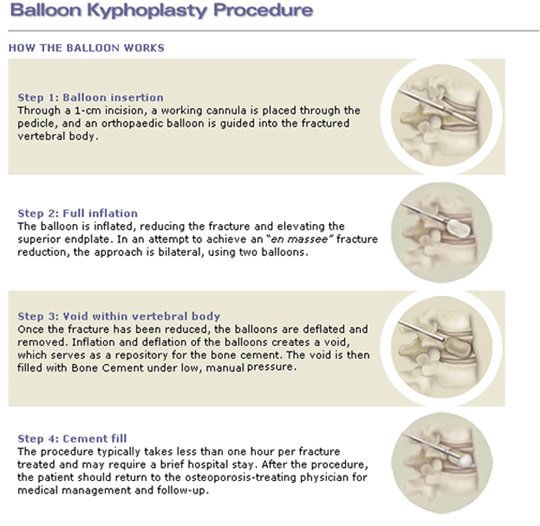
Osteoporosis, a condition characterized by weak and brittle bones, is a significant risk factor for spinal fractures. As mentioned earlier, individuals with osteoporosis are more likely to experience compression fractures in their spine.
To understand the link between osteoporosis and spinal fractures, it’s important to know the definition of osteoporosis itself. Osteoporosis occurs when the bone density significantly decreases, making the bones more susceptible to fractures. This gradual loss of bone density weakens the vertebrae in the spine and makes them more prone to compression fractures.
If you have osteoporosis, it’s crucial to take precautions to prevent spinal fractures. Working with your healthcare provider, you can develop a tailored exercise routine that focuses on weight-bearing exercises and promotes bone health. In addition, it’s important to follow a diet rich in calcium and vitamin D, as these nutrients play a vital role in maintaining strong and healthy bones.
Gender
Gender also plays a role in the risk of spinal fractures. Women, in particular, are more susceptible to this condition compared to men. This is partly because women tend to have lower peak bone mass compared to men, putting them at a higher risk of osteoporosis and subsequent fractures.
It’s important for women to take precautions to protect their spinal health. Regular exercise, especially weight-bearing exercises, can help strengthen the bones and reduce the risk of fractures. Additionally, maintaining a healthy diet and taking necessary supplements, if recommended by a healthcare professional, can further support bone health and reduce the risk of spinal fractures.
While women are at a higher risk, men should not disregard the importance of spinal health either. Men can also benefit from regular exercise, a healthy diet, and supplements, if needed, to maintain strong and resilient bones.

Previous Fractures
If you’ve previously experienced a fracture, it significantly increases your risk of sustaining another fracture, including spinal fractures. Previous fractures can weaken the surrounding bones and alter the spinal structure, making them more vulnerable to further injury.
To reduce the risk of spinal fractures in individuals with prior fractures, special precautions should be taken. It’s crucial to follow a comprehensive treatment plan for the initial fracture to ensure proper healing and alignment. This may include physical therapy, rest, and pain management strategies. Working closely with a healthcare professional is essential to address any underlying causes or deficiencies that contributed to the initial fracture. By addressing these factors, you can strengthen your bones and minimize the risk of future fractures.
Genetics
Genetics can also play a role in spinal fractures. Some individuals may have a genetic predisposition to develop weak bones or conditions that increase the risk of fractures, including those affecting the spine.
If you have a familial history of spinal fractures or bone-related conditions, it’s important to be aware of these genetic risk factors. Working closely with a healthcare professional can help identify any potential concerns and develop a personalized prevention plan.
Precautions for individuals with genetic susceptibility to spinal fractures may include regular bone density testing, targeted exercises, and lifestyle modifications that promote bone health. By being proactive and addressing these genetic factors, you can significantly reduce the risk of spinal fractures.
Medical Conditions
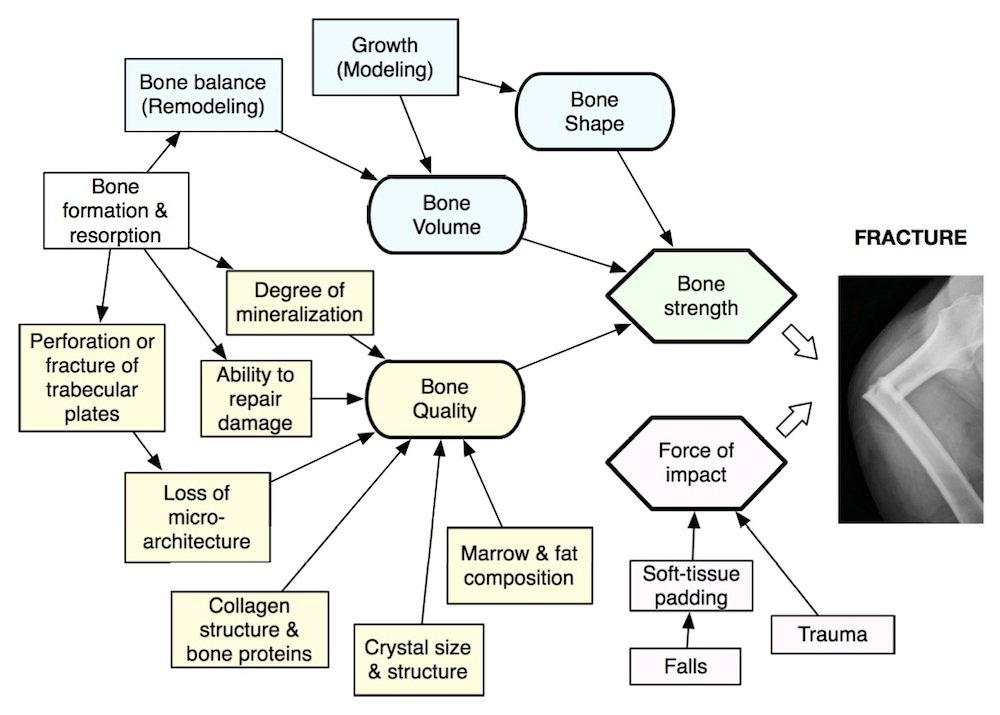
Certain medical conditions can increase the risk of spinal fractures. Spinal conditions, such as osteoarthritis, spinal stenosis, and herniated discs, can weaken the structure of the spine and make it more susceptible to fractures.
Conditions affecting bone health, such as rheumatoid arthritis or hormonal imbalances, can also contribute to an increased risk of spinal fractures. These conditions directly impact bone density and overall bone strength, making fractures more likely.
If you have specific medical conditions that increase your risk, it’s crucial to work closely with your healthcare provider to develop a comprehensive prevention plan. This may involve targeted exercises to strengthen the spine, medications to manage underlying conditions, and regular monitoring to detect any changes in bone health.
Medications
Certain medications have been associated with an increased risk of fractures, including spinal fractures. Medications that weaken bones, such as corticosteroids and certain anticonvulsants, can impact bone density and contribute to the likelihood of fractures occurring.
If you’re taking medications that have the potential to weaken your bones, it’s important to take the necessary precautions to mitigate the risk. This may involve regular bone density testing to monitor bone health, adhering to a comprehensive treatment plan that includes targeted exercises and dietary modifications to support bone strength, and discussing potential alternatives with your healthcare provider if appropriate.

Unsafe Activities
Engaging in certain activities can increase the risk of spinal fractures. Activities that involve excessive force to the spine, such as contact sports or high-impact exercises, can potentially lead to fractures or injuries. Additionally, falls, especially from significant heights or with significant force, can result in spinal fractures.
To minimize the risk of spinal fractures while participating in activities, it’s important to take adequate precautions. Wearing appropriate protective gear, such as helmets or padding, can help reduce the impact on the spine during sports or recreational activities. Additionally, practicing proper form and technique, maintaining strength and flexibility through regular exercise, and being aware of your surroundings to prevent falls can significantly reduce the risk of spinal fractures.
Precautions for Preventing Spinal Fractures
In addition to addressing specific risk factors, there are several general precautions you can take to prevent spinal fractures and maintain a healthy spine:
Regular Exercise and Physical Activity
Engaging in regular exercise and physical activity is vital for maintaining strong bones and reducing the risk of fractures. Weight-bearing exercises, such as walking, jogging, or dancing, help strengthen the bones and improve overall bone density. Incorporating resistance training, using weights or resistance bands, can also enhance bone health. Be sure to consult with a healthcare professional or a certified exercise specialist to determine the most suitable exercises for your needs and abilities.
Proper Nutrition
A balanced diet that includes an adequate intake of calcium and vitamin D is essential for bone health. Calcium-rich foods like dairy products, leafy greens, and fortified foods can contribute to optimal bone strength. Vitamin D, which helps the body absorb calcium, can be obtained from sunlight exposure or through supplements if necessary. Consult with a healthcare professional or registered dietitian to develop a personalized nutrition plan that supports your bone health.
Fall Prevention Strategies
Falls can lead to severe injuries, including spinal fractures. Take precautions to prevent falls, such as removing tripping hazards at home, using proper lighting and handrails on stairs, and wearing appropriate footwear. Regular exercise and balance training can also help improve stability and reduce the risk of falls.
Safe Lifting and Body Mechanics
Using proper techniques when lifting heavy objects is essential to protect your spine from injury. Lift with your legs, not your back, and avoid twisting motions while lifting. If you’re unsure about safe lifting techniques, consult with a healthcare professional or a physical therapist who can provide guidance.
Regular Bone Density Testing
Regular bone density testing, such as DEXA scans, can help assess your bone health and detect any changes or signs of bone loss early on. This information can be used to develop an appropriate prevention plan or modify existing strategies to optimize bone strength.
Avoiding Unsafe Activities
Avoid engaging in activities that pose a high risk of spinal fracture, especially if you already have fragile or weakened bones. Understand your limitations and prioritize your safety when participating in physical activities.
Maintaining a Healthy Weight
Excess weight can place additional stress on your spine, increasing the risk of fractures. Maintain a healthy weight through a balanced diet and regular exercise to lessen the strain on your spine and promote overall well-being.
Avoiding Tobacco and Excessive Alcohol
Smoking has been shown to negatively impact bone health and increase the risk of fractures. Excessive alcohol consumption can also weaken bones and contribute to an increased risk of fractures. Quitting smoking and moderating alcohol intake can have a positive impact on your bone health and overall well-being.
Medication Management
If you’re taking medications that might weaken your bones or increase the risk of fractures, ensure that you’re under the care of a healthcare professional who can monitor your bone health, recommend appropriate alternatives if necessary, and adjust your medications accordingly.
Supplementation with Calcium and Vitamin D
If your diet is lacking in calcium or if you have specific medical conditions that affect nutrient absorption, your healthcare provider may recommend calcium and vitamin D supplements. These supplements can help ensure adequate intake of these essential nutrients for optimal bone strength.
In conclusion, understanding the risk factors for spinal fractures is crucial for maintaining a healthy spine. By taking appropriate precautions, such as regular exercise, proper nutrition, fall prevention strategies, safe lifting techniques, and medication management, you can significantly reduce your risk of spinal fractures and promote long-term spinal health. Remember to consult with your healthcare provider to develop a personalized prevention plan that addresses your specific needs and circumstances.