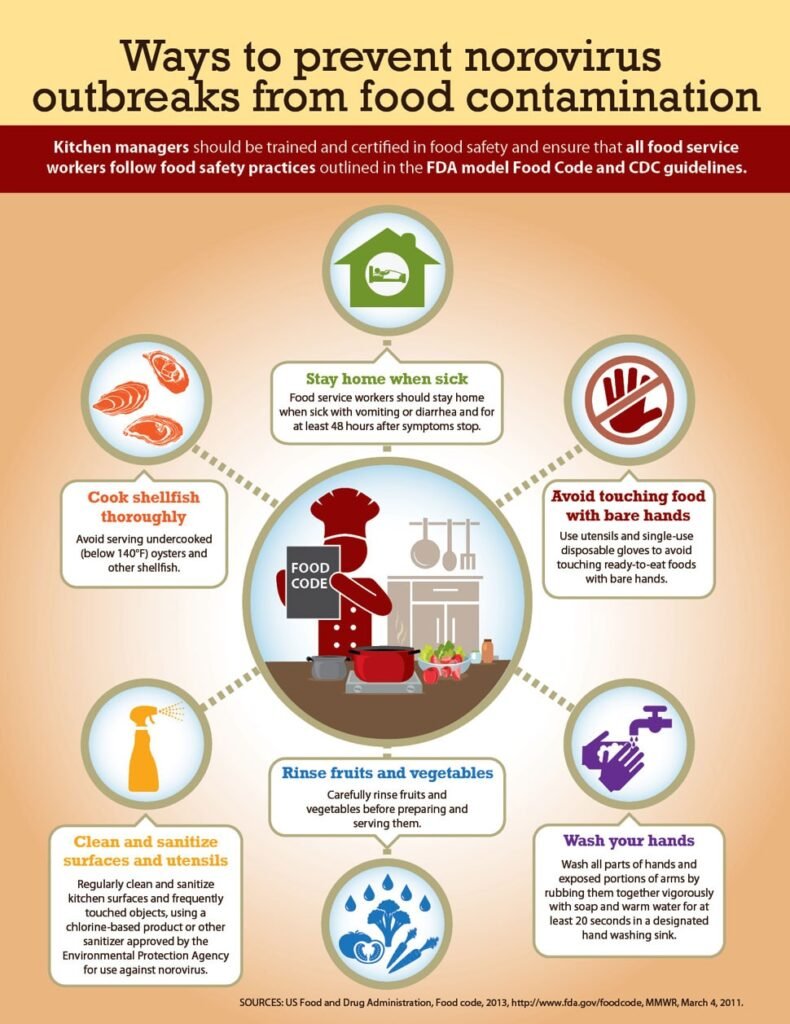
Are you concerned about the risk factors and precautions for stomach flu? Look no further! In this article, we will discuss the important factors to consider to minimize your chances of contracting the stomach flu. From understanding the various risk factors to implementing simple yet effective precautions, we’ve got you covered. So, grab a cup of tea and get ready to equip yourself with the knowledge needed to stay healthy and avoid the dreaded stomach flu!
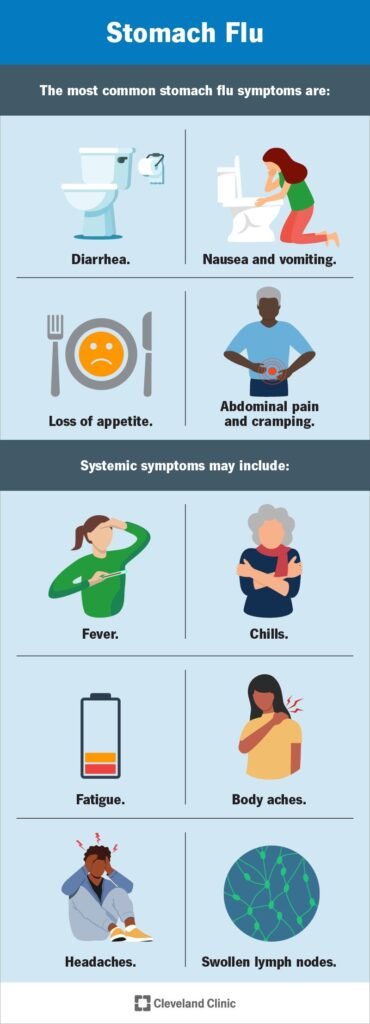
Risk Factors for Stomach Flu
Age
One of the significant risk factors for stomach flu is age. Children under the age of five and older adults are more vulnerable to the illness. Their immune systems are not as strong as those of young and healthy individuals, making them more susceptible to the virus. Therefore, it is crucial to take extra precautions when it comes to young children and older adults to prevent the risk of contracting the stomach flu.
Compromised Immune System
Another vital risk factor for stomach flu is having a compromised immune system. Individuals with weakened immune systems, such as those with HIV/AIDS, cancer patients undergoing chemotherapy, or organ transplant recipients, are more prone to the virus. Their bodies may struggle to fight off the infection, which can lead to severe illness. Taking necessary measures to strengthen the immune system is essential for these individuals to minimize their risk of stomach flu.
Exposure to Infected Individuals
Direct exposure to people infected with the stomach flu significantly increases the risk of catching the virus. The stomach flu is highly contagious and can spread easily through contact with an infected person’s saliva, feces, or vomit. This is especially true in close-quarter settings, such as households, schools, or nursing homes. Therefore, it is crucial to take preventive measures when in proximity to someone who has been affected by the stomach flu to minimize the risk of contracting the illness.
Crowded Settings
Spending time in crowded settings can also increase the risk of stomach flu. In such places, where people are in close proximity, it is easier for the virus to spread from person to person. This can occur in situations like public transportation, shopping malls, or crowded parties. Being mindful of this risk and taking appropriate precautions, such as maintaining personal hygiene and avoiding close contact with potentially infected individuals, is essential to protect yourself from the stomach flu.
Poor Sanitation and Hygiene
Inadequate sanitation and poor hygiene practices contribute significantly to the spread of the stomach flu. Failing to wash hands properly, not sanitizing surfaces, or using contaminated utensils can all provide an opportunity for the virus to enter your body. It is crucial to prioritize good hygiene practices, especially after using the restroom, before handling food, and after coming into contact with potentially contaminated surfaces. By practicing proper sanitation and hygiene, you can reduce the risk of stomach flu transmission.
Traveling to High-Risk Areas
Traveling to regions where the stomach flu is more prevalent can increase your chances of getting infected. Different areas may have different strains or outbreaks of the virus, which your body may not have immunity against. If you plan to travel to high-risk areas, it is essential to take precautions such as avoiding unclean food and water, practicing safe hygiene, and considering any necessary vaccinations to protect yourself from the stomach flu.
Contact with Contaminated Surfaces
Coming into contact with contaminated surfaces can be a source of stomach flu transmission. Surfaces such as doorknobs, handrails, or shared utensils may harbor the virus if someone who is infected has touched them without proper hand hygiene. It is crucial to be mindful of frequently touched surfaces and take measures like regularly disinfecting them to reduce the risk of stomach flu transmission.
Living or Working in Institutions
Living or working in institutions such as hospitals, nursing homes, or correctional facilities can increase the risk of stomach flu due to the close quarters and potential exposure to infected individuals. These settings can facilitate the spread of the virus, making it essential to follow strict hygiene protocols, maintain cleanliness, and promote proper hand hygiene to minimize the risk of contracting the stomach flu.
Lack of Breastfeeding
Infants who are not breastfed have a higher risk of stomach flu due to the absence of protective antibodies passed on from the mother’s milk. Breast milk contains essential nutrients, antibodies, and other immune factors that help protect infants from various infections, including the stomach flu. Therefore, encouraging and promoting breastfeeding can play a crucial role in minimizing the risk of stomach flu in infants.
Pre-existing Medical Conditions
Individuals with pre-existing medical conditions, such as diabetes or gastrointestinal disorders, may have a higher risk of developing severe stomach flu symptoms. These conditions can weaken the immune system or affect the body’s ability to fight off infections, making them more susceptible to complications from the virus. For individuals with pre-existing medical conditions, it is crucial to work closely with healthcare professionals to mitigate the risk of contracting the stomach flu and manage the symptoms effectively.
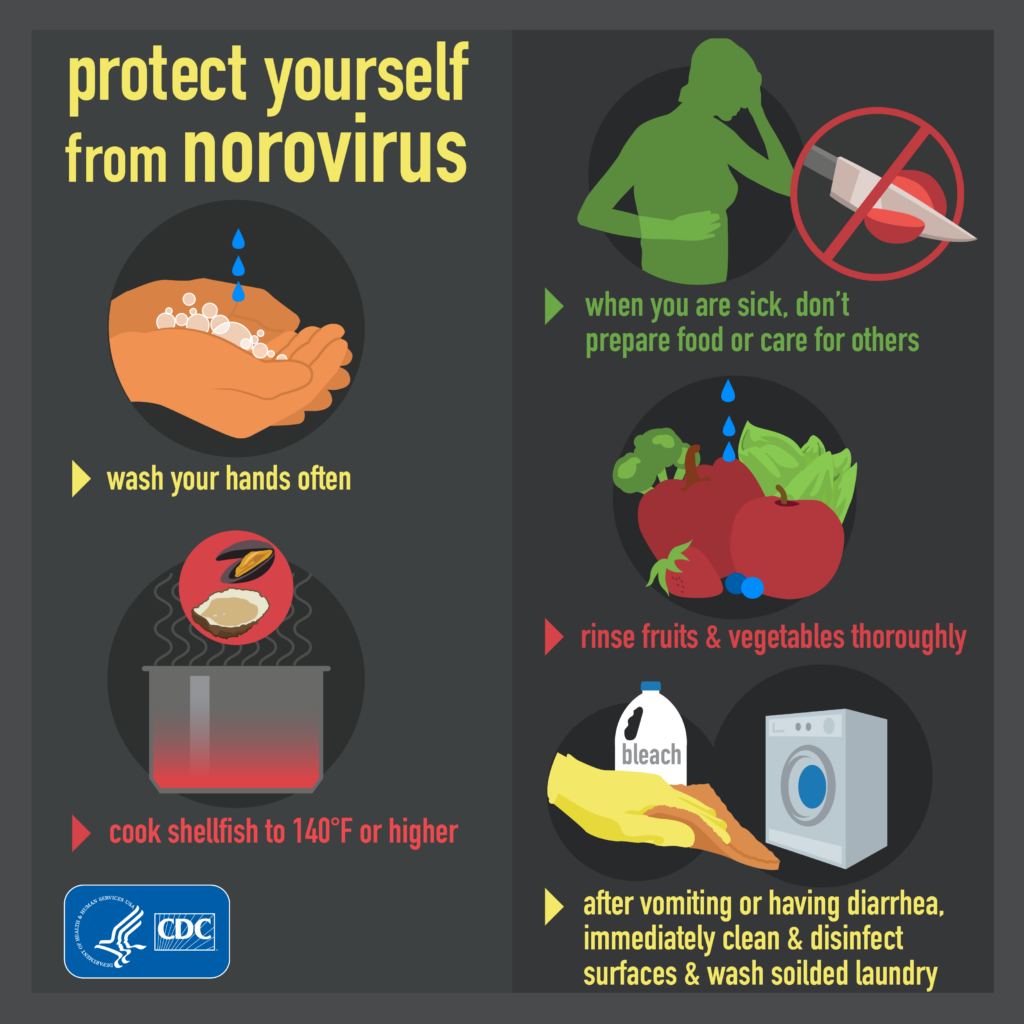
Precautions for Stomach Flu
Hand Hygiene
Practicing good hand hygiene is one of the most effective ways to prevent the spread of stomach flu. Wash your hands thoroughly with soap and water for at least 20 seconds, especially after using the restroom, before handling food, and after coming into contact with potentially contaminated surfaces. If soap and water are not available, use hand sanitizer containing at least 60% alcohol. By consistently practicing proper hand hygiene, you can greatly reduce the risk of contracting and spreading the stomach flu.
Proper Food Handling and Preparation
Proper food handling and preparation are essential to prevent the transmission of the stomach flu through contaminated food. Clean all utensils, surfaces, and kitchen equipment thoroughly before and after use. Cook food thoroughly, especially meats and eggs, and avoid cross-contamination by separating raw and cooked foods. Additionally, avoid consuming raw or undercooked foods, as they can harbor harmful bacteria or viruses that may cause stomach flu. By following good food safety practices, you can minimize the risk of contracting the stomach flu from contaminated food.
Avoiding Contaminated Water and Food
Water and food can be a source of stomach flu transmission if contaminated. Avoid drinking untreated or unfiltered water, especially when traveling to high-risk areas. Ensure that the water you consume is from a safe and reliable source. Be cautious of consuming raw or uncooked seafood, fruits, or vegetables, especially if they have been washed or prepared with contaminated water. By being mindful of the quality and safety of the water and food you consume, you can reduce the risk of stomach flu.
Avoiding Close Contact with Infected Individuals
To minimize the risk of stomach flu transmission, it is important to maintain distance from individuals who are infected or exhibiting symptoms. Avoid close contact, such as hugging or kissing, and refrain from sharing utensils, food, or personal items with anyone who may be infected. If you come into contact with someone who has the stomach flu, follow proper hand hygiene and disinfect any potentially contaminated surfaces to prevent the spread of the virus.
Disinfection of Surfaces
Regularly disinfecting frequently touched surfaces can help prevent the spread of the stomach flu. Clean and disinfect surfaces such as doorknobs, handrails, countertops, and shared equipment with appropriate disinfectants. Pay specific attention to high-traffic areas both at home and in public settings. By maintaining cleanliness and disinfecting surfaces regularly, you can minimize the risk of stomach flu transmission.
Vaccination
Vaccination is a crucial preventive measure against the stomach flu. Consult with your healthcare provider to determine if there are any vaccines available to protect against specific strains of the virus. Vaccination can help boost your immune system’s ability to fight off the virus and reduce the severity of symptoms if you do get infected. By staying up to date with recommended vaccinations, you can significantly reduce the risk of contracting the stomach flu.
Practicing Safe Sex
Engaging in safe sex practices can help reduce the risk of transmitting the stomach flu through sexual contact. Using barriers such as condoms or dental dams can provide a layer of protection against the virus. It is important to maintain good hygiene practices before and after sexual activity, such as proper handwashing, to minimize the risk further. Open communication with your partner about any potential symptoms or exposure to the stomach flu can also help prevent its spread.
Promoting Breastfeeding
Breastfeeding plays a crucial role in preventing stomach flu in infants. If you are able, consider breastfeeding your baby as it provides important antibodies and immune factors that help protect against infections, including the stomach flu. If breastfeeding is not possible, consult with healthcare professionals to explore alternative nutrition options that can help boost your baby’s immune system and minimize the risk of stomach flu.
Avoiding Crowded Settings
Minimizing your exposure to crowded settings can help reduce the risk of stomach flu transmission. Avoid crowded places such as public transportation, shopping malls, or large gatherings, especially during the peak flu season. When in such settings, maintain proper hygiene practices and avoid close contact with potentially infected individuals. By being cautious of crowded spaces, you can lower your risk of contracting the stomach flu.
Maintaining a Healthy Lifestyle
Maintaining a healthy lifestyle is essential in reducing the risk of stomach flu and other illnesses. Get enough sleep, eat a balanced diet rich in fruits and vegetables, exercise regularly, and manage stress effectively. A strong and healthy immune system is better equipped to fight off infections, including the stomach flu. By prioritizing your overall well-being, you can boost your immune system’s defenses and decrease the likelihood of contracting the stomach flu.