
Zika virus, a mosquito-borne illness that emerged as a global health concern in recent years, has raised numerous questions and concerns among people worldwide. In this article, we will explore the risk factors associated with Zika virus and discuss the necessary precautions one must take to protect themselves and their loved ones. By understanding these factors and implementing proper preventive measures, we can ensure a safer, healthier environment for all.

What is Zika Virus
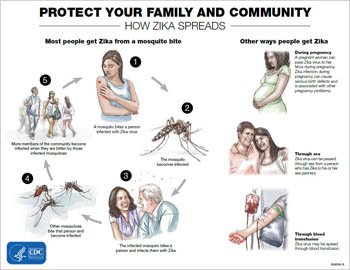
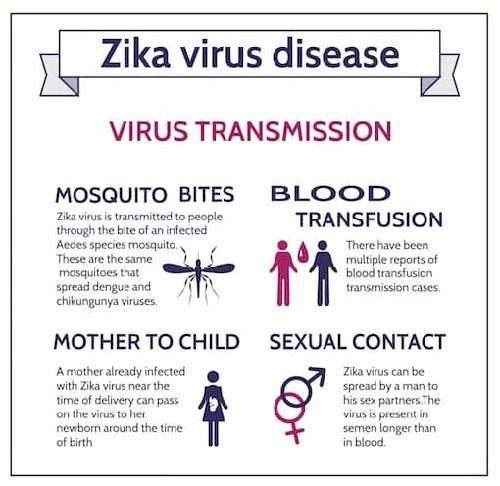
Zika virus is a mosquito-borne viral infection that was first identified in the Zika Forest of Uganda in 1947. It is primarily transmitted through the bite of infected Aedes mosquitoes, particularly Aedes aegypti and Aedes albopictus. These mosquitoes are also responsible for spreading other diseases such as dengue and chikungunya. The virus can also be transmitted through sexual contact, blood transfusion, and from mother to fetus during pregnancy.
Symptoms of Zika Virus
Most individuals infected with Zika virus exhibit mild symptoms or are asymptomatic, making it difficult to identify and control the spread of the virus. Common symptoms include fever, rash, joint pain, muscle aches, red eyes (conjunctivitis), and headache. These symptoms usually last for a few days to a week and are often mistaken for other viral infections. However, the major concern with Zika virus lies in its potential complications and long-term effects.
Complications and Long-Term Effects
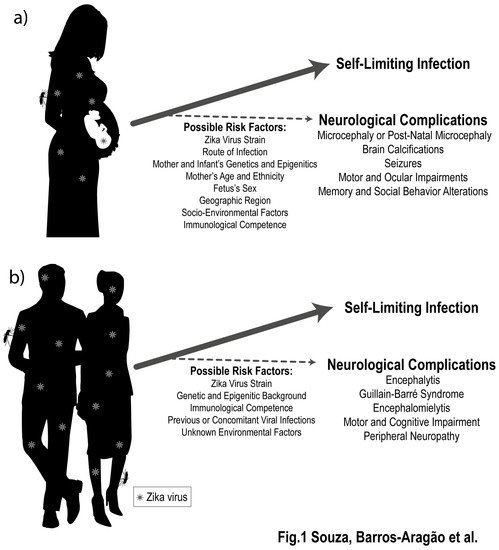
While Zika virus infection is usually harmless, it can pose serious risks, especially for pregnant women and their unborn babies. Zika virus has been strongly linked to microcephaly, a birth defect where babies are born with an abnormally small head and underdeveloped brain. Infected infants may experience developmental delays, intellectual disabilities, neurological disorders, and other health problems throughout their lives. There is also evidence suggesting that Zika virus may contribute to Guillain-Barré syndrome, a rare neurological disorder that can cause paralysis and other severe complications.
Risk Factors for Zika Virus
Geographical Risk Factors
Zika virus is most prevalent in tropical and subtropical regions with a high population of Aedes mosquitoes. Countries in South America, Central America, the Caribbean, and parts of Africa and Asia have reported outbreaks and ongoing transmission of the virus.
Environmental Risk Factors
Factors that increase the risk of Zika virus transmission include poor sanitation, inadequate mosquito control measures, and the presence of stagnant water, which serves as a breeding ground for mosquitoes. Urban areas with crowded populations and limited access to piped water and sanitation systems are particularly vulnerable to Zika outbreaks.
Population Risk Factors
Certain populations face a higher risk of Zika virus infection. This includes individuals who live or travel to affected areas, pregnant women, and those who have compromised immune systems. Additionally, individuals who engage in unprotected sexual activities with someone infected with Zika virus are also at risk of contracting the infection.

Precautions for Zika Virus
Personal Protective Measures
To reduce the risk of Zika virus infection, it is crucial to take personal protective measures. This includes wearing long sleeves, pants, and using insect repellents containing DEET, picaridin, or other EPA-approved ingredients. It is also advisable to stay in air-conditioned or screened-in rooms and use bed nets to prevent mosquito bites, especially during peak mosquito activity hours.
Vector Control Measures
Efficient mosquito control plays a critical role in preventing the spread of Zika virus. This involves eliminating standing water to destroy mosquito breeding sites, using larvicides and insecticides, and implementing community-based efforts to minimize mosquito populations. Collaborative initiatives between government agencies, public health organizations, and local communities are essential to effectively control mosquito populations.
Travel Precautions
Travelers must be aware of the risk of Zika virus in their destination and take appropriate precautions. Before traveling to an area with ongoing Zika transmission, it is important to consult travel advisories and follow the recommendations provided. Pregnant women and couples planning to conceive should consider postponing travel to areas with active Zika virus transmission.
Zika Virus and Pregnancy
Zika Virus and Its Impact on Pregnancy
Pregnant women infected with Zika virus can pass the infection to their unborn babies, leading to severe complications. As mentioned earlier, Zika virus has been linked to microcephaly and other neurological disorders in infants. Additionally, the virus can also cause miscarriages, stillbirths, and other pregnancy-related complications. Therefore, it is crucial for pregnant women to take extra precautions to prevent Zika virus infection.
Prevention and Management for Pregnant Women
Pregnant women should follow strict personal protective measures to minimize the risk of Zika virus transmission. They should avoid traveling to areas with active Zika transmission, particularly during pregnancy. If travel is unavoidable, they should take additional precautions such as wearing protective clothing, using insect repellents, and staying in air-conditioned or screened-in accommodations. It is also essential for pregnant women to seek regular prenatal care and undergo Zika virus testing if they experience symptoms or have potential exposure to the virus.
Diagnosing Zika Virus
Testing Methods for Zika Virus
Zika virus can be diagnosed through several laboratory tests. The most common method is a polymerase chain reaction (PCR) test, which detects the presence of viral genetic material in blood or other bodily fluids. Serologic tests, such as an enzyme-linked immunosorbent assay (ELISA), can also be used to detect antibodies produced in response to Zika virus infection.
Challenges in Zika Virus Diagnosis
Diagnosing Zika virus infection can be challenging due to the similarity of symptoms with other mosquito-borne diseases. Additionally, the virus can be present in the blood for only a short period, making it difficult to detect in individuals who were not tested promptly. It is also important to note that false-positive or false-negative results may occur, highlighting the need for careful interpretation of test results and further confirmatory testing when necessary.
Treatment for Zika Virus
Supportive Care for Zika-Infected Individuals
Currently, there is no specific antiviral treatment available for Zika virus infection. Treatment mainly focuses on relieving symptoms and providing supportive care. This includes getting plenty of rest, drinking fluids to prevent dehydration, taking over-the-counter pain relievers to alleviate fever and pain, and following medical advice regarding any additional complications that may arise.
Experimental Treatments and Vaccines
Various experimental treatments and vaccine development efforts are underway to address Zika virus infection. These include antiviral drugs, such as monoclonal antibodies and small molecule inhibitors, aimed at reducing viral replication and preventing complications. Vaccines are also being developed to protect against Zika virus infection; however, they are still in the early stages of development and testing.
Preventing Zika Virus Outbreaks
Public Health Strategies for Zika Prevention
Preventing Zika virus outbreaks requires a comprehensive approach that combines public health strategies and community involvement. This includes implementing effective mosquito control measures, promoting awareness and education about Zika virus transmission and prevention, and strengthening surveillance and response systems. In addition, collaboration between local, national, and international health authorities is crucial in implementing and coordinating prevention efforts.
Global Coordination and Response Efforts
Given the global nature of Zika virus transmission, international cooperation is essential to combat the spread of the virus. International organizations, such as the World Health Organization (WHO), work closely with governments and health agencies to coordinate response efforts, share information, and provide technical guidance. These collaborative efforts aim to reduce the burden of Zika virus on affected communities and mitigate the potential for future outbreaks.
Zika Virus Research and Surveillance
Research Initiatives for Understanding Zika Virus
Research on Zika virus has significantly increased since the 2015-2016 outbreak. Scientists and researchers are focused on understanding the virus’s biology, transmission dynamics, and potential long-term effects. Studying Zika virus is crucial for the development of effective prevention strategies, diagnostic methods, and treatment options. Ongoing research aims to uncover the mysteries surrounding Zika virus and provide insights on how to control its spread.
Zika Virus Surveillance and Monitoring
Surveillance and monitoring systems are essential for detecting and tracking Zika virus outbreaks. These systems help identify areas with active transmission, monitor the spread of the virus, and provide early warning indicators for potential outbreaks. Through surveillance, public health agencies can implement targeted interventions, allocate resources effectively, and initiate prompt response measures to mitigate the impact of Zika virus on communities.
Lessons from Previous Outbreaks
Lessons Learned from Past Zika Virus Outbreaks
The global outbreak of Zika virus in 2015-2016 revealed several lessons for public health authorities and the scientific community. It highlighted the importance of early detection, accurate diagnosis, and rapid response to emerging infectious diseases. The experience also emphasized the need for robust mosquito control programs, effective communication, and community engagement in preventing and controlling the spread of Zika virus.
Application of Strategies from Previous Outbreaks
The strategies and knowledge gained from previous Zika virus outbreaks have informed the development of prevention and control measures. These strategies, including vector control, personal protective measures, and travel advisories, have been applied to reduce the risk of future outbreaks. Continual evaluation and improvement of these strategies are essential to adapt to evolving challenges and ensure effective prevention and management of Zika virus infections.
In conclusion, Zika virus poses significant risks to public health, particularly for pregnant women and their unborn babies. It is crucial to understand the transmission, symptoms, risk factors, and precautions associated with Zika virus. Personal protective measures, vector control, and travel precautions play a vital role in minimizing the spread of the virus. Ongoing research, surveillance, and international collaboration are crucial in combating Zika virus and preventing future outbreaks. By applying lessons learned from past outbreaks and implementing comprehensive prevention strategies, we can work towards a world with reduced Zika virus impact and improved public health outcomes.