
Hey there! If you’re looking for some important information about STDs, you’ve come to the right place. In this article, we’ll be discussing the risk factors associated with sexually transmitted diseases (STDs) and some precautions you can take to protect yourself. It’s crucial to understand these factors and take proactive measures in order to maintain your sexual health. So, let’s dive right in and empower ourselves with knowledge that will help us make informed choices!
Risk Factors for STDs
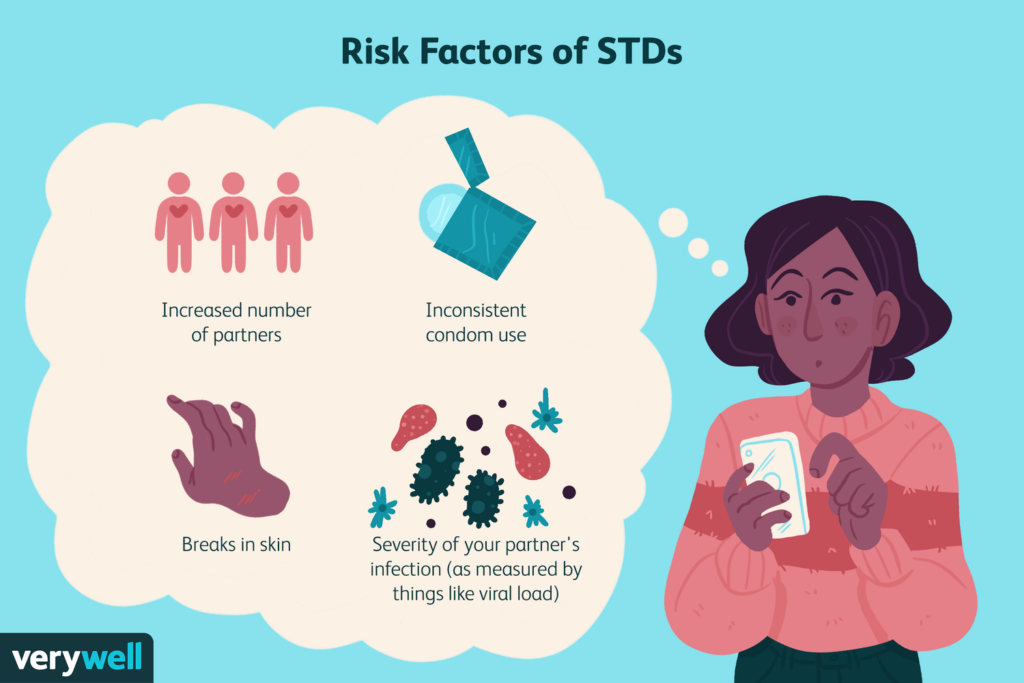
Sexually transmitted diseases (STDs) can affect anyone, but certain risk factors increase the likelihood of acquiring these infections. By being informed about these risk factors, you can take steps to protect yourself and reduce your chances of contracting an STD.
Multiple sexual partners
Engaging in sexual activity with multiple partners increases the risk of contracting an STD. Each new sexual partner brings the potential for exposure to different infections, and the more partners you have, the higher the risk becomes. To minimize your risk, consider practicing mutual monogamy with a single partner, or at least limiting the number of sexual partners.
Unprotected sex
Engaging in sexual activity without using barrier methods, such as condoms, significantly increases the risk of contracting STDs. Without the protection provided by condoms, you are more likely to be exposed to infectious body fluids or skin-to-skin contact that can transmit STDs. Always practice safe sex by consistently and correctly using condoms.
History of STDs
Having a previous history of STDs increases the risk of acquiring new infections. Certain infections, such as herpes and HIV, can remain in the body even after treatment and may increase the susceptibility to other STDs. Make sure to inform your sexual partners about any history of STDs and take necessary precautions to prevent transmission.
Drug or alcohol abuse
Engaging in drug or alcohol abuse can impair judgment and lead to risky sexual behaviors. Being under the influence of substances can increase the likelihood of engaging in unprotected sex or having multiple sexual partners, putting you at a higher risk of acquiring STDs. It’s important to be aware of the potential consequences and make responsible choices regarding substance use and sexual activity.
High-risk sexual behaviors
Certain sexual behaviors, such as anal sex or engaging in sexual activities that cause breaks in the skin, can increase the risk of contracting STDs. These behaviors may lead to a higher likelihood of exposure to infectious fluids or allow for easier entry of pathogens. Consider the potential risks associated with specific sexual activities and take appropriate precautions.
Intravenous drug use
Sharing needles or syringes during drug use greatly increases the risk of acquiring bloodborne infections, including HIV and hepatitis. Intravenous drug use poses a serious threat to your health, and it’s crucial to seek help and utilize harm reduction strategies, such as using clean needles and equipment, to prevent the transmission of STDs.
Sexual contact with infected individuals
Engaging in sexual activity with someone who has an active STD infection greatly increases the risk of transmission. Whether or not obvious symptoms are present, STDs can still be transmitted, making it important to discuss sexual health and get tested regularly. Open and honest communication about sexual history is essential for preventing the spread of infections.
Having a compromised immune system
Individuals with compromised immune systems, such as those living with HIV/AIDS or undergoing immunosuppressive therapy, are at an increased risk of acquiring and experiencing more severe complications from STDs. Maintaining a healthy immune system through a balanced diet, regular exercise, and appropriate medical care can help reduce the risk of infections.
Sexual activity at a young age
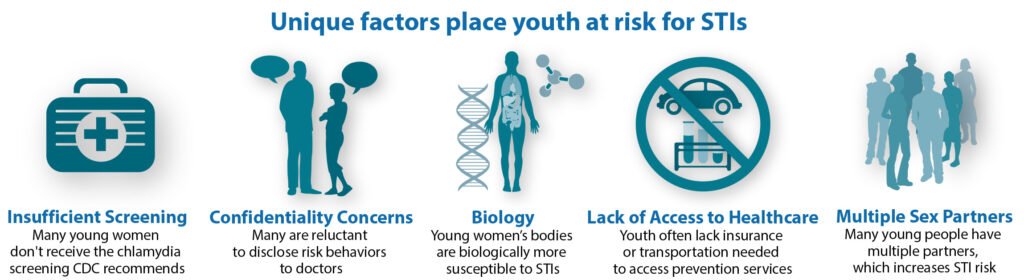
Engaging in sexual activity at a young age can increase the risk of acquiring an STD. Young individuals may have limited knowledge or access to preventive measures, and they may engage in riskier sexual behaviors. Education programs that promote safe sexual practices and emphasize the importance of abstinence or barrier methods can help reduce the risk of STDs in young populations.
Traveling to areas with high STD rates
Traveling to regions with high STD rates exposes individuals to a greater pool of potential infections. Different geographical areas may have higher prevalence rates of specific STDs, and engaging in sexual activity while traveling can increase the risk of acquiring these infections. It’s crucial to be aware of the STD rates in the destination you are visiting and practice safe sexual behavior accordingly.
Precautions to Reduce STD Risk
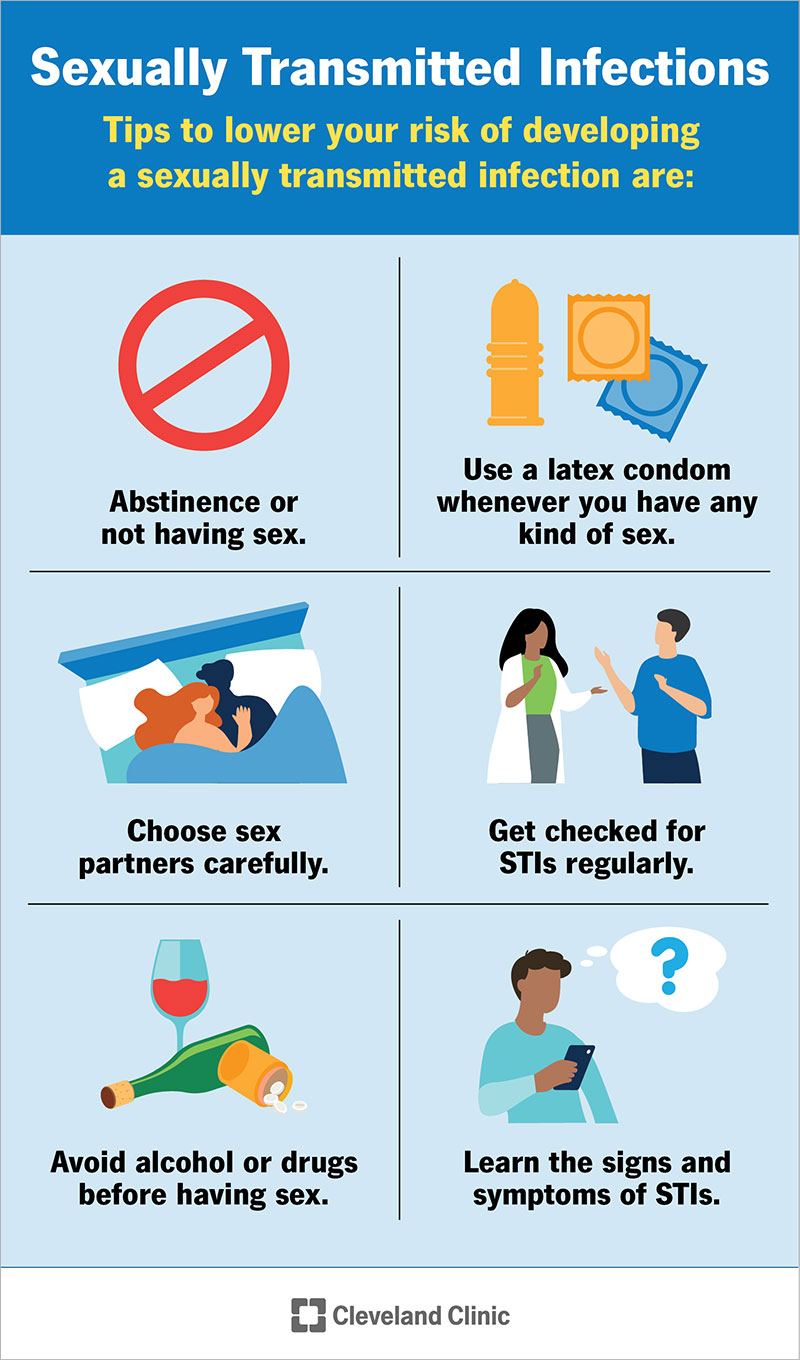
To reduce the risk of acquiring STDs, several precautions can be taken. By incorporating these preventive measures into your sexual practices, you can significantly decrease the chances of becoming infected.
Abstinence
Practicing abstinence means refraining from any sexual activity that carries the risk of transmitting STDs. While complete abstinence may not be a feasible option for everyone, choosing to abstain or delay sexual activity can greatly reduce the risk of STD acquisition.
Mutual monogamy
Engaging in sexual activity within a mutually monogamous relationship with a partner who has been tested and is known to be uninfected can help reduce the risk of STDs. Mutual monogamy means that both partners are committed to only engaging in sexual activity with each other, eliminating the potential for exposure or transmission of infections from outside the relationship.
Correct and consistent condom use
Using condoms correctly and consistently is a crucial preventive measure against STDs. Condoms provide a barrier that reduces the risk of transmission by blocking contact with infectious fluids or skin-to-skin contact. It’s important to use condoms for all sexual activities that carry a risk of transmission, such as vaginal, anal, or oral sex.
Regular STD testing
Regular STD testing is essential for detecting infections and receiving appropriate treatment. By getting tested regularly, you can identify and address any potential infections early on. Testing also promotes open communication with sexual partners about sexual health, helping to reduce the spread of STDs.
Safe sexual practices
Practicing safe sex involves taking precautions to protect yourself and your partners from STDs. These practices may include avoiding risky behaviors, such as unprotected sex or sharing needles, and being knowledgeable about the signs and symptoms of STDs. Communicating openly with your partners and discussing sexual histories can also help in preventing the transmission of infections.
Sharing sexual history
Before engaging in sexual activity with a new partner, it’s important to discuss sexual histories and any potential STD risks. Open and honest communication about past infections, testing, and safe sex practices allows both partners to make informed decisions and take appropriate precautions to protect themselves and each other.
Vaccinations
Certain vaccines can provide protection against specific STDs. Vaccinations, such as the HPV vaccine, can help prevent infections that can lead to cervical cancer or genital warts. It’s advisable to consult with healthcare professionals to determine which vaccines are recommended for you based on your age, gender, and sexual activity.
Avoiding substance abuse
Substance abuse can impair judgment and lead to risky sexual behaviors, increasing the chances of acquiring STDs. Avoiding or seeking help for substance abuse can decrease the likelihood of engaging in unprotected sex or other risky sexual activities.
Maintaining a healthy immune system
A healthy immune system plays a crucial role in preventing and fighting off infections, including STDs. It’s essential to maintain good overall health by adopting a balanced diet, regular exercise, adequate sleep, and managing stress. Taking care of your immune system can enhance your body’s ability to defend against pathogens, reducing the risk of contracting STDs.
Educational programs and awareness
Educational programs and raising awareness about STDs can help individuals make informed decisions about their sexual health. By providing accurate information about transmission, prevention, and available resources, these programs can empower individuals to protect themselves and their partners from STDs. It’s important to stay updated and informed about the latest research and recommendations on STD prevention.
Commonly Transmitted STDs
Understanding the different types of STDs is crucial for recognizing their symptoms, seeking appropriate treatment, and taking preventive measures. The following are some of the most commonly transmitted STDs:
Chlamydia
Chlamydia is a bacterial infection that can be transmitted through vaginal, anal, or oral sex. It often presents without symptoms, making regular testing essential for detection. If left untreated, chlamydia can lead to serious health complications, such as pelvic inflammatory disease and infertility. Safe sex practices, including condom use, can help prevent chlamydia transmission.
Gonorrhea
Gonorrhea is a bacterial infection that can be transmitted through sexual contact with an infected individual. Like chlamydia, it may not always cause noticeable symptoms. If left untreated, gonorrhea can lead to pelvic inflammatory disease, infertility, and other complications. Using condoms consistently can reduce the risk of gonorrhea transmission.
Human papillomavirus (HPV)
HPV is a viral infection that can be transmitted through skin-to-skin contact, including sexual contact. It is one of the most common STDs worldwide. HPV can lead to genital warts and various types of cancers, including cervical, anal, and oropharyngeal cancer. Vaccination against HPV is available and recommended for individuals of eligible age groups.
Herpes
Herpes is a viral infection caused by the herpes simplex virus (HSV). It can be transmitted through direct skin-to-skin contact, including sexual contact. Herpes often presents as painful sores or blisters. While there is no cure for herpes, antiviral medications can help manage outbreaks and reduce the risk of transmission. Practicing safe sex, including using condoms and avoiding sexual activity during outbreaks, can help prevent herpes transmission.
Syphilis
Syphilis is a bacterial infection that can be transmitted through sexual contact, including vaginal, anal, or oral sex. It progresses in stages and can cause various symptoms, including sores, rashes, and systemic effects if left untreated. Syphilis can lead to severe complications if not diagnosed and treated timely. Using condoms can reduce the risk of syphilis transmission.
HIV/AIDS
HIV (human immunodeficiency virus) is a viral infection that can lead to AIDS (acquired immunodeficiency syndrome) if left untreated. It is primarily transmitted through sexual contact, sharing needles during drug use, or from an infected mother to her child during childbirth or breastfeeding. HIV weakens the immune system, making individuals more susceptible to other infections and diseases. Safe sex practices, including condom use, and avoiding sharing needles or other drug paraphernalia can help prevent HIV transmission.
Trichomoniasis
Trichomoniasis is a common sexually transmitted infection caused by a parasite. It can be transmitted through sexual contact, including vaginal intercourse. In women, trichomoniasis can cause vaginal itching, discharge, and discomfort. In men, it can lead to urethral discharge and discomfort. Treatment with prescription medications is necessary to eliminate the infection.
Hepatitis
Hepatitis refers to inflammation of the liver. Hepatitis B and C are viral infections that can be transmitted through sexual contact, sharing needles, or from mother to child during childbirth. Chronic hepatitis can lead to severe liver disease, including cirrhosis and liver cancer. Vaccination against hepatitis B is available, and practicing safe sex and avoiding sharing needles can reduce the risk of hepatitis transmission.
Genital warts
Genital warts are caused by certain strains of HPV and can be transmitted through sexual contact. These warts can appear on the genital area and may cause discomfort or itching. While treatments can remove visible warts, the virus may persist in the body. Safe sex practices, including condom use, can reduce the risk of genital warts transmission.
Pelvic inflammatory disease (PID)
Pelvic inflammatory disease is an infection of the female reproductive organs, commonly caused by untreated chlamydia or gonorrhea. PID can lead to chronic pelvic pain, infertility, ectopic pregnancy, and other complications. Early diagnosis and treatment of chlamydia and gonorrhea can help prevent the development of PID.

Understanding Chlamydia
Chlamydia is a bacterial infection caused by the Chlamydia trachomatis organism. It is one of the most common STDs and can affect both men and women. Understanding the causes, symptoms, diagnosis, treatment, preventive measures, complications, and safe sex practices related to chlamydia is essential for promoting sexual health.
Causes and symptoms
Chlamydia is primarily transmitted through vaginal, anal, or oral sex with an infected individual. It can also be transmitted during childbirth from an infected mother to her newborn. Many people infected with chlamydia may not experience noticeable symptoms, which increases the risk of unknowingly transmitting the infection to others. When symptoms do occur, they may include abnormal vaginal or penile discharge, painful urination, lower abdominal pain, and in some cases, rectal pain or discharge.
Diagnosis and treatment
Chlamydia can be diagnosed through various methods, including urine tests or swabs from the genital area. Testing is important, particularly for sexually active individuals or those with a new sexual partner, as early detection allows for prompt treatment. Chlamydia is typically treated with antibiotics, such as azithromycin or doxycycline, which can effectively clear the infection.
Preventive measures
Practicing safe sex is crucial for preventing chlamydia. Using condoms consistently and correctly during sexual activity can greatly reduce the risk of transmission. Getting tested regularly and discussing sexual histories with partners can also help prevent the spread of chlamydia. It’s important to note that previous infection does not provide immunity, so practicing preventive measures remains essential even after treatment.
Complications and long-term effects
If left untreated, chlamydia can lead to serious complications. In women, the infection can ascend to the upper reproductive organs, causing pelvic inflammatory disease, which can result in chronic pelvic pain, infertility, and increased susceptibility to ectopic pregnancy. In men, untreated chlamydia can lead to epididymitis, an inflammation of the tube that stores and carries sperm, which can cause pain and potential fertility issues.
Safe sex practices to avoid chlamydia
Practicing safe sex is the best way to avoid chlamydia. Consistently using condoms during every sexual encounter, including vaginal, anal, and oral sex, can provide a barrier against the transmission of the bacteria. Communicating openly with sexual partners about STD testing and sexual histories can also help in preventing the spread of chlamydia. Regular testing, particularly for individuals at higher risk, allows for early detection and treatment, reducing the chances of complications.
