
If you’ve ever experienced the uncomfortable sensation of painful urination, you’re not alone. In this article, we’ll explore the various risk factors that can contribute to this condition and discuss some important precautions you can take to alleviate the discomfort. From urinary tract infections to sexually transmitted diseases, understanding the factors that increase your likelihood of experiencing painful urination is essential for maintaining your urinary health. So, let’s dive in and learn how to protect yourself from this bothersome issue.
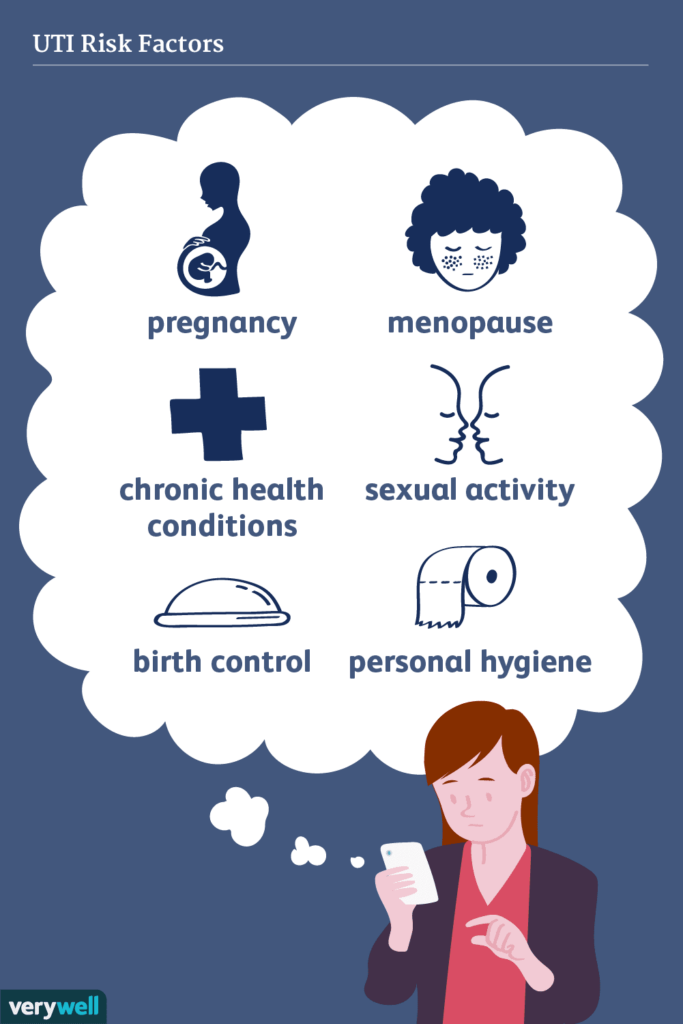
Risk Factors for Painful Urination
Painful urination, also known as dysuria, can be caused by a variety of factors. Understanding these risk factors is crucial for maintaining a healthy urinary system. Here are some common causes of painful urination:
Urinary Tract Infections (UTIs)
UTIs are one of the leading causes of painful urination. They occur when bacteria enter the urinary tract, causing infection. Women are more prone to UTIs due to a shorter urethra, making it easier for bacteria to travel to the bladder. Symptoms of UTIs include a burning sensation during urination, frequent urination, and cloudy or bloody urine.
Sexually Transmitted Infections (STIs)
Certain STIs, such as gonorrhea and chlamydia, can also lead to painful urination. These infections are typically transmitted through sexual contact and can cause inflammation and infection in the urinary tract. It is important to practice safe sex and get regular STI screenings to prevent and detect such infections.
Kidney Stones
Kidney stones are hard deposits that form in the kidneys and can cause severe pain during urination. These stones are made up of minerals and salts that crystallize in the urine. Common symptoms of kidney stones include sharp back or abdominal pain, blood in the urine, and a frequent urge to urinate.
Enlarged Prostate
In men, an enlarged prostate can lead to painful urination. The prostate is a gland located beneath the bladder, and when it becomes enlarged, it can put pressure on the urethra, causing difficulty and pain during urination. Other symptoms of an enlarged prostate include weak urine flow and frequent nighttime urination.
Bladder or Kidney Infections
Infections in the bladder or kidneys can cause painful urination. These infections can occur when bacteria enter the urinary system and multiply. Symptoms may include pain in the lower abdomen or back, fever, and frequent urination. Prompt medical attention is important to prevent the infection from spreading to the kidneys.
Certain Medications
Some medications can cause painful urination as a side effect. Certain antibiotics, diuretics, and chemotherapy drugs may irritate the urinary tract and lead to discomfort during urination. It is important to report any unusual symptoms to your healthcare provider if you suspect your medication may be the cause.
Poor Hygiene
Maintaining good hygiene is essential for preventing painful urination. Poor hygiene, such as not cleaning the genital area properly, can lead to infections and irritation. It is important to wash the genital area regularly, especially before and after sexual activity, to keep bacteria at bay and reduce the risk of painful urination.
Dehydration
Dehydration can contribute to painful urination. When the body lacks sufficient water, urine becomes concentrated and can irritate the urinary tract. It is important to stay adequately hydrated by drinking plenty of water throughout the day. This will help flush toxins out of the body and maintain a healthy urinary system.
Diabetes
Diabetes is a chronic condition that can affect various parts of the body, including the urinary system. High blood sugar levels can lead to frequent UTIs, nerve damage, and bladder dysfunction, resulting in painful urination. Managing diabetes properly through medication, a balanced diet, and regular exercise can help reduce the risk of urinary complications.
Chemical Irritants
Exposure to certain chemicals can irritate the urinary tract and lead to painful urination. These irritants can be found in soaps, perfumes, bubble baths, and other personal care products. Avoiding these irritants, or using gentle, hypoallergenic alternatives, can help prevent discomfort during urination.
Precautions to Prevent Painful Urination
While it is not always possible to prevent every case of painful urination, there are precautions individuals can take to reduce the risk. By implementing these preventive measures, you can maintain a healthy urinary system and reduce the likelihood of experiencing discomfort during urination.
Maintain Good Hygiene
Practicing good hygiene is essential for preventing urinary tract infections and other urinary issues. It is important to wash the genital area with gentle, fragrance-free soap and water regularly. Additionally, always wipe from front to back after using the toilet to avoid introducing harmful bacteria into the urinary tract.
Drink Plenty of Water
Staying hydrated is crucial for maintaining a healthy urinary system. Drinking an adequate amount of water helps flush out toxins and bacteria, preventing them from accumulating in the urinary tract. Aim to drink at least eight glasses of water a day, and increase your intake if you are engaging in physical activity or in hot weather.
Practice Safe Sex
Engaging in safe sex practices can greatly reduce the risk of sexually transmitted infections that can cause painful urination. Use condoms consistently and correctly, and consider getting regular STI screenings, especially if you have multiple sexual partners or engage in high-risk behaviors.
Avoid Chemical Irritants
Certain chemicals found in personal care products can irritate the urinary tract and lead to painful urination. Opt for gentle, fragrance-free soaps, shampoos, and bath products that are less likely to cause irritation. Avoid using harsh detergents or chemicals when washing undergarments and consider using hypoallergenic laundry detergents.
Urinate Before and After Sexual Activity
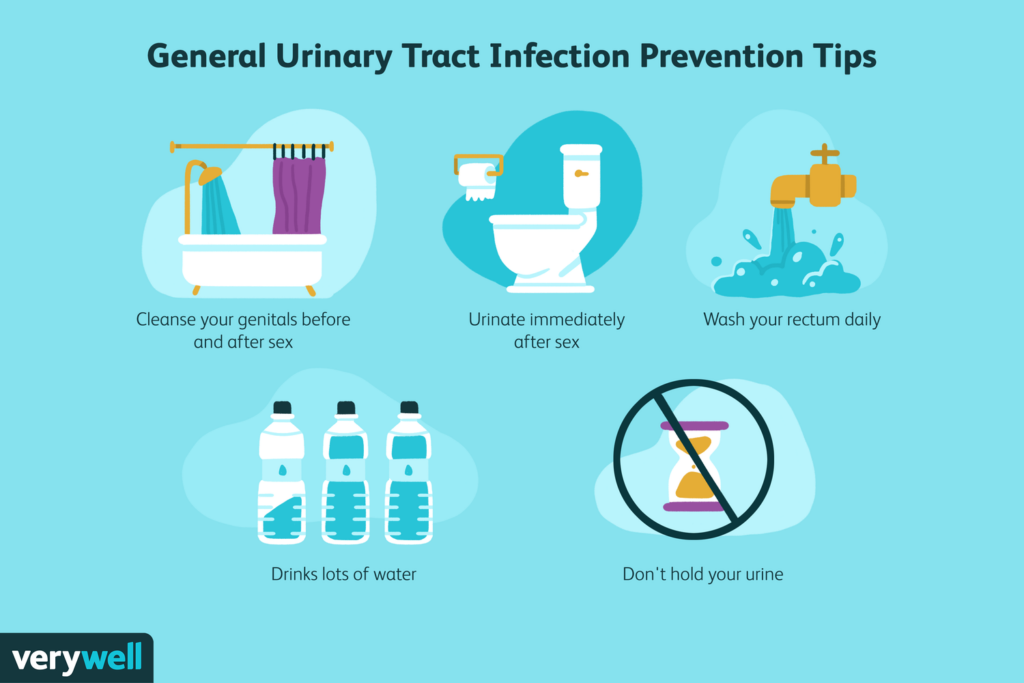
Emptying the bladder before and after sexual activity can help flush out bacteria that may have entered the urinary tract during intercourse. This can help prevent urinary tract infections and reduce the risk of painful urination. Additionally, urinating after sexual activity can help clear any bacteria that may have been pushed toward the urethra.
Take Medications as Prescribed
If you are taking medications that can potentially cause painful urination as a side effect, it is essential to follow your healthcare provider’s instructions carefully. Always take medications as prescribed and discuss any concerns or side effects with your healthcare provider. They may be able to adjust your dosage or suggest alternative medications if needed.
Maintain a Healthy Diet
Eating a nutritious, balanced diet can support overall urinary health. Aim to consume a variety of fruits, vegetables, lean proteins, and whole grains. Avoid excessive consumption of processed foods, sugary drinks, and foods high in sodium, as they can contribute to urinary issues and increase the risk of infections.
Manage Diabetes Properly
Properly managing diabetes is crucial for preventing urinary complications. This includes monitoring blood sugar levels, taking prescribed medication as directed, and following a healthy diet and exercise routine. Regular check-ups with your healthcare provider are essential for monitoring your diabetes and addressing any urinary issues promptly.
Avoid Holding Urine for Prolonged Periods
Holding urine for extended periods can increase the risk of urinary tract infections and lead to painful urination. When urine is held in the bladder, bacteria have more time to multiply, increasing the chance of infection. It is important to empty your bladder regularly and avoid delaying urination when you feel the urge to go.
Seek Immediate Medical Attention
If you experience painful urination, it is important to seek immediate medical attention. Painful urination can be a symptom of an underlying medical condition that requires prompt treatment. Additionally, if you have any other concerning symptoms or if your painful urination persists despite taking preventive measures, consult with a healthcare professional for a proper diagnosis and appropriate treatment.
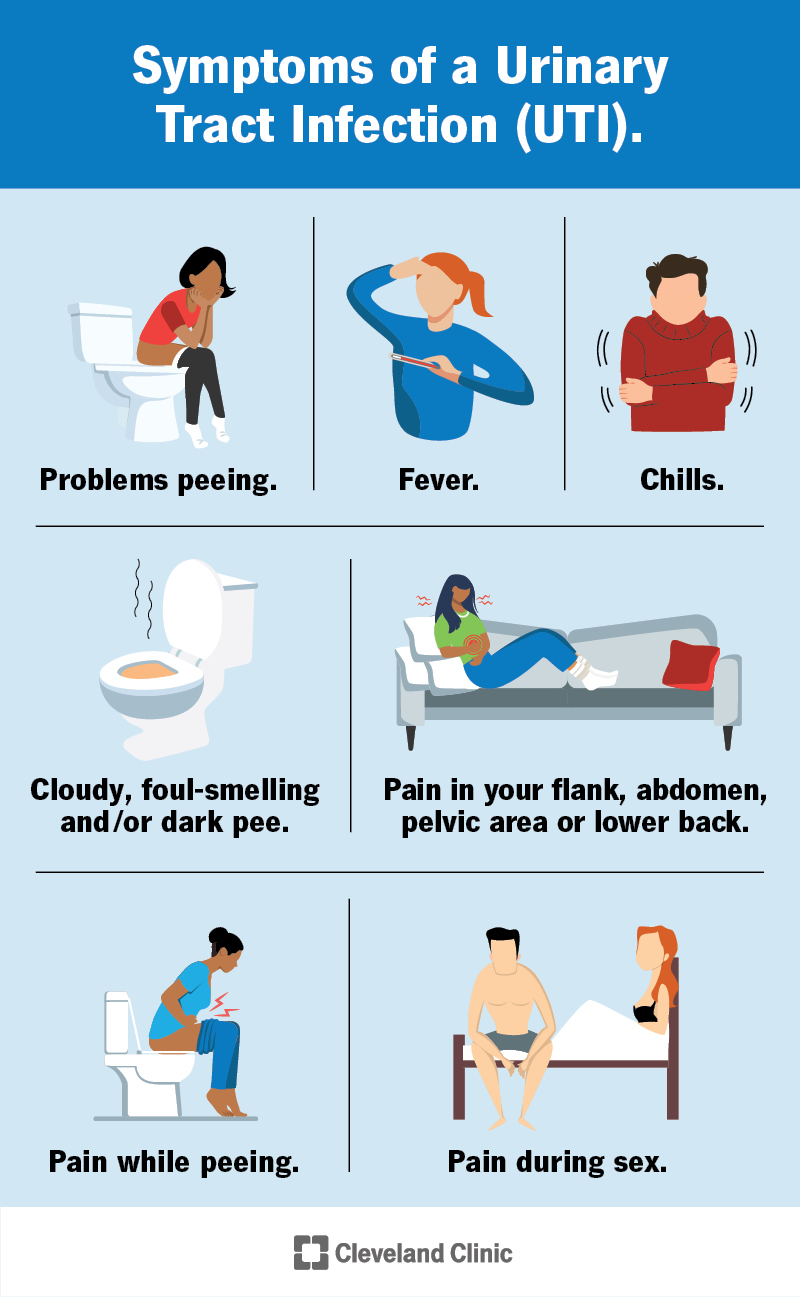
Urinary Tract Infections (UTIs)
Urinary tract infections, or UTIs, are common infections that can cause painful urination. Understanding the causes, symptoms, risk factors, prevention, and treatment options for UTIs is crucial for managing these infections effectively.
Causes of UTIs
UTIs occur when bacteria enter the urinary tract and multiply, causing an infection. The most common type of bacteria involved in UTIs is Escherichia coli (E. coli), which is normally found in the gastrointestinal tract. However, other bacteria, such as Staphylococcus or Proteus, can also be responsible for UTIs.
Symptoms of UTIs
Typical symptoms of UTIs include a burning sensation or pain during urination, frequent and urgent urination, cloudy or strong-smelling urine, and pelvic pain. In some cases, UTIs can cause blood in the urine. If left untreated, UTIs can spread to the kidneys and lead to more severe symptoms, such as fever, back pain, and nausea.
Risk Factors for UTIs
Several factors can increase the risk of developing a UTI. Women are more prone to UTIs due to their shorter urethra, which allows bacteria to reach the bladder more easily. Sexual intercourse can introduce bacteria into the urinary tract, increasing the risk of infection. Other risk factors include urinary tract abnormalities, urinary catheter use, and conditions that suppress the immune system.
Prevention of UTIs
Preventing UTIs involves implementing good hygiene practices and lifestyle changes. Drinking plenty of water helps flush bacteria out of the urinary tract, reducing the risk of infection. Wiping from front to back after using the toilet can prevent harmful bacteria from entering the urinary tract. Urinating before and after sexual activity can also help flush out any bacteria that may have entered the urethra.
Treatment for UTIs
UTIs are typically treated with antibiotics to eliminate the bacteria causing the infection. Your healthcare provider will prescribe the appropriate antibiotic based on the type of bacteria and the severity of the infection. It is important to complete the full course of antibiotics to ensure the infection is fully cleared. Drinking plenty of water can also help flush out the bacteria. In severe cases, hospitalization may be required for intravenous antibiotics.
Sexually Transmitted Infections (STIs)
In addition to UTIs, certain sexually transmitted infections (STIs) can cause painful urination. Understanding the common STIs that can lead to dysuria, their symptoms, prevention, and testing and treatment options is vital for maintaining sexual health.
Common STIs that Cause Painful Urination
Gonorrhea and chlamydia are two common STIs that can cause painful urination. Gonorrhea is caused by the bacteria Neisseria gonorrhoeae and can lead to a variety of symptoms, including painful urination, abnormal discharge, and pelvic pain. Chlamydia is caused by the bacteria Chlamydia trachomatis and often presents with similar symptoms, including painful urination, abnormal discharge, and lower abdominal pain.
Symptoms of STIs
In addition to painful urination, common symptoms of STIs may include unusual discharge, genital sores or blisters, itching or burning sensations in the genital area, and pain during intercourse. However, it is important to note that many STIs can be asymptomatic, meaning they do not cause noticeable symptoms. Regular STI screenings are essential for early detection and treatment.
Prevention of STIs
Practicing safe sex is crucial for preventing STIs that can cause painful urination. This includes using condoms consistently and correctly during sexual activity, maintaining open communication with sexual partners about sexual history, and getting regular STI screenings. Limiting the number of sexual partners and avoiding high-risk behaviors can also help reduce the risk of contracting STIs.
Testing and Treatment for STIs
If you suspect you may have an STI or are experiencing painful urination and other concerning symptoms, it is important to get tested by a healthcare professional. STI testing typically involves urine or blood tests, and in some cases, swabs may be taken from the affected area. Prompt treatment with antibiotics or antiviral medication, if necessary, can effectively treat most STIs and prevent complications.
Kidney Stones
Kidney stones can lead to excruciating pain during urination. Understanding the causes, symptoms, risk factors, prevention, and treatment options for kidney stones is vital for managing and preventing these painful urinary obstructions.
Causes of Kidney Stones
Kidney stones are formed when certain substances, such as calcium, oxalate, or uric acid, crystallize and accumulate in the kidneys. The exact cause of kidney stone formation is often multifactorial and can be influenced by diet, fluid intake, family history, and underlying medical conditions. Dehydration, certain medications, and urinary tract infections can also increase the risk of kidney stone formation.
Symptoms of Kidney Stones
The symptoms of kidney stones can vary depending on their size and location. Small kidney stones may be asymptomatic and pass through the urinary tract without causing noticeable symptoms. However, larger stones can cause severe pain in the back or abdomen, blood in the urine, frequent urination, and a persistent urge to urinate. In some cases, kidney stones can lead to urinary tract infections.
Risk Factors for Kidney Stones
Several factors can increase the risk of developing kidney stones. These include a family or personal history of kidney stones, certain medical conditions such as hypercalciuria or gout, a diet high in sodium or oxalate, obesity, and prolonged dehydration. Additionally, some medications, such as diuretics or antacids containing calcium, can increase the risk of kidney stones.
Prevention of Kidney Stones
Preventing kidney stones involves making certain lifestyle changes and dietary modifications. Staying adequately hydrated by drinking plenty of water helps dilute the urine and prevent the accumulation of stone-forming substances. Eating a balanced diet low in sodium, oxalate-rich foods (such as spinach and rhubarb), and animal proteins can also help reduce the risk of kidney stone formation. Avoiding excessive consumption of alcohol and maintaining a healthy weight are also important preventive measures.
Treatment for Kidney Stones
The treatment for kidney stones depends on their size and location. Small stones can often be passed naturally through the urinary tract with the help of pain medication and increased fluid intake. However, larger stones may require medical intervention. Treatments such as extracorporeal shock wave lithotripsy (ESWL), ureteroscopy, or percutaneous nephrolithotomy (PCNL) may be needed to break up or remove the stones. The choice of treatment depends on several factors and should be determined by a healthcare professional.
Enlarged Prostate
Enlargement of the prostate gland, also known as benign prostatic hyperplasia (BPH), can result in painful urination for men. Understanding the causes, symptoms, risk factors, prevention, and treatment options for an enlarged prostate is essential for managing this common condition.
Causes of an Enlarged Prostate
The exact cause of an enlarged prostate is not fully understood. However, hormonal imbalances associated with aging, specifically an increase in dihydrotestosterone (DHT), are believed to play a role in triggering prostate gland growth. Over time, this growth can put pressure on the urethra, leading to painful and difficult urination.
Symptoms of an Enlarged Prostate
Symptoms of an enlarged prostate can include frequent urination, weak urine flow, difficulty starting and stopping urination, a feeling of incomplete bladder emptying, and pain or burning during urination. These symptoms can significantly impact a man’s quality of life and require proper management to relieve discomfort.
Risk Factors for an Enlarged Prostate
The risk of developing an enlarged prostate increases with age, particularly after the age of 40. Family history and certain hormonal factors can also contribute to the development of this condition. Obesity and certain medical conditions, such as diabetes and heart disease, may also increase the risk of an enlarged prostate.
Prevention of an Enlarged Prostate
While the exact prevention of an enlarged prostate is not known, certain lifestyle modifications may help reduce the risk or slow the progression of the condition. Regular exercise and maintaining a healthy weight can have a positive impact on prostate health. Avoiding excessive alcohol consumption and practicing good stress management techniques may also be beneficial.
Treatment for an Enlarged Prostate
Treatment options for an enlarged prostate depend on the severity of symptoms and the impact on an individual’s quality of life. Medications, such as alpha blockers or 5-alpha reductase inhibitors, may be prescribed to relieve symptoms and reduce the size of the prostate. In some cases, minimally invasive procedures or surgery may be necessary to remove or reduce the size of the prostate gland.
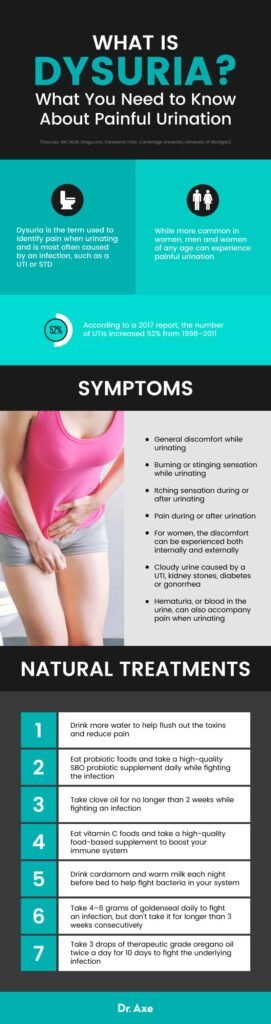
Bladder or Kidney Infections
Infections in the bladder or kidneys can cause painful urination. Understanding the causes, symptoms, risk factors, prevention, and treatment options for bladder or kidney infections is crucial for maintaining urinary health.
Causes of Bladder or Kidney Infections
Bladder or kidney infections, also known as urinary tract infections (UTIs) or pyelonephritis, occur when bacteria enter the urinary tract and multiply, leading to infection. The most common cause of these infections is the bacteria Escherichia coli (E. coli), which is commonly found in the gastrointestinal tract. Other bacteria, such as Klebsiella or Proteus, can also cause bladder or kidney infections.
Symptoms of Bladder or Kidney Infections
Symptoms of bladder or kidney infections can include painful urination, frequent urination, urgent urination, cloudy or blood-tinged urine, pelvic pain, and fever. In severe cases, these infections can cause back pain, nausea, and vomiting. It is important to seek medical attention if you suspect you have a bladder or kidney infection, as prompt treatment is necessary to prevent complications.
Risk Factors for Bladder or Kidney Infections
Several factors can increase the risk of developing bladder or kidney infections. Women are more prone to these infections due to their shorter urethra, which makes it easier for bacteria to reach the bladder. Other risk factors include urinary tract abnormalities, urinary catheter use, pregnancy, menopause, and certain medical conditions that weaken the immune system.
Prevention of Bladder or Kidney Infections
Preventing bladder or kidney infections involves maintaining good hygiene practices and implementing lifestyle changes. Drinking plenty of water helps flush bacteria out of the urinary tract, reducing the risk of infection. Wiping from front to back after using the toilet can prevent bacteria from entering the urinary tract. Promptly treating any underlying urinary tract abnormalities or conditions can also help prevent infections.
Treatment for Bladder or Kidney Infections
Treatment for bladder or kidney infections typically involves a course of antibiotics to eliminate the bacteria causing the infection. Drinking plenty of water can help flush out the bacteria and alleviate symptoms. In severe cases, hospitalization and intravenous antibiotics may be necessary. It is important to complete the full course of antibiotics as prescribed to ensure the infection is fully cleared.
Certain Medications
Some medications can cause painful urination as a side effect. Understanding which medications can potentially lead to this symptom, their side effects, and the necessary precautions is important for managing medication-related urinary discomfort.
Medications that Can Cause Painful Urination
Certain medications can irritate the urinary tract and cause painful urination as a side effect. Some antibiotics, such as sulfonamides or fluoroquinolones, may lead to urinary discomfort. Diuretics, commonly used to reduce fluid retention, can increase urine production and potentially irritate the urinary tract. Chemotherapy drugs and certain pain medications, such as phenazopyridine, can also cause urinary discomfort.
Side Effects of Medications
In addition to painful urination, certain medications can have other side effects on the urinary system. These can include urinary frequency, urgency, or incontinence. Some medications may also cause changes in urine color or odor. If you experience any concerning side effects while taking medication, it is important to consult with your healthcare provider.
Precautions with Medications
If you suspect that a medication is causing painful urination or other urinary symptoms, it is important to discuss your concerns with your healthcare provider. They may be able to adjust your dosage or prescribe alternative medications that are less likely to cause urinary discomfort. It is crucial to never stop taking prescribed medications without consulting with a healthcare professional.
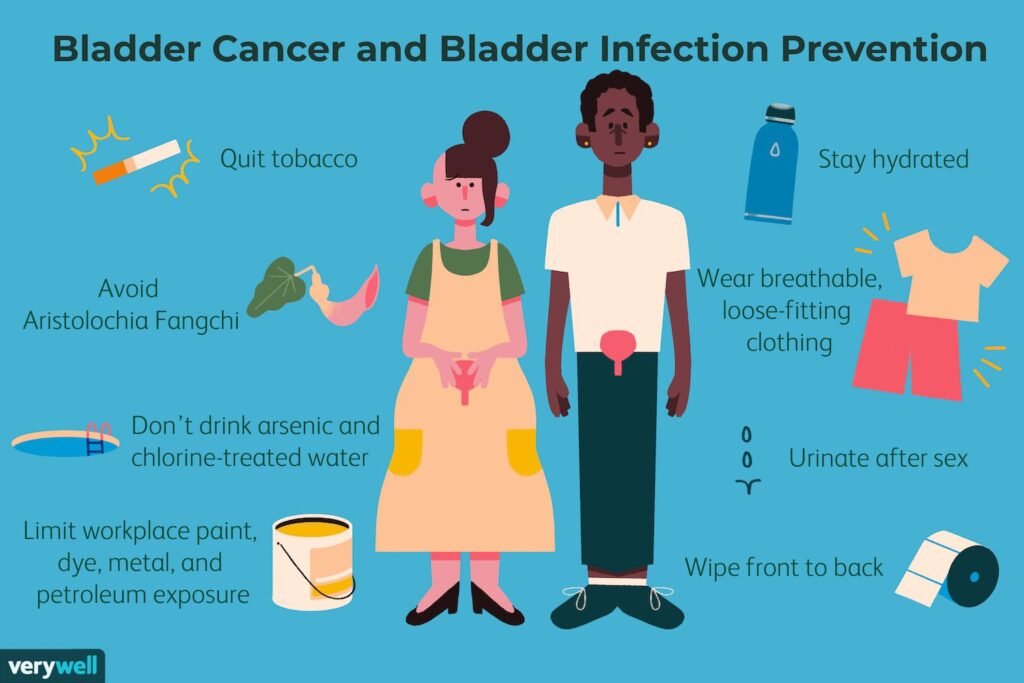
Poor Hygiene
Poor hygiene can have a negative impact on urinary health and contribute to painful urination. Understanding the effects of poor hygiene, the importance of good hygiene, and the steps for maintaining proper hygiene is essential for preventing urinary tract infections and other issues.
Effects of Poor Hygiene on Urinary Health
Poor hygiene can introduce harmful bacteria into the urinary tract and increase the risk of urinary tract infections. Failing to clean the genital area properly, especially after using the toilet or before and after sexual activity, can allow bacteria to multiply and cause irritation. These infections can lead to painful urination and other uncomfortable symptoms.
Importance of Good Hygiene
Maintaining good hygiene is crucial for preventing urinary tract infections and other urinary problems. Regularly washing the genital area with gentle, fragrance-free soap and water helps remove bacteria and maintain a healthy urinary environment. Wiping from front to back after using the toilet prevents the spread of bacteria from the anal area to the urinary tract.
Steps for Good Hygiene
To maintain good hygiene and promote urinary health, it is important to follow a few simple steps:
- Wash the genital area daily with mild, fragrance-free soap and warm water.
- After using the toilet, always wipe from front to back to prevent the spread of bacteria.
- Before and after sexual activity, wash the genital area to remove any bacteria that may be present.
- Avoid using harsh detergents or chemicals when washing undergarments, and opt for hypoallergenic laundry detergents.
- Wear clean underwear made of breathable materials, such as cotton, to promote good airflow and reduce moisture build-up.
By incorporating these hygienic practices into your daily routine, you can reduce the risk of urinary tract infections and maintain optimal urinary health.
Seek Immediate Medical Attention
In certain cases, painful urination may indicate an underlying medical condition that requires prompt medical attention. Understanding when to seek immediate medical attention, the medical conditions that require prompt intervention, and the importance of proper diagnosis and treatment is crucial for managing urinary issues effectively.
When to See a Doctor
If you experience persistent painful urination, it is important to seek immediate medical attention. Additionally, if your symptoms worsen or are accompanied by severe abdominal or back pain, blood in the urine, fever, or other concerning symptoms, do not delay seeking medical care. Prompt evaluation and treatment can help identify and address any underlying issues.
Medical Conditions Requiring Prompt Attention
Painful urination can be a symptom of various medical conditions that require urgent medical attention. These conditions include bladder or kidney infections, kidney stones, sexually transmitted infections, and other urinary tract abnormalities. Prompt intervention is necessary to prevent complications and promote recovery.
Underlying Health Issues
Painful urination can also be a symptom of underlying health conditions, such as diabetes or prostate enlargement. Proper diagnosis and management of these conditions are crucial for maintaining urinary health and overall well-being. Regular check-ups with healthcare providers and open communication about any urinary symptoms are essential for early detection and treatment.
Getting Proper Diagnosis and Treatment
When experiencing painful urination, it is important to seek professional medical advice to determine the underlying cause and appropriate treatment. Healthcare providers can perform diagnostic tests, such as urine analysis or imaging studies, to identify any infections, stones, or other abnormalities. Based on the results, they can recommend the most effective treatment options and provide necessary medications or interventions.
In conclusion, understanding the risk factors and precautions for painful urination is essential for maintaining optimal urinary health. By being aware of the causes, symptoms, risk factors, prevention strategies, and treatment options for conditions such as UTIs, STIs, kidney stones, enlarged prostate, bladder or kidney infections, and medication-related urinary discomfort, individuals can take appropriate measures to reduce the risk of painful urination and promote overall urinary well-being. Additionally, practicing good hygiene, staying hydrated, and seeking prompt medical attention when necessary are key to managing urinary issues effectively and maintaining a healthy urinary system. Remember, your urinary health is important, and with proper knowledge and care, you can minimize the risk of experiencing painful urination.