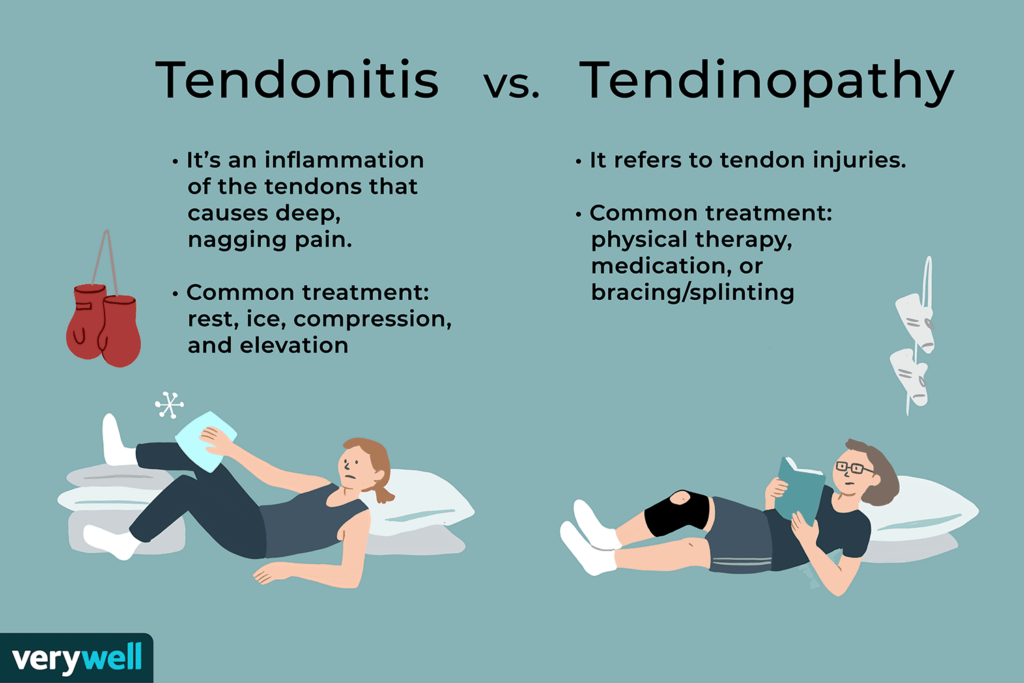
Tendinitis can be a real pain, both literally and figuratively. In this article, we will explore the risk factors associated with tendinitis and provide some helpful precautions you can take to prevent it. From understanding the causes and symptoms to implementing lifestyle changes, we’ve got you covered. So let’s dive into the world of tendinitis and arm ourselves with knowledge to keep those tendons healthy and happy.

Risk Factors for Tendinitis
Tendinitis, also known as tendonitis, is a condition characterized by inflammation or irritation of a tendon, a thick cord that attaches muscles to bones. While tendinitis can occur in any tendon, it commonly affects the wrists, elbows, shoulders, and knees. Understanding the risk factors associated with tendinitis can help you take appropriate precautions and minimize the likelihood of developing this condition.
Age and Gender
Age plays a significant role in the development of tendinitis. As you age, tendons lose some of their elasticity, making them more susceptible to injury and inflammation. Age-related changes in tendons can impair their ability to handle stress and tension, increasing the risk of tendinitis. Additionally, gender can also be a contributing factor, with men more prone to certain types of tendinitis, such as Achilles tendinitis, while women are more likely to develop conditions like tennis elbow.
Occupation and Activity Level
Your occupation and activity level can substantially impact your chances of developing tendinitis. Jobs that involve repetitive motions, such as assembly line work or typing, can put excessive strain on specific tendons, leading to inflammation over time. Activities that require forceful exertion, such as lifting heavy objects or participating in contact sports, can also predispose you to tendinitis. Additionally, prolonged exposure to vibrations, such as using power tools, can increase the risk of developing tendinitis. On the other hand, a sedentary lifestyle can weaken your tendons and make them more prone to injury.
Sports Participation
Participating in sports can be a wonderful way to stay active and healthy. However, it’s crucial to be aware of the risk factors associated with sports participation and take appropriate precautions to prevent tendinitis. Overuse is a common risk factor in sports-related tendinitis, where repetitive movements strain the tendons without sufficient recovery time. Incorrect technique and improper equipment can also lead to unnecessary stress on tendons, increasing the risk of injury. Furthermore, insufficient rest and recovery, as well as inadequate warm-up and stretching routines, can further exacerbate the chances of developing tendinitis.
Genetics
Genetics can also play a role in predisposing individuals to tendinitis. Certain connective tissue disorders, such as Ehlers-Danlos syndrome and Marfan syndrome, can weaken the tendons and make them more susceptible to injury and inflammation. Additionally, having a family history of tendinitis can increase your likelihood of developing the condition. If you have a genetic predisposition to tendinitis, it’s essential to take extra precautions and engage in activities that help strengthen your tendons.
Obesity
Excess weight can put significant stress on your tendons, increasing the risk of tendinitis. When you are overweight or obese, your tendons bear more load than they are designed to handle, leading to inflammation and injury. Additionally, metabolic factors associated with obesity, such as insulin resistance and chronic inflammation, can further contribute to the development of tendinitis. Maintaining a healthy body weight through a balanced diet and regular exercise can help reduce the risk of tendinitis and improve overall tendon health.
Poor Posture and Biomechanics
Your posture and biomechanics play a vital role in the health of your tendons. Poor posture, such as slouching or hunching over, can place unnecessary stress on tendons and lead to inflammation. Muscular imbalances, where certain muscles become weak or tight, can also contribute to poor biomechanics and increase the risk of tendinitis. Misalignment of joints, joint instability, and abnormal movement patterns can further exacerbate the strain on tendons. Adopting proper posture and addressing muscular imbalances through stretching and strengthening exercises can help alleviate the risk of tendinitis.

Precautions to Prevent Tendinitis
While certain risk factors for tendinitis may be beyond your control, there are several precautions you can take to minimize your chances of developing this condition. By implementing these precautionary measures, you can protect your tendons and enjoy a healthier, more active lifestyle.
Proper Technique and Form
Whether you’re engaged in physical activity or performing daily tasks at work, using proper technique and form is crucial in preventing tendinitis. Seek professional instruction and guidance to learn the correct techniques for your activities or consult with a physical therapist to ensure you are using proper body mechanics. Using the correct equipment, such as supportive footwear or ergonomic tools, can also contribute to maintaining the appropriate form and reducing strain on your tendons. Additionally, it’s important to avoid overexertion and know your limits to prevent pushing your tendons beyond their capabilities.
Gradual Progression and Training
When engaging in physical activities or sports, it’s essential to gradually progress and train your body to handle increased stress. Avoid sudden spikes in intensity or duration, as these can overload your tendons and lead to tendinitis. Instead, gradually increase the intensity, duration, or frequency of your workouts or activities over time. This allows your tendons to adapt and become stronger, reducing the risk of injury and inflammation. Consulting with a fitness professional or coach can provide valuable guidance in creating a safe and effective training plan.
Appropriate Rest and Recovery
Giving your tendons adequate rest and recovery time is essential in preventing tendinitis. Overuse and excessive strain without sufficient rest can lead to chronic inflammation and tissue damage. Listen to your body and allow yourself regular breaks during activities or workouts. It’s also important to incorporate rest days into your exercise regimen to give your tendons time to heal and repair. Balancing high-impact activities with low-impact exercises or restorative practices, such as yoga or swimming, can help maintain tendon health while still being active.
Regular Stretching and Strengthening
Stretching and strengthening exercises play a critical role in preventing tendinitis. Regular stretching helps maintain tendon flexibility and promotes blood flow to the area, reducing the risk of injury. Focus on stretching the specific muscle groups associated with your chosen activity or occupation. Strengthening exercises, particularly those targeting the tendons and surrounding muscles, can improve tendon integrity and resilience. Work with a qualified fitness professional or physical therapist to develop a stretching and strengthening routine tailored to your needs.
Ergonomic Considerations
Creating an ergonomic environment can significantly reduce the strain on your tendons while working or performing daily tasks. Adjust your workstation to ensure proper alignment of your body, including your wrists, elbows, and back. Use supportive chairs with appropriate backrests and armrests, and consider using wrist and elbow splints or supports if necessary. If you engage in activities that involve repetitive motions, consider implementing tools or equipment that minimize the strain on your tendons, such as using a wrist brace for typing or using specialized grips for sports equipment.
Maintaining Healthy Body Weight
Maintaining a healthy body weight not only benefits your overall health but also reduces the stress on your tendons. If you are overweight or obese, losing weight can alleviate the burden on your tendons and lower the risk of tendinitis. Adopting a balanced diet, rich in nutrient-dense foods and avoiding excessive sugar and processed foods, can help support tendon health. Combine a healthy diet with regular exercise, incorporating low-impact activities like walking, swimming, or cycling, to assist in weight management and promote overall tendon health.
By understanding the risk factors associated with tendinitis and implementing these precautions in your daily life, you can significantly reduce the likelihood of developing this common condition. Taking care of your tendons through proper technique, gradual progression, rest, and maintenance of healthy body weight can help you engage in activities you love and maintain an active, pain-free lifestyle. Remember, if you experience persistent pain or suspect you may have tendinitis, it’s essential to consult with a healthcare professional for a comprehensive evaluation and appropriate treatment.