Urticaria is a common skin condition that can be both uncomfortable and frustrating. In order to effectively manage and prevent urticaria, it is important to be aware of the risk factors that contribute to its development. By understanding these factors and taking necessary precautions, you can minimize the occurrence of urticaria and maintain healthier, happier skin. So, let’s explore the world of urticaria, its risk factors, and the precautions you can take to keep it at bay.
Risk Factors for Urticaria
Urticaria, more commonly known as hives, is a skin condition that affects many individuals worldwide. It is characterized by the appearance of itchy red wheals on the skin, which can be quite uncomfortable and distressing. While the exact cause of urticaria is often unknown, there are several risk factors that have been identified. By understanding these risk factors, you can take necessary precautions to minimize the occurrence and severity of urticaria.
Genetic Factors
Genetics can play a significant role in the development of urticaria. If you have a family history of the condition, you are more likely to develop it as well. This suggests that certain genetic factors may predispose individuals to urticaria. However, it is essential to remember that having a family history does not guarantee that you will develop the condition. It simply means that you may be at a higher risk compared to those without a family history of urticaria.
Another aspect of genetic factors is the presence of inherited risk factors. Certain genetic mutations or variations may increase an individual’s susceptibility to urticaria. These inherited risk factors can potentially affect the immune system or the body’s response to various triggers, making some people more prone to hives than others.
Allergies
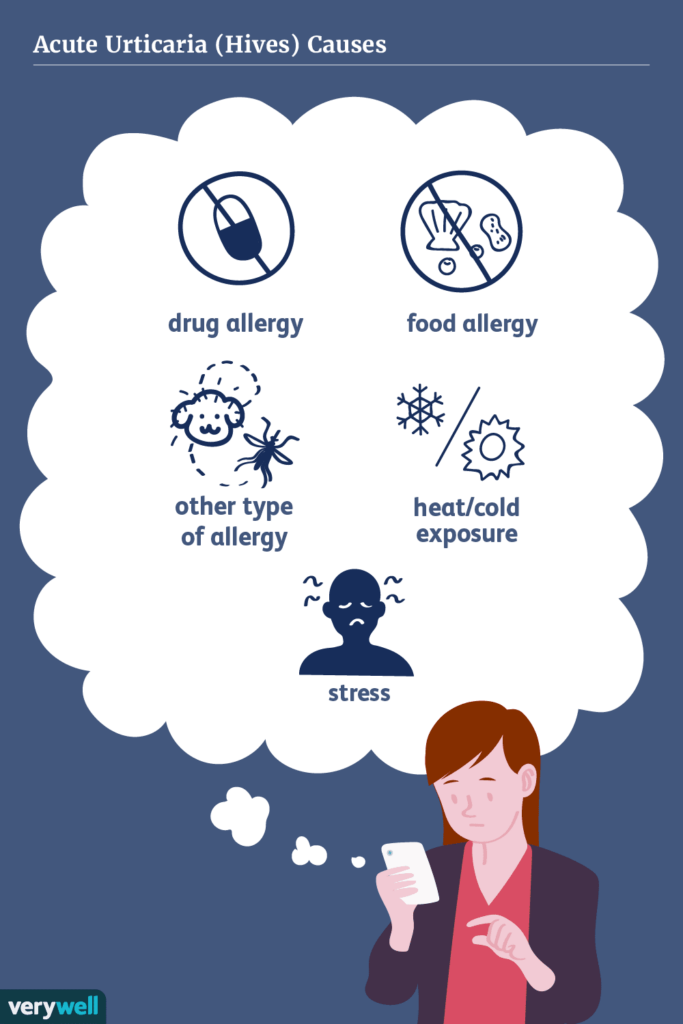
Allergies are a well-known risk factor for urticaria. People with existing allergies, such as hay fever or food allergies, are more likely to experience hives. The immune system plays a crucial role in both allergies and urticaria. When an allergic reaction occurs, the body releases histamine, a chemical that leads to the development of hives. Therefore, if you have allergies, your immune system may be more sensitive and reactive, leading to an increased risk of urticaria.
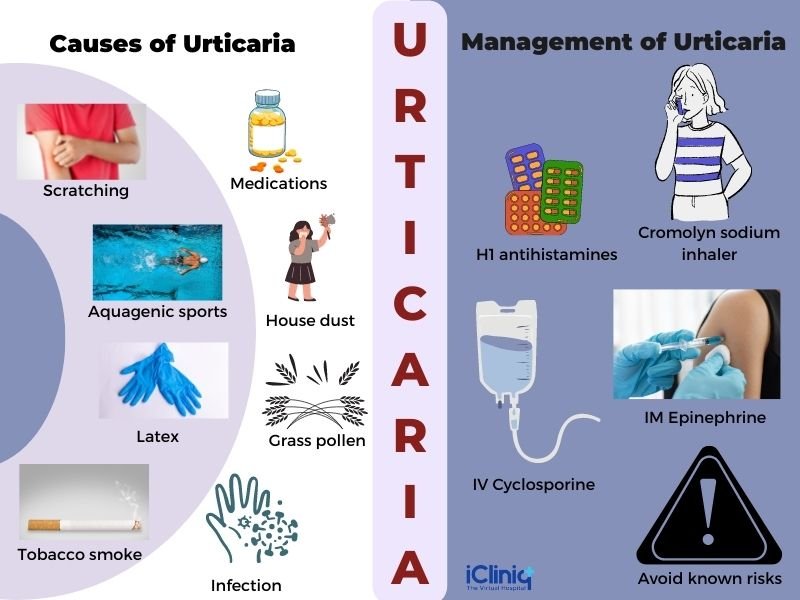
Food allergies, especially to common allergens such as peanuts, tree nuts, shellfish, and eggs, have been linked to the development of urticaria. In addition to food allergies, environmental allergies, such as pollen, pet dander, and dust mites, can also trigger hives in susceptible individuals. Furthermore, insect stings, particularly from bees, wasps, and fire ants, can cause allergic reactions that result in urticaria.
Autoimmune Disorders
Autoimmune disorders are conditions in which the immune system mistakenly attacks healthy cells and tissues in the body. Several autoimmune disorders have been associated with the development of urticaria. If you have a pre-existing autoimmune disorder, you may be at a higher risk of experiencing hives.
Some autoimmune disorders commonly linked to urticaria include thyroid disease, lupus, rheumatoid arthritis, and Sjögren’s syndrome. These conditions can cause widespread inflammation in the body, leading to hives as one of the symptoms. Additionally, the immune system’s dysregulation in autoimmune disorders may increase the likelihood of developing hives in response to various triggers.
Medications
Certain medications have been known to trigger urticaria in susceptible individuals. If you have a history of hives, it is essential to be aware of potential medications that may cause a reaction. Antibiotics, such as penicillin or sulfonamides, are commonly associated with urticaria. Nonsteroidal anti-inflammatory drugs (NSAIDs), including aspirin and ibuprofen, can also trigger hives in some people.
Another group of medications that can induce urticaria is ACE inhibitors, which are commonly prescribed for high blood pressure or heart failure. Opioid pain relievers, such as codeine or morphine, have also been reported to cause hives in certain individuals. It is crucial to inform your healthcare provider about any previous episodes of hives or allergies to medications to avoid potential reactions in the future.
Infections
Infections, particularly viral infections, can sometimes lead to the development of urticaria. Certain infections can trigger an immune response that manifests as hives. If you have recently experienced an infection, it is possible that you may develop hives as a result.
Common infections associated with urticaria include hepatitis, mononucleosis, respiratory infections, and urinary tract infections. The exact mechanisms through which these infections cause hives are not fully understood. However, it is believed that the immune response to the infections may result in the release of histamine, leading to the development of hives.
Precautions for Urticaria
While it may not always be possible to prevent the occurrence of urticaria, there are several precautions you can take to minimize its impact on your daily life. By managing risk factors and adopting healthy habits, you can potentially reduce the frequency and severity of hives episodes.
Avoid Triggers
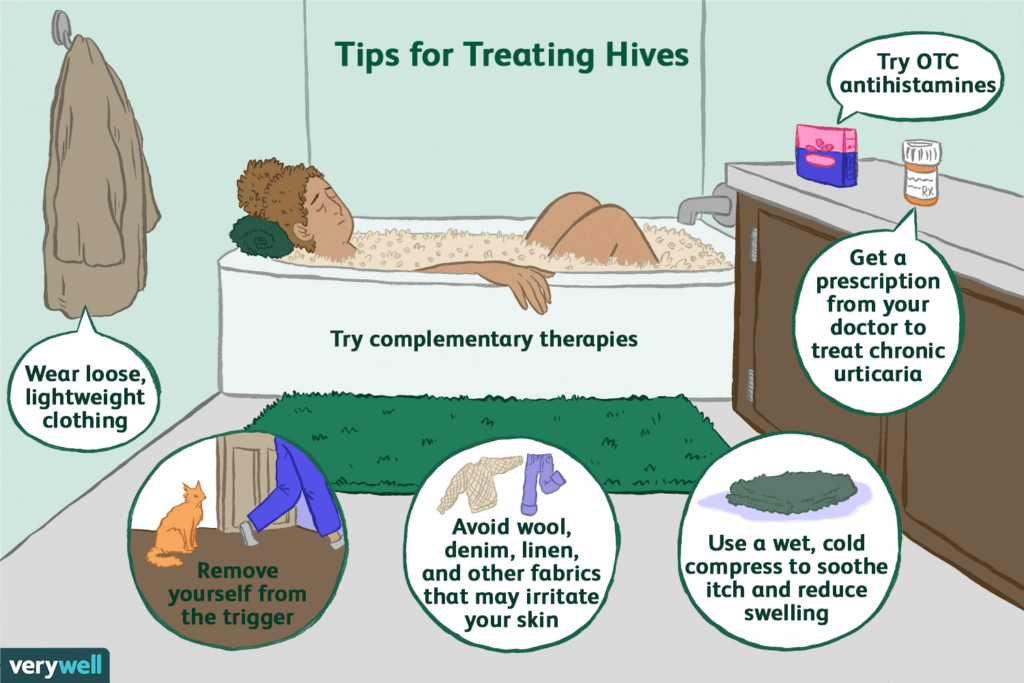
One of the primary precautions for individuals with urticaria is to identify and avoid triggers. Triggers are the substances or situations that lead to the development of hives. By understanding your personal triggers, you can take necessary steps to avoid them.
To identify trigger factors, it may be helpful to keep a trigger diary. Record any potential triggers you come into contact with and note if they lead to hives. Over time, patterns may emerge that can help you identify specific triggers. Once you have identified your triggers, make a conscious effort to avoid them as much as possible.
Manage Stress
Stress can have a significant impact on the development and severity of hives. For many individuals, stress acts as a trigger for hives outbreaks. To minimize stress levels and its effect on your skin, it is essential to incorporate stress management techniques into your daily routine.
Practicing relaxation techniques, such as deep breathing, meditation, or yoga, can help reduce stress levels. Engaging in regular exercise is another effective way to manage stress, as physical activity releases endorphins that promote a sense of well-being. Additionally, seeking support from friends and family can provide emotional support during stressful times.
Maintain Good Hygiene
Good hygiene is crucial for individuals with urticaria to prevent further irritation or infection of the skin. Taking regular showers or baths can help keep the skin clean and free from potential irritants. However, it is important to avoid using harsh soaps or excessive scrubbing, as these can further aggravate the skin and potentially trigger hives.
After bathing, pat your skin dry gently and avoid rubbing, as this can cause friction that may lead to hives. It is also advisable to moisturize your skin regularly, as dry skin can be more susceptible to irritants and triggers. Use a hypoallergenic moisturizer that is free from any potential allergens or irritants.
Protect Your Skin
Protecting your skin from potential triggers is essential for reducing the occurrence of hives. If you know that a specific substance or material can cause hives, take necessary precautions before coming into contact with it. For example, wearing gloves while handling chemicals or avoiding exposure to extreme temperatures can help protect your skin.
Additionally, it is important to protect your skin from excessive sun exposure. Sunburn can trigger hives in some individuals. Therefore, apply a broad-spectrum sunscreen with at least SPF 30 before going outside, and wear protective clothing, such as hats and long sleeves, to shield your skin from the sun’s harmful rays.
Avoid Tight Clothing
Wearing tight clothing can lead to friction and pressure on the skin, potentially triggering hives. It is advisable to choose loose-fitting, breathable clothing made from natural fabrics like cotton. Avoid wearing clothing with tight elastic bands or tags that may irritate the skin.
Moreover, be mindful of any potential allergens present in your clothing, such as certain dyes or fabrics. Some individuals may be sensitive to specific materials or chemicals used in clothing, leading to hives. Opt for hypoallergenic clothing whenever possible, and wash new clothes before wearing them to remove any potential irritants.
Take Antihistamines
Antihistamines are medications commonly used to treat allergic reactions, including urticaria. They work by blocking the effects of histamine, the chemical responsible for the development of hives. If you have chronic or recurrent hives, your healthcare provider may recommend taking antihistamines regularly to manage symptoms.
There are various types of antihistamines available, both over-the-counter and by prescription. It is important to follow your healthcare provider’s instructions regarding dosage and timing. If you experience any side effects or have concerns about your medication, consult with your healthcare provider for further guidance.
Carry an Emergency Kit
In severe cases, hives can develop rapidly and potentially lead to life-threatening complications, such as anaphylaxis. It is important to be prepared for such emergencies by carrying an emergency kit with you at all times.
An essential component of an emergency kit for individuals with urticaria is an epinephrine auto-injector. This device delivers a dose of epinephrine, a medication that can help counteract severe allergic reactions. In the event of a severe hive outbreak or anaphylactic reaction, using an epinephrine auto-injector promptly can be life-saving.
Additionally, ensure that your emergency kit includes important contact information, such as emergency services and your healthcare provider’s phone number. This will enable you or those around you to seek immediate medical assistance if needed.
In conclusion, understanding the risk factors associated with urticaria and taking necessary precautions can greatly help individuals with this skin condition in managing and reducing its impact on their daily lives. Whether it is avoiding triggers, managing stress, or being prepared for emergencies, implementing these precautions can contribute to a better quality of life for those affected by urticaria. Remember to consult with your healthcare provider for personalized advice and guidance in managing your specific situation.