
Stretch marks are a common concern for many individuals, and understanding the risk factors and taking proper precautions is essential in managing and preventing their appearance. In this informative article, you will explore the various risk factors associated with stretch marks, such as rapid weight gain or loss, pregnancy, puberty, and certain medical conditions. Additionally, you will learn about precautionary measures that can be taken, including maintaining a healthy diet, staying hydrated, regularly moisturizing the skin, and incorporating exercise into your routine. Say goodbye to those pesky stretch marks and embrace a healthier, more confident you!
Risk Factors for Stretch Marks
Genetics
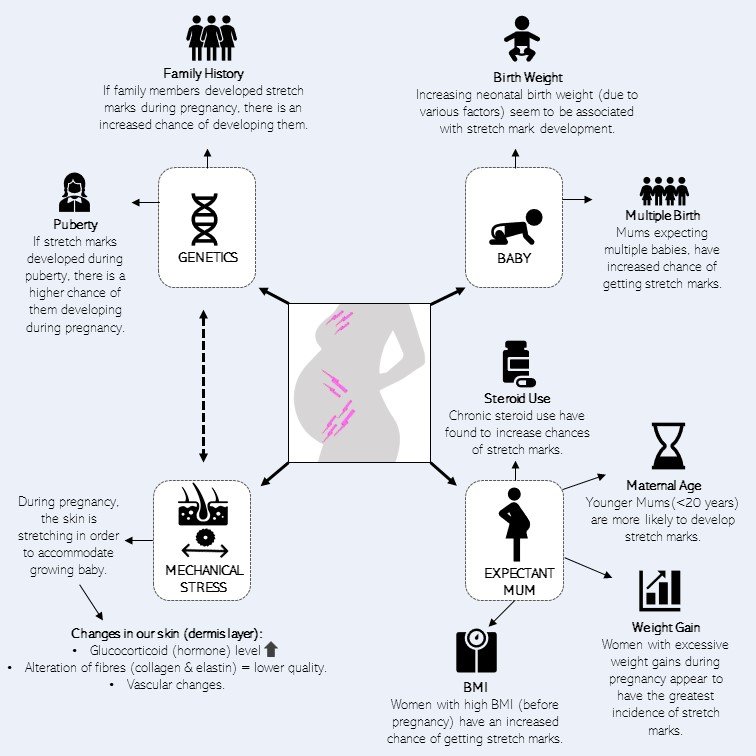
One of the primary risk factors for stretch marks is genetics. If your family members have a history of developing stretch marks, you may be more prone to experiencing them as well. This is because certain genes can influence the elasticity of your skin, making it more susceptible to stretching and tearing.
Rapid weight gain or loss
Another common risk factor for stretch marks is rapid weight gain or loss. When your body undergoes significant changes in a short period of time, the skin may not have enough time to adapt, leading to the formation of stretch marks. People who have experienced quick weight fluctuations, such as those who have gone through a drastic weight loss or gain phase, are more likely to develop stretch marks.
Pregnancy
Pregnancy is a well-known risk factor for stretch marks. As the baby grows inside the womb, the skin on the abdomen stretches to accommodate the expanding uterus. This rapid stretching can cause the development of stretch marks. Pregnant women commonly notice stretch marks on their abdomen, breasts, hips, and thighs. It’s important to note that not all pregnant women will develop stretch marks, as genetic factors and skin elasticity play a role as well.
Puberty
During puberty, both males and females undergo rapid growth spurts. This sudden increase in height and muscle mass can stretch the skin, leading to the formation of stretch marks. It’s crucial for teenagers to maintain a healthy weight during puberty to minimize the risk of developing stretch marks.
Hormonal changes
Hormonal changes, such as those experienced during adolescence or hormonal imbalances, can also contribute to the development of stretch marks. Fluctuations in hormonal levels can affect the skin’s elasticity, making it more prone to stretching and tearing. It’s important to maintain hormonal balance through proper nutrition and, if necessary, medical guidance.
Corticosteroid medication
Certain medications, particularly corticosteroids, can increase the vulnerability to stretch marks. Corticosteroids are commonly prescribed for various conditions such as asthma, arthritis, and autoimmune disorders. Prolonged use of corticosteroids can weaken the skin’s structure and increase the chance of developing stretch marks.
Increased levels of cortisol
When the body experiences high levels of stress, it triggers the release of cortisol, also known as the stress hormone. Excessive production of cortisol can impair the skin’s elasticity and contribute to the formation of stretch marks. It’s important to manage stress levels through healthy coping mechanisms to minimize the impact on your skin.
Family history of stretch marks
If you have a family history of stretch marks, it increases your likelihood of developing them as well. Genetics can play a significant role in the elasticity of your skin, making it more susceptible to stretch marks. While you cannot change your genetic makeup, being aware of this risk factor can help you take precautions to prevent stretch marks.
Chronic diseases
Certain chronic diseases, such as Cushing’s syndrome or Marfan syndrome, can increase the risk of developing stretch marks. These conditions can affect the body’s hormone levels and collagen production, which in turn affects the elasticity of the skin. Managing and treating these underlying conditions is crucial in minimizing the risk of stretch marks.
Lack of skin elasticity
Individuals with naturally less elastic skin are more prone to developing stretch marks. This lack of elasticity hinders the skin’s ability to stretch and adapt to changes in body shape, making it more vulnerable to tearing and the subsequent development of stretch marks. While you cannot change your skin’s natural elasticity, there are precautions you can take to support its health and minimize the risk of stretch marks.
Precautions to Prevent Stretch Marks
Maintain a healthy weight
One of the most effective ways to prevent stretch marks is to maintain a healthy weight. Gradual, steady weight loss or gain allows the skin to adapt to the changes without causing extensive stretching or tearing. Avoiding drastic fluctuations in weight can significantly reduce the risk of stretch marks.
Eat a balanced diet
A balanced diet rich in essential nutrients, particularly vitamins A, C, and E, can promote healthy skin and improve its elasticity. Include a variety of fruits, vegetables, whole grains, and lean proteins in your diet to provide your skin with the necessary nourishment it needs to maintain its elasticity.
Stay hydrated
Proper hydration is essential for healthy skin. Drinking an adequate amount of water throughout the day helps maintain skin elasticity and prevents dryness, which can increase the risk of stretch marks. Aim to drink at least eight glasses of water daily to keep your skin hydrated and supple.
Exercise regularly
Regular exercise not only helps maintain a healthy weight but also improves blood circulation and enhances the overall health of your skin. Engage in a combination of cardiovascular activities and strength training exercises to keep your body toned and your skin firm. Physical activity promotes collagen production, which plays a crucial role in maintaining skin elasticity.
Avoid rapid weight gain or loss
As mentioned earlier, rapid weight fluctuations are a significant risk factor for stretch marks. To prevent this, avoid crash diets or extreme workout regimens that promise rapid weight loss. Similarly, be cautious of rapid weight gain, as it can strain your skin and lead to the formation of stretch marks. Aim for gradual and sustainable changes in your weight to allow your skin to adapt gradually.
Moisturize regularly
Keeping your skin well-hydrated can improve its elasticity and minimize the risk of stretch marks. Use moisturizers that are specifically formulated for stretch mark prevention and apply them to areas prone to stretching, such as the abdomen, breasts, hips, and thighs. Regular moisturizing can help keep your skin nourished and supple.
Use stretch mark creams or oils
There are various stretch mark creams and oils available in the market that claim to prevent or reduce the appearance of stretch marks. These products often contain ingredients like vitamin E, cocoa butter, shea butter, or almond oil, which can nourish the skin and improve its elasticity. While their efficacy may vary from person to person, using these products as directed may provide some benefits.
Avoid excessive sun exposure
Excessive sun exposure can damage the skin’s collagen fibers, compromising its elasticity and increasing the risk of stretch marks. To protect your skin, apply sunscreen with a high SPF before going outside, wear protective clothing, and seek shade during the sun’s peak hours. Taking these precautions can help maintain the health of your skin and minimize the likelihood of stretch marks.
Avoid prolonged use of corticosteroids
If you are on long-term corticosteroid treatment, it’s important to be aware of the potential risks associated with these medications. Talk to your doctor about the possible alternatives or methods to minimize the dosage. If corticosteroids are necessary, follow your healthcare provider’s instructions and seek their guidance on managing the potential side effects, including the risk of stretch marks.
Manage stress levels
Stress can have a negative impact on your overall health, including your skin. High stress levels can disrupt hormonal balance and lead to the excessive production of cortisol, which can impair skin elasticity and contribute to the development of stretch marks. Practice stress management techniques such as meditation, deep breathing exercises, or engaging in hobbies to promote relaxation and take care of your mental well-being.

Genetics
Family history of stretch marks
If you have a family history of stretch marks, it suggests that there may be a genetic predisposition for less elastic skin. While you cannot change your genetic makeup, being aware of this risk factor can encourage you to take extra precautions to prevent stretch marks. Implementing the aforementioned preventive measures, such as maintaining a healthy weight, eating a balanced diet, and moisturizing regularly, can help support the health of your skin.
Genetic predisposition for less elastic skin
Genes play a significant role in determining the elasticity of your skin. Some individuals may be genetically predisposed to have naturally less elastic skin, making them more prone to developing stretch marks. While this genetic factor cannot be controlled, it emphasizes the importance of taking preventive measures to protect and nourish your skin.
Rapid Weight Gain or Loss
Stretch marks caused by rapid stretching or shrinking of the skin
Rapid weight gain or loss can subject your skin to sudden and excessive changes, causing it to stretch or shrink rapidly. This rapid stretching or shrinking of the skin may lead to the development of stretch marks. It’s crucial to maintain a healthy and gradual approach to weight management to minimize the strain on your skin and reduce the risk of stretch marks.
Weightlifting or bodybuilding as potential causes
Engaging in weightlifting or bodybuilding can lead to increased muscle mass, which may result in rapid stretching of the skin. This continuous tension on the skin can contribute to the formation of stretch marks. If you are involved in these activities, it’s important to take precautions such as gradually increasing the intensity of your workouts and incorporating proper stretching techniques to minimize the risk of stretch marks.

Pregnancy
Stretch marks commonly occur during pregnancy
Stretch marks are a common occurrence during pregnancy, with roughly 50-90% of pregnant women experiencing them. The rapid expansion of the abdomen to accommodate the growing baby is the primary cause of stretch marks in pregnant women. The hormonal changes and increased production of cortisol during pregnancy can also contribute to the development of stretch marks.
Causes and factors influencing stretch marks during pregnancy
During pregnancy, the body undergoes significant changes, both internally and externally. Hormonal fluctuations, increased weight, and rapid stretching of the skin all contribute to the formation of stretch marks. The likelihood of developing stretch marks during pregnancy can also be influenced by genetic factors and the elasticity of the skin.
Precautions to minimize stretch marks during pregnancy
While it may not be possible to completely prevent stretch marks during pregnancy, there are precautions you can take to minimize their severity or visibility. These include maintaining a healthy weight throughout pregnancy, staying hydrated, moisturizing regularly with stretch mark creams or oils, and wearing supportive clothing to minimize the strain on your skin. Additionally, discussing your concerns with your healthcare provider can help you develop a personalized plan to manage and reduce the risk of stretch marks during pregnancy.
Puberty
Puberty-related growth spurts as a risk factor for stretch marks
Puberty is a crucial period of physical growth and development. During this time, both boys and girls may experience growth spurts, where their bodies rapidly increase in height and muscle mass. This sudden stretching of the skin can make adolescents more susceptible to developing stretch marks. It’s important for teenagers to maintain a healthy weight, exercise regularly, and moisturize their skin to support its elasticity during this growth phase.
Importance of maintaining a healthy weight during puberty
Maintaining a healthy weight during puberty is essential for multiple reasons, including the prevention of stretch marks. Sudden weight gain or loss can strain the skin and lead to the formation of stretch marks. Encouraging teenagers to establish healthy eating habits and engage in regular physical activity can help support the health and elasticity of their skin during this crucial period of growth.
Hormonal Changes
Hormonal imbalances affecting skin elasticity
Hormonal imbalances, whether due to puberty, menstrual cycles, or certain medical conditions, can affect the elasticity of your skin. Fluctuations in hormone levels can compromise the skin’s ability to stretch and adapt, increasing the risk of stretch marks. Maintaining hormonal balance through proper nutrition, regular exercise, and medical guidance can help support the overall health of your skin and minimize the likelihood of stretch marks.
Increased production of cortisol leading to stretch marks
Cortisol, also known as the stress hormone, plays a role in the body’s response to stress. Excessive stress or chronic stress can trigger the production of cortisol, which can impair the skin’s elasticity and contribute to the development of stretch marks. Managing stress levels through stress-reducing techniques and self-care practices is crucial in minimizing the impact on your skin.
Corticosteroid Medication
Use of corticosteroids and increased vulnerability to stretch marks
Corticosteroids, commonly prescribed for various medical conditions, can increase the vulnerability to stretch marks. Prolonged use of corticosteroids can weaken the structure of the skin, making it more prone to tearing and the subsequent development of stretch marks. If you are on corticosteroid treatment, it’s important to discuss the potential risks and precautions with your healthcare provider.
Risks and precautions for those on long-term corticosteroid treatment
If you require long-term corticosteroid treatment, it’s essential to be aware of the potential risks associated with these medications. Your healthcare provider can guide you on potential alternatives, dosage management, or additional precautions to minimize the risk of stretch marks. These may include regularly moisturizing the skin, maintaining a healthy weight, and discussing possible protective measures with your healthcare team.
Increased Levels of Cortisol
Hypercortisolism and stretch marks
Hypercortisolism, also known as Cushing’s syndrome, is a condition characterized by excessive cortisol production or exposure. This hormonal imbalance can impair the elasticity of the skin and increase the likelihood of stretch marks. Managing hypercortisolism through medical treatment and addressing the underlying cause can help regulate cortisol levels and reduce the risk of stretch marks.
Causes and methods to manage excessive cortisol levels
Excessive cortisol levels can stem from various factors, such as chronic stress, certain medications, or medical conditions like Cushing’s syndrome. Identifying and addressing the underlying cause is crucial in managing cortisol levels and minimizing the impact on the skin. Stress management techniques, lifestyle modifications, and medical interventions may be recommended to manage excessive cortisol levels and reduce the risk of stretch marks.
Manage Stress Levels
Link between stress and skin conditions
Stress can have a significant impact on your overall health, including the health of your skin. Increased stress levels can disrupt hormonal balance, impair skin elasticity, and contribute to the development of stretch marks. It’s important to recognize the link between stress and skin conditions, including stretch marks, and take proactive steps to manage stress effectively.
Stress management techniques to prevent stretch marks
Implementing stress management techniques can help reduce the impact of stress on your skin and minimize the risk of stretch marks. Deep breathing exercises, meditation, yoga, and engaging in hobbies or activities you enjoy can all promote relaxation and reduce stress. Developing a self-care routine that prioritizes your mental well-being is essential in maintaining healthy skin.
Benefits of relaxation and self-care practices
Incorporating relaxation and self-care practices into your daily routine offers numerous benefits for your overall health and well-being, including the health of your skin. Taking time for yourself, engaging in activities that bring you joy, and prioritizing rest and relaxation can help reduce stress levels and support healthy skin. Embracing relaxation and self-care practices can contribute to reducing the likelihood of developing stretch marks and promote a positive mindset.