You have probably heard about uterine-cervical cancer, a type of cancer that affects thousands of women worldwide. Understanding the risk factors and taking necessary precautions can help ensure early detection and successful treatment. In this article, we will explore the various risk factors associated with uterine-cervical cancer and discuss important precautions that can be taken to reduce your chances of developing this condition. From lifestyle choices to regular screenings, being informed and proactive can make a significant difference in your overall health and well-being. So let’s dive into the world of uterine-cervical cancer and empower ourselves with the knowledge needed to protect ourselves and our loved ones.
Risk Factors for Uterine-Cervical Cancer
Age
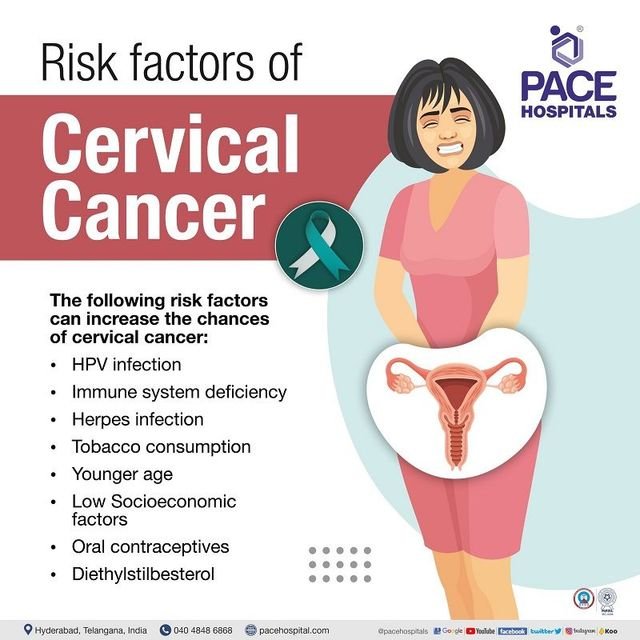
When it comes to uterine-cervical cancer, age plays a significant role in determining the risk. The chances of developing this type of cancer increase with age, with most cases occurring in women over the age of 30. It is important to be aware of this risk factor and take necessary precautions as you grow older.
Sexual activity
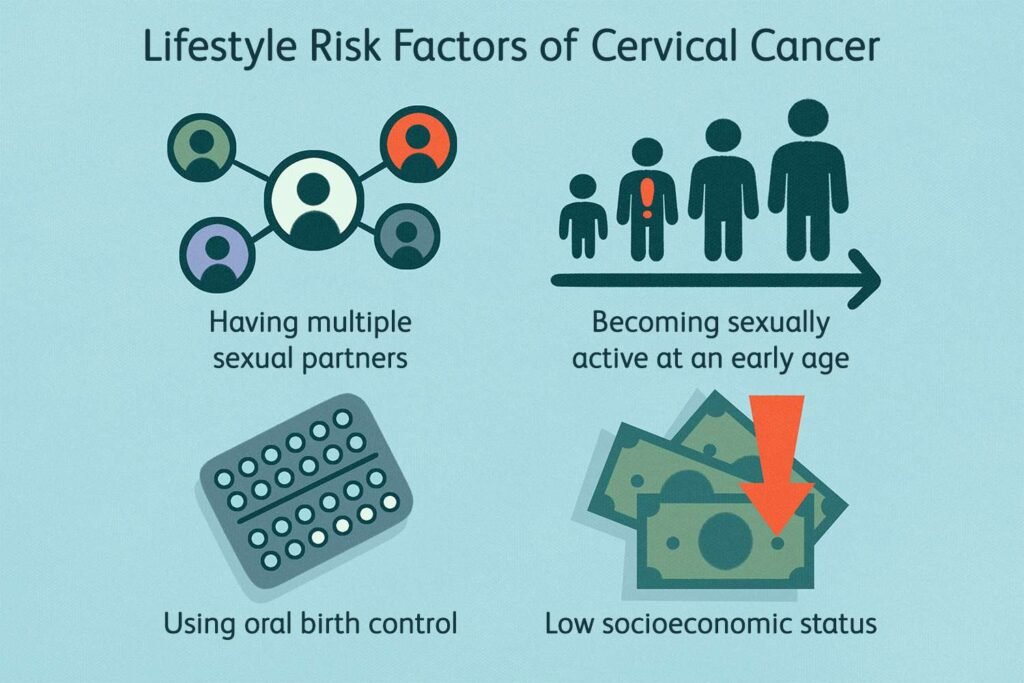
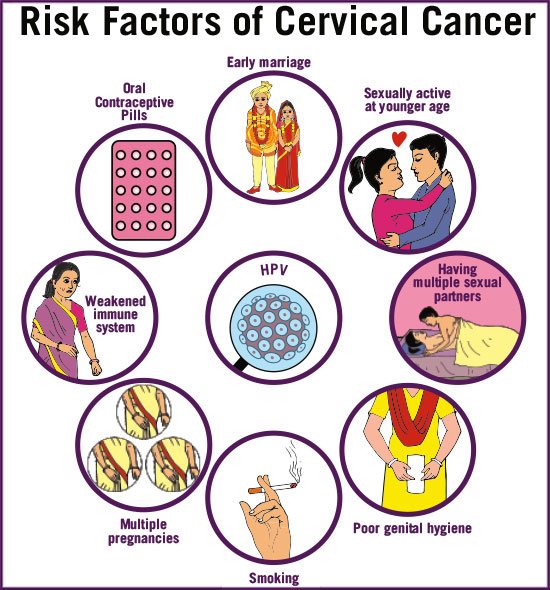
Engaging in sexual activity at an early age or having multiple sexual partners can increase the risk of uterine-cervical cancer. This is primarily due to the higher likelihood of exposure to the human papillomavirus (HPV), which is a major risk factor for this type of cancer. Taking precautions such as practicing safe sex can help reduce your risk.
Human Papillomavirus (HPV) infection
HPV is a common sexually transmitted infection and is considered the most significant risk factor for uterine-cervical cancer. Certain types of HPV, particularly HPV types 16 and 18, are known to cause cervical cancer. It is important to keep in mind that HPV infections are preventable through vaccination and regular cervical cancer screening.
Family history of cervical cancer
Having a family history of cervical cancer can increase your susceptibility to developing the disease. If any close relatives, such as your mother or sister, have had cervical cancer, it is important to be vigilant and take necessary precautions. Regular screening and vaccination against HPV can significantly reduce the risk associated with family history.
Smoking
Smoking has been identified as a risk factor for various types of cancer, including cervical cancer. The harmful chemicals in tobacco smoke can damage the DNA of cervical cells, increasing the likelihood of cancer development. Quitting smoking is not only beneficial for overall health but also significantly reduces the risk of uterine-cervical cancer.
Weak immune system
Having a weak immune system can make you more susceptible to infections, including HPV. When the immune system is compromised, it becomes more difficult for the body to fight off HPV infections and other potential risk factors. Maintaining a healthy lifestyle, eating a balanced diet, and getting regular exercise can help strengthen your immune system and reduce the risk of cervical cancer.
Socioeconomic factors
Socioeconomic factors, such as limited access to healthcare services, lower education levels, and low socioeconomic status, have been associated with an increased risk of cervical cancer. Lack of awareness, limited resources, and inadequate screening opportunities can contribute to late-stage diagnosis and poor outcomes. It is important to promote awareness and equitable access to healthcare services to mitigate these risk factors.
Use of certain contraceptives
While the use of hormonal contraceptives has been shown to have numerous benefits, certain types of contraceptives have been associated with an increased risk of cervical cancer. Specifically, long-term use of combined oral contraceptives (containing both estrogen and progestin) has been linked to a slight increase in the risk of this cancer. It is important to discuss contraceptive options with your healthcare provider to identify the most suitable and low-risk option for you.
Exposure to diethylstilbestrol (DES)
Diethylstilbestrol (DES) was a hormone medication prescribed to pregnant women between the 1940s and 1970s to prevent miscarriages. However, it was later discovered that DES exposed daughters have an increased risk of developing clear cell adenocarcinoma of the cervix and vagina. If you believe you may have been exposed to DES, it is crucial to inform your healthcare provider and undergo regular screenings to detect any potential precancerous or cancerous changes.
Multiple full-term pregnancies
While pregnancy itself does not increase the risk of cervical cancer, multiple full-term pregnancies have been associated with a slightly higher risk. However, it is important to note that the risk increase is minimal, and other risk factors such as HPV infection play a more significant role. Regular cervical cancer screenings and practicing other precautions mentioned can help mitigate this risk.
Precautions for Uterine-Cervical Cancer
Regular cervical cancer screening
Regular cervical cancer screening, such as Pap tests or HPV tests, is crucial for the early detection of any potential abnormalities or precancerous changes in the cervix. These screenings can detect the presence of HPV infection and identify any abnormal cells in the cervix, allowing for timely intervention and treatment. It is essential to follow the recommended screening guidelines and consult with your healthcare provider regarding the appropriate screening schedule for your age and risk factors.
Vaccination against HPV
One of the most effective ways to protect yourself against cervical cancer is through vaccination against HPV. HPV vaccines are available for both males and females and are recommended before becoming sexually active. These vaccines protect against the most common HPV types that cause cervical cancer. By getting vaccinated, you significantly reduce your risk of contracting HPV and developing cervical cancer.
Practicing safe sex
Engaging in safe sex practices, such as using condoms and limiting the number of sexual partners, can greatly reduce the risk of HPV infection and subsequent development of cervical cancer. It is important to have open and honest conversations with your partner about your sexual history and take necessary precautions to protect yourself. Safe sex practices not only reduce the risk of uterine-cervical cancer but also prevent other sexually transmitted infections.
Quitting smoking
If you are a smoker, quitting is one of the best steps you can take to protect your health and reduce the risk of various cancers, including cervical cancer. The harmful chemicals in tobacco smoke not only damage the DNA of cervical cells but also weaken the immune system, making it less effective in fighting off HPV infections. By quitting smoking, you improve your overall health and significantly lower your risk of developing cervical cancer.
Maintaining a healthy immune system
Taking care of your immune system is essential in minimizing the risk of cervical cancer. A healthy immune system can effectively fight off HPV infections and other potential risk factors. To maintain a strong immune system, it is important to eat a balanced diet, exercise regularly, get enough sleep, manage stress, and avoid habits that compromise your immune system, such as excessive alcohol consumption.
Early detection and treatment of precancerous conditions
Regular screenings aid in the early detection of precancerous conditions, such as cervical dysplasia, which can progress to cervical cancer if left untreated. If precancerous changes are detected, your healthcare provider may recommend further tests or procedures to remove or monitor the abnormal cells. Timely intervention and treatment can prevent the progression to full-blown cervical cancer and ensure better health outcomes.
Cervical cerclage for high-risk pregnancies
In cases of high-risk pregnancies, where the cervix is weak and at risk of premature opening, cervical cerclage may be recommended. Cervical cerclage involves stitching the cervix closed to provide support and prevent premature labor. By reducing the risk of premature delivery, cervical cerclage can indirectly decrease the risk of uterine-cervical cancer associated with multiple full-term pregnancies.
Awareness and education
Promoting awareness and education about cervical cancer and its risk factors is crucial in mitigating the burden of this disease. By increasing awareness, individuals are more likely to take necessary precautions, such as getting vaccinated, undergoing regular screenings, and adopting healthy lifestyle choices. It is important to educate yourself and others about the symptoms, risk factors, and preventive measures associated with cervical cancer.
Limited or responsible use of contraceptives
While contraceptives offer numerous benefits, it is important to use them responsibly and with awareness of the associated risks. If you are considering using hormonal contraceptives, such as combined oral contraceptives, discuss the potential risks and benefits with your healthcare provider. They can help identify the most suitable contraceptive method that minimizes the risk of cervical cancer while meeting your contraceptive needs.
Counseling for individuals exposed to DES
Individuals who have been exposed to diethylstilbestrol (DES) in utero or through their mothers should seek counseling and medical guidance. Regular screenings are recommended to monitor for any precancerous or cancerous changes in the cervix or vagina. Genetic counseling may also be beneficial to understand the potential risks associated with DES exposure for future generations.
By understanding the risk factors associated with uterine-cervical cancer and implementing the necessary precautions, you can significantly reduce your chances of developing this potentially life-threatening disease. Regular screenings, vaccination against HPV, safe sexual practices, maintaining a healthy lifestyle, and seeking appropriate medical guidance are essential in protecting yourself and maintaining optimal cervical health. Remember, prevention and early detection are key in the fight against uterine-cervical cancer.