
Did you know that stroke is a leading cause of death and disability worldwide? It can strike anyone, regardless of age, gender, or background. In this article, we will explore the risk factors that increase your chances of having a stroke and the precautions you can take to protect yourself. By understanding these factors and implementing preventive measures, you can greatly reduce the likelihood of experiencing a stroke and its devastating consequences. So, let’s dive in and equip ourselves with the knowledge to safeguard our health.
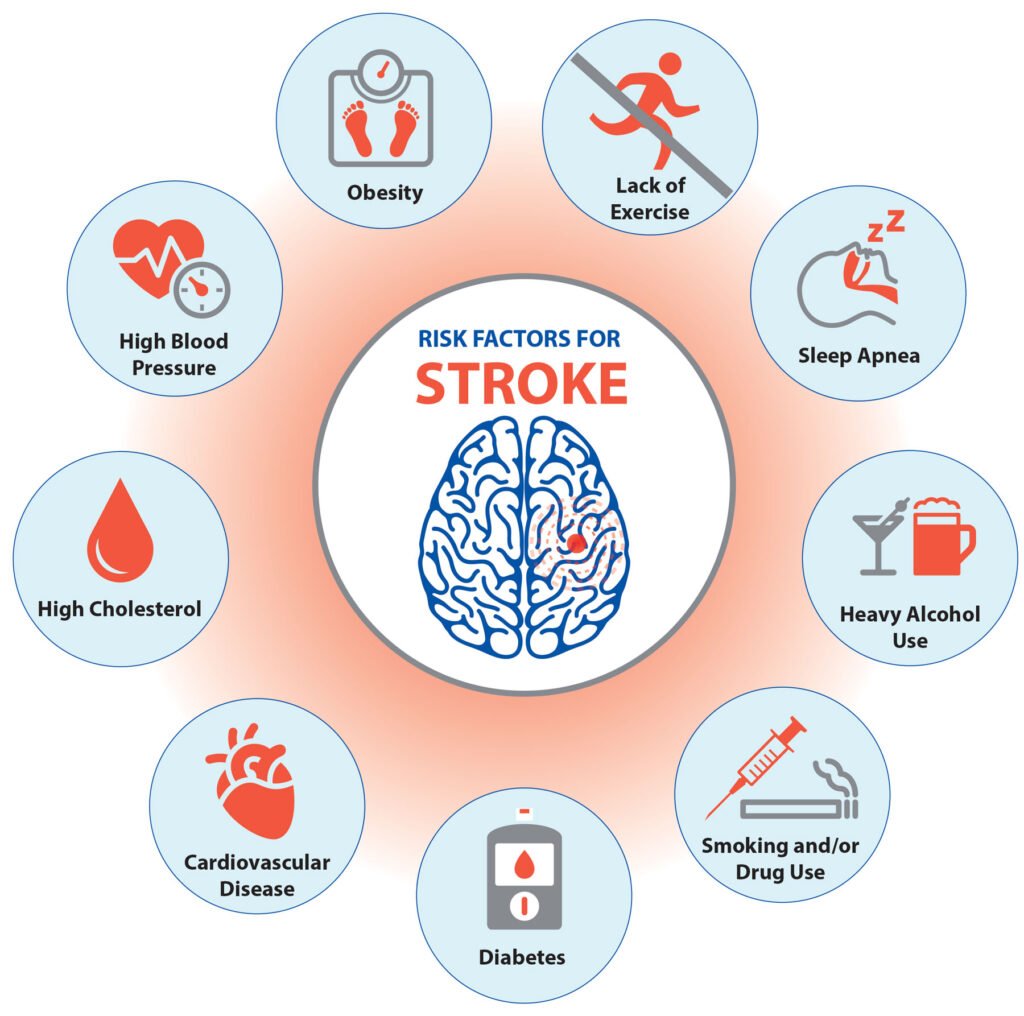
Risk Factors for Stroke
Stroke is a serious medical condition that occurs when the blood supply to the brain is disrupted, either due to a blockage or rupture of a blood vessel. It is important to be aware of the risk factors associated with stroke, as recognizing and addressing these factors can help reduce the chances of experiencing a stroke. In this article, we will discuss some of the main risk factors for stroke and the preventive measures you can take to lower your risk.
Age
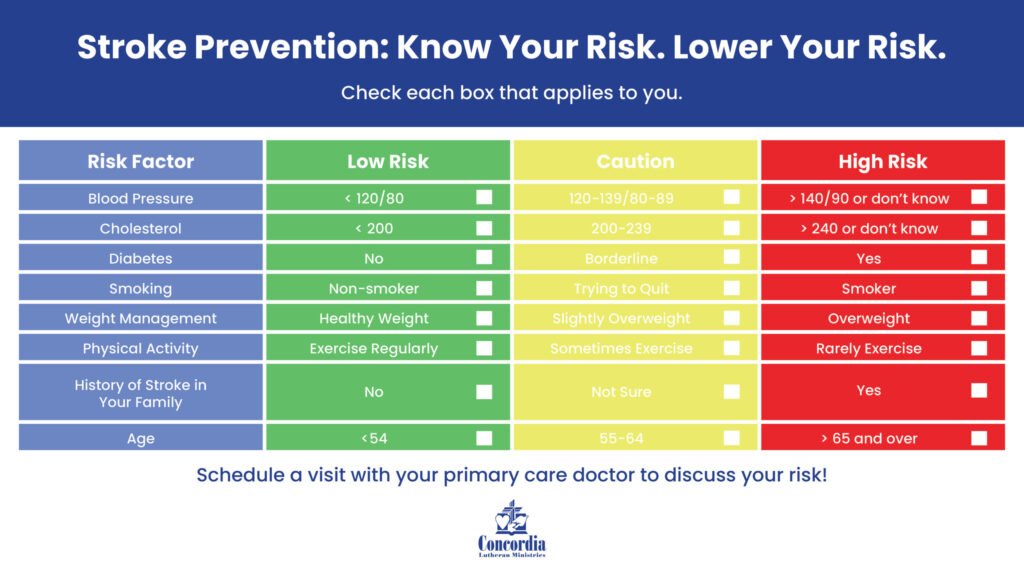
Advancing age is a significant risk factor for stroke. As we get older, the risk of stroke increases. This is due to various factors, including the natural aging process, the accumulation of unhealthy lifestyle habits over time, and the increased likelihood of developing certain medical conditions. It is important to note that while stroke can occur at any age, the risk significantly rises after the age of 55.
Childhood stroke, though rare, is another age-related risk factor. In some cases, children may experience a stroke due to certain underlying medical conditions such as sickle cell disease, heart defects, or blood-clotting disorders. Early recognition and management of these conditions can help reduce the risk of stroke in children.

Gender
Gender can also play a role in determining stroke risk. Men generally have a higher risk of stroke compared to women, especially at younger ages. However, due to the longer life expectancy of women, the overall number of stroke cases tends to be higher in females. It is important to understand the gender-specific risk factors and take the necessary precautions to reduce the chances of experiencing a stroke.
Family History
A family history of stroke can increase your risk of developing this condition. If you have immediate family members who have had a stroke, such as parents or siblings, your risk may be higher. Additionally, certain inherited medical conditions, such as a blood-clotting disorder, can also contribute to an increased risk of stroke. Knowing your family medical history and sharing this information with your healthcare provider can help in determining your individual risk and taking appropriate preventive measures.
Race and Ethnicity
Stroke risk can vary among different racial and ethnic groups. Certain ethnicities are more prone to developing stroke compared to others. African Americans, for example, have a higher risk of stroke compared to other racial groups. They are more likely to develop high blood pressure, a major risk factor for stroke. Hispanic Americans, Asian Americans, and Native Americans also have a higher prevalence of stroke risk factors, such as diabetes and obesity. It is crucial for individuals from these racial and ethnic groups to be aware of their increased risk and take necessary preventive measures.
Medical Conditions
Several medical conditions are known to increase the risk of stroke. By managing these conditions effectively, you can significantly lower your risk. Some of the most common medical conditions associated with stroke risk include:
High Blood Pressure
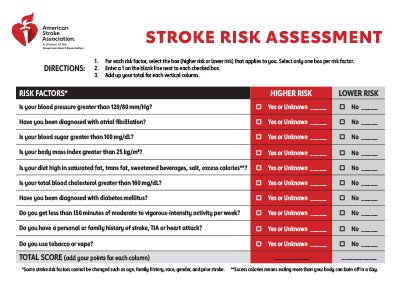
High blood pressure, also known as hypertension, is the leading cause of stroke. It causes damage to the blood vessels over time, making them more susceptible to blockages or ruptures. Regular monitoring of blood pressure levels and appropriate management through lifestyle changes and medications can help prevent stroke.
Diabetes
Diabetes is another significant risk factor for stroke. It can lead to damage of blood vessels and increases the likelihood of developing other risk factors such as high blood pressure and high cholesterol. By maintaining good control of blood sugar levels and following a healthy lifestyle, individuals with diabetes can reduce their risk of stroke.
High Cholesterol
High levels of cholesterol in the blood can lead to the buildup of plaque in the arteries, narrowing them and increasing the risk of stroke. It is important to monitor cholesterol levels and make dietary and lifestyle changes, as well as take prescribed medications if necessary, to keep cholesterol levels within a healthy range.
Heart Disease
Heart disease, including conditions such as coronary artery disease and heart failure, is closely linked to stroke risk. The same risk factors that contribute to heart disease, such as high blood pressure, high cholesterol, and smoking, also increase the risk of stroke. By managing heart disease and its risk factors, you can lower your risk of stroke as well.
Atrial Fibrillation
Atrial fibrillation, a type of irregular heart rhythm, can cause blood clots to form in the heart. If these clots travel to the brain, they can cause a stroke. Managing atrial fibrillation with appropriate medications and medical interventions can help prevent stroke.
Carotid Artery Disease
Carotid artery disease occurs when the blood vessels in the neck that supply blood to the brain become narrowed or blocked. This can increase the risk of stroke. Regular monitoring and management of this condition can help reduce the risk of stroke.
Peripheral Artery Disease
Peripheral artery disease is a condition in which the blood vessels outside of the heart, particularly those in the legs, become narrowed. This can be a sign of atherosclerosis, a condition that affects blood flow throughout the body and increases the risk of stroke. Lifestyle changes and medical interventions can help manage peripheral artery disease and lower the risk of stroke.
Sickle Cell Disease
Sickle cell disease is a genetic disorder that affects the red blood cells, making them prone to clumping together and blocking blood vessels. This can lead to stroke, particularly in children. Early detection and proper management of sickle cell disease can help prevent stroke in individuals with this condition.
Sleep Apnea
Sleep apnea, a sleep disorder characterized by pauses in breathing during sleep, has been associated with an increased risk of stroke. This may be due to the impact of sleep apnea on blood pressure and overall cardiovascular health. Managing sleep apnea through lifestyle changes, the use of breathing devices, and, if necessary, specialized medical treatments can help reduce the risk of stroke.
Obesity
Obesity is a risk factor for several medical conditions, including high blood pressure, diabetes, and high cholesterol, all of which increase the risk of stroke. By maintaining a healthy weight through a balanced diet and regular physical activity, you can lower your risk of stroke.
Alcohol and Drug Abuse
Excessive alcohol consumption and drug abuse, particularly stimulants such as cocaine or amphetamines, can increase the risk of stroke. It is important to practice moderation when it comes to alcohol consumption and avoid illicit drug use to prevent stroke.
Migraine with Aura
Migraine with aura, a type of migraine that includes visual or sensory disturbances before the onset of headache pain, has been associated with an increased risk of stroke. If you experience migraines with aura, it is important to work with your healthcare provider to manage symptoms and reduce the risk of stroke.
Lifestyle Factors
In addition to the medical conditions mentioned above, certain lifestyle factors can also contribute to the risk of stroke. By recognizing and addressing these factors, you can further reduce your risk. Some of the main lifestyle factors associated with stroke risk include:
Smoking
Smoking is a significant risk factor for stroke. The chemicals in tobacco smoke damage the blood vessels, promote the formation of blood clots, and increase the risk of plaque buildup in the arteries. Quitting smoking is one of the most important steps you can take to reduce your risk of stroke.
Physical Inactivity
Leading a sedentary lifestyle can increase the risk of stroke. Regular physical activity helps maintain a healthy weight, improve blood pressure, and lower the risk of various medical conditions. Aim for at least 150 minutes of moderate-intensity aerobic activity, such as brisk walking or cycling, each week.
Poor Diet
A poor diet that is high in saturated and trans fats, cholesterol, sodium, and sugar can contribute to an increased risk of stroke. Opt for a balanced diet that includes plenty of fruits, vegetables, whole grains, lean proteins, and healthy fats to support overall cardiovascular health and reduce the risk of stroke.
Obesity
As mentioned earlier, obesity is a risk factor for stroke. By maintaining a healthy weight through a combination of healthy eating and regular physical activity, you can lower your risk of stroke and other health complications.
Alcohol Consumption
Excessive alcohol consumption can increase the risk of stroke. While moderate alcohol consumption may have some cardiovascular benefits, excessive drinking can lead to high blood pressure, irregular heart rhythm, and other health problems. Stick to moderate drinking guidelines, which typically means up to one drink per day for women and up to two drinks per day for men.
Drug Abuse
Illicit drug use, especially stimulants such as cocaine or amphetamines, can have serious cardiovascular effects and increase the risk of stroke. Avoid using illicit drugs to protect your overall health and reduce the risk of stroke.
Preventive Measures
Now that we have discussed the various risk factors for stroke, let’s talk about the preventive measures you can take to lower your risk. By incorporating these measures into your daily life, you can significantly reduce the chances of experiencing a stroke:
Healthy Lifestyle Choices
Making healthy lifestyle choices is crucial for stroke prevention. This includes avoiding tobacco and drug use, maintaining a healthy weight, eating a balanced diet, and getting regular physical activity. By adopting healthy habits, you can promote overall cardiovascular health and minimize the risk of stroke.
Regular Physical Activity
Regular physical activity is not only important for maintaining a healthy weight, but it also helps improve blood circulation, lower blood pressure, and reduce the risk of stroke. Aim for at least 150 minutes of moderate-intensity aerobic activity each week, along with strength training exercises two or more days per week.
Balanced Diet
A balanced diet that is rich in fruits, vegetables, whole grains, lean proteins, and healthy fats is essential for preventing stroke. Limit the consumption of saturated and trans fats, cholesterol, sodium, and added sugars. Opt for nutrient-dense foods that provide vital vitamins and minerals to support overall cardiovascular health.
Weight Management
Maintaining a healthy weight is crucial for reducing the risk of stroke. By following a balanced diet and engaging in regular physical activity, you can achieve and maintain a healthy weight. If necessary, seek guidance from a healthcare professional or registered dietitian to develop a personalized weight management plan.
Avoiding Tobacco and Alcohol
Tobacco use and excessive alcohol consumption significantly increase the risk of stroke. If you smoke, quitting smoking should be your top priority. Seek support from healthcare professionals, cessation programs, or support groups to help you quit. When it comes to alcohol, follow moderate drinking guidelines and avoid excessive consumption.
Routine Medical Check-ups
Regular medical check-ups are important for detecting and managing any underlying medical conditions that may increase the risk of stroke. Make sure to follow recommended screening guidelines and consult with your healthcare provider regularly to monitor your overall health and take preventive measures.
Medication Compliance
If you have been prescribed medications to manage medical conditions that increase the risk of stroke, such as high blood pressure or diabetes, it is crucial to take them as prescribed. Following your healthcare provider’s instructions and maintaining proper medication compliance can help control these conditions and lower the risk of stroke.
Controlling Medical Conditions
Managing medical conditions that are known risk factors for stroke, such as high blood pressure, diabetes, and high cholesterol, is vital for stroke prevention. Work closely with your healthcare provider to develop a comprehensive treatment plan that includes lifestyle modifications, medication, and regular monitoring.
Stress Management
Chronic stress can have negative effects on overall health, including an increased risk of stroke. Finding healthy ways to manage stress, such as through relaxation techniques, regular exercise, hobbies, or therapy, can help reduce the risk of stroke.
Knowledge and Awareness
Lastly, being knowledgeable about the warning signs and symptoms of stroke, as well as being aware of your personal risk factors, is essential for early recognition and prompt medical intervention. Educate yourself and your loved ones about the FAST acronym: Face drooping, Arm weakness, Speech difficulty, and Time to call emergency services. Time is of the essence when it comes to stroke, and recognizing the warning signs can save lives.
Recognizing Warning Signs
Recognizing the warning signs of a stroke is crucial for immediate medical intervention. Acting quickly can minimize the extent of brain damage and improve outcomes. The FAST acronym is a helpful tool to remember the most common warning signs:
FAST – Face, Arms, Speech, Time
- Face: Look for drooping or unevenness of the face, particularly on one side. One side of the face may feel numb or look droopy when attempting to smile.
- Arms: Check for arm weakness or numbness. One arm may be weaker than the other or have difficulty being raised and held in place.
- Speech: Pay attention to speech difficulties such as slurred speech or difficulty finding the right words. The person may have trouble speaking or understanding what others are saying.
- Time: Time is of the essence when it comes to stroke. If you observe any of these warning signs, it’s important to call emergency services immediately.
In addition to the FAST acronym, other common symptoms of stroke may include sudden severe headache, confusion, dizziness or loss of balance, vision problems, and trouble walking or coordinating movements. If you or someone around you experiences any of these symptoms, do not delay seeking medical attention.
Conclusion
Stroke is a serious medical condition that can have devastating consequences. By understanding the risk factors associated with stroke and taking preventive measures, you can significantly lower your risk. Age, gender, family history, race and ethnicity, and medical conditions are all factors that can contribute to the risk of stroke. By managing lifestyle factors, such as smoking, physical inactivity, poor diet, obesity, alcohol consumption, and drug abuse, you can further reduce your risk. Implementing healthy lifestyle choices, such as regular physical activity, a balanced diet, weight management, and stress management, can also play a significant role in stroke prevention. Finally, recognizing the warning signs of stroke and seeking immediate medical attention is vital for minimizing brain damage and improving outcomes. Take control of your health, be proactive, and reduce your risk of stroke.