
Syphilis is a sexually transmitted infection that has become a growing concern worldwide. It is important to understand the risk factors associated with syphilis transmission, as well as the necessary precautions one should take to prevent its spread. This article aims to provide you with a comprehensive overview of the risk factors for syphilis, such as engaging in unprotected sexual activity, having multiple sexual partners, or sharing needles. Additionally, it will highlight the precautions you can take, such as consistent and correct condom use, regular testing, and open communication with sexual partners, to reduce the risk of acquiring or transmitting syphilis.
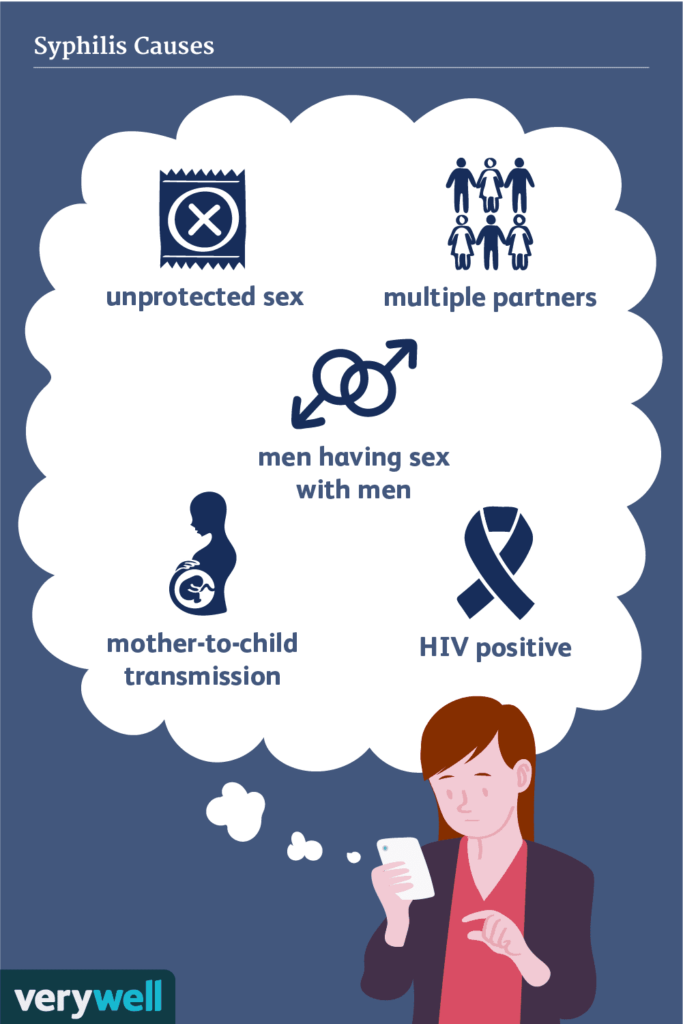
Risk Factors for Syphilis
Syphilis is a sexually transmitted infection (STI) caused by the bacterium Treponema pallidum. It can have serious long-term consequences if left untreated. While anyone who is sexually active can contract syphilis, there are certain risk factors that increase the likelihood of transmission. By understanding these risk factors, we can take necessary precautions to protect ourselves and prevent the spread of syphilis.
Unprotected Sexual Activity
Overview of Unprotected Sexual Activity
Unprotected sexual activity refers to engaging in sexual intercourse without the use of barrier methods such as condoms or dental dams. This puts individuals at a higher risk of acquiring syphilis, as well as other STIs. Engaging in unprotected sex can result in direct contact with infectious syphilis lesions and increase the chances of transmission.
Transmission of Syphilis through Unprotected Sex
Syphilis is primarily transmitted through sexual contact, including vaginal, anal, and oral sex. The infection can be spread through direct contact with syphilis sores, which can be present on the genitals, anus, mouth, or other areas of the body. During sexual activity, the bacteria can easily pass from one person to another, leading to transmission of the infection.
Link Between Sexual Risk Behaviors and Syphilis
Certain sexual risk behaviors can significantly increase the risk of acquiring syphilis. Engaging in unprotected sex with multiple partners, having sex with high-risk individuals (such as those with a history of syphilis or other STIs), and participating in risky sexual practices all contribute to the transmission of syphilis. It is essential to practice safe sex and be aware of the potential risks involved to prevent the spread of syphilis.
Promoting Safe Sex Practices
To reduce the risk of syphilis transmission, it is crucial to practice safe sex consistently. This includes using condoms correctly and consistently, getting tested regularly for STIs, and engaging in open and honest communication with sexual partners about sexual health history and testing. By taking these precautions, individuals can protect themselves and their partners from the transmission of syphilis.

Multiple Sexual Partners
Increased Risk with Multiple Sexual Partners
Having multiple sexual partners increases the risk of acquiring syphilis. The more sexual partners an individual has, the higher the chances of encountering an infected partner or engaging in unprotected sexual activity. With each additional partner, the likelihood of encountering syphilis or any other STI increases. It is essential to be aware of the increased risk associated with multiple sexual partners and take appropriate precautions.
Significance of Partner Notification
Syphilis transmission can be prevented by informing sexual partners about one’s infection status. Partner notification involves informing recent sexual partners about a positive syphilis diagnosis, urging them to get tested, and encouraging them to seek prompt treatment if necessary. By notifying partners, individuals can help prevent the spread of syphilis within their sexual networks and protect others from infection.
Men who have Sex with Men (MSM)
Prevalence of Syphilis among MSM
Men who have sex with men (MSM) are at a higher risk of acquiring syphilis compared to the general population. Multiple factors contribute to the increased prevalence of syphilis among MSM, including a higher likelihood of engaging in unprotected anal sex, a higher number of sexual partners, and a higher prevalence of other STIs within the MSM community.
Factors Contributing to Syphilis Risks for MSM
The risk of syphilis transmission among MSM is influenced by several factors. These include limited access to healthcare and prevention services, stigma and discrimination, substance use, and complacency about safe sex practices. It is important to address these factors and provide targeted interventions to reduce the risk of syphilis among MSM.
Promoting Testing and Treatment for MSM
Regular testing for syphilis and other STIs is crucial for sexually active MSM. Testing allows for early detection and prompt treatment if any infection is detected. It is essential to increase awareness about the importance of testing and treatment among MSM through targeted education campaigns, community outreach programs, and accessible healthcare services.
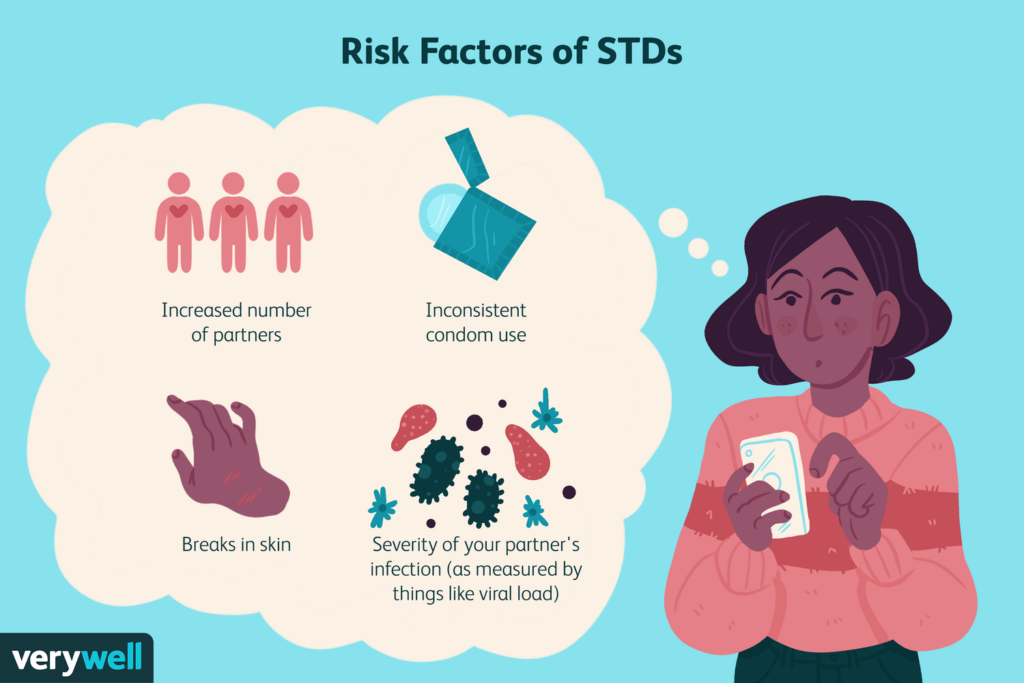
People with HIV
Syphilis in People Living with HIV
People living with HIV are at an increased risk of acquiring syphilis due to various factors. HIV and syphilis share similar risk factors, including unprotected sex and engagement in high-risk sexual behaviors. Additionally, individuals with HIV may have weakened immune systems, which can make them more susceptible to syphilis infection.
Impact of HIV on Syphilis Progression
HIV infection can have a significant impact on the progression and complications of syphilis. Co-infection with HIV can lead to more rapid progression of syphilis, increased risk of neurological complications, and a higher likelihood of transmitting syphilis to sexual partners. Routine screening for syphilis among people living with HIV is crucial for early detection and appropriate treatment.
Importance of Routine Screening
Routine screening for syphilis is essential for individuals living with HIV, as it allows for early identification and prompt treatment to prevent complications. Regular screening can also help identify and treat syphilis in individuals with asymptomatic or latent infection, reducing the risk of transmission to others. Healthcare providers should prioritize syphilis screening as part of the routine care for people living with HIV.
Commercial Sex Workers
Syphilis Transmission in Commercial Sex Work
Commercial sex workers are at a heightened risk of acquiring and transmitting syphilis due to the nature of their work. Engaging in sexual activity with multiple partners without consistent condom use increases the chances of exposure to syphilis. The close interaction between commercial sex workers and their clients creates an environment conducive to the transmission of the infection.
Risk Factors for Commercial Sex Workers
Several risk factors contribute to the transmission of syphilis among commercial sex workers. These include limited access to healthcare services, stigma and discrimination, engagement in high-risk sexual behaviors, and lack of condom use. To address these risk factors, it is crucial to ensure access to healthcare and support for commercial sex workers, including regular testing, treatment, and education.
Ensuring Access to Healthcare and Support
To prevent syphilis transmission among commercial sex workers, it is vital to provide them with adequate access to healthcare and support services. This includes offering regular testing, treatment, and counseling, as well as promoting safe sex practices and condom use. Creating a supportive environment that addresses the unique challenges faced by commercial sex workers plays a crucial role in preventing syphilis infection.

Injection Drug Use
Sharing Needles and Syringes
Injection drug use, particularly the sharing of needles and syringes, significantly increases the risk of syphilis transmission. When individuals share contaminated needles, they can introduce the bacteria directly into their bloodstream, leading to syphilis infection. The close proximity and quick succession of drug injections among drug users create an environment conducive to the rapid spread of syphilis.
Increased Vulnerability to Syphilis
Injection drug users are already at an increased risk of various infections, and syphilis is no exception. Injection drug use often occurs in environments with limited access to healthcare, making early diagnosis and treatment challenging. Additionally, the factors associated with injection drug use, such as poverty, unstable housing, and social marginalization, further contribute to the vulnerability of this population to syphilis infection.
Harm Reduction Strategies
Implementing harm reduction strategies is crucial in addressing the risk of syphilis transmission among injection drug users. Providing access to clean needles and syringes, along with education on safe injection practices, can significantly reduce the risk of syphilis and other bloodborne infections. Additionally, offering resources for substance abuse treatment, healthcare, and social support can help mitigate the underlying risk factors associated with syphilis transmission among this population.
Babies born to Infected Mothers
Congenital Syphilis
Babies born to mothers infected with syphilis can develop congenital syphilis, a serious condition that can lead to severe health complications and even death. Transmission of syphilis from mother to child can occur during pregnancy or delivery and is entirely preventable with appropriate screening and treatment.
Preventing Mother-to-Child Transmission
Preventing mother-to-child transmission of syphilis is crucial for protecting the health and well-being of both the mother and the infant. Routine antenatal screening allows for early detection and appropriate treatment of syphilis in pregnant women, reducing the risk of transmission. Timely treatment with penicillin is highly effective in preventing congenital syphilis and should be administered to infected mothers.
Antenatal Screening and Treatment
Antenatal screening for syphilis is an essential component of prenatal care. Screening allows healthcare providers to identify syphilis infections in pregnant women, even if they are asymptomatic. Early detection enables prompt treatment, preventing the transmission of syphilis to the baby. It is crucial for all pregnant women to undergo routine syphilis screening to protect their health and the health of their unborn child.

Socioeconomic Factors
Syphilis Disparities in Socioeconomically Disadvantaged Communities
Syphilis disproportionately affects socioeconomically disadvantaged communities due to various factors. Limited access to healthcare services, including routine screening and treatment, can contribute to higher rates of syphilis in these communities. Socioeconomic factors, such as poverty, unstable housing, and lack of education, create challenges in addressing the risk factors associated with syphilis transmission effectively.
Barriers to Prevention and Treatment
Socioeconomic factors can create barriers to prevention and treatment of syphilis. Limited resources and healthcare disparities make it difficult for individuals in socioeconomically disadvantaged communities to access healthcare services, receive routine screenings, and receive prompt treatment if infected. Additionally, stigma and discrimination may further discourage individuals from seeking help or disclosing their infection status.
Addressing Social Determinants of Health
To reduce syphilis disparities in socioeconomically disadvantaged communities, it is crucial to address the social determinants of health that contribute to these inequities. This involves improving access to healthcare services, implementing targeted interventions and outreach programs, increasing health literacy, and promoting policies that address socioeconomic disparities. By addressing these factors, we can work towards reducing the burden of syphilis in marginalized communities.
Education and Awareness
Promoting Syphilis Education
Education plays a crucial role in preventing syphilis transmission. By providing accurate and comprehensive information about syphilis, its risk factors, and preventive measures, we can empower individuals to make informed decisions about their sexual health. Education should focus on promoting safe sex practices, regular testing, and the importance of treatment.
Preventing Stigma and Discrimination
Stigma and discrimination surrounding STIs, including syphilis, can act as barriers to prevention, testing, and treatment. It is essential to challenge stigma, educate the public about syphilis, and promote understanding and acceptance. By reducing stigma and discrimination, individuals will feel more comfortable seeking healthcare services and complying with recommended prevention strategies.
Raising Awareness in High-Risk Groups
Raising awareness about syphilis in high-risk groups is crucial for prevention efforts. Tailored education campaigns, community outreach programs, and targeted interventions can help reach populations at higher risk of syphilis, such as MSM, commercial sex workers, and injection drug users. By increasing awareness and providing accessible resources, we can empower individuals to protect themselves and others from syphilis.