
Quitting smoking is a brave and commendable decision, but it can also come with its fair share of challenges. This article explores the risk factors associated with smoking withdrawals and provides helpful precautions to navigate this journey successfully. Whether you are contemplating quitting or have already taken that first step, understanding these factors and implementing the right precautions can make all the difference in your path to a smoke-free life. So, let’s dive into this informative article and equip ourselves with the necessary knowledge and strategies to overcome smoking withdrawals with confidence and ease.
Understanding Smoking Withdrawals
Definition of smoking withdrawals
Smoking withdrawals refer to the physical and psychological symptoms that occur when a person abruptly stops or reduces their tobacco use. These symptoms are a result of the body’s dependence on nicotine, a highly addictive substance found in cigarettes and other tobacco products. When someone stops smoking, their body experiences a period of adjustment as it tries to readjust to functioning without nicotine. This adjustment process leads to a range of withdrawal symptoms.
Effects of smoking withdrawals
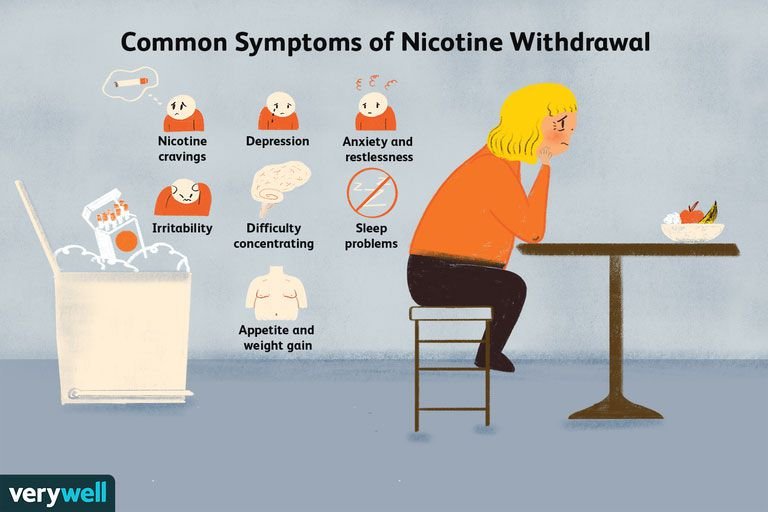
Smoking withdrawals can have a significant impact on both the physical and mental well-being of individuals. Physically, some of the common effects include increased cravings, headaches, dizziness, coughing, and a decrease in energy levels. Mentally, individuals may experience irritability, anxiety, difficulty concentrating, and mood swings. These effects can be challenging to cope with, but it’s important to remember that they are temporary and a sign that the body is healing from tobacco use.
Common symptoms of smoking withdrawals
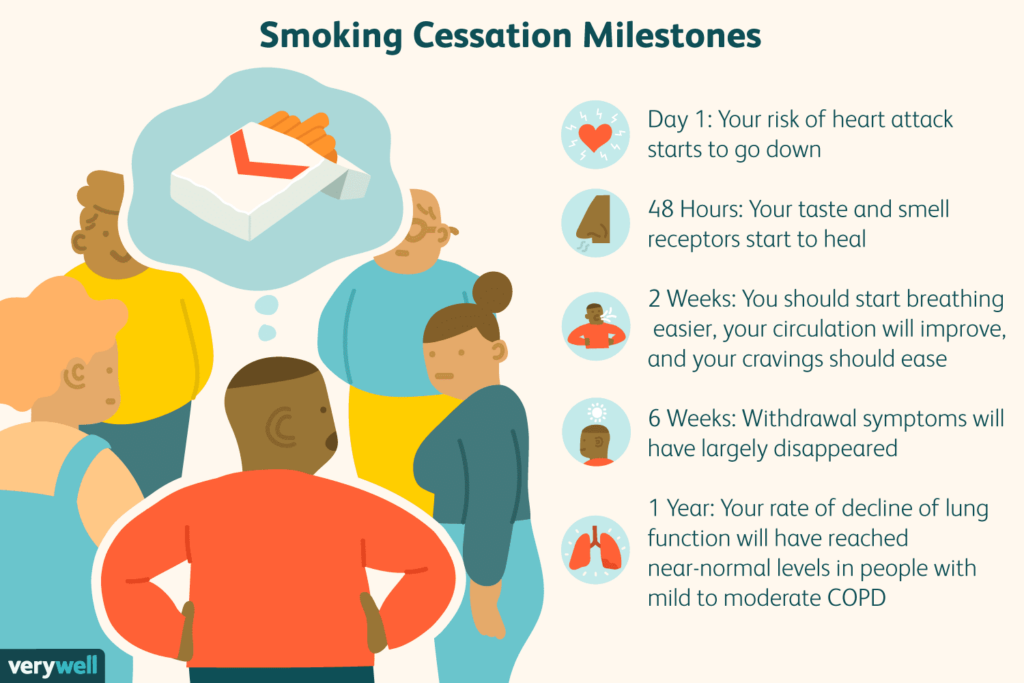
The symptoms of smoking withdrawals can vary from person to person, but some of the most common ones include intense cravings for nicotine, restlessness, irritability, difficulty sleeping, increased appetite, difficulty concentrating, and feelings of sadness or depression. These symptoms usually peak within the first week of quitting smoking and can last for several weeks or even months, depending on the individual. It’s important to note that while these symptoms can be unpleasant, they are a normal part of the quitting process and typically subside over time.
Risk Factors for Smoking Withdrawals
Frequency and duration of smoking
The frequency and duration of smoking play a significant role in the severity of smoking withdrawals. Those who smoke more frequently and for a longer period of time are more likely to experience more intense withdrawal symptoms when they quit or cut back on smoking. The longer the body has been exposed to nicotine, the more dependent it becomes, making it harder to quit.
Level of nicotine dependence
The level of nicotine dependence is another crucial factor in determining the severity of smoking withdrawals. Nicotine is highly addictive, and individuals with a high level of dependence are more likely to experience intense cravings and withdrawal symptoms. Factors that contribute to higher levels of dependence include smoking a larger number of cigarettes per day, smoking within a few minutes of waking up, and experiencing cravings even in situations where smoking is not allowed.
Psychological factors
Psychological factors such as stress, anxiety, and depression can also impact the experience of smoking withdrawals. These conditions can make it more challenging to cope with cravings and the emotional rollercoaster that often accompanies quitting smoking. Those with pre-existing mental health issues may require additional support during the withdrawal process.
Support network
Having a strong support network in place can greatly influence an individual’s ability to successfully manage smoking withdrawals. The support of friends, family, and healthcare professionals can provide encouragement, guidance, and accountability. Surrounding oneself with individuals who are understanding and supportive of the quitting journey can significantly increase the chances of long-term success.
Environmental triggers
Environmental triggers, such as being in social situations where others are smoking or having easy access to cigarettes, can make quitting smoking more difficult. Identifying these triggers and finding ways to avoid or minimize exposure to them can help reduce the intensity of smoking withdrawals. Creating a smoke-free and supportive environment is essential for individuals trying to quit smoking.
Precautions to Take During Smoking Withdrawals
Consultation with healthcare professionals
Before embarking on a quit smoking journey, it is advisable to consult with healthcare professionals. They can provide valuable guidance and resources to assist in managing smoking withdrawals. Healthcare professionals can help determine the best strategies and medications to aid in the quitting process, as well as provide ongoing support and monitoring.
Setting realistic expectations
Quitting smoking is a commendable goal, but it is essential to set realistic expectations. Withdrawal symptoms can be challenging, but understanding that they are temporary and part of the healing process is important. It may take time for the body and mind to adjust to life without nicotine, and setbacks along the way are normal. Setting smaller goals and celebrating milestones can help maintain motivation during the quitting process.
Building a support system
Building a support system is crucial during smoking withdrawals. Reach out to family, friends, and support groups who can provide encouragement and understanding. Having someone to talk to during difficult moments can help alleviate cravings and provide emotional support. Additionally, consider joining online communities or helpline services dedicated to supporting individuals on their journey to quit smoking.
Exploring nicotine replacement therapy
Nicotine replacement therapy (NRT) is an effective tool for managing smoking withdrawals. NRT provides the body with a controlled dose of nicotine to reduce cravings and gradually wean it off the substance. Options such as nicotine patches, gum, lozenges, nasal sprays, and inhalers can be explored under the guidance of healthcare professionals. NRT can significantly increase the chances of successful smoking cessation.
Implementing stress-relief techniques
Stress is a common trigger for smoking cravings. Implementing stress-relief techniques can help alleviate withdrawal symptoms. Techniques such as deep breathing exercises, meditation, yoga, and engaging in relaxing activities like listening to music or taking a bath can help reduce stress levels. Finding healthy and enjoyable ways to unwind can distract the mind from cravings and promote overall well-being.
Staying active and engaging in healthy habits
Physical activity and maintaining a healthy lifestyle can have a positive impact on managing smoking withdrawals. Exercise releases endorphins, which improve mood and reduce cravings. Engaging in regular physical activity, such as walking, jogging, or cycling, can provide a healthy outlet for stress and help the body recover from the effects of smoking. Additionally, focusing on a balanced diet, staying hydrated, and getting enough sleep are essential for overall well-being during the withdrawal process.
Avoiding triggers and tempting situations
Identifying and avoiding triggers and tempting situations is crucial for successfully managing smoking withdrawals. Whether it’s social events where smoking is prevalent or situations that trigger cravings, it’s important to have a plan in place to avoid these triggers or develop coping strategies to deal with them effectively. This may involve changing routines, finding new ways to spend leisure time, or seeking support from loved ones to help navigate challenging situations.
Becoming aware of withdrawal symptoms
Being aware of the common withdrawal symptoms can prepare and empower individuals during the quitting process. Knowing that symptoms such as cravings, irritability, and difficulty concentrating are normal and temporary can help alleviate anxiety and provide reassurance. Keeping a journal to track the intensity and duration of symptoms can provide insight into progress and serve as a reminder of the strides made in the journey towards a smoke-free life.
Creating a distraction toolbox
Creating a distraction toolbox filled with healthy and enjoyable activities can be a helpful strategy in managing smoking withdrawals. These activities can serve as a diversion when cravings strike and help redirect thoughts away from cigarettes. Examples of activities that can be included in a distraction toolbox are reading a book, practicing a hobby, engaging in physical exercise, playing a musical instrument, or enjoying a favorite pastime.
Continuing self-care practices
Self-care practices are essential during smoking withdrawals to support overall well-being. Taking care of oneself by practicing mindfulness, getting enough rest, engaging in activities that bring joy, and addressing emotional needs can all contribute to a successful quitting journey. Prioritizing self-care helps to manage stress levels, boost mood, and maintain motivation to stay smoke-free.
Potential Challenges in Smoking Withdrawals
Nicotine cravings
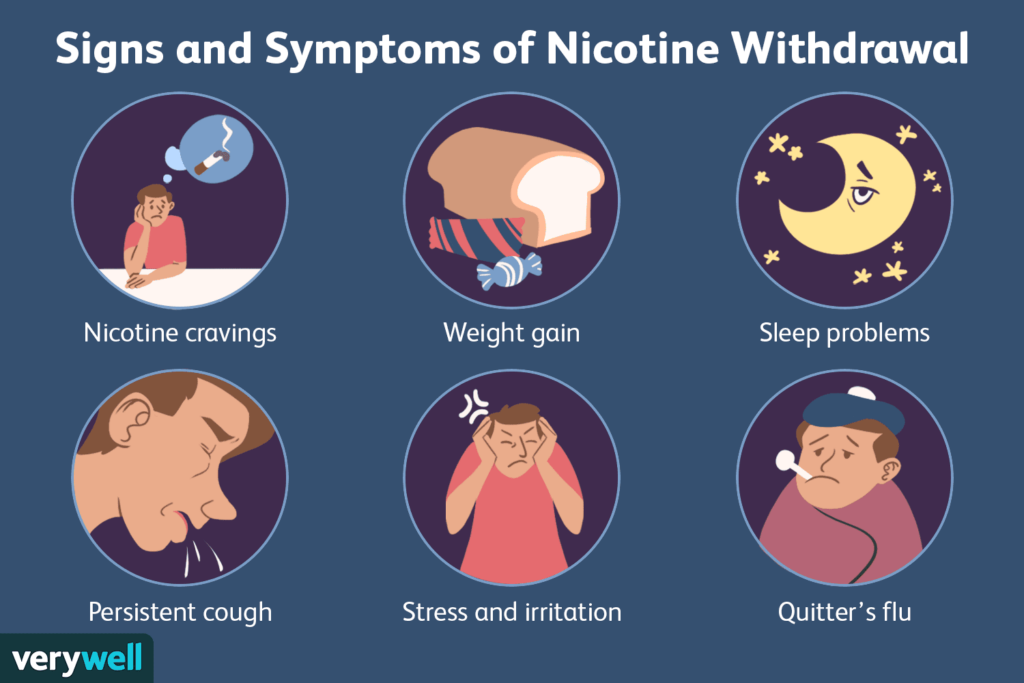
Nicotine cravings are one of the most common and challenging symptoms of smoking withdrawals. The intense desire to smoke can be overwhelming, especially in the early stages of quitting. Understanding that cravings are temporary and utilizing coping strategies can be helpful in managing and eventually overcoming these cravings.
Irritability and mood swings
Fluctuations in mood and irritability are common during smoking withdrawals. Nicotine withdrawal can impact the brain’s chemistry, leading to irritability, frustration, and mood swings. Recognizing these emotional challenges as a normal part of the quitting process can help individuals stay motivated and seek support when needed.
Weight gain
Weight gain is a potential challenge for some individuals during smoking withdrawals. Nicotine can suppress appetite and increase metabolism, so when someone quits smoking, their appetite may increase, and their metabolism may slow down. However, adopting a healthy diet, maintaining regular physical activity, and seeking support from healthcare professionals can help manage weight and prevent significant changes.
Anxiety and depression
Anxiety and depression can arise during smoking withdrawals, partly due to the major lifestyle change and the absence of nicotine’s temporary calming effect. These mental health conditions can be challenging to navigate, but seeking professional help, engaging in stress-relief activities, and leaning on a support system can assist in managing anxiety and depression during the quitting process.
Sleep disturbances
Sleep disturbances are common during smoking withdrawals. Individuals may experience difficulty falling asleep, staying asleep, or experiencing vivid dreams. These disruptions can impact energy levels and overall well-being. Establishing a relaxing bedtime routine, avoiding stimulants like caffeine, and discussing sleep concerns with healthcare professionals can help manage sleep disturbances.
Loss of focus and concentration
Nicotine withdrawal can affect cognitive functioning, resulting in difficulties with focus and concentration. This can make simple tasks seem challenging and frustrating. Adopting strategies such as breaking tasks into smaller, manageable parts, practicing mindfulness techniques, and utilizing calendars or reminders can help improve focus and concentration during this period.
Fatigue and low energy levels
Fatigue and low energy levels are common symptoms during smoking withdrawals. The body is adjusting to functioning without the stimulant effects of nicotine, which can lead to feelings of tiredness and lethargy. Prioritizing adequate rest, exercising regularly, practicing stress relief techniques, and maintaining a balanced diet can help combat fatigue and boost energy levels.
Social pressure
Social pressure to smoke can be a challenge during the quitting process, especially when surrounded by friends or acquaintances who continue to smoke. Individuals may feel isolated or tempted to give in to social pressures. Building a strong support network of non-smoking friends, communicating with loved ones about the quitting journey, and seeking alternatives to socialize can help navigate social situations without relying on cigarettes.
Relapse
Relapse is a potential challenge that individuals may face during smoking withdrawals. Quitting smoking is a process that can involve setbacks along the way. It’s essential to remember that relapse does not mean failure but serves as an opportunity to learn and strengthen one’s commitment to quitting. Seeking support from healthcare professionals and support groups can increase the chances of bouncing back from a relapse and continuing on the path to a smoke-free life.
Managing and Overcoming Challenges
Developing coping strategies
Developing coping strategies is crucial for managing and overcoming the challenges of smoking withdrawals. This can involve identifying triggers, finding healthier alternatives to smoking, practicing relaxation techniques, engaging in positive distractions, and seeking support from loved ones or professionals. Each individual may discover different strategies that work best for them, so it’s important to explore and experiment with various methods.
Seeking professional help
During smoking withdrawals, it can be beneficial to seek professional help to assist in managing challenges and withdrawal symptoms. Healthcare professionals, such as doctors, psychologists, and counselors, can provide guidance, prescribe medications if necessary, and offer ongoing support. They can also tailor approaches based on individual needs and preferences, increasing the chances of long-term success.
Engaging in physical activity
Regular physical activity has numerous benefits for individuals going through smoking withdrawals. Exercise can help reduce cravings, improve mood, increase energy levels, and address weight gain concerns. Engaging in activities such as jogging, swimming, cycling, or joining fitness classes can not only distract from cravings but also promote overall health and well-being.
Exploring alternative therapies
Alternative therapies, such as acupuncture, hypnotherapy, or cognitive-behavioral therapy (CBT), can offer additional support during smoking withdrawals. These therapies can help individuals manage cravings, address underlying psychological factors, and develop healthy coping mechanisms. Exploring various alternative therapies under professional guidance can complement traditional approaches to quitting smoking.
Practicing relaxation techniques
Practicing relaxation techniques is essential during smoking withdrawals to reduce stress and promote overall well-being. Techniques such as deep breathing exercises, progressive muscle relaxation, mindfulness meditation, or guided imagery can help individuals manage cravings, improve mood, and find inner calm. Consistency and regular practice in these techniques are key to reaping the benefits.
Joining support groups
Joining support groups or attending smoking cessation programs can provide individuals with a sense of community, encouragement, and motivation during the quitting process. Interacting with others who are on the same journey can offer emotional support, practical tips, and shared experiences. Support groups can be in-person, online, or a combination of both, allowing individuals to connect with others in a way that suits their preferences.
Monitoring progress and celebrating milestones
Monitoring progress and celebrating milestones is important for maintaining motivation and recognizing achievements during smoking withdrawals. Keeping track of the number of smoke-free days, financial savings from not purchasing cigarettes, or improvements in health can serve as reminders of the positive changes achieved. Celebrating milestones, whether big or small, can boost self-confidence and reinforce the commitment to a smoke-free life.
Identifying and avoiding triggers
Identifying and avoiding triggers is crucial in managing smoking withdrawals. Understanding the situations, people, or emotions that may lead to cravings can help individuals proactively develop strategies to avoid or navigate those triggers successfully. This may involve planning alternative activities, redirecting thoughts, or seeking support during challenging moments.
Utilizing distraction techniques
Utilizing distraction techniques can be an effective strategy for overcoming cravings and managing smoking withdrawals. Engaging in activities that capture attention and divert focus from cravings can help reduce their intensity. Healthy distractions can include reading a book, watching a movie, playing a game, solving puzzles, or pursuing hobbies. Experimenting with different distractions can help identify what works best for each individual.
Preparing for potential setbacks
It’s important to acknowledge that setbacks may occur during smoking withdrawals, and it’s crucial to prepare for them. Preparing a relapse prevention plan that outlines coping strategies, sources of support, and steps to take when faced with a setback can help individuals navigate these situations with resilience. Learning from setbacks and using them as opportunities for growth can contribute to long-term success.
Long-term Benefits of Quitting Smoking
Improved overall health
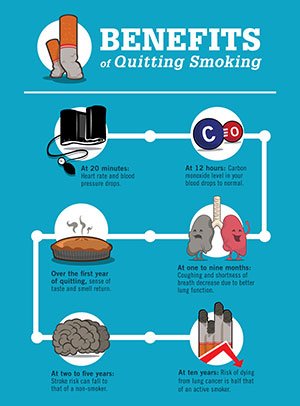
Quitting smoking has numerous long-term benefits for overall health. Over time, the risk of developing smoking-related diseases such as lung cancer, heart disease, and respiratory conditions decreases significantly. The body begins to repair itself, and lung function improves. Quitting smoking also reduces the risk of other chronic diseases, including stroke, diabetes, and various types of cancer.
Reduced risk of chronic diseases
Smoking is a leading cause of chronic diseases. By quitting smoking, individuals can significantly reduce their risk of developing these diseases. The risk of cardiovascular diseases, such as heart attacks and strokes, decreases, as does the risk of respiratory conditions such as chronic obstructive pulmonary disease (COPD) and emphysema. Quitting smoking is a powerful step towards improving long-term health outcomes.
Enhanced respiratory function
One of the immediate and most noticeable benefits of quitting smoking is improved respiratory function. The lungs begin to clear out mucus and other smoking-related debris, allowing for easier breathing. Coughing and shortness of breath, common during smoking withdrawals, gradually decrease, and lung capacity improves. This leads to an overall increase in respiratory health and endurance.
Increased energy levels
Quitting smoking can lead to increased energy levels and overall improved vitality. As the body recovers from the damage caused by smoking, oxygen levels in the blood increase, providing more energy for physical activities. People who quit smoking often report feeling less fatigue and experiencing enhanced stamina, enabling them to engage in activities they might have previously avoided.
Improved sense of taste and smell
Smoking can dull the senses of taste and smell. However, within a few weeks of quitting, these senses begin to improve. Food tastes more flavorful, and smells become more vibrant and enjoyable. This improvement can enhance the overall eating experience and make it easier to adopt healthier dietary habits.
Better skin health
Quitting smoking can have a positive impact on skin health. Smoking can accelerate skin aging, leading to premature wrinkles, dullness, and a lackluster complexion. When an individual quits smoking, blood flow to the skin improves, promoting a healthier and more radiant appearance. Over time, the skin’s elasticity and texture can improve, further contributing to a more youthful and vibrant look.
Financial savings
Smoking is not only detrimental to health but also a significant financial burden. Quitting smoking can result in substantial financial savings. The money previously spent on cigarettes can now be allocated to other purposes, such as paying off debts, treating oneself to small luxuries, or saving for long-term goals. The financial benefits of quitting smoking can provide added motivation and serve as a reward for successfully overcoming smoking withdrawals.
Improved quality of life
Quitting smoking can lead to an improved overall quality of life. The physical benefits, such as increased energy, better respiratory function, and reduced risk of chronic diseases, contribute to a more active and fulfilling lifestyle. The absence of smoking-related guilt and addiction also results in reduced stress and an enhanced sense of well-being. Additionally, individuals who quit smoking often report enjoying an enhanced social life as they are no longer isolated by smoking habits.
Positive impact on relationships
Quitting smoking can have a positive impact on relationships with family, friends, and loved ones. Secondhand smoke can affect the health of those around smokers, and quitting smoking eliminates this risk. Furthermore, relationships can be strengthened when individuals no longer prioritize smoking or need to step away from gatherings for smoking breaks. Quitting smoking can foster healthier and more meaningful connections with others.
Inspiration for others
When someone successfully quits smoking, they become an inspiration to others who may be struggling with smoking cessation. By sharing their quitting journey, individuals can motivate and encourage those around them to take steps towards a smoke-free life. Being a positive influence in the lives of others and setting an example of improved health and well-being can have a far-reaching impact.
Conclusion
Understanding smoking withdrawals, the factors that contribute to their severity, and the precautions that can be taken to manage them is essential for individuals embarking on a journey to quit smoking. While smoking withdrawals may present challenges, armed with the right knowledge, support, and strategies, individuals can successfully overcome them. It is important to remember that quitting smoking leads to numerous long-term benefits, including improved overall health, reduced risk of chronic diseases, and an enhanced quality of life. The decision to quit smoking is an empowering choice that can inspire others and pave the way for a healthier, smoke-free future.