
Styes can be quite uncomfortable and irritating, but with a little knowledge about their risk factors and the precautions you can take, you can effectively manage and prevent them. Whether you’ve experienced a stye before or are simply curious about how to protect yourself, understanding the potential triggers and how to keep your eyes healthy is essential. In this article, we will explore the risk factors associated with styes and provide simple precautions that can help you avoid these pesky eye irritations. So sit back, relax, and let’s dive into the world of styes!

Overview of Stye
What is a stye?
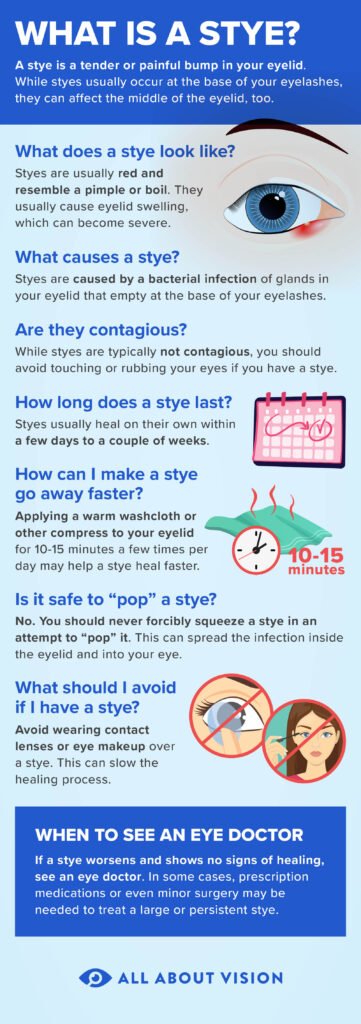
A stye, also known as a hordeolum, is a small, painful lump that develops on the eyelid. It is a red, swollen bump that resembles a pimple or boil. Styes usually occur on the outer edge of the eyelid and are caused by an infection of the oil glands in the eyelids. They are typically not a serious condition but can cause discomfort and irritation.
Causes of styes
Styes are usually caused by a bacterium called Staphylococcus aureus, which is commonly found on the skin or in the nose. When these bacteria invade the oil glands on the eyelids, they can cause an infection and a stye to form. Poor hygiene, such as touching or rubbing the eyes with dirty hands, can introduce bacteria into the oil glands and increase the risk of developing a stye. Other factors that can contribute to the development of styes include blepharitis, wearing contact lenses, chronic illnesses, a weakened immune system, and age.
Risk Factors for Stye
Poor hygiene
Keeping good hygiene is essential in preventing stye formation. Touching or rubbing the eyes with unclean hands can introduce bacteria into the oil glands and increase the risk of developing a stye. It is crucial to wash your hands regularly and avoid touching or rubbing your eyes unnecessarily.
Blepharitis
Blepharitis is a condition characterized by inflammation of the eyelids, often due to poor eyelid hygiene. People with blepharitis have an increased risk of developing styes because the inflammation can block the oil glands and lead to an infection. Proper treatment and management of blepharitis are crucial in preventing stye formation.
Contact lenses
Wearing contact lenses can increase the risk of developing styes. Contact lenses can cause irritation and inflammation of the eyelids, making them more susceptible to stye formation. It is important to properly clean and disinfect contact lenses according to the instructions provided by your eye care professional to reduce the risk of styes.
Chronic illnesses
Certain chronic illnesses, such as diabetes or autoimmune disorders, can weaken the immune system and increase the risk of developing styes. People with chronic illnesses should take extra precautions to maintain good hygiene and consult with their healthcare provider for proper management and prevention of styes.
Weakened immune system
A weakened immune system can make individuals more susceptible to infections, including stye-causing bacteria. Factors that can weaken the immune system include chronic illnesses, certain medications, and underlying health conditions. Strengthening the immune system through a healthy lifestyle, balanced diet, and regular exercise can help reduce the risk of styes.
Age
The risk of developing styes increases with age. As we get older, our oil glands may become more prone to infection, making us more susceptible to stye formation. Taking preventive measures, such as maintaining good hygiene and avoiding eye irritation, can help reduce the risk of developing styes at any age.
Precautions to Prevent Stye
Maintaining good hygiene
Good hygiene practices are essential in preventing stye formation. Wash your hands regularly with soap and warm water, especially before touching your eyes or applying any eye makeup. Avoid touching or rubbing your eyes unnecessarily to prevent the introduction of bacteria into the oil glands.
Avoiding sharing personal items
Avoid sharing personal items, such as towels, washcloths, or eye makeup, to reduce the risk of spreading bacteria that can cause styes. Sharing these items can introduce bacteria from one person’s eyes to another and increase the chances of stye development.
Proper contact lens care
If you wear contact lenses, it is important to follow proper contact lens care practices to reduce the risk of styes. Clean and disinfect your lenses according to the instructions provided by your eye care professional. Avoid sleeping with your contact lenses on and replace them as recommended.
Treating underlying blepharitis
If you have blepharitis, it is crucial to properly manage and treat the condition to prevent stye formation. Follow your healthcare provider’s recommendations for eyelid hygiene, including regular cleansing and warm compresses. In some cases, medication may be prescribed to reduce inflammation and control the underlying blepharitis.
Strengthening the immune system
Maintaining a healthy lifestyle can help strengthen your immune system and reduce the risk of infections, including styes. Eat a balanced diet rich in fruits, vegetables, and whole grains. Engage in regular exercise, get enough sleep, and manage stress levels effectively. These lifestyle factors can contribute to a stronger immune system, which can help prevent styes.
Diet and Lifestyle Recommendations
Eating a balanced diet
A balanced diet is important for overall health, including the health of your eyes. Include a variety of fruits, vegetables, whole grains, lean proteins, and healthy fats in your diet. Foods rich in vitamins A, C, and E, as well as omega-3 fatty acids, can promote eye health and reduce the risk of eye infections, including styes.
Avoiding rubbing or touching eyes
Avoid rubbing or touching your eyes unnecessarily, as it can introduce bacteria into the oil glands and increase the risk of stye formation. If your eyes feel itchy or irritated, use a clean tissue or a sterile eye drop to alleviate the discomfort.
Applying warm compresses
Applying warm compresses to the affected eyelid can help reduce inflammation and promote the drainage of the stye. Soak a clean washcloth in warm water, wring out excess water, and place it gently over the closed eyelid for 10 to 15 minutes, several times a day. This can provide relief and facilitate the healing process.
Using eyelid scrubs
Eyelid scrubs can be used to clean the eyelids and remove debris, excess oil, and bacteria that can contribute to stye formation. Use a gentle eyelid cleanser recommended by your eye care professional and follow the instructions provided. Regular use of eyelid scrubs can help maintain eyelid hygiene and reduce the risk of styes.

Diagnosis of Stye
Physical examination
A healthcare provider can typically diagnose a stye through a physical examination of the affected eyelid. They will examine the size, location, and appearance of the stye to determine the appropriate treatment.
Medical history
Providing a detailed medical history is important when diagnosing a stye. Your healthcare provider may ask about your symptoms, previous eye infections or conditions, and any underlying health conditions that may contribute to the development of styes.
Evaluation of symptoms
In some cases, your healthcare provider may order additional tests or evaluations to rule out other eye conditions or infections. This may include swabbing the affected area for laboratory analysis or imaging tests to assess the extent of the infection or any underlying complications.
Treating Stye
Self-care measures
Most styes can be treated at home with self-care measures. Applying warm compresses to the affected eyelid several times a day can help reduce inflammation and promote drainage of the stye. Avoid squeezing or popping the stye, as it can worsen the infection. Maintain good hygiene by washing your hands regularly and avoid touching or rubbing your eyes unnecessarily.
Non-surgical treatments
In some cases, your healthcare provider may recommend non-surgical treatments to help alleviate the symptoms and promote healing. This may include prescribing antibiotic ointments or eye drops to help prevent the spread of infection and reduce inflammation. Follow your healthcare provider’s instructions for proper use and application of these medications.
Surgical options
If a stye does not respond to conservative treatments or becomes persistent or recurrent, your healthcare provider may recommend surgical intervention. This may involve a minor surgical procedure to drain the stye or remove any underlying blockage that is contributing to its formation. Your healthcare provider will discuss the surgical options and their potential risks and benefits with you before proceeding.

Complications of Stye
Spreading of infection
If left untreated or improperly managed, a stye can spread the infection to other parts of the eyelid or nearby areas. This can lead to a more severe infection and may require more aggressive treatment.
Recurrent styes
Some individuals may be more prone to developing recurrent styes, especially if the underlying causes, such as blepharitis or chronic illnesses, are not effectively managed. Recurrent styes can cause discomfort and frustration but can typically be managed with proper preventive measures and treatment.
Chalazion formation
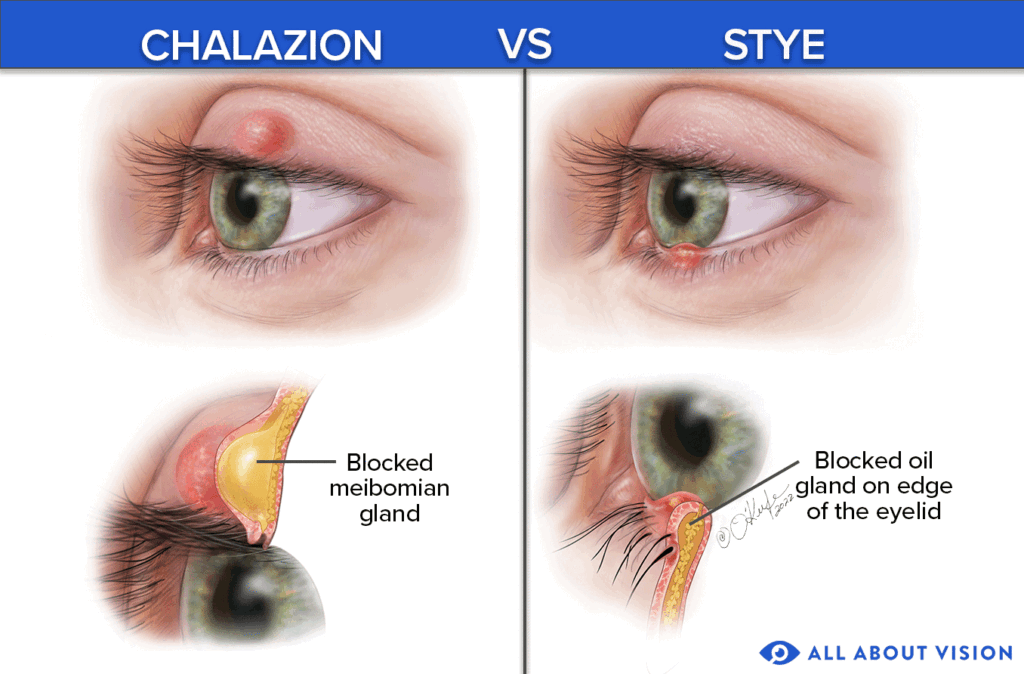
In some cases, a stye may progress to a chalazion, which is a painless, hard lump that forms on the eyelid. A chalazion occurs when the oil gland becomes blocked and the built-up oil creates a cyst. Chalazions can take longer to resolve than styes and may require medical intervention or surgical removal.
When to Seek Medical Help
Persistent or worsening symptoms
If you experience persistent or worsening symptoms, such as increasing pain, redness, or swelling of the eyelid, it is important to seek medical help. Your healthcare provider can assess the severity of the stye and provide appropriate treatment to prevent complications.
Eyelid or eye pain
If you experience severe eyelid or eye pain, it may indicate a more severe infection or complication. Seek immediate medical attention to prevent further damage or vision loss.
Changes in vision
If you notice any changes in your vision, such as blurriness or decreased visual acuity, it is crucial to seek medical help. Changes in vision may indicate a more severe infection or underlying eye condition that requires prompt evaluation and treatment.
Stye Prevention Tips
Keep eyelids clean
Maintaining good eyelid hygiene is crucial in preventing stye formation. Wash your hands regularly, avoid touching or rubbing your eyes unnecessarily, and clean your eyelids with a gentle cleanser or eyelid scrub recommended by your eye care professional.
Avoid using expired eye makeup
Using expired or contaminated eye makeup can introduce bacteria into the oil glands and increase the risk of styes. Replace eye makeup, including mascara, eyeliner, and eye shadow, regularly to prevent bacterial growth. Avoid sharing eye makeup with others to reduce the risk of bacterial contamination.
Remove contact lenses before sleep
Removing contact lenses before sleep can reduce the risk of eye irritation and infection, including styes. Follow proper contact lens care practices and never sleep with your contact lenses on unless recommended by your eye care professional.
Prognosis of Stye
Most styes resolve on their own within a few days
In most cases, styes resolve on their own within a few days with proper self-care measures, such as warm compresses and good hygiene practices. It is important to avoid squeezing or popping the stye to prevent further infection or complications.
May require medical intervention in some cases
While most styes can be managed at home, some cases may require medical intervention, especially if they are persistent, recurrent, or associated with complications. Seeking medical help can help prevent further infections and promote faster healing.
In conclusion, styes are small, painful lumps that develop on the eyelids due to an infection of the oil glands. They can be prevented by maintaining good hygiene, avoiding sharing personal items, practicing proper contact lens care, treating underlying blepharitis, and strengthening the immune system. Making dietary and lifestyle changes, such as eating a balanced diet, avoiding eye rubbing, and applying warm compresses, can also help prevent styes. Early diagnosis and treatment are essential to prevent complications, and seeking medical help is recommended for persistent or worsening symptoms, eyelid or eye pain, and changes in vision. By following the outlined precautions and prevention tips, you can reduce the risk of styes and maintain healthier eyes.