
Are you tired of dealing with the discomfort and inconvenience of constipation? Look no further! This article will provide you with helpful tips on how to prevent constipation and keep your digestive system running smoothly. From incorporating fiber-rich foods into your diet to staying hydrated and maintaining an active lifestyle, these simple yet effective strategies will help you say goodbye to constipation for good. So, let’s get started on the path to a healthier and happier gut!

Understanding Constipation
Constipation is a common digestive problem that many people experience at some point in their lives. It is characterized by infrequent bowel movements or difficulty passing stools. When you are constipated, your stools may be hard, dry, and difficult to pass. This can lead to discomfort, bloating, and abdominal pain. Understanding the causes and prevention strategies for constipation can help you maintain a healthy digestive system.
Definition of Constipation
Constipation is defined as having fewer than three bowel movements per week. However, the frequency of bowel movements can vary from person to person. Some individuals may have bowel movements less frequently, but as long as they are passing stools without difficulty and do not experience discomfort, they are not considered constipated. It is important to note that constipation is not a disease, but rather a symptom of an underlying issue.
Causes of Constipation
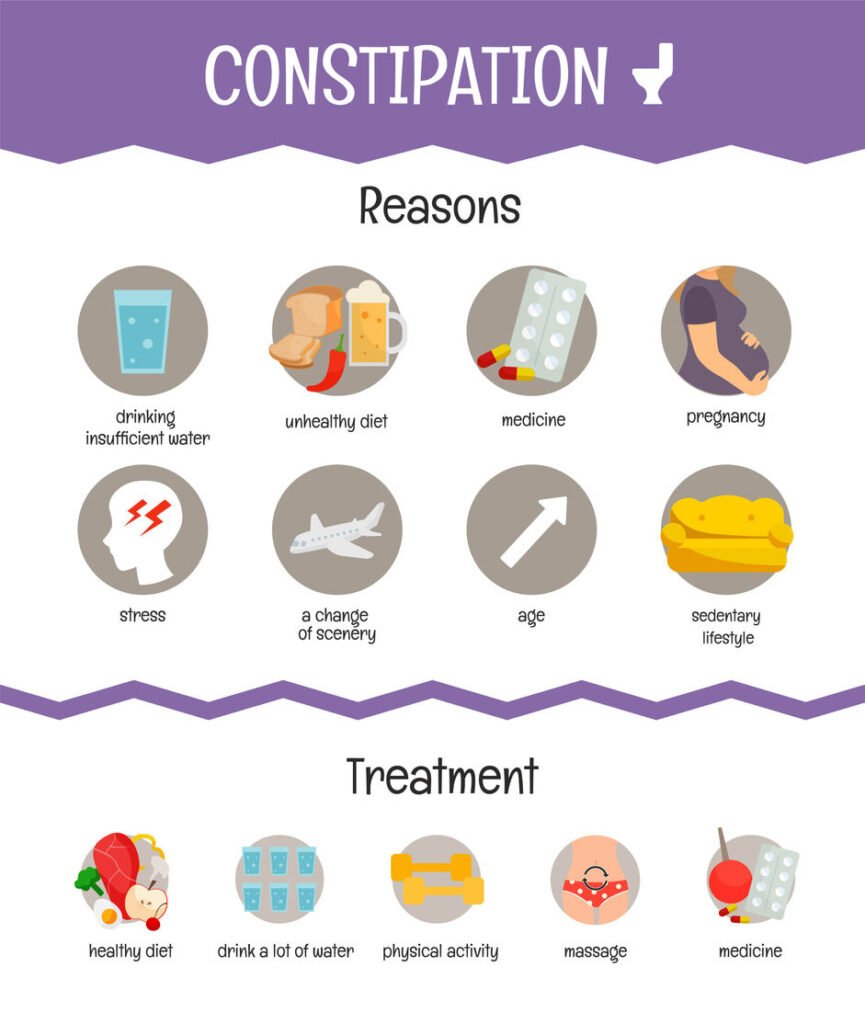
Constipation can occur for various reasons. Some common causes include a low-fiber diet, inadequate fluid intake, sedentary lifestyle, stress, certain medications, and hormonal imbalances. A diet lacking in fiber can lead to hard, dry stools that are difficult to pass. Dehydration can also contribute to constipation as the body requires an adequate amount of fluids to maintain regular bowel movements. Being physically inactive and leading a sedentary lifestyle can slow down digestion, making it harder for stools to move through the intestines. Stress can also impact bowel function, as it can disrupt the natural contractions of the intestines. Additionally, certain medications such as painkillers, antidepressants, and blood pressure medications can cause constipation. Lastly, hormonal imbalances, particularly in women, can affect bowel movements.
Dietary Changes
Making certain dietary changes can play a crucial role in preventing and relieving constipation. These changes include:
Increase Fiber Intake
One of the most effective ways to prevent constipation is by increasing your fiber intake. Fiber adds bulk to the stool, making it easier to pass through the digestive system. Incorporate foods rich in soluble and insoluble fiber into your diet, such as fruits, vegetables, whole grains, legumes, and nuts. Aim for at least 25-30 grams of fiber per day to maintain regular bowel movements.
Stay Hydrated
Drinking an adequate amount of fluids is essential for preventing constipation. Water helps soften stools, making them easier to pass through the digestive tract. Aim to drink at least eight glasses of water per day. You can also include other hydrating beverages such as herbal teas and fruit-infused water. Avoid excessive consumption of caffeinated and alcoholic beverages, as they can contribute to dehydration.
Limit Processed Foods
Processed foods, such as fast food, frozen meals, and packaged snacks, are often low in fiber and high in unhealthy fats. These foods can slow down digestion and contribute to constipation. Opt for whole, unprocessed foods instead, such as fresh fruits and vegetables, lean proteins, and whole grains. These foods are higher in fiber and provide essential nutrients for a healthy digestive system.
Avoid Low-Fiber Choices
Certain foods are known to exacerbate constipation and should be avoided or limited. These include white bread, white rice, refined pasta, dairy products, and red meat. These foods are low in fiber and can contribute to hard stools. Instead, choose whole grain bread, brown rice, whole wheat pasta, and plant-based protein sources.
Include Probiotics
Probiotics are beneficial bacteria that help promote a healthy balance of gut flora. They can aid in digestion and prevent constipation. Include probiotic-rich foods in your diet, such as yogurt, kefir, sauerkraut, and kimchi. If you prefer a supplement form, consult with a healthcare provider for the appropriate dosage and strain.

Lifestyle Modifications
In addition to dietary changes, certain modifications to your lifestyle can also help prevent constipation.
Exercise Regularly
Regular physical activity is essential for maintaining a healthy digestive system. Exercise promotes the natural contraction of the intestines, helping to move stool through the digestive tract. Aim for at least 30 minutes of moderate-intensity exercise, such as brisk walking, jogging, or cycling, most days of the week. Find activities that you enjoy and make them a part of your daily routine.
Break Sedentary Habits
Excessive sitting or a sedentary lifestyle can contribute to constipation. Make an effort to break long periods of sitting by incorporating movement into your day. Take short walks or stretch breaks throughout the day, particularly after meals. Use a standing desk or an exercise ball to engage your core muscles. Avoid prolonged sitting, especially right after meals, as this can slow down digestion.
Manage Stress
Stress can have a significant impact on digestion and bowel movements. Find healthy ways to cope with stress, such as regular exercise, meditation, deep breathing exercises, or engaging in hobbies that you enjoy. Consider seeking professional help or counseling if stress becomes overwhelming and affects your daily life.
Establish Routine
Establishing a regular bowel routine can help train your body to have more predictable and regular bowel movements. Try to go to the bathroom at the same time every day, preferably after meals. Allow yourself enough time without rushing or feeling pressured. Creating a calm and relaxed environment in the bathroom can also aid in relieving constipation.
Proper Toilet Habits
The way you go to the bathroom and your posture can also affect bowel movements. Making certain adjustments to your toilet habits can promote regular bowel movements.
Avoid Straining
Straining or forcing a bowel movement can worsen constipation and lead to hemorrhoids. Instead, allow your body to have a natural urge to go to the bathroom. If you feel the need to strain, it may be a sign that your stool is not ready to be eliminated, and it is best to wait until the urge is stronger.
Allow Adequate Time
Make sure to allocate enough time for each bathroom visit. Rushing or feeling anxious about time constraints can inhibit bowel movements. Relax and allow your body to take its natural course. Try to avoid distractions such as cell phones or reading materials that can interfere with the natural process.
Utilize Squatting Position
The traditional sitting position on a toilet can create a kink in the rectum, making it more difficult to pass stools. Utilizing a squatting position can help straighten the rectum, allowing for easier elimination. Consider using a footstool or a specially designed squatting stool to elevate your feet while on the toilet. This can mimic a natural squatting position and facilitate bowel movements.
Maintain Proper Posture
When sitting on the toilet, ensure that your knees are slightly higher than your hips and your feet are resting comfortably on the floor or a footstool. This helps align your rectum and promotes proper muscle function during elimination. Avoid hunching or straining forward, as this can hinder the passage of stools.

Medication Considerations
If dietary and lifestyle modifications do not provide relief from constipation, it may be necessary to review your medications and consult with a healthcare provider.
Review Medications
Certain medications can contribute to constipation as a side effect. Pain medications, including opioids, are known to cause constipation. Antidepressants, anti-seizure medications, iron supplements, and some blood pressure medications can also have constipation as a side effect. Discuss your medications with your healthcare provider to determine if any adjustments can be made to alleviate constipation.
Consult Healthcare Provider
If constipation persists despite making dietary and lifestyle changes, it is important to consult with a healthcare provider. They can evaluate your symptoms, perform necessary tests, and recommend appropriate treatment options. They may prescribe medications or suggest other interventions, such as pelvic floor exercises or biofeedback therapy, to help relieve constipation.
Natural Remedies
In addition to conventional treatments, some people find relief from constipation through natural remedies. It is important to note that natural remedies may not have scientific evidence supporting their effectiveness and may not work for everyone. It is advisable to consult with a healthcare provider before trying any natural remedies.
Herbal Supplements
Certain herbal supplements, such as senna, cascara sagrada, and psyllium husk, are known for their potential laxative effects. However, it is important to use them with caution and under the guidance of a healthcare provider. Excessive or long-term use of herbal laxatives can lead to dependence or electrolyte imbalances. Follow dosage instructions carefully and discontinue use if any adverse effects occur.
Essential Oils
Some essential oils, such as peppermint oil and ginger oil, are believed to have digestive benefits and may help relieve constipation. These oils can be diluted and massaged onto the abdomen or added to a warm bath. However, essential oils should be used sparingly and with caution, as they can be potent and may cause allergic reactions. Consult with a healthcare provider or a qualified aromatherapist before using essential oils.
Acupuncture
Acupuncture, an ancient Chinese practice, involves inserting thin needles into specific points on the body to restore balance and promote healing. Some studies suggest that acupuncture may help relieve constipation by stimulating nerves and improving bowel function. Consult with a licensed acupuncturist to determine if acupuncture is a suitable option for you.
Abdominal Massage
Gentle abdominal massage can help promote bowel movements by stimulating the muscles and improving digestion. Start by lying on your back and gently apply pressure in a clockwise direction around the navel area. Use slow circular motions and gradually increase the pressure. Consult with a qualified massage therapist or watch instructional videos to learn proper techniques.

When to Seek Medical Attention
While most cases of constipation can be resolved with dietary and lifestyle changes, there are instances when medical attention is necessary.
Persistent Symptoms
If constipation persists for more than two weeks despite trying prevention strategies and natural remedies, it is important to seek medical attention. Persistent constipation may indicate an underlying medical condition, such as irritable bowel syndrome (IBS), hypothyroidism, or a bowel obstruction.
Severe Discomfort
If you experience severe abdominal pain, blood in your stools, or have been unable to pass any stools for several days, seek immediate medical attention. These could be signs of a more serious condition that requires immediate evaluation and treatment.
Preventing Recurring Constipation
Once you have successfully resolved constipation, it is important to take preventive measures to avoid recurring episodes.
Maintain Healthy Lifestyle
Continue to follow a high-fiber diet, drink plenty of fluids, and engage in regular exercise. These lifestyle habits contribute greatly to maintaining proper bowel function and preventing constipation.
Monitor Bowel Movements
Pay attention to your bowel movements and maintain a regular bathroom routine. If you notice any changes in your bowel habits, such as sudden constipation or changes in stool consistency, consult with a healthcare provider.
Avoid Long-term Laxative Use
While laxatives can provide temporary relief, long-term use can lead to dependence and may aggravate constipation. Use laxatives sparingly and as directed by a healthcare provider. Learn to rely on dietary and lifestyle changes as the primary means of preventing constipation.
Conclusion
Constipation can be an uncomfortable and bothersome condition. Understanding the causes and prevention strategies can help you maintain a healthy digestive system and prevent recurring episodes of constipation. By making dietary changes, incorporating lifestyle modifications, practicing proper toilet habits, considering medication adjustments or natural remedies when necessary, and seeking medical attention when appropriate, you can improve your bowel health and enjoy a more comfortable and regular digestive experience.
In summary, maintaining a high-fiber diet, staying hydrated, exercising regularly, managing stress, establishing a routine, and practicing proper toilet habits are essential for preventing and relieving constipation. By taking a proactive approach and implementing these prevention strategies, you can promote a healthy digestive system and avoid the discomfort and inconvenience of constipation. Remember to consult with a healthcare provider for personalized advice and guidance if constipation persists or causes severe discomfort.