
Have you ever wondered how nurses play a crucial role in promoting a balanced diet for their patients? In this article, we will explore the practical nursing considerations and management strategies that are essential when it comes to implementing a healthy and well-rounded diet. By understanding the importance of the food pyramid and how it can be customized to meet individual patient needs, nurses can become invaluable allies in achieving optimal nutrition and overall wellness. So, join us as we uncover practical nursing strategies for a balanced diet and discover the positive impact they can have on patient health.
Nursing Considerations for a Balanced Diet
Eating a balanced diet is essential for maintaining good health and preventing various diseases. As a nurse, it is crucial to understand the principles of a balanced diet and be able to assist patients in making healthy food choices. By incorporating these nursing considerations into your practice, you can effectively promote optimum nutrition and overall well-being among your patients.
Understanding the Food Pyramid
The Food Pyramid is a valuable tool that gives us a visual representation of the different food groups and their recommended proportions in a balanced diet. By understanding the Food Pyramid, you can educate patients on the importance of incorporating a variety of foods from each group into their daily meals.
Assessing Individual Nutritional Needs
Every individual has unique nutritional needs based on factors such as age, gender, weight, and medical conditions. As a nurse, it is crucial to assess these individual nutritional needs through dietary assessments, evaluation of body mass index (BMI), and body composition analysis. By identifying special dietary requirements or nutrient deficiencies, you can better tailor dietary interventions to each patient.

Educating Patients on Food Choices
One of the key roles of a nurse is to educate patients on making healthy food choices. By providing nutritional education materials and explaining the importance of variety, you can empower patients to make informed decisions about their diets. Promoting whole foods over processed foods, discussing the benefits of fresh produce, and highlighting the role of lean proteins and healthy fats are all essential components of patient education.
Promoting Portion Control
Portion control plays a significant role in maintaining a balanced diet. Educating patients on the concept of portion sizes and demonstrating portion control techniques can help them develop healthier eating habits. Encouraging balanced meals and teaching the use of portion control tools, such as measuring cups and food scales, can empower patients to better regulate their food intake.

Monitoring Fluid Intake
Staying adequately hydrated is an essential aspect of a balanced diet. As a nurse, it is crucial to emphasize the importance of hydration to your patients. Calculating fluid needs based on factors like age, weight, and physical activity level can help determine the appropriate amount of fluids each patient should consume. Additionally, educating patients on healthy beverage choices and addressing any fluid restrictions is vital.
Encouraging Regular Mealtimes
Establishing a consistent meal schedule is essential for promoting a balanced diet. By promoting regular mealtimes, you can educate patients on the benefits of eating at specific intervals throughout the day. This can help regulate their metabolism, prevent overeating, and maintain stable blood sugar levels. Addressing snacking habits and educating on mindful eating can further enhance the benefits of regular mealtimes.

Addressing Dietary Restrictions
Patients may have specific dietary restrictions due to allergies, intolerances, or medical conditions. As a nurse, it is crucial to identify these restrictions and modify diets accordingly to meet individual needs. Educating patients on label reading and suggesting alternative foods that can meet their nutritional requirements is essential for helping them navigate these dietary restrictions successfully.
Ensuring Adequate Fiber Intake
Fiber plays a crucial role in maintaining a healthy digestive system and preventing various diseases. As a nurse, it is important to explain the role of fiber in the diet to your patients. Identifying fiber-rich foods and emphasizing the importance of whole grains can help patients increase their fiber intake. Educating patients on the use of fiber supplements, when necessary, can also be beneficial.

Managing Special Diets
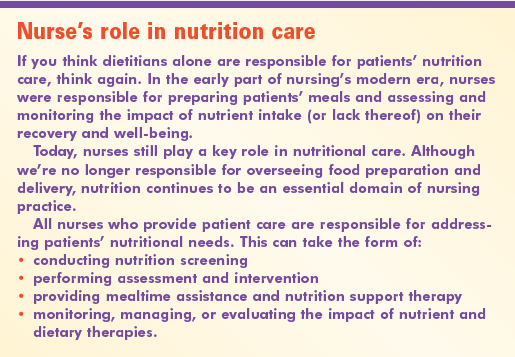
Sometimes, patients may require special diets due to medical conditions such as diabetes, hypertension, or kidney disease. As a nurse, it is essential to collaborate with dietitians and nutritionists to develop individualized meal plans for these patients. Referring patients to specialists and working as a team can ensure that patients receive the best possible nutrition care considering their specific needs and medical conditions.
Collaborating with Dietitians and Nutritionists
As a nurse, it is important to work collaboratively with dietitians and nutritionists to provide comprehensive nutrition care to your patients. Referring patients to specialists when necessary, working as a team to develop individualized plans, consulting on nutrition-related issues, and providing ongoing support and education are essential aspects of this collaborative effort. By working together, nurses and nutrition professionals can optimize patient outcomes and promote healthy dietary practices.
In summary, as a nurse, your role in ensuring a balanced diet for your patients is pivotal. By understanding the Food Pyramid, assessing individual nutritional needs, educating patients on food choices, promoting portion control, monitoring fluid intake, encouraging regular mealtimes, addressing dietary restrictions, ensuring adequate fiber intake, managing special diets, and collaborating with dietitians and nutritionists, you can greatly contribute to the overall health and well-being of your patients.