
Are you interested in learning about the important nursing considerations for primary congenital glaucoma? Look no further! In this article, we will discuss the key nursing considerations and management strategies for primary congenital glaucoma. From understanding the condition to administering appropriate care, we’ve got you covered. So, let’s dive in and explore the world of nursing considerations in primary congenital glaucoma!

Assessment
Medical History
During the assessment process, your healthcare provider will begin by gathering your medical history. This will include information about any previous eye conditions or surgeries, as well as any other medical conditions or medications you may currently be taking. It is important to provide accurate and thorough information to ensure an accurate diagnosis and appropriate treatment plan.
Family History
Alongside your medical history, your healthcare provider will also inquire about your family history of eye conditions, particularly glaucoma. Primary congenital glaucoma has a genetic component, so knowing if any close family members have been diagnosed with glaucoma is important for understanding your own risk and potential treatment options.
Physical Examination
Next, your healthcare provider will perform a physical examination, focusing on your eyes. They will use a variety of instruments to assess the structure and function of your eyes, looking for any abnormalities or signs of glaucoma. This examination is non-invasive and painless, providing valuable information for diagnosis and treatment planning.
Visual Acuity Assessment
One important aspect of the assessment process is the visual acuity assessment. This involves reading from an eye chart to determine how well you can see at various distances. This test helps the healthcare provider understand the extent of any visual impairment and can guide treatment decisions.
Intraocular Pressure Measurement
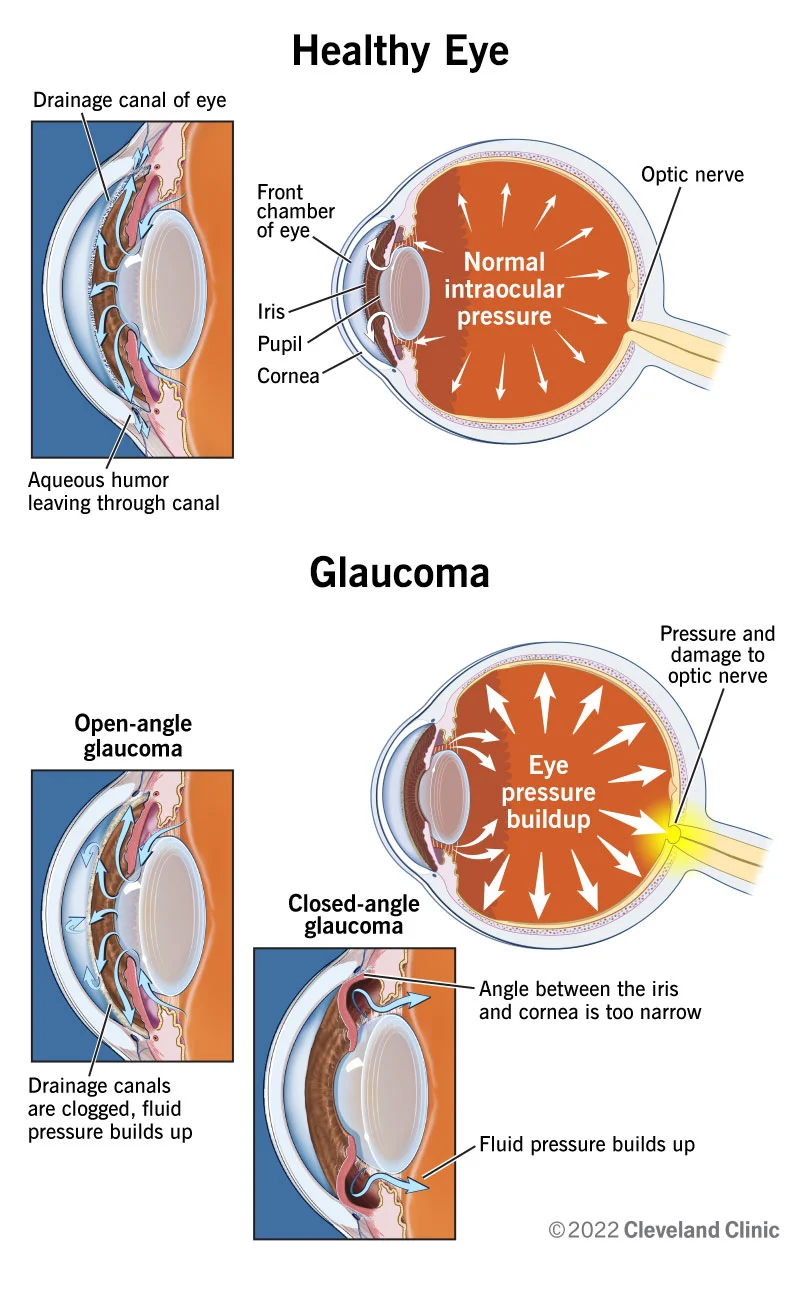
Measuring the intraocular pressure is a crucial part of the assessment for glaucoma. In primary congenital glaucoma, there is typically an increase in intraocular pressure due to abnormalities in the drainage system within the eye. Your healthcare provider will use a device called a tonometer to measure the pressure inside your eye. This measurement helps confirm or rule out a glaucoma diagnosis.
Diagnostic Tests
Gonioscopy
Gonioscopy is a diagnostic test used to examine the drainage angle of the eye. It involves the use of a special lens that allows the healthcare provider to visualize the structures of the angle and determine if there are any abnormalities present. This test helps provide valuable information for the diagnosis and management of primary congenital glaucoma.
Tonometry
Tonometry is the process of measuring the intraocular pressure. There are various methods of tonometry, including the use of an instrument called a tonometer, which may be in the form of a small handheld device or a non-contact device that blows a puff of air onto the surface of the eye. This test is essential in monitoring the progression of primary congenital glaucoma and evaluating the effectiveness of treatment.
Optical Coherence Tomography
Optical coherence tomography (OCT) is a non-invasive imaging test that provides detailed cross-sectional images of the retina and other structures within the eye. This test helps assess the health of these structures and can aid in the diagnosis and management of primary congenital glaucoma. By providing precise measurements and images, OCT allows for a more accurate evaluation of the condition.
Corneal Diameter Measurement
In primary congenital glaucoma, increased intraocular pressure can lead to enlargement of the cornea. Measuring the corneal diameter is an important diagnostic test to evaluate the extent of corneal enlargement and monitor changes over time. This measurement helps guide treatment decisions and assess the effectiveness of interventions.

Medication Administration
Topical Medications
Topical medications are a common form of treatment for primary congenital glaucoma. These medications are typically in the form of eye drops and work to lower intraocular pressure. Your healthcare provider will demonstrate the proper technique for administering the eye drops and provide instructions on when and how often to use them. It is essential to follow the prescribed regimen consistently to achieve the desired results.
Oral Medications
In some cases, oral medications may be prescribed to manage primary congenital glaucoma. These medications work to lower intraocular pressure and may be used in combination with topical medications. It is important to take these medications as directed by your healthcare provider and report any side effects or concerns to ensure safe and effective treatment.
Intravenous Medications
In rare cases, intravenous medications may be administered to manage primary congenital glaucoma. These medications are typically reserved for severe or refractory cases and are administered in a hospital or clinic setting under the supervision of a healthcare professional. The specific medication and dosage will be determined by your healthcare provider based on your individual needs.
Patient Education
Explanation of the Condition
Understanding your condition is vital for effectively managing primary congenital glaucoma. Your healthcare provider will take the time to explain the condition, including its causes, symptoms, and potential complications. They will also address any questions or concerns you may have, ensuring that you have a comprehensive understanding of your condition.
Medication Administration Techniques
Proper administration of topical medications is essential to achieve optimal results. Your healthcare provider will demonstrate the correct technique for administering the eye drops, including proper handwashing, positioning, and instillation of the drops. They will also provide written instructions for reference and answer any questions you may have regarding administration.
Importance of Compliance
Adhering to the prescribed treatment plan is crucial in managing primary congenital glaucoma. Your healthcare provider will emphasize the importance of compliance with medications and follow-up visits. They will explain the potential consequences of non-compliance and provide strategies to help you integrate your treatment plan into your daily routine effectively.
Eye Care and Hygiene
Maintaining good eye care and hygiene practices is essential for individuals with primary congenital glaucoma. Your healthcare provider will provide guidance on proper eye hygiene, including how to clean the eyelids and eyelashes to prevent infections. They will also stress the importance of protecting your eyes from excessive sunlight exposure and providing appropriate eye protection when engaging in activities with potential eye injury risks.

Surgical Interventions
Trabeculotomy
Trabeculotomy is a surgical procedure used to improve the drainage of fluid from the eye. During the procedure, your healthcare provider will create a small opening in the eye’s drainage system, allowing the fluid to flow more freely and reducing intraocular pressure. Trabeculotomy can be an effective treatment option for primary congenital glaucoma and may be recommended if other interventions fail to control the condition adequately.
Trabeculectomy
Trabeculectomy is another surgical procedure for managing primary congenital glaucoma. It involves creating a small drainage channel in the sclera (the white part of the eye) to reduce intraocular pressure. This surgery can improve the outflow of fluid from the eye and is often considered when other treatment options are ineffective or insufficient.
Device Implantation
In some cases, the implantation of a drainage device may be necessary to manage primary congenital glaucoma. These devices create a new pathway for fluid drainage, reducing intraocular pressure. Your healthcare provider will determine if this intervention is appropriate for your condition and fully explain the procedure, potential risks, and benefits.
Postoperative Care
Wound Care
After surgical interventions, proper wound care is essential to promote healing and reduce the risk of infection. Your healthcare provider will provide instructions on how to care for the surgical site, including cleaning techniques and any necessary dressings or medications. Following these instructions diligently will support optimal recovery.
Pain Management
Pain management is an important aspect of postoperative care. Your healthcare provider will prescribe appropriate pain medication to keep you comfortable during your recovery. It is important to follow the prescribed dosage and schedule and report any concerns about pain or medication side effects.
Monitoring for Complications
After surgery, it is essential to monitor for any potential complications. Your healthcare provider will outline the signs and symptoms to watch for, such as increased pain, redness, or vision changes. They will also provide instructions on when to seek medical attention if any concerning symptoms arise.

Collaborative Care
Ophthalmologist
Collaboration with an ophthalmologist is essential in managing primary congenital glaucoma. Ophthalmologists specialize in eye health and can provide additional expertise in diagnosing and treating glaucoma. Your healthcare provider will ensure close communication and collaboration with the ophthalmologist to deliver comprehensive care.
Genetic Counselor
Given the genetic component of primary congenital glaucoma, a genetic counselor may be involved in your care. A genetic counselor can provide information about the risk of passing on the condition to future children and help you make informed decisions about family planning. They can also provide support and resources for coping with any potential emotional or psychological implications.
Occupational Therapist/Dexterity Specialist
In some cases, additional support from an occupational therapist or dexterity specialist may be beneficial. These professionals can provide guidance and strategies to help manage activities of daily living that may be challenging due to visual impairment or other limitations associated with primary congenital glaucoma. They can also provide recommendations for adaptive devices or tools to enhance independence and quality of life.
Psychosocial Considerations
Supportive Counseling
Dealing with a diagnosis of primary congenital glaucoma can be challenging emotionally and psychologically. Supportive counseling can play a vital role in helping you cope with the diagnosis, navigate treatment options, and address any fears or concerns you may have. Your healthcare provider can provide referrals to mental health professionals who specialize in supporting individuals with chronic health conditions.
Infant Developmental Support
For infants diagnosed with primary congenital glaucoma, developmental support is essential. Early intervention programs and specialized services can address the unique needs of infants with visual impairments, promoting their overall development and well-being. Your healthcare provider can provide information and resources to connect you with these programs and services.
Family Education and Support
Glaucoma not only affects the individual diagnosed but also impacts their family. Education and support for family members are crucial in understanding the condition, its treatment, and how they can provide assistance and support. Your healthcare provider can facilitate family education sessions, provide informational materials, and connect you with support groups or counseling services.
Follow-up and Monitoring
Regular Ophthalmology Visits
After the initial assessment and treatment, regular follow-up visits with an ophthalmologist are essential for monitoring the progression of primary congenital glaucoma. These visits allow for continued assessment of the condition, adjustment of treatment plans if necessary, and ongoing education and support.
Monitoring Intraocular Pressure
Monitoring intraocular pressure is a critical aspect of managing primary congenital glaucoma. Regular measurements of intraocular pressure provide important information about the effectiveness of treatment and can guide further interventions or adjustments to the treatment plan. Your healthcare provider will determine the frequency of these measurements based on your condition and treatment response.
Assessment of Medication Efficacy
During follow-up visits, your healthcare provider will assess the efficacy of any prescribed medications in managing primary congenital glaucoma. This includes evaluating any changes in intraocular pressure, visual acuity, corneal diameter, and overall symptom management. Based on these assessments, modifications to the medication regimen may be made to optimize treatment outcomes.
Case Management
Coordination of Care
Managing primary congenital glaucoma often involves multiple healthcare providers and specialists. Case management facilitates effective coordination of care among these professionals, ensuring that all aspects of your treatment and management are addressed comprehensively. Your healthcare provider can serve as a central point of contact, helping to streamline communication and ensure continuity of care.
Referral to Specialized Services
Some cases of primary congenital glaucoma may require additional specialized services beyond the scope of primary care. Your healthcare provider will make appropriate referrals to ophthalmologists, genetic counselors, occupational therapists, or other specialists as needed. These referrals ensure that you receive the specialized care required for effective management of your condition.
Long-term Follow-up
Primary congenital glaucoma is a chronic condition that requires long-term management and follow-up. Regular appointments and ongoing assessments are necessary to monitor the condition, manage treatment options, and prevent potential complications. Your healthcare provider will guide you through the long-term follow-up plan, outline recommended intervals for visits, and provide support throughout your journey.