
Are you tired of the bothersome symptoms that accompany PMS every month? Look no further, because this article is here to help! Entitled “Nursing Considerations for Managing PMS Symptoms”, it offers valuable insights and practical advice on how nurses can effectively assist in the management of Pre-Menstrual Syndrome. From understanding the physical and emotional changes that occur during this time to implementing appropriate care plans, this article covers it all. Whether you’re a nurse looking to enhance your knowledge or someone seeking relief from PMS, you’re in the right place. So, let’s dive in and discover the essential nursing considerations for managing PMS symptoms!
1. Understanding PMS
1.1 Definition of PMS
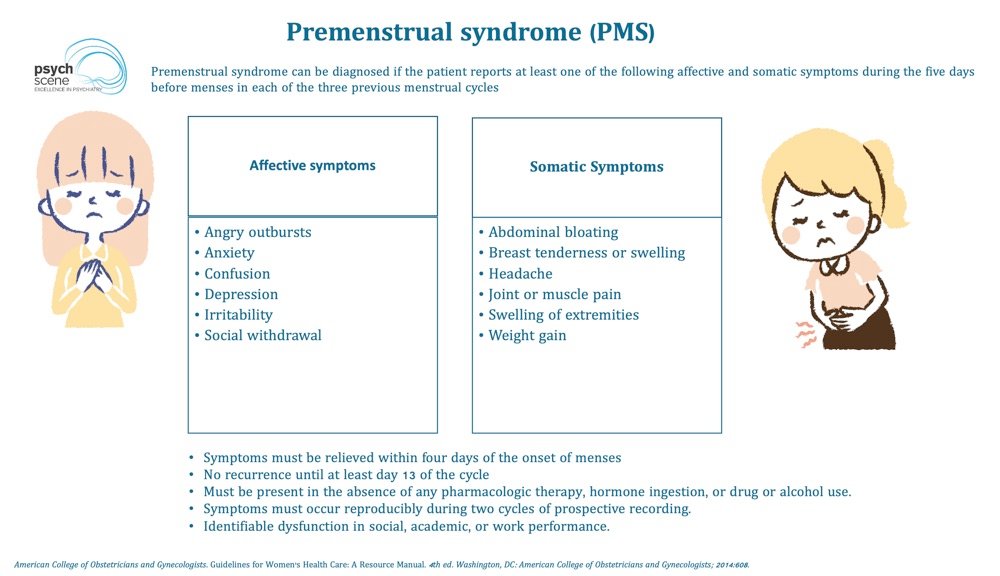
PMS, which stands for Pre-Menstrual Syndrome, refers to a collection of physical and emotional symptoms that many women experience in the days or weeks leading up to their menstrual period. These symptoms can vary from mild to severe and can significantly affect a woman’s quality of life. PMS is a common condition that affects a large number of women worldwide.
1.2 Prevalence of PMS
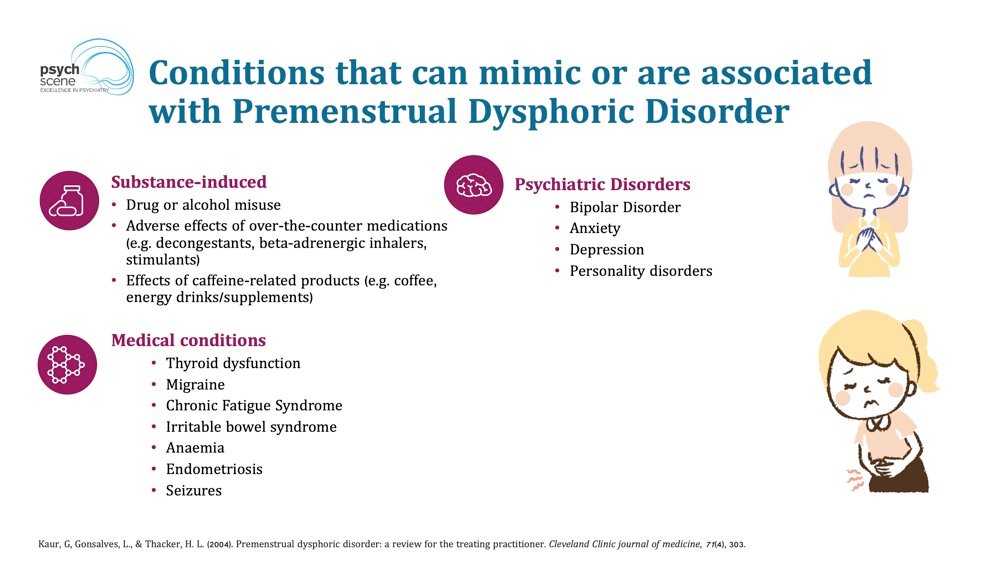
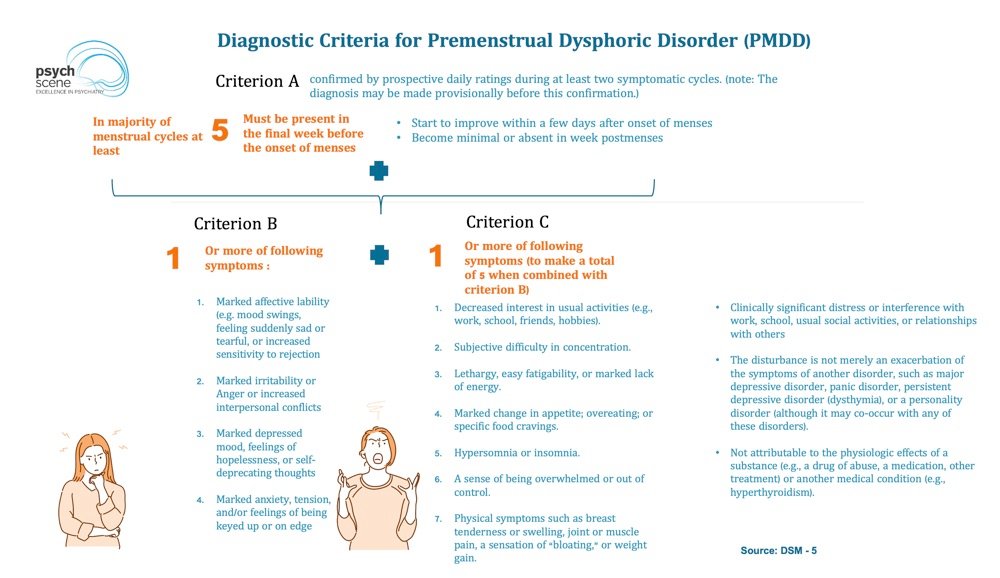
PMS is a prevalent condition, affecting approximately 75% of women during their reproductive years. While the exact cause of PMS is still unclear, hormonal fluctuations in the menstrual cycle are thought to play a significant role in its development. It is important to note that PMS is different from Premenstrual Dysphoric Disorder (PMDD), which is a more severe form of PMS that affects a smaller number of women.
1.3 Causes of PMS
The exact causes of PMS are still not fully understood. However, hormonal changes during the menstrual cycle are believed to be a significant contributing factor. Fluctuations in estrogen and progesterone levels can lead to the development of PMS symptoms. Other factors such as genetics, lifestyle, and underlying medical conditions may also influence the severity of PMS symptoms.
2. Common Symptoms of PMS
2.1 Physical Symptoms
Physical symptoms are often the first signs of PMS experienced by women. These symptoms can vary in intensity and duration. Some common physical symptoms include:
2.1.1 Breast Tenderness
Many women experience breast tenderness and swelling in the days leading up to their menstrual period. This discomfort can range from mild to severe and can make it difficult for women to engage in regular activities.
2.1.2 Bloating and Weight Gain
Another common physical symptom of PMS is bloating and weight gain. Women may notice an increase in water retention, leading to a feeling of fullness and discomfort. This symptom can also contribute to changes in weight during the menstrual cycle.
2.1.3 Headaches
Headaches are a prevalent symptom of PMS and can range from mild tension headaches to severe migraines. These headaches can be debilitating and interfere with daily activities.
2.2 Emotional Symptoms
In addition to physical symptoms, PMS can also cause emotional disturbances in women. These symptoms can significantly impact a woman’s mental well-being. Some common emotional symptoms of PMS include:
2.2.1 Mood Swings
Mood swings are a hallmark symptom of PMS. Women may experience unexplained shifts in mood, ranging from irritability to sadness and even euphoria. These mood swings can be sudden and intense, putting a strain on relationships and daily functioning.
2.2.2 Irritability and Anger
Feelings of irritability and anger are commonly experienced during PMS. Women may find themselves becoming easily annoyed or angered by even minor triggers. These emotional changes can lead to tension within relationships and social interactions.
2.2.3 Anxiety and Depression
PMS can also contribute to feelings of anxiety and depression. Women may experience heightened levels of worry, fear, and sadness during this time. It is important to recognize and address these emotional symptoms to prevent further distress.
3. Assessment and Diagnostic Considerations
3.1 Patient History
When assessing a woman with suspected PMS, a comprehensive patient history should be obtained. This history should include information about the frequency, severity, and duration of symptoms, as well as any previous treatment attempts. It is also essential to inquire about any underlying medical conditions that may contribute to the presence of PMS symptoms.
3.2 Symptom Tracking
Symptom tracking is a valuable tool in diagnosing and managing PMS. Encourage women to maintain a daily record of their symptoms, including the type, intensity, and duration of each symptom. This tracking can help identify patterns and triggers, allowing for more targeted treatment interventions.
3.3 Physical Examination
A physical examination can help rule out other underlying causes for similar symptoms and ensure a proper diagnosis of PMS. During the physical examination, the nurse should assess for signs of fluid retention, breast tenderness, and overall health status. Laboratory tests may also be ordered to rule out other medical conditions.
4. Non-pharmacological Management Strategies
4.1 Lifestyle Modifications
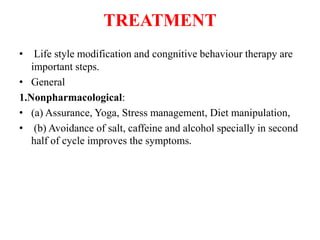
Lifestyle modifications can play a significant role in managing PMS symptoms. Encourage women to incorporate the following practices into their daily life:
4.1.1 Regular Exercise
Engaging in regular physical exercise, such as aerobic activities or yoga, can help reduce the severity of PMS symptoms. Exercise helps regulate hormone levels, improves mood, and reduces discomfort.
4.1.2 Balanced Diet
Following a balanced diet with an emphasis on whole foods can support overall health and reduce PMS symptoms. Encourage women to increase their intake of fruits, vegetables, whole grains, and lean proteins while reducing their consumption of processed and high-sugar foods.
4.1.3 Stress Reduction Techniques
Stress can exacerbate PMS symptoms. Teaching women stress reduction techniques such as deep breathing exercises, meditation, and mindfulness can help manage stress levels and improve overall well-being.
4.2 Nutritional Supplements
Certain nutritional supplements have been shown to alleviate PMS symptoms. These supplements can be considered as non-pharmacological options for symptom management:
4.2.1 Calcium and Vitamin D
Calcium and vitamin D supplementation have been found to reduce the severity of PMS symptoms, particularly emotional symptoms. Encourage women to include calcium-rich foods in their diet or consider supplementation under healthcare professional guidance.
4.2.2 Magnesium
Magnesium supplementation has shown promising results in reducing PMS symptoms, including mood swings, breast tenderness, and bloating. Encourage women to consider magnesium supplements after consulting with their healthcare provider.
4.2.3 Vitamin B6
Vitamin B6 has been found to alleviate symptoms such as mood swings, bloating, and breast tenderness. It can be obtained through dietary intake or supplementation, but it is crucial to follow recommended doses.

5. Pharmacological Management Options
5.1 Over-the-Counter Medications
Over-the-counter medications can provide symptomatic relief for women with mild to moderate PMS symptoms. Non-steroidal anti-inflammatory drugs (NSAIDs) such as ibuprofen or naproxen can help alleviate physical symptoms such as breast tenderness and headaches. It is important to educate women about proper dosing and possible side effects.
5.2 Prescription Medications
For women with severe PMS symptoms, prescription medications may be necessary. Selective serotonin reuptake inhibitors (SSRIs), such as fluoxetine or sertraline, have been shown to effectively reduce emotional symptoms associated with PMS. These medications should be prescribed and monitored by a healthcare professional.
6. Nursing Interventions for Symptom Relief
6.1 Patient Education and Counseling
Education and counseling play a vital role in managing PMS symptoms. Nurses should provide information about PMS, its causes, and the available treatment options. Emphasize the importance of self-care techniques, stress management, and healthy lifestyle choices. Encourage open communication and active participation in the treatment plan.
6.2 Pain Management
Pain management is crucial in alleviating physical symptoms associated with PMS. The following interventions can provide relief:
6.2.1 NSAIDs
Encourage the use of over-the-counter NSAIDs for pain relief, as discussed earlier. Advise women to follow the recommended dosage and be aware of potential side effects.
6.2.2 Topical Analgesics
Topical analgesics, such as creams or gels containing menthol or capsaicin, can be applied to areas of discomfort, such as breast tenderness. These products may provide temporary relief and reduce inflammation.
6.3 Emotional Support
Emotional support is crucial for women experiencing PMS symptoms. Nurses should provide a safe and non-judgmental environment for women to express their emotions and concerns. Active listening, empathy, and validation can help alleviate emotional distress and improve overall well-being.
6.4 Supportive Care
Supportive care measures can enhance the overall management of PMS symptoms. Encourage women to engage in activities that promote relaxation and well-being, such as aromatherapy, acupuncture, or massage therapy. Additionally, connecting women with support groups or counseling services can further provide emotional support and encouragement.
7. Monitoring and Evaluation
7.1 Symptom Tracking and Documentation
Continue monitoring and documenting women’s symptoms throughout their menstrual cycles. Review the symptom logs to identify patterns and assess the effectiveness of treatment interventions. This ongoing assessment ensures appropriate adjustments to the treatment plan and helps tailor interventions to meet individual needs.
7.2 Follow-up Assessments
Schedule regular follow-up assessments to evaluate the progress of symptom management. Use follow-up appointments to address any new or persistent symptoms and provide ongoing support and education. Collaboration between the healthcare provider and the nurse is essential in achieving optimal outcomes.
8. Collaborative Care
8.1 Interdisciplinary Communication
Collaboration between healthcare providers is crucial in managing PMS effectively. Nurses should communicate regularly with physicians, nurse practitioners, and other healthcare team members to ensure a holistic approach to care. Sharing assessment findings, treatment plans, and progress notes promotes comprehensive and cohesive care.
8.2 Referrals to Specialists
In cases where PMS symptoms are severe or unresponsive to initial treatment measures, referral to specialists may be necessary. Gynecologists, psychiatrists, or mental health professionals experienced in managing PMS and related conditions can provide additional expertise and specialized care for women with complex needs.
9. Special Considerations for Adolescents and Young Women
9.1 Hormonal Management Options
Adolescents and young women may require tailored treatment approaches for managing PMS symptoms. Hormonal management options such as combined oral contraceptives or progesterone-only pills may be considered under the guidance of a healthcare provider. These hormonal interventions help regulate hormone levels and reduce the severity of PMS symptoms.
9.2 Mental Health Screening
Given the potential impact of PMS on mental health, it is important to screen adolescents and young women for underlying mental health conditions. Depression and anxiety screening tools can help identify any coexisting mental health issues that may require further assessment and intervention.
10. Conclusion
10.1 Summary of Nursing Considerations
In summary, nurses play a crucial role in the management and support of women with PMS symptoms. Through comprehensive patient assessments, education, and interventions, nurses can help women effectively manage their symptoms and improve their overall quality of life. Non-pharmacological strategies, pharmacological options, and nursing interventions can be utilized in a holistic approach to address both physical and emotional aspects of PMS.
10.2 Importance of Holistic Approach
A holistic approach to managing PMS is essential to address the multidimensional nature of the condition. By focusing on lifestyle modifications, symptom tracking, patient education, and supportive care, nurses can empower women to take an active role in their own well-being. Collaborative care, interdisciplinary communication, and referrals to specialists when needed further enhance the comprehensive management of PMS symptoms. With proper support and guidance, women can successfully navigate the challenges of PMS and improve their overall quality of life.