
Painful urination can be incredibly uncomfortable and concerning. Whether you are experiencing this symptom personally or providing care for someone who is, it is essential to understand the nursing considerations and management strategies involved. In this article, we will explore the various factors that nurses should keep in mind when dealing with painful urination, and discuss the important role they play in assisting patients in finding relief and promoting overall well-being.

Assessment
Patient history
When assessing a patient with painful urination, it is essential to gather a comprehensive patient history. This includes asking questions about the onset and duration of symptoms, as well as any previous episodes of painful urination. It is important to inquire about any recent surgeries, sexual activity, or changes in medication that could contribute to the symptoms. Additionally, obtaining a thorough medical history, including any known allergies or chronic conditions, can help identify potential underlying causes of painful urination.
Physical examination
A physical examination is crucial in evaluating a patient with painful urination. The healthcare provider will perform a general assessment to look for any signs of discomfort or distress. A focused examination of the genital area may reveal redness, swelling, or discharge that could indicate an infection. A careful abdominal examination is also necessary to assess for any tenderness or swelling that could be associated with bladder or kidney stones. By conducting a thorough physical examination, healthcare professionals can gather important information to guide further diagnostic testing and treatment decisions.
Urinalysis
A urinalysis is a common diagnostic test used to evaluate patients with painful urination. This test involves analyzing a sample of the patient’s urine for the presence of infection, blood, or other abnormalities. The presence of white blood cells, red blood cells, or bacteria in the urine may indicate a urinary tract infection (UTI) or a sexually transmitted infection (STI). In addition, a urinalysis can provide information about the pH and specific gravity of the urine, which can be helpful in diagnosing conditions such as bladder or kidney stones. A urine culture and sensitivity test may also be ordered to identify the specific bacteria causing the infection and determine the most effective antibiotics for treatment.
Culture and sensitivity test
In cases where a urinary tract infection is suspected, a culture and sensitivity test may be ordered. This test involves growing the bacteria present in the urine sample in a laboratory and determining which antibiotics are most effective in killing the bacteria. This information is crucial in guiding appropriate antibiotic therapy and ensuring the patient receives the most effective treatment. By conducting a culture and sensitivity test, healthcare professionals can better tailor their treatment approach and minimize the risk of antibiotic resistance.
Potential Causes
Urinary tract infection (UTI)
A urinary tract infection occurs when bacteria enter the urinary tract, causing infection and inflammation. UTIs can affect different parts of the urinary system, including the bladder, urethra, or kidneys. When bacteria enter the urethra and travel upward, they can cause symptoms such as pain or burning during urination, increased frequency and urgency, cloudy or bloody urine, and lower abdominal pain. UTIs are more common in women due to their shorter urethra, which allows bacteria to reach the bladder more easily. However, UTIs can affect individuals of any gender or age.
Sexually transmitted infections (STIs)
Some sexually transmitted infections, such as gonorrhea or chlamydia, can cause painful urination. These infections typically occur when bacteria or other pathogens are transmitted during sexual activity. In addition to painful urination, individuals with STIs may experience discharge, itching, or discomfort in the genital area. Prompt diagnosis and treatment of STIs are essential to prevent complications and reduce the risk of further transmission.
Bladder or kidney stones
Bladder or kidney stones are hard, mineral deposits that form in the urinary system. When these stones pass through the urinary tract, they can cause significant pain and discomfort during urination. In addition to painful urination, individuals with bladder or kidney stones may experience lower abdominal pain, blood in the urine, and an increased urge to urinate. Treatment for bladder or kidney stones may involve lifestyle modifications, medications, or, in severe cases, surgical intervention to remove the stones.
Interstitial cystitis
Interstitial cystitis, also known as painful bladder syndrome, is a chronic condition characterized by bladder pain and urinary urgency. The exact cause of interstitial cystitis is unknown, but it is believed to involve a combination of factors, including inflammation and damage to the bladder lining. Individuals with interstitial cystitis may experience symptoms such as frequent urination, bladder pressure or pain, and pain during sexual intercourse. Treatment for interstitial cystitis often involves a combination of medications, dietary changes, physical therapy, and other interventions aimed at managing symptoms and improving quality of life.
Radiation cystitis
Radiation cystitis is a condition that can occur as a side effect of radiation therapy for cancer. The radiation used to treat cancer can cause damage to the bladder, leading to inflammation and pain during urination. In addition to painful urination, individuals with radiation cystitis may experience blood in the urine, urinary urgency, and frequency. Treatment for radiation cystitis may involve medications to manage symptoms, lifestyle modifications, and in some cases, hyperbaric oxygen therapy or surgical interventions.
Urethritis
Urethritis is inflammation of the urethra, often caused by an infection. The most common cause of infectious urethritis is sexually transmitted infections such as gonorrhea or chlamydia. Individuals with urethritis may experience painful urination, discharge from the urethra, and discomfort in the genital area. Treatment for urethritis typically involves a course of antibiotics to eliminate the infection and relieve symptoms.

Symptoms and Presentation
Pain or burning sensation during urination
One of the hallmark symptoms of painful urination is a pain or burning sensation during urination, often described as a “burning” or “stinging” feeling. This symptom, known as dysuria, is commonly associated with urinary tract infections, sexually transmitted infections, bladder or kidney stones, and urethritis. The pain or burning sensation may vary in intensity depending on the underlying cause and individual factors. It is important for healthcare professionals to assess the severity and location of the pain to guide appropriate treatment and management strategies.
Increased frequency of urination
Individuals with painful urination often experience an increased frequency of urination, meaning they feel the need to urinate more frequently than usual. This frequent urge to urinate, known as urinary frequency, can be disruptive and uncomfortable for patients. The urinary frequency may be accompanied by an increased urgency to urinate, which can be challenging to control. Increased frequency of urination can be a symptom of urinary tract infections, interstitial cystitis, or bladder or kidney stones. By addressing the underlying cause, healthcare professionals can help alleviate this distressing symptom.
Urgency to urinate
An urgency to urinate refers to a sudden and intense need to urinate, often difficult to postpone. Patients with painful urination commonly report feeling a constant or frequent urge to urinate urgently. This urgency can be overwhelming and disruptive to daily activities. In some cases, individuals may experience episodes of incontinence or leakage due to their inability to reach the bathroom in time. Understanding and addressing the underlying cause of this symptom, such as urinary tract infections or interstitial cystitis, is important for providing effective care and symptom management.
Cloudy or bloody urine
Cloudy or bloody urine is another common symptom experienced by individuals with painful urination. The presence of cloudy urine, often accompanied by a strong or unpleasant odor, may indicate an underlying infection in the urinary tract. Infections such as urinary tract infections or sexually transmitted infections can cause inflammation and the presence of white blood cells or bacteria in the urine, resulting in cloudiness. Additionally, blood in the urine, known as hematuria, may indicate trauma or damage to the urinary tract, such as bladder or kidney stones, interstitial cystitis, or radiation cystitis. Assessing the color and appearance of the urine can provide valuable information for diagnosis and treatment planning.
Lower abdominal pain
Lower abdominal pain is a frequently reported symptom associated with painful urination. This pain can range from mild discomfort to severe cramping and can be constant or intermittent. The location and severity of the pain can provide clues about the underlying cause. For example, pain localized to the lower abdomen may indicate bladder or urethral inflammation, while pain radiating to the back or sides may be suggestive of kidney stones. It is essential to assess the characteristics of the pain, including its duration, intensity, and any accompanying symptoms, to guide appropriate interventions and management strategies.
Fever and chills
In some cases, individuals with painful urination may also experience fever and chills. These systemic symptoms often indicate an underlying infection, such as a urinary tract infection, that has spread beyond the urinary system. Fever is the body’s natural response to infection and is characterized by an elevated body temperature above the normal range. Chills, on the other hand, are the body’s attempt to raise its temperature through rapid muscle contractions. Both fever and chills can be distressing for patients and may require additional interventions, including antibiotics, to address the underlying infection.
Nursing Diagnosis
Acute pain related to urinary tract infection
One nursing diagnosis that may be applicable to patients with painful urination is “acute pain related to urinary tract infection.” The discomfort and burning sensation experienced during urination can cause significant pain and distress for patients. By identifying this nursing diagnosis, healthcare professionals can develop appropriate interventions aimed at relieving pain and improving the patient’s comfort. This may involve administering prescribed pain medications, providing comfort measures such as sitz baths or heating pads, and educating the patient about strategies to alleviate pain during urination.
Anxiety related to unknown cause of painful urination
Another nursing diagnosis that may be relevant to patients with painful urination is “anxiety related to unknown cause of painful urination.” Pain and discomfort can be concerning for patients, particularly if they are unsure of the underlying cause. This uncertainty can lead to feelings of anxiety and distress. By addressing this nursing diagnosis, healthcare professionals can provide emotional support and reassurance to patients, as well as education about the diagnostic process and potential causes of painful urination. Open communication and empathy can help alleviate anxiety and help patients feel more confident and informed about their condition.
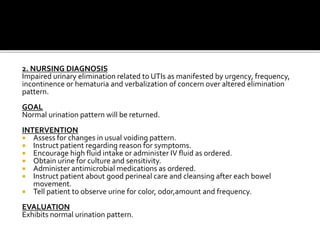
Impaired urinary elimination related to urethritis
For patients with urethritis, a nursing diagnosis of “impaired urinary elimination related to urethritis” may be appropriate. Urethritis can cause inflammation and narrowing of the urethra, making it difficult for urine to pass through. This can result in urinary retention, incomplete bladder emptying, or a weak urinary stream. By addressing this nursing diagnosis, healthcare professionals can develop interventions aimed at improving urinary flow and emptying, such as encouraging increased fluid intake, positioning the patient in a way that promotes urine flow, and administering medications as ordered to decrease inflammation and improve urinary elimination.

Nursing Interventions
Administer prescribed antibiotics for UTIs
When a urinary tract infection is diagnosed, one important nursing intervention is to administer prescribed antibiotics. UTIs are commonly caused by bacterial infections, and antibiotics are the primary treatment modality. It is crucial for healthcare professionals to ensure that patients receive the appropriate antibiotics at the correct dosage and for the prescribed duration. Patient education regarding the importance of completing the full course of antibiotics is also essential to prevent antibiotic resistance and recurrent infections.
Provide comfort measures like sitz baths and heating pads
To alleviate the discomfort associated with painful urination, healthcare professionals can provide comfort measures such as sitz baths and heating pads. A sitz bath involves immersing the pelvic area in warm water, which can help soothe irritated tissues and promote relaxation. Heating pads can also be applied to the lower abdomen to reduce pain and inflammation. These comfort measures can provide immediate relief and improve the patient’s overall comfort level during urination.
Educate the patient about proper perineal hygiene
Proper perineal hygiene is crucial for preventing and managing painful urination. Healthcare professionals should educate patients about the importance of keeping the genital area clean and dry to minimize bacterial growth and infection. Patients should be encouraged to use mild, fragrance-free soap and warm water when washing, and to pat the area dry gently after urination. It is also important to remind patients to wipe from front to back to prevent the spread of bacteria from the anal area to the urethra. By promoting good perineal hygiene, healthcare professionals can help reduce the risk of urinary tract infections and other contributing factors to painful urination.
Encourage increased fluid intake to flush out the urinary system
Increasing fluid intake is a simple yet effective nursing intervention for individuals with painful urination. Adequate hydration helps flush out the urinary system and dilute any irritants or bacteria present in the urine. Healthcare professionals should encourage patients to drink plenty of water throughout the day and avoid excessive intake of caffeine or alcohol, as these can irritate the urinary tract. By promoting increased fluid intake, healthcare professionals can support the body’s natural mechanisms for preventing and managing urinary tract infections and other causes of painful urination.
Administer pain medications as ordered
To provide relief from the pain associated with painful urination, healthcare professionals may administer prescribed pain medications as ordered. Nonsteroidal anti-inflammatory drugs (NSAIDs) and analgesics may be used to alleviate discomfort and reduce inflammation. It is important for healthcare professionals to assess and monitor the patient’s pain level before and after administering pain medications to evaluate their effectiveness. Patient education should also be provided regarding the correct use, potential side effects, and precautions associated with pain medications.
Patient Education
Teach the patient about the importance of completing the full course of antibiotics
When a urinary tract infection is diagnosed, it is crucial to educate the patient about the importance of completing the full course of antibiotics. Many patients may start to feel better after a few days of treatment and may be tempted to stop taking their antibiotics. However, it is essential to explain that stopping the antibiotics prematurely can lead to the reemergence of the infection and potentially antibiotic resistance. Patients should be advised to take the full prescribed course of antibiotics, even if they feel better before completing the treatment.
Instruct the patient on strategies to alleviate pain during urination
Patients with painful urination can benefit from learning strategies to alleviate pain during urination. This may include techniques such as urinating in a warm bath or shower to alleviate discomfort, using a hydrocortisone cream on the external genital area to reduce inflammation, or trying different positions (such as squatting) during urination to relieve pressure. It is important to individualize these strategies based on the patient’s preferences and needs and to emphasize the importance of consulting with the healthcare provider before trying any new interventions.
Emphasize the need to maintain good genital hygiene
Proper genital hygiene is essential for preventing and managing painful urination. Patients should be educated about the importance of keeping the genital area clean and dry to minimize the risk of infections. It is important to use mild, fragrance-free soap and warm water when washing the genital area, avoid douching or using harsh feminine hygiene products, and wear loose-fitting, breathable underwear. Patients should also be reminded to wipe from front to back after urinating or having a bowel movement to prevent the spread of bacteria. By emphasizing good genital hygiene, healthcare professionals can empower patients to take an active role in their own care.
Educate on prevention of UTIs and STIs through safe sexual practices
Patient education regarding the prevention of urinary tract infections and sexually transmitted infections is crucial. Healthcare professionals should provide information on safe sexual practices, including the importance of using barrier methods such as condoms to reduce the risk of contracting STIs. Patients should also be educated about the importance of maintaining good genital hygiene and emptying their bladder before and after sexual activity to prevent the ascent of bacteria into the urinary tract. By educating patients on preventive measures, healthcare professionals can help reduce the incidence of painful urination and associated complications.

Follow-up and Monitoring
Monitor the effectiveness of prescribed medications
After initiating treatment for painful urination, it is important to monitor the effectiveness of prescribed medications. Healthcare professionals should assess the patient’s symptom improvement, such as a reduction in pain or frequency of urination. By monitoring the patient’s response to treatment, healthcare professionals can determine the effectiveness of the prescribed medications and make adjustments as needed. It is essential to maintain open communication with the patient and encourage them to report any changes in symptoms or adverse effects related to their medications.
Assess for improvement in symptoms
Throughout the treatment process, healthcare professionals should conduct ongoing assessments to evaluate the patient’s improvement in symptoms. This includes monitoring the severity and frequency of pain or burning during urination, assessing urinary frequency and urgency, and evaluating the color and clarity of the urine. By regularly assessing the patient’s symptoms, healthcare professionals can identify any changes or complications and modify the treatment plan accordingly. It is also essential to provide a supportive and empathetic environment where patients feel comfortable reporting their symptoms and concerns.
Ensure the patient is compliant with the prescribed treatment plan
Patient compliance with the prescribed treatment plan is crucial for achieving successful outcomes in managing painful urination. Healthcare professionals should regularly assess patient adherence to medications, lifestyle modifications, and self-care practices. This may include monitoring medication compliance, fluid intake, and perineal hygiene practices. Education and ongoing communication can help reinforce the importance of following the treatment plan and address any barriers or challenges the patient may be experiencing. By ensuring patient compliance, healthcare professionals can optimize treatment outcomes and enhance the patient’s overall satisfaction and well-being.
Schedule follow-up appointments or referrals as necessary
Follow-up appointments or referrals may be necessary for patients with painful urination, particularly if the symptoms persist or if complex cases require specialized care. Healthcare professionals should schedule appropriate follow-up appointments to monitor the patient’s progress, reassess symptoms, and determine the need for any additional interventions. Referrals to urology or infectious disease specialists may be necessary for complex or recurrent cases that require further evaluation and management. Collaborating with other healthcare professionals can ensure that patients receive comprehensive and coordinated care, improving their outcomes and overall quality of life.
Collaborative Care
Consult with urology or infectious disease specialists for complex cases
In complex cases of painful urination, consulting with urology or infectious disease specialists can provide valuable insights and expertise. Urologists specialize in the diagnoses and treatment of conditions affecting the urinary system, including urinary tract infections, bladder or kidney stones, and interstitial cystitis. Infectious disease specialists can provide guidance on the management of sexually transmitted infections and other infectious causes of painful urination. By collaborating with these specialists, healthcare professionals can benefit from additional knowledge and experience to ensure the best possible care for their patients.
Coordinate with other healthcare professionals to provide comprehensive care
Providing comprehensive care for patients with painful urination often requires a multidisciplinary approach. Healthcare professionals should collaborate with other members of the healthcare team, such as primary care physicians, pharmacists, and physical therapists, to ensure a holistic and coordinated approach to care. For example, primary care physicians can provide ongoing management and monitoring of the patient’s condition, pharmacists can assist in optimizing medication therapy, and physical therapists can address pelvic floor dysfunction and provide interventions to manage interstitial cystitis. By coordinating care among different healthcare professionals, patients can receive a comprehensive and individualized treatment plan.
Refer patients to pelvic floor physical therapists for evaluation and treatment
Pelvic floor physical therapy is a specialized intervention that can be beneficial for patients with painful urination, particularly those with interstitial cystitis or pelvic floor dysfunction. Pelvic floor physical therapists are trained to evaluate and treat conditions that affect the muscles, ligaments, and connective tissues of the pelvic floor. Through various interventions, such as manual therapy, exercises, and relaxation techniques, pelvic floor physical therapists can help improve pelvic floor muscle function, alleviate pain, and optimize urinary function. Referring patients to pelvic floor physical therapists can provide targeted and effective interventions to manage the underlying causes of painful urination.
Collaborate with the interdisciplinary team to manage underlying conditions contributing to painful urination
Painful urination can be caused by a variety of underlying conditions, including urinary tract infections, bladder or kidney stones, interstitial cystitis, and sexually transmitted infections. Collaborating with the interdisciplinary team, including physicians, nurses, and other healthcare professionals, is essential to manage these conditions comprehensively. Through regular communication and information sharing, healthcare professionals can develop a collective understanding of the patient’s condition, share expertise, and ensure that interventions are appropriately coordinated and aligned with the patient’s goals. By working together, the interdisciplinary team can maximize treatment outcomes and improve the patient’s quality of life.
Special Considerations
Provide sensitive and empathetic care to address the emotional impact of painful urination
Painful urination can have a significant emotional impact on patients, causing anxiety, embarrassment, and distress. It is important for healthcare professionals to provide sensitive and empathetic care to address these emotional concerns. Taking the time to listen to the patient’s experiences, validating their feelings, and offering reassurance can help alleviate anxiety and promote emotional well-being. Creating a safe and nonjudgmental environment where patients feel comfortable expressing their concerns is essential for building trust and promoting effective therapeutic relationships.
Consider cultural and individual preferences when developing a care plan
When developing a care plan for patients with painful urination, it is crucial to consider their cultural and individual preferences. Each patient is unique and may have personal beliefs, values, or practices that influence their healthcare decisions. Taking the time to understand and respect these preferences can enhance patient engagement and cooperation. For example, some patients may prefer natural or alternative therapies, while others may request spiritual or religious considerations. By incorporating cultural and individual preferences into the care plan, healthcare professionals can provide care that is aligned with the patient’s beliefs and preferences.
Ensure patient confidentiality and privacy during assessments and discussions
Maintaining patient confidentiality and privacy is of utmost importance when working with individuals experiencing painful urination. These sensitive concerns can be a source of embarrassment or distress for patients, and protecting their privacy is essential for preserving their dignity and building trust. Healthcare professionals should ensure that assessments, discussions, and any documentation related to the patient’s symptoms or condition are conducted in a private and confidential manner. Respecting patient privacy rights and adhering to ethical and legal standards for patient confidentiality is crucial to maintaining professional standards of care.
Advocate for patients who require additional support or resources
For some patients, painful urination may be a chronic or recurrent condition that requires ongoing support and resources. Healthcare professionals have a crucial role in advocating for these patients and ensuring they receive the necessary support. This may involve referring patients to support groups, social workers, or community resources that can provide additional assistance. Healthcare professionals can also advocate for necessary accommodations in the workplace or school settings to support individuals with ongoing symptoms or limitations related to painful urination. Through advocacy, healthcare professionals can empower patients and ensure they have the resources and support they need to manage their condition effectively.
Documentation
Record detailed patient history and physical examination findings
Accurate and detailed documentation is essential when assessing and managing patients with painful urination. Healthcare professionals should document the patient’s complete medical history, including any relevant information related to their symptoms or conditions. This may include details about previous episodes of painful urination, chronic conditions, allergies, or recent surgeries. Documentation should also include a thorough physical examination, noting any abnormalities or findings related to the genital area, abdomen, or other relevant body systems. Accurate and detailed documentation serves as a valuable reference for continuity of care and ensures the patient’s information is readily available for future assessments or interventions.
Document results of diagnostic tests and interventions
Documenting the results of diagnostic tests and interventions is crucial in managing patients with painful urination. Healthcare professionals should record the findings of urinalysis, culture and sensitivity tests, and any other relevant diagnostic tests. This includes noting any positive findings, such as the presence of bacteria or white blood cells in the urine, as well as documenting the results of culture and sensitivity tests to guide antibiotic therapy. Additionally, it is important to document the patient’s response to interventions, such as the effectiveness of prescribed medications or the patient’s adherence to the treatment plan. Documenting these results ensures accurate and up-to-date information is available for ongoing monitoring and evaluation.
Maintain a clear and organized record of nursing assessments and interventions
Keeping a clear and organized record of nursing assessments and interventions is essential for providing quality care to patients with painful urination. Healthcare professionals should document their assessments, including the patient’s symptoms, pain level, and any observations related to the urinary system or other body systems. Interventions, such as administering medications, providing comfort measures, or offering patient education, should also be documented, including the patient’s response to these interventions. Maintaining an organized record helps ensure continuity of care, facilitates effective communication among the healthcare team, and promotes patient safety and overall quality of care.