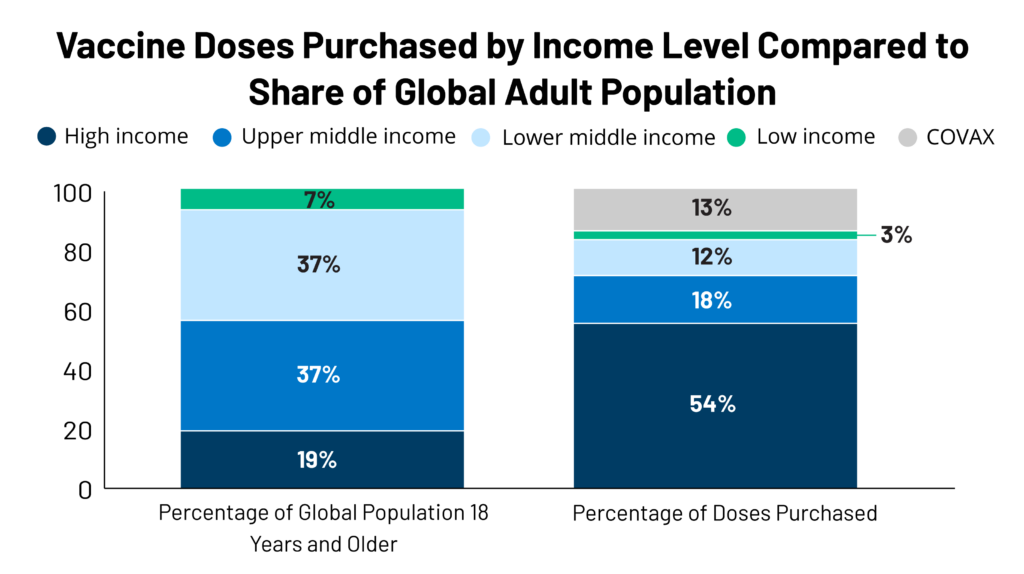
In this article, you will find updates and information on the global distribution of vaccines and the important issue of equity. Discover the latest news surrounding the efforts to ensure that COVID-19 vaccines reach every corner of the world, leaving no one behind. From initiatives aimed at bridging the vaccination gap between countries to strategies for promoting fair access for everyone, this article sheds light on the ongoing efforts to achieve vaccine equity on a global scale. Stay informed and join the conversation as we explore the challenges and progress in this vital endeavor.
Current Status of Global Vaccine Distribution
Vaccine production and availability
The current status of global vaccine distribution is a significant topic of concern and discussion worldwide. As the COVID-19 pandemic continues to affect millions of people, the production and availability of vaccines play a crucial role in combating the virus. Vaccine manufacturing facilities have been working tirelessly to produce a sufficient supply of vaccines to meet the global demand. However, despite these efforts, there have been challenges in the distribution and availability of vaccines to different regions.
Distribution challenges and disparities
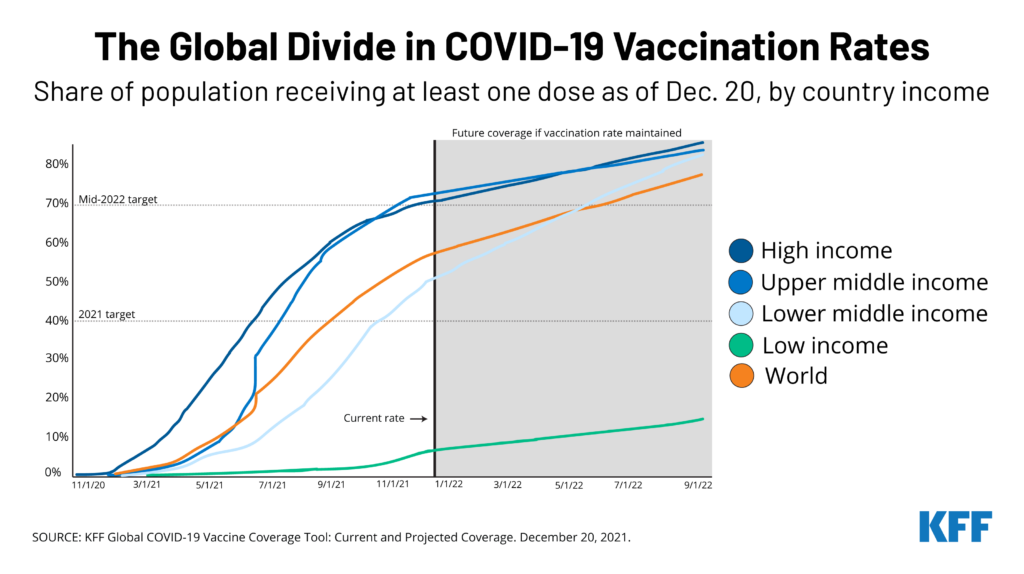
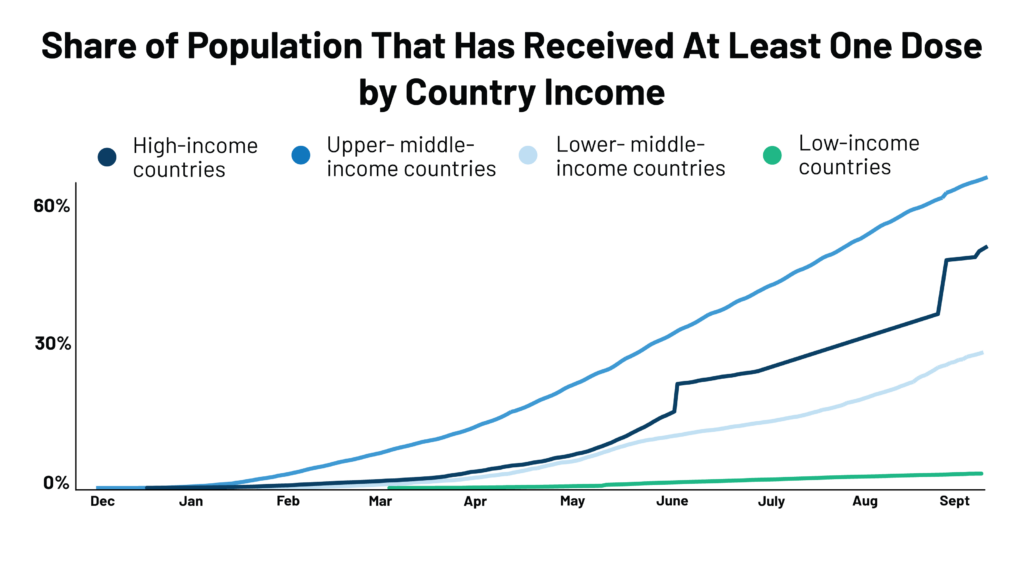
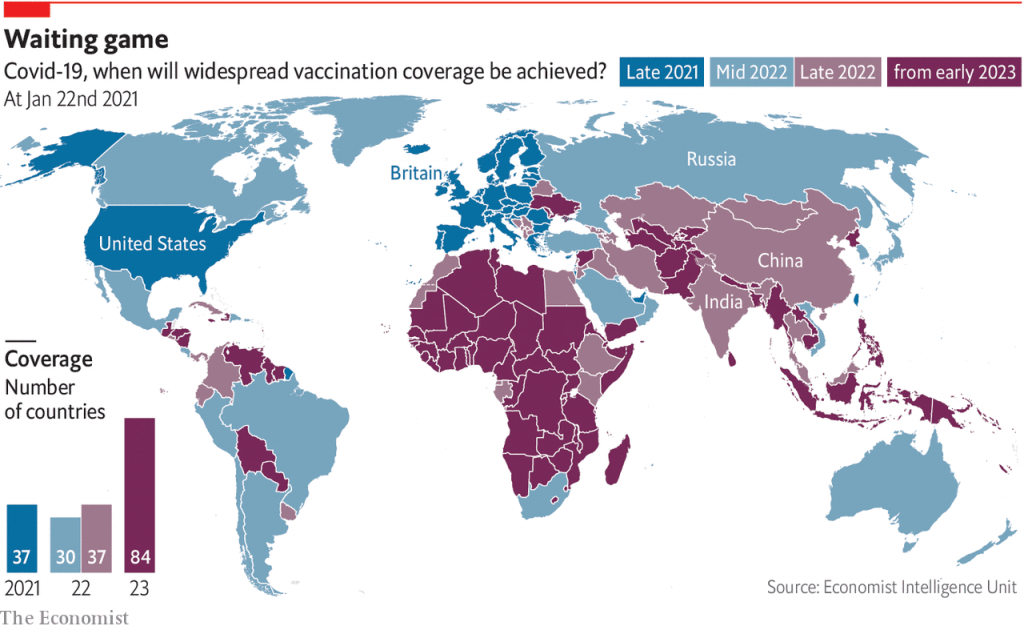
One of the main challenges in global vaccine distribution is the lack of equitable access. Disparities exist based on geography, with some countries having easier access to vaccines compared to others. Low-income countries, in particular, face significant barriers to obtaining vaccines due to various factors, including limited financial resources, infrastructure constraints, and lack of priority from vaccine-producing nations. This distribution disparity is a cause for concern as it perpetuates global health inequalities and prolongs the impact of the pandemic.
Efforts to improve global vaccine distribution
Efforts are underway to improve global vaccine distribution and address the existing disparities. International organizations and governments are collaborating to enhance coordination and cooperation in vaccine distribution. Initiatives such as COVAX aim to ensure equitable access to vaccines for all countries, regardless of their economic status. Additionally, partnerships and collaborations between countries and pharmaceutical companies are being forged to enhance production capacities and streamline distribution channels. By working together, there is hope that global vaccine distribution can be more efficient and equitable.
Equity Concerns in Vaccine Distribution
Disparities in access based on geography
One of the major equity concerns in vaccine distribution is the disparity in access based on geography. Wealthier countries with more robust healthcare systems and advanced infrastructure have had greater access to vaccines, while low-income countries and remote regions face significant challenges in obtaining and distributing vaccines. This geographical divide exacerbates global health inequalities and slows down the progress in overcoming the pandemic. Efforts must be made to ensure that vaccines reach everyone, regardless of their geographic location.
Impact on low-income countries
Low-income countries are particularly vulnerable in terms of vaccine distribution. These countries often lack the financial resources, healthcare infrastructure, and technical capabilities to secure enough vaccines for their populations. The impact of the pandemic is felt more acutely in low-income countries, where limited access to vaccines prolongs the health crisis and hinders economic recovery. Addressing the equity concerns in vaccine distribution is crucial to protect the most vulnerable populations and mitigate the long-term consequences of the pandemic.
Vaccine nationalism and hoarding
Another equity concern in vaccine distribution is the issue of vaccine nationalism and hoarding. Some wealthier countries have prioritized their own populations by purchasing and stockpiling large quantities of vaccines, leaving fewer supplies available for other nations. This approach undermines global solidarity and prolongs the pandemic by preventing equitable distribution of vaccines. Efforts should be made to discourage vaccine nationalism and promote a more cooperative and equitable approach to global vaccine distribution.
Inequities in vaccine distribution within countries
Equity concerns in vaccine distribution are not limited to disparities among countries but extend within countries as well. In many nations, there are significant inequities in vaccine distribution, with marginalized communities and vulnerable populations receiving less access to vaccines. This can be due to various factors, such as socioeconomic disparities, lack of healthcare infrastructure in underserved areas, and barriers to vaccine information and registration. Addressing these internal inequities is crucial to ensure that vaccines reach all segments of the population, particularly those who are most at risk.
International Vaccine Distribution Initiatives
COVAX and its goals
COVAX, an international initiative led by organizations such as the World Health Organization (WHO), aims to ensure equitable access to vaccines worldwide. The primary goal of COVAX is to provide vaccines to participating countries, regardless of their income level, in a fair and efficient manner. By pooling resources and sharing vaccine doses, COVAX aims to facilitate global vaccine distribution and address equity concerns. The initiative also focuses on supporting low- and middle-income countries in building their healthcare capacities to effectively administer vaccines.
Role of the World Health Organization (WHO)
The World Health Organization plays a crucial role in global vaccine distribution efforts. The WHO provides guidance and recommendations on vaccine allocation and distribution strategies, ensuring that they are aligned with principles of equity and public health. The organization actively promotes the sharing of knowledge and best practices among countries to enhance vaccine distribution efforts. The WHO also collaborates with various stakeholders, including governments, vaccine manufacturers, and international organizations, to coordinate global vaccination campaigns and ensure equitable access to vaccines.
Partnerships and collaborations for equitable distribution
International partnerships and collaborations are instrumental in achieving equitable vaccine distribution. Governments, non-governmental organizations, philanthropic foundations, and vaccine manufacturers are working together to enhance production capacities, streamline distribution channels, and address barriers to access. Collaborative efforts involve sharing resources, expertise, and technology transfer to bolster vaccine production in low-income countries and ensure equitable distribution worldwide. These partnerships serve as a driving force behind the push for global vaccine equity.
Ensuring Equity in Global Vaccine Access
Prioritizing vulnerable populations
Ensuring equity in global vaccine access requires prioritizing vulnerable populations. This includes groups such as healthcare workers, the elderly, individuals with underlying health conditions, and those living in high-risk settings. By prioritizing vaccinations for these populations, the impact of the pandemic can be mitigated, and the burden on healthcare systems reduced. Additionally, efforts must be made to address disparities in access within vulnerable populations, such as reaching marginalized communities and disadvantaged groups who may face additional barriers to vaccine uptake.
Addressing vaccine hesitancy and misinformation
In order to ensure equitable vaccine access, it is essential to address vaccine hesitancy and combat misinformation. Vaccine hesitancy is a complex issue influenced by various factors, including distrust, religious beliefs, and misinformation circulating on social media platforms. Public health campaigns should focus on providing accurate and accessible information about vaccines, addressing concerns, and debunking myths. Engaging with community leaders, healthcare professionals, and trusted sources of information can help build confidence in vaccines and promote uptake among all populations.
Donation and sharing of excess vaccines
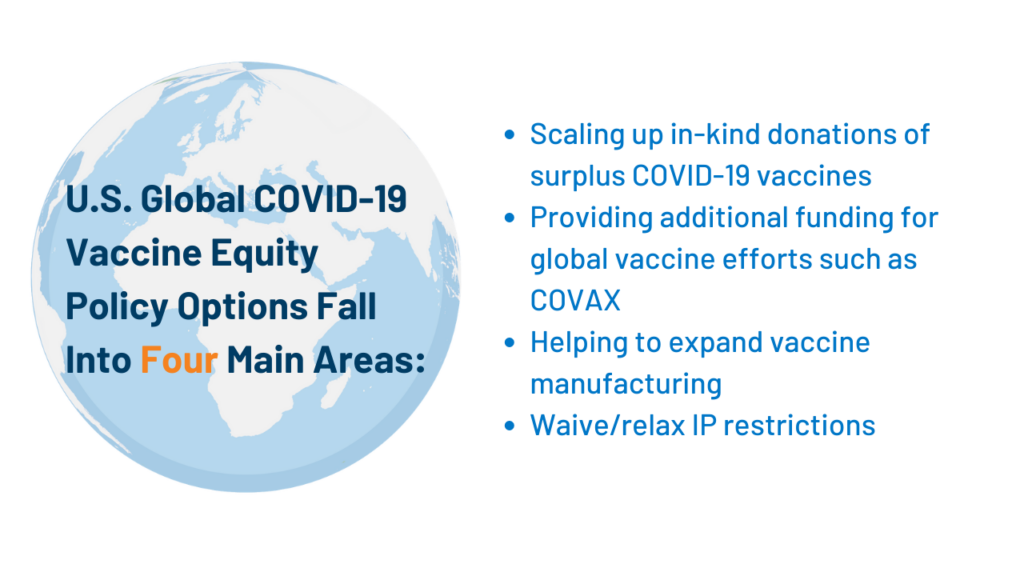
To promote equity in global vaccine access, countries with excess vaccines should consider donating and sharing their surplus doses with low-income countries and regions in need. This would enable a more even distribution of vaccines, benefiting vulnerable populations who may not otherwise have access to vaccines. International cooperation and collaboration can facilitate the logistical aspects of donating and sharing vaccines, ensuring that they reach the intended recipients promptly and efficiently.
Innovation and Challenges in Vaccine Distribution
Cold chain management
One of the key challenges in vaccine distribution is maintaining the integrity of vaccines throughout the cold chain. Many COVID-19 vaccines require specific temperature storage and transportation conditions to remain effective. The cold chain refers to the series of storage and distribution processes that ensure vaccines are kept at the required temperatures from the manufacturing facility to the point of administration. Establishing robust cold chain management systems, especially in regions with limited infrastructure, is crucial to ensure that vaccines maintain their efficacy and reach their intended recipients.
Transportation and logistics
Transportation and logistics present significant challenges in global vaccine distribution. Vaccines need to be transported quickly and efficiently from manufacturing facilities to various distribution points, including remote areas. This requires a well-coordinated logistics network, including transportation modes such as air, land, and sea. Moreover, ensuring vaccine availability in regions with limited transportation infrastructure is particularly challenging. Innovative solutions, such as the use of drones and specialized refrigerated containers, are being explored to overcome these logistical hurdles and ensure timely vaccine delivery.
Delivering vaccines to remote areas
Delivering vaccines to remote and hard-to-reach areas poses unique challenges. In many low-income countries, accessibility to healthcare facilities is limited, making it difficult to reach populations living in remote areas. Additionally, these regions may lack the necessary infrastructure to store and administer vaccines effectively. Efforts are being made to establish mobile vaccination units and deploy healthcare workers to remote areas to increase vaccine accessibility. Moreover, utilizing community health workers and leveraging existing networks can help ensure that vaccines reach even the most isolated communities.
Socioeconomic Implications of Vaccine Distribution
Impact on economic recovery
Global vaccine distribution plays a crucial role in economic recovery. The COVID-19 pandemic has severely impacted economies worldwide, leading to job losses, business closures, and reduced economic activity. By ensuring equitable access to vaccines, countries can protect their populations, reduce the burden on healthcare systems, and facilitate the safe reopening of businesses and industries. Vaccination programs can restore consumer confidence, stimulate economic growth, and pave the way for a more sustainable recovery from the socio-economic impacts of the pandemic.
Addressing disparities in healthcare systems
Vaccine distribution efforts should address existing disparities in healthcare systems. The pandemic has highlighted the inequities in healthcare infrastructure and services, both between and within countries. By expanding access to vaccines, countries can not only address immediate health concerns but also invest in strengthening their healthcare systems in the long term. This includes improving healthcare infrastructure, training healthcare professionals, and ensuring that healthcare services are accessible to all, regardless of their socioeconomic status.
Vaccination as a pathway to equity
Vaccination can serve as a pathway to equity, leveling the playing field and reducing health disparities. By ensuring equitable access to vaccines, countries can protect the most vulnerable populations and prioritize public health. Vaccination efforts should be guided by principles of inclusivity, aiming to reach marginalized communities and underserved populations. By addressing the gaps in vaccine distribution and uptake, countries can make significant progress in achieving health equity and building resilient healthcare systems.
Global Efforts to Increase Vaccine Production
Expanding manufacturing capacities
To address the global vaccine shortage, efforts are being made to expand vaccine manufacturing capacities. This involves ramping up production lines, streamlining manufacturing processes, and investing in new facilities. Governments and pharmaceutical companies are partnering to increase production capacities and enhance the availability of vaccines. Additionally, technology transfer initiatives are being explored to enable the production of vaccines in low-income countries, reducing reliance on a few manufacturing hubs and supporting local vaccine production.
Technology transfer and intellectual property rights
Technology transfer plays a vital role in increasing vaccine production globally. By sharing the knowledge, expertise, and technology required for vaccine manufacturing, countries can establish their production capacities and reduce dependence on a limited number of manufacturers. Intellectual property rights considerations are crucial in facilitating technology transfer, allowing for the efficient dissemination of manufacturing capabilities while ensuring fair and ethical practices. Collaborations between pharmaceutical companies, governments, and international organizations can facilitate technology transfer and support global vaccine production efforts.
Supporting vaccine production in low-income countries
Supporting vaccine production in low-income countries is essential for achieving equitable vaccine distribution. Many low-income countries lack the infrastructure, resources, and technical capabilities to establish vaccine manufacturing facilities independently. International collaborations and partnerships should focus on transferring knowledge, providing technical assistance, and investing in local vaccine production capabilities. By building sustainable manufacturing capacities in low-income countries, global vaccine production can be diversified, and access to vaccines can be improved for those who need them the most.
Leveraging Digital Platforms for Vaccine Distribution
Digital vaccine passports and certificates
Digital platforms can play a significant role in facilitating vaccine distribution and access. Digital vaccine passports and certificates allow individuals to demonstrate their vaccination status electronically, facilitating travel and access to certain services. These digital tools enable a more convenient and streamlined verification process, reducing administrative and logistical burdens. However, it is vital to ensure inclusive access to digital platforms, considering that access to technology can be limited in some regions and among certain populations.
Online vaccination appointment systems
Online vaccination appointment systems have emerged as a valuable tool for efficient vaccine distribution. These systems allow individuals to schedule their vaccination appointments, reducing waiting times and long queues at vaccination centers. Furthermore, online appointment systems facilitate better planning and resource allocation for healthcare providers, ensuring a smooth and organized vaccination process. However, it is crucial to ensure equitable access to these systems, considering that not all populations may have access to the internet or be familiar with the technology required to make appointments online.
Digital tools for monitoring and tracking vaccine distribution
Digital tools can also aid in monitoring and tracking the distribution of vaccines. These tools provide real-time information on vaccine supplies, distribution routes, and utilization rates. By analyzing this data, policymakers, healthcare professionals, and international organizations can identify potential gaps or bottlenecks in vaccine distribution and take corrective actions promptly. Additionally, digital tracking systems can help ensure vaccine accountability, prevent diversion or misuse, and improve the overall transparency of global vaccine distribution efforts.
Role of Public-Private Partnerships in Vaccine Distribution
Collaboration between governments and pharmaceutical companies
Public-private partnerships are crucial for successful vaccine distribution worldwide. Governments and pharmaceutical companies must collaborate to ensure efficient production, distribution, and access to vaccines. Governments provide policy guidance, funding support, and regulatory frameworks, while pharmaceutical companies contribute manufacturing capabilities, research and development expertise, and distribution networks. Strong collaborations between these stakeholders can address the challenges and barriers in vaccine distribution and promote equitable access for all.
Investments in vaccine research and development
Public-private partnerships also play a significant role in vaccine research and development. Governments and philanthropic foundations provide funding and support for research initiatives, enabling pharmaceutical companies and academic institutions to develop safe and effective vaccines. These partnerships ensure that research efforts are aligned with public health priorities and address the needs of diverse populations. Investments in vaccine research and development are essential for expanding the vaccine pipeline, improving vaccine efficacy, and addressing emerging variants and future pandemics.
Equitable distribution through public-private partnerships
Public-private partnerships are instrumental in achieving equitable vaccine distribution. By pooling resources, expertise, and networks, these partnerships can enhance vaccine production capacities, optimize distribution channels, and address affordability concerns. Moreover, these collaborations can leverage industry expertise to support low-income countries in strengthening their healthcare systems and building local vaccine production capabilities. By working together, governments and pharmaceutical companies can ensure that vaccines reach all corners of the globe, leaving no one behind.
Future Outlook and Challenges of Global Vaccine Distribution
Emerging variants and the need for booster shots
The future of global vaccine distribution may involve addressing emerging variants of the virus and the need for booster shots. As new variants of the virus continue to emerge, there might be a need for updated or modified vaccines to maintain effectiveness. This poses a challenge in terms of vaccine production, distribution, and administration. Additionally, the rollout of booster shots to enhance immunity and provide long-term protection may require further coordination and planning. The global community must remain vigilant and adaptable to address these future challenges effectively.
Long-term sustainability of distribution efforts
Ensuring the long-term sustainability of vaccine distribution efforts is essential. While the immediate focus is on overcoming the COVID-19 pandemic, it is crucial to build resilient healthcare systems and distribution networks that can handle future pandemics. Investments in infrastructure, healthcare personnel training, and supply chain management will be vital in sustaining the distribution of vaccines worldwide. This long-term perspective will help countries achieve better preparedness and response capabilities for future global health emergencies.
Lessons learned and improvements for future pandemics
The current global vaccine distribution efforts provide valuable lessons for future pandemics. The importance of equitable access, international collaboration, and technology-enabled solutions has been underscored during the COVID-19 pandemic. Governments, international organizations, and pharmaceutical companies should evaluate and learn from the successes and challenges encountered in vaccine distribution. These learnings can inform the development of robust preparedness plans, improve coordination mechanisms, and facilitate faster and more equitable vaccine distribution during future health crises.
In conclusion, the current status of global vaccine distribution reveals both progress and challenges. While vaccine production has ramped up, disparities in access and equity remain concerning. Efforts are underway to improve distribution and address disparities, with international initiatives like COVAX playing a crucial role. Ensuring equity in global vaccine access necessitates prioritizing vulnerable populations, addressing vaccine hesitancy, and sharing excess doses. Challenges such as cold chain management, transportation logistics, and reaching remote areas persist but can be mitigated through innovation and collaboration. Vaccine distribution also carries socio-economic implications, impacting economic recovery and healthcare system disparities. Increasing vaccine production, leveraging digital platforms, and public-private partnerships are critical in addressing these concerns. Finally, the future outlook calls for addressing emerging variants, sustaining distribution efforts, and applying lessons learned for future pandemics. It is through these comprehensive and collaborative efforts that global vaccine distribution can become more efficient, equitable, and effective in protecting lives and ending the pandemic.