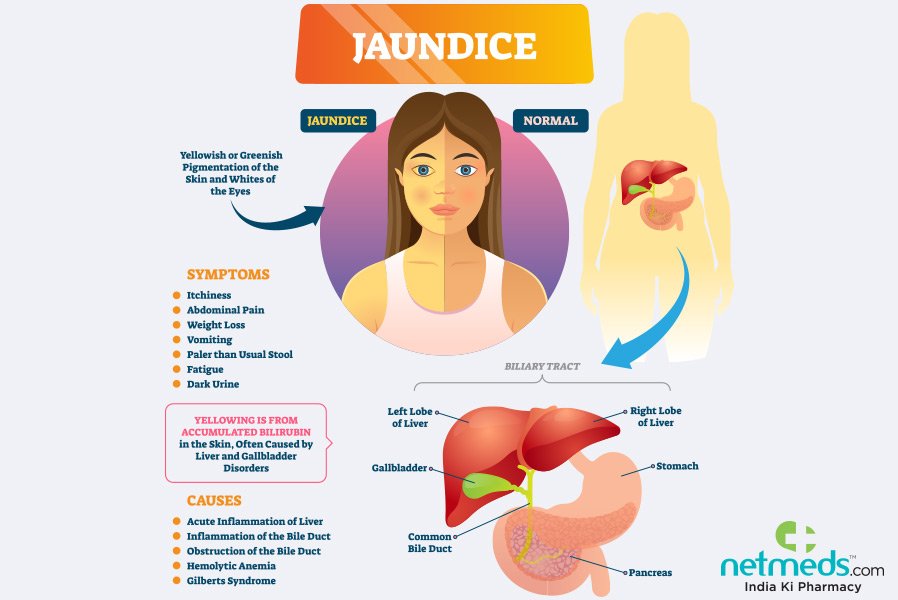
Jaundice is a common condition that causes yellowing of the skin and eyes due to an excess of bilirubin in the body. However, the good news is that there are steps you can take to prevent jaundice and keep your liver healthy. By maintaining a balanced diet, practicing good hygiene, staying hydrated, and avoiding excessive alcohol consumption, you can safeguard yourself against this condition. In this article, we will explore these preventive measures in detail, providing you with valuable insights on how to protect yourself and maintain optimal liver function. So let’s get started on this journey towards a healthier you.
Understanding Jaundice
Jaundice is a medical condition that affects the color of your skin and eyes, giving them a yellowish tone. It occurs when there is a buildup of bilirubin, a yellow pigment produced by the liver when it breaks down red blood cells. Jaundice can be a sign of an underlying health issue, such as liver disease or hepatitis. It is important to understand the causes, symptoms, and preventive measures for jaundice in order to maintain good health.
What is Jaundice?
Jaundice is a condition characterized by the yellowing of the skin and eyes due to the buildup of bilirubin in the body. Bilirubin is produced when red blood cells are broken down by the liver. Under normal circumstances, the liver filters out bilirubin and excretes it through bile, a fluid that aids in digestion. However, when the liver is unable to process bilirubin effectively, it can accumulate in the body, leading to jaundice.
Causes of Jaundice
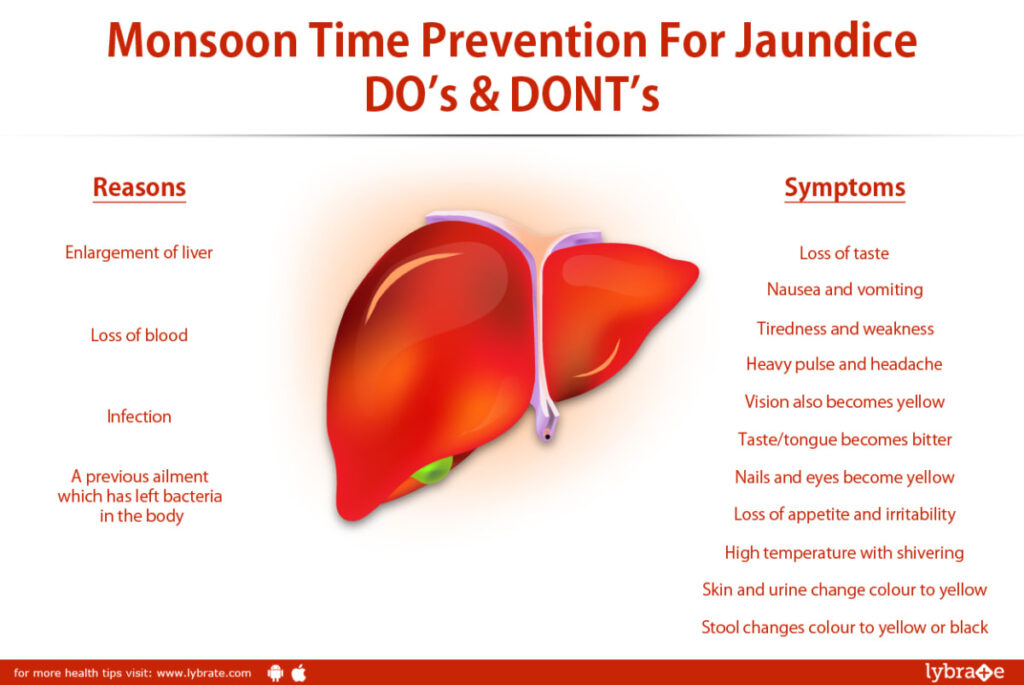
Jaundice can be caused by various factors, including liver disease, hepatitis, alcohol abuse, certain medications, and blockage of the bile ducts. Liver disease, such as cirrhosis or hepatitis, disrupts the liver’s ability to process bilirubin efficiently. Hepatitis, which is inflammation of the liver, can be caused by viral infections (such as hepatitis A, B, or C), alcohol abuse, or certain medications.
Symptoms of Jaundice
Jaundice itself is a symptom of an underlying condition, but it can also be accompanied by other symptoms. These may include yellowing of the skin and eyes, dark urine, pale stools, fatigue, abdominal pain, nausea, and loss of appetite. If you experience any of these symptoms, it is important to consult a healthcare professional for an accurate diagnosis and appropriate treatment.
Preventive Measures for Jaundice
Preventing jaundice primarily involves adopting a healthy lifestyle and taking precautions to minimize the risk of liver damage. Here are some preventive measures you can incorporate into your daily routine:
Maintaining a Healthy Lifestyle
Maintaining a healthy lifestyle is crucial for preventing jaundice and promoting overall well-being. This includes regular exercise, managing stress levels, and getting sufficient sleep. Engaging in physical activity helps improve the functioning of various organs, including the liver. Managing stress levels through activities like meditation, yoga, or hobbies can also have a positive impact on liver health. Additionally, ensuring you get enough sleep allows your body to repair and regenerate, supporting optimal liver function.
Eating a Balanced Diet
A balanced diet plays a vital role in preventing jaundice by providing essential nutrients for liver health. Include fresh fruits and vegetables in your daily meals as they are rich in vitamins, minerals, and antioxidants that aid in detoxification and promote liver function. Consuming whole grains can provide fiber, which helps with the digestion and elimination of toxins. Opt for healthy fats from sources like avocado, nuts, and olive oil, while avoiding processed and junk foods. Additionally, moderating your intake of sugar and salt can help prevent the risk of developing liver-related diseases.
Hydration and Fluid Intake
Staying hydrated is essential for maintaining optimal liver function. Drinking an adequate amount of water throughout the day helps flush out toxins from the body and supports the liver’s detoxification process. The recommended daily water intake varies depending on factors such as age, sex, and activity level, but most experts suggest consuming at least eight glasses of water per day. In addition to water, hydrating beverages like herbal teas and fresh fruit juices can contribute to your fluid intake.
Avoiding Alcohol and Substance Abuse
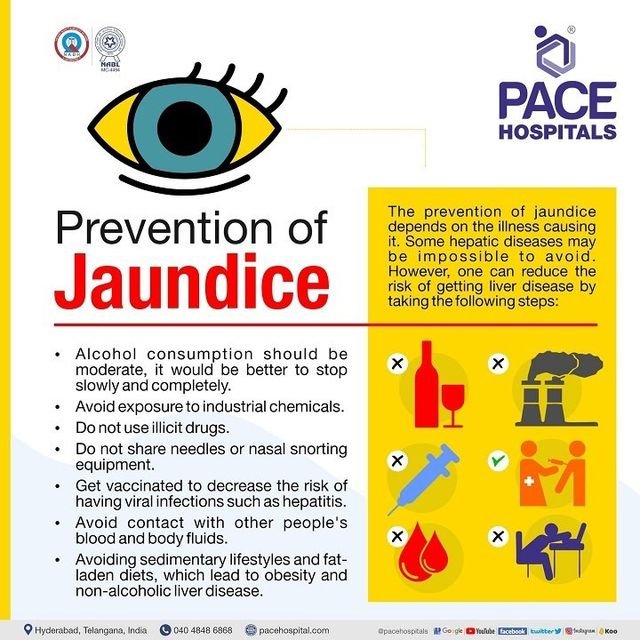
Excessive alcohol consumption can cause significant damage to the liver, leading to liver diseases such as cirrhosis and alcoholic hepatitis. It is important to limit or avoid alcohol altogether to prevent the risk of jaundice and other liver-related complications. Substance abuse, including the use of illicit drugs or non-prescribed medications, can also cause liver damage. It is essential to refrain from any form of substance abuse to maintain optimal liver health.
Vaccination Against Hepatitis
Hepatitis is a major cause of jaundice, particularly hepatitis A and B. Getting vaccinated against these viruses can significantly reduce the risk of developing jaundice and other liver-related diseases. The hepatitis A vaccine is recommended for individuals traveling to regions with high rates of infection or engaging in activities that may expose them to the virus. The hepatitis B vaccine is recommended for all infants, as well as adults who are at risk due to factors such as healthcare-related occupations, living with an infected individual, or engaging in high-risk sexual activities.
Preventing Mother-to-Child Transmission
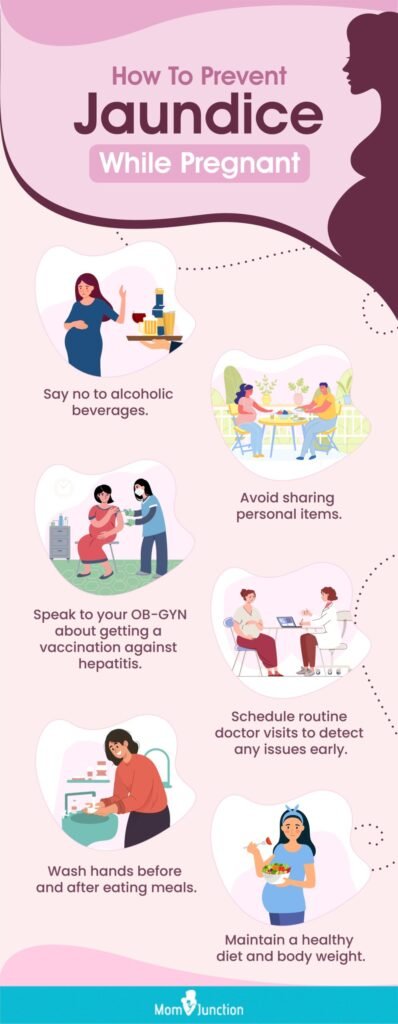
Prenatal care is essential for preventing the transmission of hepatitis B from mother to child. Pregnant women should undergo hepatitis B testing to determine their infection status. If the mother is infected, appropriate treatment and vaccination can be administered to reduce the risk of transmitting the virus to the newborn. Timely intervention and proper medical care can significantly reduce the chances of jaundice and related complications in infants.
Practicing Safe Blood Transfusion and Organ Transplantation
When receiving blood transfusions or undergoing organ transplantation, it is important to ensure that safety measures are followed to prevent the transmission of infections that can lead to jaundice. Blood donations should be screened for diseases such as hepatitis, and sterile equipment should be used during the transfusion process. Similarly, proper screening of organ donors is crucial to minimize the risk of transmitting infections to the recipient.
Preventing Exposure to Toxins
Reducing exposure to toxins can help prevent liver damage and subsequent jaundice. Be cautious when using chemical cleaning agents, pesticides, or other toxic substances, and follow safety instructions to minimize inhalation or direct contact. If you work in an occupation that involves exposure to toxins, such as certain manufacturing or industrial jobs, follow safety protocols and use appropriate protective measures to limit your risk.
Reducing Risks in Occupational Settings
Certain occupations, such as healthcare workers, laboratory personnel, or sewage workers, may have a higher risk of exposure to infections that can cause jaundice. It is important to follow proper safety protocols, including the use of personal protective equipment and adherence to hygiene practices. Regular medical check-ups and screenings can help detect any liver-related issues early on and allow for timely treatment.
Regular Medical Check-ups and Screenings
Regular medical check-ups and screenings are crucial for monitoring liver health and detecting any underlying conditions that may lead to jaundice. Routine liver function tests, such as blood tests that measure liver enzymes and bilirubin levels, can provide important insights into liver health. Screening for hepatitis, especially if you are at high risk due to factors like unprotected sex, intravenous drug use, or exposure to infected blood, can help identify potential infections early on. It is important to consult with a healthcare professional to determine the appropriate frequency and type of screenings based on your individual risk factors.
Maintaining a Healthy Lifestyle
In addition to preventing jaundice, maintaining a healthy lifestyle has numerous benefits for overall well-being. Staying active through regular exercise not only supports liver health but also promotes cardiovascular health, strengthens the immune system, and improves mental health. Managing stress levels through relaxation techniques, such as deep breathing exercises or mindfulness meditation, can have a positive impact on overall health and help prevent various health conditions. Getting sufficient sleep is essential for the body to repair and rejuvenate, allowing for optimal organ function, including the liver.
Eating a Balanced Diet
A balanced diet is important for maintaining optimal health and preventing various diseases, including jaundice. Including a variety of fresh fruits and vegetables in your diet provides essential vitamins, minerals, and antioxidants that support liver function and overall well-being. Whole grains, such as brown rice, quinoa, and whole wheat bread, are rich in fiber and help with digestion and elimination, promoting a healthy liver. Choosing healthy fats, such as those found in avocados, nuts, and olive oil, can help protect against liver damage caused by unhealthy fats found in processed and fried foods. Opting for lean protein sources like fish, poultry, and legumes provides necessary amino acids for liver function. Avoiding processed and junk foods that are high in unhealthy fats, sugar, and salt is important to prevent liver damage and maintain good health.
Hydration and Fluid Intake
Staying hydrated is essential for overall health and plays a key role in preventing jaundice. Water helps flush out toxins from the body and supports the liver’s detoxification process. It is recommended to drink at least eight glasses of water per day, although individual needs may vary based on factors such as age, sex, and activity level. Herbal teas and fresh fruit juices can also contribute to your daily fluid intake, providing additional hydration benefits.
Avoiding Alcohol and Substance Abuse
Alcohol consumption can have severe negative effects on liver health and can lead to liver diseases such as cirrhosis and alcoholic hepatitis. It is important to limit or avoid alcohol altogether to protect the liver and prevent the risk of developing jaundice. Substance abuse, including the use of illicit drugs or non-prescribed medications, can also cause liver damage and increase the likelihood of developing jaundice. It is crucial to refrain from any form of substance abuse to maintain optimal liver health.
Vaccination Against Hepatitis
Hepatitis is a major cause of jaundice, particularly hepatitis A and B. Getting vaccinated against these viruses can significantly reduce the risk of developing jaundice and other liver-related diseases. The hepatitis A vaccine is recommended for individuals traveling to regions with high rates of infection or engaging in activities that may expose them to the virus, such as eating contaminated food or drinking contaminated water. The hepatitis B vaccine is recommended for all infants, as well as adults who are at risk due to factors such as healthcare-related occupations, living with an infected individual, engaging in high-risk sexual activities, or using intravenous drugs. Vaccination is a safe and effective way to prevent hepatitis and reduce the risk of jaundice.
Preventing Mother-to-Child Transmission
Prenatal care plays a crucial role in preventing the transmission of hepatitis B from mother to child. Pregnant women should undergo hepatitis B testing to determine their infection status. If the mother is infected, appropriate treatment and vaccination can be administered to reduce the risk of transmitting the virus to the newborn. Timely intervention and proper medical care can significantly reduce the chances of jaundice and related complications in infants.

Practicing Safe Blood Transfusion and Organ Transplantation
When receiving blood transfusions or undergoing organ transplantation, it is important to ensure that safety measures are followed to prevent the transmission of infections that can lead to jaundice. Blood donations should be screened for diseases such as hepatitis, HIV, and other transfusion-transmissible infections. Using sterile equipment and following proper infection control protocols during the transfusion process is crucial to minimize the risk of transmitting infections. Similarly, ensuring proper screening of organ donors is essential to prevent the transmission of infections to the recipient, reducing the risk of jaundice and other complications.
Regular Medical Check-ups and Screenings
Regular medical check-ups and screenings are essential for monitoring liver health and detecting any underlying conditions that may lead to jaundice. Routine liver function tests, such as blood tests that measure liver enzymes and bilirubin levels, can provide important insights into liver health and detect any abnormalities early on. Screening for hepatitis, especially if you are at high risk due to factors like unprotected sex, intravenous drug use, or exposure to infected blood, can help identify potential infections early on and allow for timely treatment. It is important to consult with a healthcare professional to determine the appropriate frequency and type of screenings based on your individual risk factors.
In conclusion, understanding jaundice and taking preventive measures are essential for maintaining liver health and overall well-being. By adopting a healthy lifestyle, including a balanced diet, staying hydrated, avoiding alcohol and substance abuse, getting vaccinated against hepatitis, preventing mother-to-child transmission, practicing safe blood transfusion and organ transplantation, reducing exposure to toxins, minimizing risks in occupational settings, and undergoing regular medical check-ups and screenings, you can significantly reduce the risk of developing jaundice and related complications. Remember, early detection and proactive prevention are key to a healthy liver and a healthier you!