
Embarking on the journey to sobriety can be both challenging and rewarding. In this article, you will explore various strategies that can help you overcome addiction and maintain a clean, healthy lifestyle. From finding support systems to building resilience, these tactics will guide you on the road to sobriety. So, gear up for an insightful exploration of how you can create a brighter future for yourself and embrace a life free from the shackles of addiction.
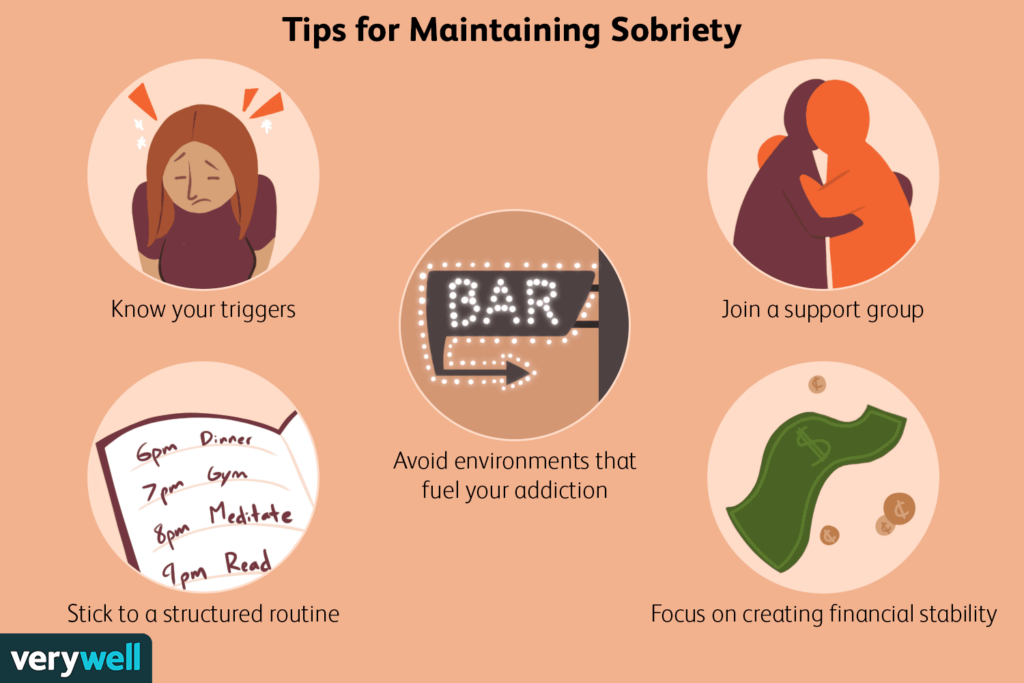
1. Establishing a Support Network
1.1 Seeking Professional Help
When embarking on the journey towards sobriety, one of the most important steps you can take is seeking professional help. Addiction is a complex issue that often requires guidance from trained professionals who specialize in addiction treatment. Whether it’s a therapist, counselor, or addiction specialist, these professionals can provide you with the tools, resources, and support you need to navigate the challenges of recovery. They can help you understand the underlying causes of your addiction, develop coping strategies, and provide ongoing support throughout your recovery journey.
1.2 Joining Support Groups
Support groups are another invaluable resource for individuals seeking recovery from addiction. These groups provide a safe and non-judgmental space where you can connect with others who are going through similar experiences. Hearing others’ stories, sharing your own, and receiving support from individuals who understand the struggles and triumphs of recovery can be incredibly empowering. Support groups such as Alcoholics Anonymous (AA) and Narcotics Anonymous (NA) offer a sense of community and the opportunity for lifelong friendships and accountability.
1.3 Involving Family and Friends
Your loved ones can play a crucial role in your recovery journey. It’s essential to involve your family and friends and communicate openly about your addiction and recovery goals. Educate them about addiction and its effects to help them understand what you’re going through. Having a support system of family and friends who are aware of your challenges can provide you with emotional support, encouragement, and accountability. Their unwavering support can make all the difference in times of temptation or moments of vulnerability.
2. Creating a Relapse Prevention Plan
2.1 Identifying Triggers
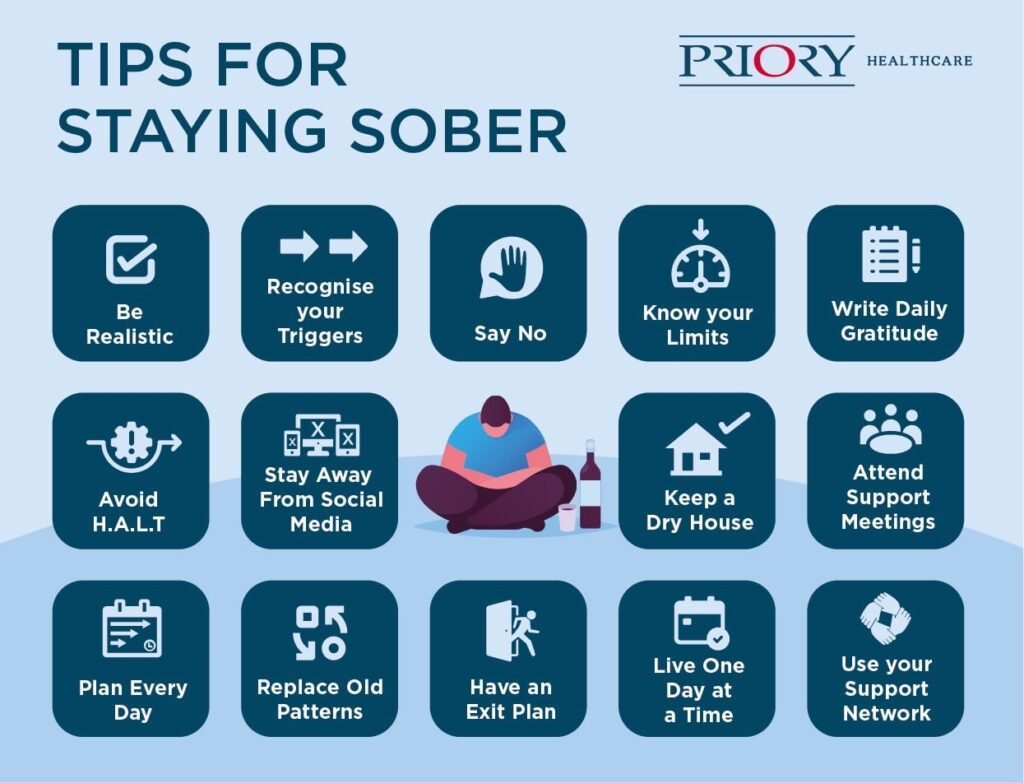
To maintain long-term sobriety, it’s crucial to identify the triggers that may lead to relapse. Triggers can be people, places, emotions, or situations that activate cravings or feelings of vulnerability. By recognizing these triggers, you can develop strategies to avoid or cope with them effectively. It can be helpful to keep a journal and track your triggers as you navigate early recovery. This information will enable you to anticipate and plan for potentially challenging situations.
2.2 Developing Coping Strategies
When faced with triggers, it’s vital to have effective coping strategies in place to prevent relapse. These strategies can include healthy distractions, relaxation techniques, or calling a trusted friend or sponsor for support. Engaging in activities that promote physical and emotional well-being, such as exercise, mindfulness, or hobbies, can offer alternative ways to cope with stress or cravings. By developing a repertoire of healthy coping mechanisms, you increase your chances of maintaining sobriety in the face of adversity.
2.3 Implementing Healthy Boundaries
Establishing healthy boundaries is an essential part of relapse prevention. It may involve setting limits with individuals who may influence you negatively or distancing yourself from toxic relationships altogether. By surrounding yourself with positive influences, you create an environment that supports your recovery journey. Communicating your needs, asserting yourself, and prioritizing your well-being are essential aspects of implementing healthy boundaries. Remember, putting yourself first in recovery is not selfish; rather, it’s necessary for your long-term well-being.
3. Engaging in Therapy and Counseling
3.1 Individual Therapy
Individual therapy is a cornerstone of addiction recovery. It provides a space for you to explore and address the underlying causes of your addiction and work through any emotional or psychological issues that may arise during recovery. A licensed therapist can help you develop healthy coping mechanisms, identify patterns of thinking that may lead to relapse, and provide ongoing support and guidance. Individual therapy offers a confidential setting where you can discuss personal challenges and receive personalized treatment tailored to your specific needs.
3.2 Group Therapy
Group therapy offers a unique opportunity to connect with others on a similar recovery journey. Sharing experiences, challenges, and successes in a group setting can foster a sense of camaraderie and provide the encouragement and support necessary for long-term recovery. Group therapy sessions are typically facilitated by a trained therapist who guides discussions and ensures a safe and supportive environment. Engaging in a group therapy setting allows you to learn from others, gain different perspectives, and build a strong support network.
3.3 Cognitive-Behavioral Therapy (CBT)
Cognitive-behavioral therapy (CBT) is a highly effective therapeutic approach in addiction recovery. CBT focuses on identifying and changing negative thought patterns and behaviors that contribute to addiction. Through CBT, you will learn strategies to challenge irrational thoughts, develop healthier coping mechanisms, and reframe negative thinking patterns. CBT can empower you to take control of your thoughts and actions, helping you develop the skills necessary to maintain sobriety long-term.
4. Exploring Alternative Therapies
4.1 Art Therapy
Art therapy provides a unique avenue for self-expression and healing in addiction recovery. Engaging in various artistic mediums, such as painting, drawing, or sculpting, can help you process emotions, reduce stress, and explore your inner world. Art therapy is a nonverbal form of therapy that allows you to tap into your creativity and communicate thoughts and feelings that may be difficult to convey verbally. It can be an effective complement to traditional talk therapy techniques, offering a holistic approach to healing.
4.2 Music Therapy
Music therapy harnesses the power of music to promote healing, reduce stress, and enhance emotional well-being. Listening to music, playing an instrument, or engaging in songwriting can serve as a form of self-expression and provide an outlet for emotions. Music therapy can help you relax, boost your mood, and improve overall mental health. Incorporating music therapy into your recovery journey can be a joyful and effective way to connect with yourself and others.
4.3 Yoga and Meditation
Yoga and meditation are ancient practices that have been widely recognized for their numerous physical, mental, and emotional benefits. In addiction recovery, these practices can be particularly helpful in reducing stress, promoting mindfulness, and improving overall well-being. Yoga combines physical movement, breathwork, and mindfulness, fostering a mind-body connection and providing a sense of inner calm and balance. Meditation, on the other hand, involves quieting the mind and directing attention inward, promoting self-reflection and emotional regulation. Incorporating yoga and meditation into your daily routine can support your recovery by fostering a sense of mindfulness and grounding.
5. Embracing a Healthy Lifestyle
5.1 Regular Exercise
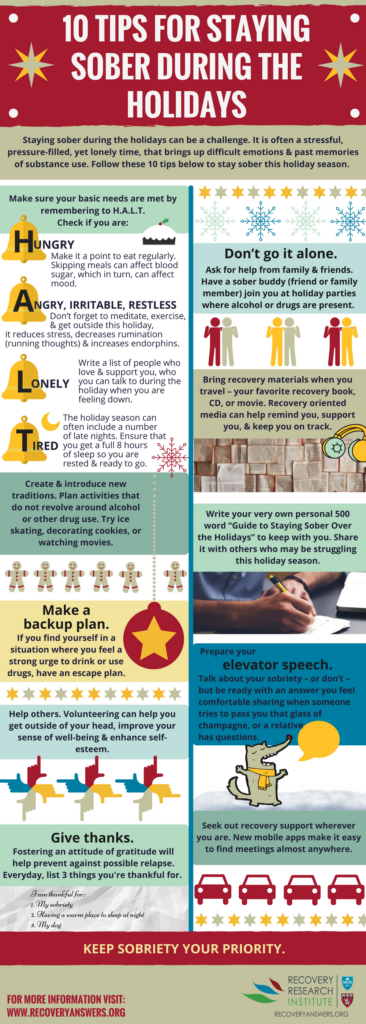
Embarking on a journey to sobriety often involves making healthy lifestyle changes, and regular exercise is an integral part of that equation. Engaging in physical activity not only improves physical health but also provides numerous mental and emotional benefits. Exercise helps reduce stress, boost mood, increase self-confidence, and promote better sleep – all of which are essential for maintaining long-term sobriety. Find an activity you enjoy, whether it’s running, swimming, yoga, or dancing, and make it a regular part of your routine for optimal well-being.
5.2 Balanced Nutrition
Fueling your body with a balanced and nourishing diet is crucial for overall health and well-being in addiction recovery. Substance abuse can deplete the body of essential nutrients, which can further disrupt physical and emotional equilibrium. Adopting a diet rich in fruits, vegetables, lean proteins, and whole grains can provide the nutrients necessary to support physical healing and replenish depleted resources. Proper nutrition can also play a significant role in stabilizing mood, reducing cravings, and improving overall mental health.
5.3 Sufficient Sleep
Sleep is a vital component of a healthy lifestyle and plays an essential role in addiction recovery. Getting sufficient sleep allows your body to restore and recharge, enabling you to cope with stress and maintain emotional stability. Establish a consistent sleep routine and prioritize sleep hygiene practices, such as avoiding electronic devices before bedtime and creating a calming sleep environment. By prioritizing restful sleep, you provide your body and mind with the necessary tools to navigate the challenges of recovery more effectively.
6. Ridding the Environment of Triggers
6.1 Removing Tempting Substances
In order to maintain sobriety, it’s crucial to remove any tempting substances from your living environment. Rid your home of any alcohol, drugs, or paraphernalia that may trigger cravings or temptations. Clearing your space of these reminders reduces the likelihood of relapse and creates a supportive environment for your recovery journey. If necessary, ask for assistance from a trusted friend or family member to help ensure a thorough and complete removal of any triggering substances.
6.2 Creating a Supportive Living Environment
Creating a supportive living environment is essential for long-term recovery success. Surrounding yourself with individuals who support your journey and share a commitment to sobriety can make a significant difference. Communicate your needs to those living with you and ask for their understanding and cooperation in maintaining a substance-free environment. Consider attending regular house meetings, where everyone can openly discuss any challenges, celebrate milestones, and provide mutual support.
6.3 Avoiding High-Risk Situations
To minimize temptation and reduce the risk of relapse, it’s crucial to avoid high-risk situations as much as possible. Identify situations or events where substance use or excessive drinking is prevalent and make a conscious effort to steer clear of these environments. It may mean skipping certain social gatherings, finding new hobbies or activities that do not involve substances, or seeking out sober-friendly events and venues. By actively avoiding high-risk situations, you are taking proactive steps toward safeguarding your sobriety.

7. Learning and Practicing Healthy Coping Mechanisms
7.1 Mindfulness and Relaxation Techniques
Learning mindfulness and relaxation techniques can be incredibly beneficial for managing stress and cravings in addiction recovery. Mindfulness involves being fully present in the moment and observing thoughts and emotions without judgment. It can help you cultivate self-awareness, reduce anxiety, and improve emotional regulation. Various relaxation techniques, such as deep breathing exercises, progressive muscle relaxation, or guided imagery, can help calm the mind and promote a sense of tranquility. By regularly practicing these techniques, you can develop resilience and inner strength to navigate the challenges of recovery more effectively.
7.2 Journaling and Self-Reflection
Journaling can be a powerful tool for self-reflection, gaining insight, and processing emotions in addiction recovery. Set aside time each day to write down your thoughts, feelings, and experiences. Use journaling prompts to explore your progress, challenges, and goals. Not only does journaling provide an outlet for self-expression, but it can also help you track your journey, identify patterns or triggers, and recognize personal growth and accomplishments. Reflecting on your experiences through journaling can be a valuable source of self-discovery and motivation.
7.3 Engaging in Hobbies and Activities
Engaging in hobbies and activities that bring you joy and fulfillment is an essential part of the recovery process. Explore new interests or rediscover activities you once enjoyed. Engaging in hobbies not only distracts from cravings or negative thoughts but also promotes a sense of purpose and accomplishment. It can help rebuild self-esteem, improve mood, and provide a healthy outlet for stress. Whether it’s painting, playing a musical instrument, gardening, or cooking, find what brings you joy and incorporate it into your daily life for sustained recovery.
8. Setting Realistic Goals and Celebrating Milestones
8.1 Breaking Down Long-Term Goals
Setting realistic long-term goals in addiction recovery is essential for maintaining motivation and focus. However, it’s important to break down these long-term goals into smaller, manageable steps. This approach allows you to celebrate incremental progress and experience a sense of achievement along the way. Break your larger recovery goals into smaller milestones, such as completing a certain number of sober days, attending a set number of therapy sessions, or achieving specific personal growth objectives. By focusing on these mini-goals, you continuously propel yourself forward on the road to sobriety.
8.2 Establishing Short-Term Goals
In addition to long-term goals, setting short-term goals is equally important. Short-term goals provide a sense of direction and purpose in your daily life. They serve as stepping stones towards your larger recovery goals. Establishing attainable short-term goals, such as attending a support group meeting each week, practicing self-care daily, or reaching out to a sober friend for support, can help you stay motivated and engaged in your recovery journey. Celebrate each accomplishment, no matter how small, to maintain a positive mindset and reinforce your commitment to sobriety.
8.3 Rewarding Progress and Accomplishments
Rewarding yourself for progress and accomplishments along your recovery journey is a powerful way to stay motivated and reinforce positive behaviors. Celebrate milestones and achievements, both big and small, in meaningful ways. Treat yourself to something you enjoy, such as a spa day, a favorite meal, or a new book. Recognize and acknowledge the effort and dedication you have put into your recovery, and allow yourself to experience joy and pride in your accomplishments. By celebrating your progress, you reinforce the commitment you’ve made to a healthier, sober lifestyle.
9. Building a Meaningful and Purposeful Life
9.1 Discovering Personal Passions and Interests
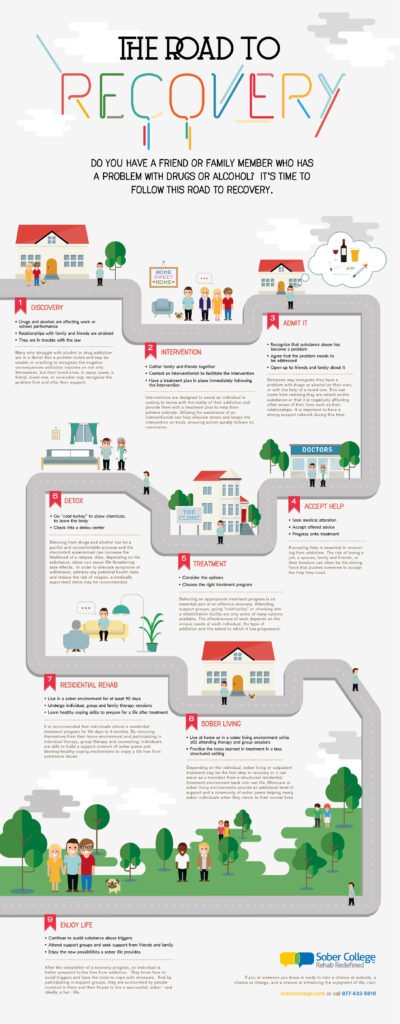
Building a meaningful and purposeful life beyond addiction involves discovering and pursuing personal passions and interests. Take the time to explore activities, causes, or hobbies that ignite a sense of purpose and fulfillment within you. Volunteer for a cause you’re passionate about, explore creative outlets or engage in activities that align with your values and interests. Building a life that feels meaningful and purposeful can provide a sense of fulfillment and a strong foundation for sustainable sobriety.
9.2 Cultivating Healthy Relationships
Healthy relationships are vital for long-term recovery success. Surround yourself with individuals who support your sobriety and lift you up. Cultivate friendships based on trust, respect, and shared values. Learn healthy communication skills and set boundaries that protect your well-being and sobriety. Invest in relationships that foster personal growth and encourage positive choices. Building a network of supportive relationships can help you feel connected, valued, and motivated on your journey to lasting recovery.
9.3 Giving Back to the Community
Contributing to your community through acts of service or volunteer work can be a transformative part of addiction recovery. Engaging in charitable activities allows you to shift the focus away from yourself and toward the well-being of others. It helps create a sense of purpose, strengthen your sense of self-worth, and foster a deeper connection to the world around you. Find organizations or causes that resonate with you and offer your time, skills, or resources. By giving back, you not only make a positive impact on others but also enhance your own recovery journey.
10. Maintaining Accountability
10.1 Honoring Commitments
Maintaining accountability in addiction recovery means honoring the commitments you’ve made to yourself and others. It’s important to follow through with the actions and promises you’ve made to support your sobriety. Attend support group meetings regularly, keep therapy appointments, practice healthy coping mechanisms, and remain committed to a substance-free lifestyle. By honoring your commitments, you build self-trust, strengthen your resilience, and demonstrate your dedication to maintaining a sober and fulfilling life.
10.2 Regular Check-Ins and Evaluations
Regular check-ins and self-evaluations are essential for maintaining accountability in your recovery journey. Take the time to reflect on your progress, challenges, and improvements. Ask yourself if you’re staying true to your recovery goals, if there are any areas that need extra attention, and if adjustments are necessary. Consider keeping a journal or using self-assessment tools to track your growth and areas for improvement. Regularly checking in with yourself and assessing your journey can help you stay focused, identify areas of growth, and maintain accountability.
10.3 Being Open to Feedback and Support
Maintaining accountability involves being open to feedback and support from those who care about your recovery. Be receptive to constructive criticism, and consider it as an opportunity for growth and self-improvement. Surround yourself with individuals who provide honest feedback in a supportive and constructive manner. Listen to their observations, insights, and suggestions, as they may offer valuable perspectives that can enhance your recovery journey. By remaining open to feedback and support, you demonstrate a willingness to learn, grow, and hold yourself accountable for your actions and choices.
The road to sobriety is undoubtedly challenging, but with the right strategies and support network in place, it is entirely possible to overcome addiction and maintain a healthy, fulfilling life. By establishing a strong support network, creating a relapse prevention plan, engaging in therapy and counseling, embracing alternative therapies, adopting healthy lifestyle habits, ridding the environment of triggers, practicing healthy coping mechanisms, setting and celebrating goals, building a meaningful life, and maintaining accountability, you can successfully overcome addiction and pave the way to a brighter future. Remember, you are not alone, and there is always hope for recovery. Take the first step towards a sober, fulfilling life today.
Watch The Video Below
Related Terms About Strategies for Overcoming Addiction and Staying Clean
Best Strategy For Overcoming Tobacco Addiction, Steps To Overcome Addiction, Strategies For Alcohol Addiction, Strategies For Overcoming Addiction, Strategies To Help With Addiction, Strategies To Overcome Addiction, Tips To Overcome Addiction, Ways To Overcome Addiction