
Ladies and gentlemen, we are here to shed light on a topic that is often overlooked yet holds immense significance in our lives – the effects of alcohol abuse. Embracing a friendly approach, we will explore the detrimental impact that alcohol abuse can have on both individuals and society as a whole. By delving into the consequences this behavior can inflict on our physical and mental health, relationships, and overall well-being, we aim to raise awareness and foster a better understanding of this crucial issue. So, grab a seat, take a moment to reflect, and let us embark on this eye-opening journey together.

Physical Effects of Alcohol Abuse
Liver Damage
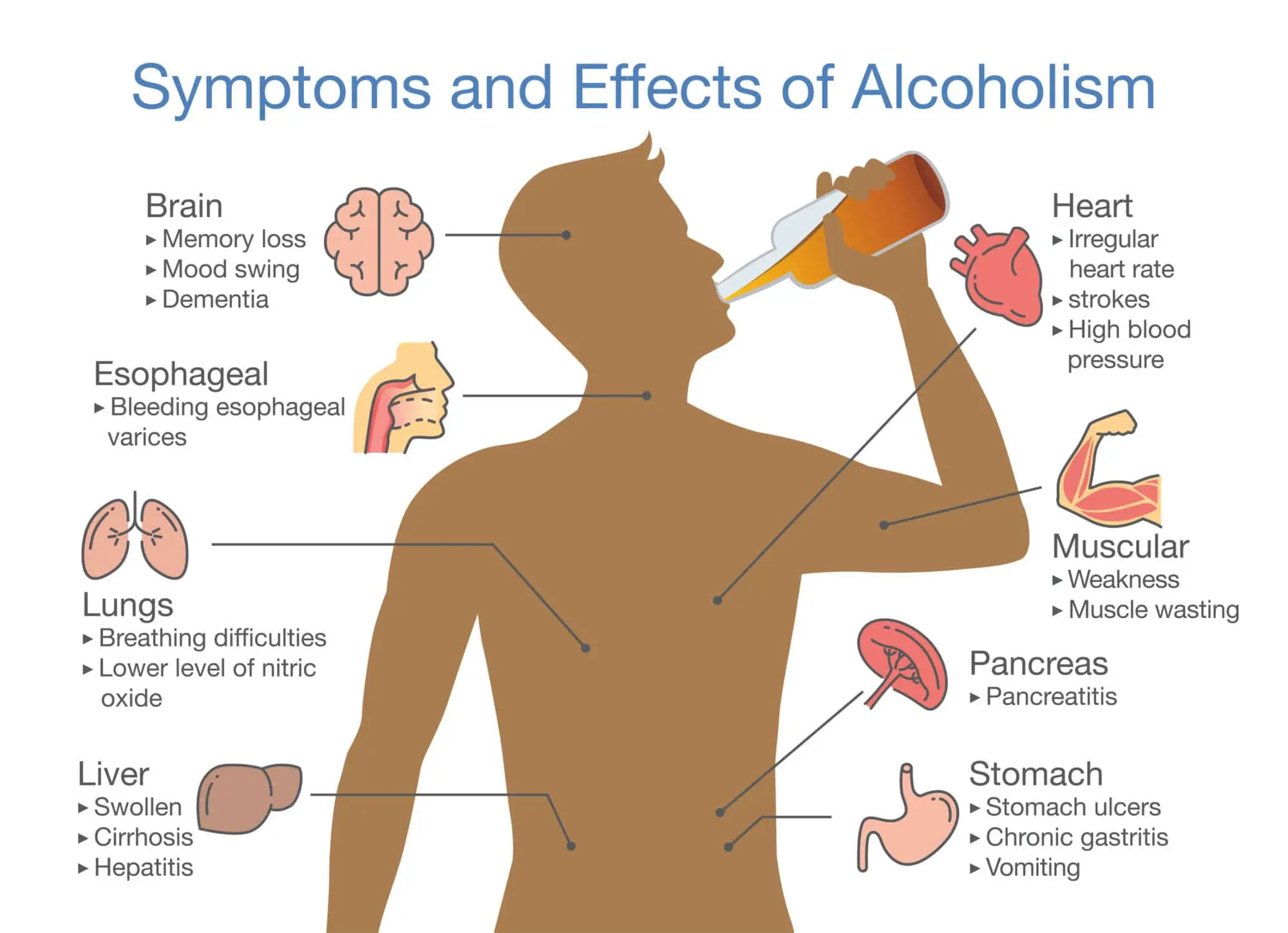
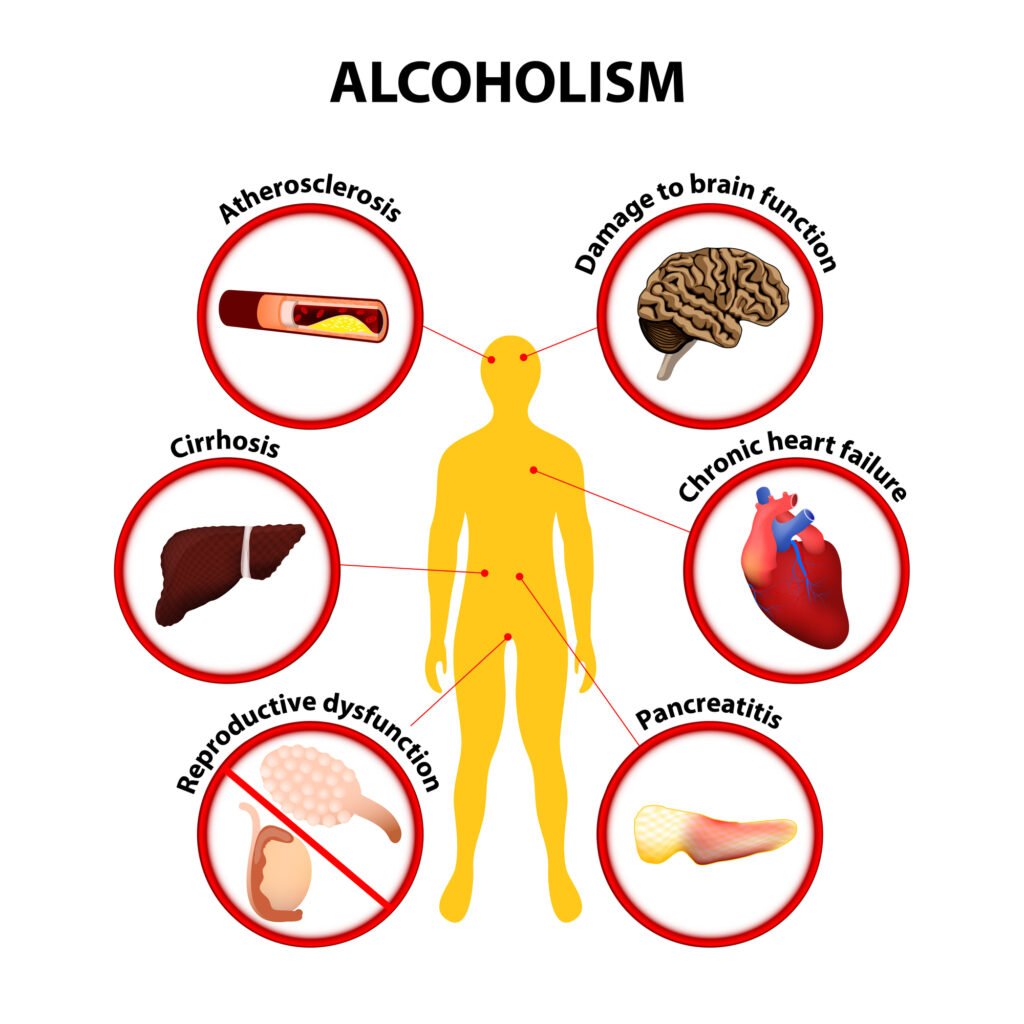
Alcohol abuse can have a devastating impact on your liver. The liver is responsible for filtering toxins from your blood, but excessive alcohol consumption over time can overwhelm this vital organ. This can lead to a condition called alcoholic hepatitis, which can cause inflammation, scarring, and even liver failure. In some cases, liver damage from alcohol abuse may be irreversible.
Heart Problems
Another physical effect of alcohol abuse is an increased risk of heart problems. Excessive drinking can weaken the heart muscle, leading to conditions such as cardiomyopathy and arrhythmias. Long-term alcohol abuse can also elevate blood pressure and increase the risk of heart disease, stroke, and heart attacks.
Digestive Issues
Alcohol abuse can wreak havoc on your digestive system. It can irritate the lining of the stomach and intestines, leading to gastritis, ulcers, and even gastrointestinal bleeding. Additionally, alcohol can interfere with the absorption of essential nutrients, causing deficiencies that can further impact your overall health.
Mental and Emotional Effects of Alcohol Abuse
Depression
Alcohol abuse is closely linked to depression. While alcohol may temporarily mask feelings of sadness or despair, it ultimately exacerbates these emotions. Chronic alcohol abuse can disrupt the brain’s neurotransmitters, contributing to the development or worsening of depressive symptoms. This can create a vicious cycle where individuals turn to alcohol to self-medicate, only to find their mental health deteriorating further.
Anxiety
Alcohol abuse can also significantly increase anxiety levels. While some people may initially use alcohol to relax or relieve stress, the substance actually hinders the brain’s natural ability to regulate anxiety. Over time, excessive alcohol consumption can lead to heightened anxiety, panic attacks, and even the development of anxiety disorders.
Memory Loss
One of the most well-known mental effects of alcohol abuse is memory loss. Heavy drinking can impair both short-term and long-term memory function, resulting in temporary blackouts or even permanent damage to the brain. This can have profound impacts on everyday life, relationships, and overall cognitive abilities.
Social Effects of Alcohol Abuse
Relationship Problems
Alcohol abuse can strain relationships with family, friends, and romantic partners. It can lead to increased conflict, poor communication, and a lack of trust. People with alcohol problems may become emotionally distant, unreliable, or even abusive towards their loved ones, creating a toxic environment that can be difficult to repair.
Legal Issues
Engaging in alcohol abuse can bring about a range of legal consequences. Driving under the influence (DUI) is a common offense related to alcohol abuse and can result in fines, license suspension, or even imprisonment. Additionally, individuals under the influence of alcohol may engage in disorderly conduct, public intoxication, or other illegal activities, leading to legal trouble and potential criminal charges.
Employment Issues
Alcohol abuse can have detrimental effects on a person’s employment. Frequent absenteeism, decreased productivity, and poor performance can all result from alcohol-related issues. This can lead to strained relationships with colleagues and supervisors, disciplinary actions, and ultimately, job loss. Additionally, individuals struggling with alcohol abuse may struggle with maintaining steady employment due to their addiction interfering with their work responsibilities.
Economic Effects of Alcohol Abuse
Financial Burden
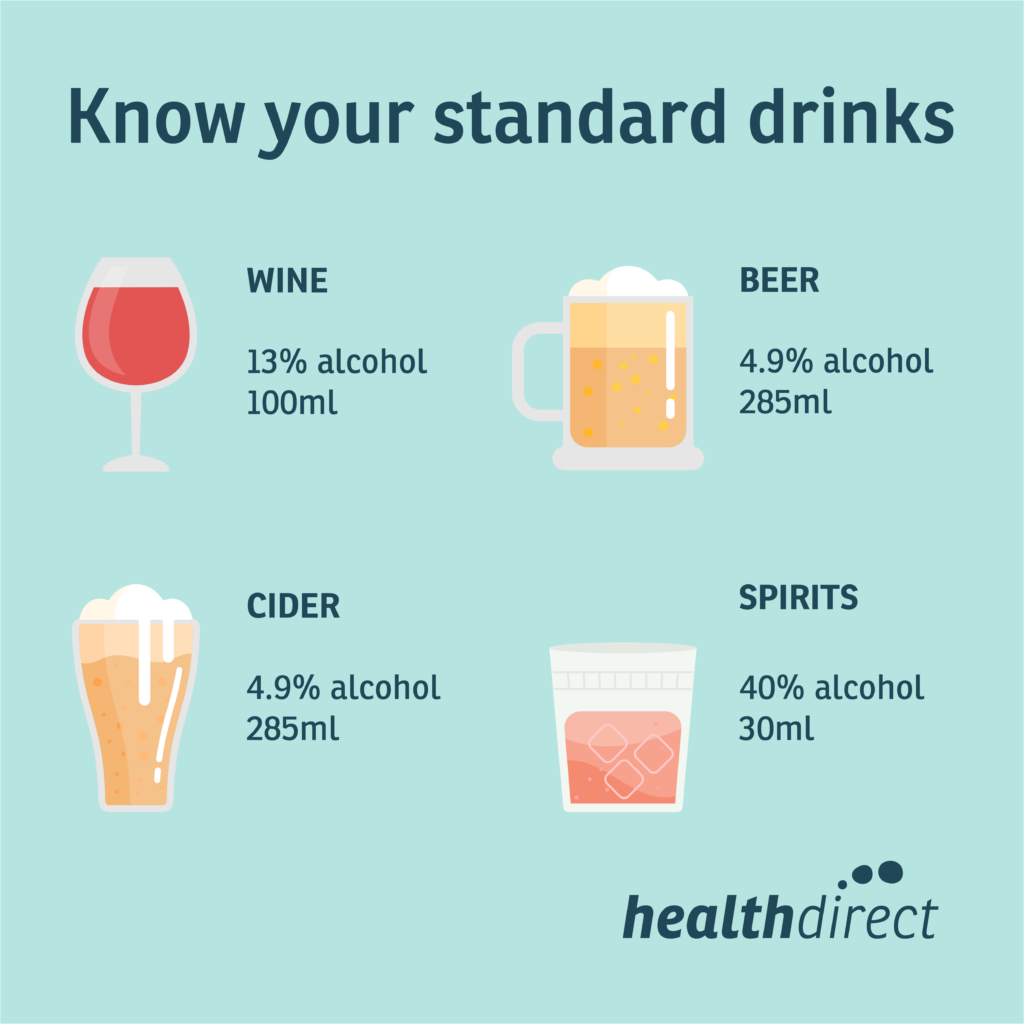
Alcohol abuse can place a significant financial burden on individuals and their families. The costs associated with purchasing alcohol can quickly add up, especially when the abuse is frequent or excessive. Additionally, the need to seek treatment, therapy, or rehabilitation for alcohol dependence can be expensive. The financial strain can lead to debt, bankruptcy, and increased stress for those affected by alcohol abuse.
Productivity Loss
Alcohol abuse often leads to decreased productivity in various aspects of life, including work, school, and personal responsibilities. The physical and mental effects of alcohol can impair cognitive functions and lead to poor decision-making, procrastination, and overall reduced efficiency. This can result in missed opportunities, lower academic or job performance, and a declining quality of life.
Healthcare Costs
The healthcare costs associated with alcohol abuse are substantial. Individuals who abuse alcohol are more likely to seek medical attention due to alcohol-related illnesses, injuries, or accidents. From emergency room visits to long-term treatment for liver disease or mental health issues, the financial toll on both individuals and healthcare systems can be significant. Additionally, the costs of treating the collateral damage caused by alcohol abuse, such as domestic violence or child neglect, must also be factored into the overall healthcare burden.
Effects of Alcohol Abuse on Family
Parenting Issues
Alcohol abuse can have profound effects on parenting abilities. Being under the influence of alcohol can impair judgment, increase irritability and aggression, and diminish the ability to provide proper care and attention to children. This can negatively impact children’s emotional well-being, development, and overall sense of security. Parental alcohol abuse may also lead to increased conflict between parents, affecting the overall stability and functioning of the family unit.
Family Violence
Alcohol abuse is closely linked to an increased risk of family violence. The disinhibiting effects of alcohol can escalate arguments, leading to physical or emotional abuse within the family. Children who grow up witnessing or experiencing family violence are more likely to develop their own problematic patterns of behavior and mental health issues later in life. The cycle of violence is perpetuated, further straining family dynamics and relationships.
Neglect
Alcohol abuse can lead to neglectful behavior towards family members. Individuals struggling with alcohol addiction may prioritize drinking over fulfilling their familial responsibilities, leading to inadequate care, lack of emotional support, and neglect of basic needs. This can create a chaotic and unstable environment for children and other family members, causing long-lasting emotional trauma and a breakdown in family relationships.
Impact of Alcohol Abuse on Children
Emotional Distress
Growing up with a parent who abuses alcohol can cause severe emotional distress for children. The feelings of helplessness, sadness, anger, and confusion can lead to anxiety, depression, and low self-esteem. Children may blame themselves for their parent’s behavior or feel guilty for not being able to change the situation. The emotional distress often extends into adulthood, affecting relationships and overall mental well-being.
Behavioral Problems
Children from families affected by alcohol abuse are at a higher risk of developing behavioral problems. They may exhibit defiance, aggression, hyperactivity, or engage in risky behavior. These behavioral issues can interfere with academic performance, social relationships, and future opportunities. Additionally, children may turn to substances themselves as a way to cope with their circumstances, perpetuating the cycle of alcohol abuse.
Academic Issues
The impact of alcohol abuse on children’s academic performance can be significant. Living in an unstable and chaotic environment can make it challenging to focus on schoolwork, leading to decreased motivation and poor grades. Children may experience frequent absences, difficulty concentrating, and lack the necessary support for their educational needs. The long-term effects can limit their educational opportunities and hinder their future success.
Alcohol Abuse and Sexual Health
Increased Risk of Sexual Assault
Alcohol abuse is closely linked to an increased risk of sexual assault. Drinking excessively impairs judgment and decision-making, making individuals more vulnerable to becoming victims of sexual violence. Alcohol can cloud one’s ability to consent and understand boundaries, often leading to dangerous situations. It is crucial for individuals to practice responsible drinking and be aware of the potential risks associated with alcohol and sexual assault.
Unintended Pregnancies
Alcohol abuse can increase the likelihood of unintended pregnancies. Impaired judgment and decision-making can lead to engaging in unprotected sex or forgetting to use contraception. Additionally, alcohol can interfere with fertility and reproductive health, increasing the risk of infertility or other complications. Unintended pregnancies can have far-reaching effects on individuals, relationships, and families, adding to the overall burden of alcohol abuse.
Sexually Transmitted Infections
Engaging in risky sexual behaviors, such as unprotected sex, while under the influence of alcohol can lead to an increased risk of sexually transmitted infections (STIs). Impaired judgment can result in engaging in high-risk behaviors with multiple partners or with individuals who may have an STI. Alcohol abuse can decrease inhibitions, leading to a higher likelihood of engaging in unsafe sexual practices and placing individuals at a greater risk of contracting and transmitting STIs.
Alcohol Abuse and Mental Health Disorders
Worsening Symptoms
Individuals with pre-existing mental health disorders may find that alcohol abuse exacerbates their symptoms. Alcohol is a depressant that can intensify feelings of sadness, despair, and anxiety. It can also interact negatively with certain medications used to manage mental health conditions, rendering them less effective. Engaging in alcohol abuse can further destabilize one’s mental health, making it more challenging to manage or recover from existing mental health disorders.
Increased Risk of Developing Disorders
Alcohol abuse significantly increases the risk of developing mental health disorders. People who abuse alcohol are more likely to develop conditions such as depression, anxiety disorders, bipolar disorder, and even schizophrenia. The brain’s chemistry and structure can be altered by alcohol abuse, contributing to the emergence of these conditions. It is crucial to address both alcohol abuse and mental health disorders simultaneously to achieve effective treatment and recovery.
Dual Diagnosis
Dual diagnosis refers to the presence of both a substance use disorder, such as alcohol abuse, and a mental health disorder. Alcohol abuse often co-occurs with conditions like depression, anxiety, or post-traumatic stress disorder. These dual diagnoses can create complex challenges in terms of treatment, management, and recovery. Integrated approaches that address both the substance use disorder and mental health disorder are essential for comprehensive care and a successful path to healing.
Alcohol Abuse and Criminal Activity
Violent Crimes
Alcohol abuse is closely linked to an increased likelihood of engaging in violent behavior. Impaired judgment, lowered inhibitions, and increased aggression can lead to violent outbursts, fights, or domestic violence incidents. Alcohol abuse can also contribute to escalating conflicts and alter one’s perception of dangerous situations, leading to tragic consequences. Addressing alcohol abuse is crucial in breaking the cycle of violence and reducing the risk of criminal involvement.
Driving Under the Influence
One of the most dangerous and criminal consequences of alcohol abuse is driving under the influence (DUI). Operating a vehicle while intoxicated not only puts the driver’s life at risk but also endangers the lives of others on the road. DUI offenses can result in severe legal consequences, including fines, license suspension, mandatory alcohol education programs, and even imprisonment. Preventing alcohol abuse and promoting responsible drinking habits are essential to ensure public safety on the roads.
Public Intoxication
Engaging in public intoxication can lead to legal trouble and criminal charges. Those under the influence of alcohol may exhibit disruptive behavior, disturb the peace, or violate public order. Being publicly intoxicated not only puts individuals at risk of physical harm but can also lead to encounters with law enforcement and potential arrests. Avoiding excessive alcohol consumption and being mindful of one’s actions in public settings are key to preventing legal issues associated with alcohol abuse.
Treatment Options for Alcohol Abuse
Detoxification
Detoxification, or detox, is often the first step in treating alcohol abuse. It involves removing alcohol from the body under medical supervision to manage withdrawal symptoms and ensure the safety of the individual. Detoxification helps individuals overcome physical dependence on alcohol and prepares them for further treatment and recovery.
Therapy and Counseling
Therapy and counseling play integral roles in addressing the underlying causes and effects of alcohol abuse. Individual therapy sessions provide a safe space for individuals to explore their relationship with alcohol, identify triggers, and develop strategies for managing cravings and preventing relapse. Group therapy can offer support, encouragement, and the opportunity to learn from others who have experienced similar challenges.
Medications
In some cases, medications may be prescribed to assist with alcohol abuse treatment. These medications can help reduce cravings, manage withdrawal symptoms, and deter relapse. Medications such as naltrexone, acamprosate, and disulfiram have shown effectiveness in supporting recovery from alcohol abuse. It is important to work closely with healthcare professionals to determine the most appropriate medication-based approach for each individual.
In conclusion, alcohol abuse has far-reaching effects on individuals, families, and society as a whole. From physical health complications to the strain on relationships and economic consequences, the impact of alcohol abuse is substantial. Addressing alcohol abuse requires a multi-faceted approach, including comprehensive treatment options, support systems, and education on responsible alcohol consumption. By understanding the diverse effects of alcohol abuse and promoting healthier alternatives, we can strive to prevent the devastating consequences associated with this widespread issue.