
If you or someone you know has recently undergone amputation, it is important to understand the various rehabilitation techniques available to promote a smooth recovery and a successful transition to life after amputation. From physical therapy exercises to psychological support, this article provides invaluable tips and advice to help you navigate the challenges and embrace the possibilities that come with this life-altering change.

Rehabilitation Tips After Amputation
Amputation is a life-altering event that requires physical and emotional rehabilitation. It is crucial to approach this journey with a positive mindset and realistic goals. By following a comprehensive rehabilitation plan, you can regain your independence and adapt to your new circumstances. In this article, we will explore various aspects of rehabilitation after amputation and provide tips to support you throughout the process.
1. Setting Realistic Goals
Setting realistic goals is the first step towards successful rehabilitation after amputation. It is essential to acknowledge that this process may take time and requires patience and perseverance. By focusing on achievable milestones, you can maintain motivation and track your progress effectively. Discuss your goals with your healthcare team, including your doctor, therapist, and prosthetist, to ensure they align with your abilities and overall rehabilitation plan.
2. Preparing for Rehabilitation
Before beginning rehabilitation, it is important to undergo a thorough physical and psychological assessment. This assessment will help your healthcare team gain a better understanding of your overall health, physical abilities, and emotional well-being. Additionally, a prosthetic evaluation will be conducted to determine the appropriate type of prosthesis for you. Additionally, supportive devices such as crutches, canes, or wheelchairs may be recommended to aid with mobility during the initial stages of rehabilitation. Based on these assessments, your healthcare team will create a personalized rehabilitation plan tailored to your specific needs.
2.1 Physical Assessment
A physical assessment is conducted to evaluate your strength, range of motion, and overall physical abilities. This assessment helps determine the starting point for your physical rehabilitation program and guides the selection of appropriate exercises and therapies.
2.2 Psychological Assessment
A psychological assessment is essential to address any emotional challenges you may face after amputation. It provides an opportunity to discuss your feelings, fears, and concerns with a mental health professional. This assessment assists in developing coping strategies and ensures that adequate psychological support is available throughout your rehabilitation journey.
2.3 Prosthetic Evaluation
A prosthetic evaluation involves a detailed examination of your residual limb to determine the most suitable type of prosthesis for you. Factors such as the size, shape, and condition of your residual limb, as well as your functional goals, are considered during this evaluation. Working closely with a prosthetist will ensure that you receive a prosthetic device that fits well and enhances your mobility.
2.4 Supportive Devices
In the initial stages of rehabilitation, supportive devices such as crutches, canes, or wheelchairs may be recommended to aid with mobility. These devices are temporary and are designed to provide assistance until you can advance to using a prosthetic device. Your healthcare team will guide you in selecting the most appropriate supportive devices based on your individual needs.
2.5 Creating a Rehabilitation Plan
Based on the assessments and evaluations, your healthcare team will create a comprehensive rehabilitation plan to guide your recovery. This plan will include a combination of physical rehabilitation, psychological support, prosthetic training, and occupational therapy. Collaborating with your healthcare team to develop this plan will ensure that your goals and preferences are considered.
3. Physical Rehabilitation
Physical rehabilitation plays a vital role in recovering strength, mobility, and overall physical function after amputation. The goal of physical rehabilitation is to enhance your physical abilities, balance, and coordination. This section highlights various aspects of physical rehabilitation and offers tips to help you achieve optimal outcomes.
3.1 Strengthening and Flexibility Exercises
Strengthening and flexibility exercises are key components of physical rehabilitation after amputation. These exercises help build muscle strength, improve joint flexibility, and promote overall functional independence. Your physical therapist will guide you through a range of exercises targeting specific muscle groups to ensure a well-rounded rehabilitation program.
3.2 Range of Motion Exercises
Range of motion exercises focus on maintaining or improving the mobility of your joints. After amputation, it is important to perform regular range of motion exercises to prevent joint stiffness and contracture. Your physical therapist will demonstrate and prescribe specific exercises to ensure that you maintain good range of motion in your residual limb and remaining joints.
3.3 Balance and Coordination Training
Balance and coordination training are crucial aspects of rehabilitation after amputation. These exercises help improve your ability to maintain stability and control while performing various activities. Your physical therapist will design exercises that challenge your balance and coordination to enhance your overall stability and confidence.
3.4 Gait Training
Gait training focuses on helping you develop a natural and efficient walking pattern with or without the use of a prosthetic device. This training involves practicing weight shifting, weight transfer, and proper prosthetic alignment. Your physical therapist will guide you through gait training exercises to improve your walking ability and help you regain your mobility.
3.5 Pain Management
Pain management is an important aspect of physical rehabilitation after amputation. It is common to experience phantom limb pain, residual limb pain, or musculoskeletal pain during the recovery process. Your healthcare team will provide you with strategies to manage pain, which may include medication, physical modalities such as heat or cold therapy, and relaxation techniques.
4. Psychological Rehabilitation
Psychological rehabilitation focuses on addressing the emotional challenges that often accompany amputation. Coping with the adjustment, loss, and changes following amputation can be overwhelming. This section explores various strategies to help you cope with these challenges and maintain positive mental well-being.
4.1 Coping with Emotional Challenges
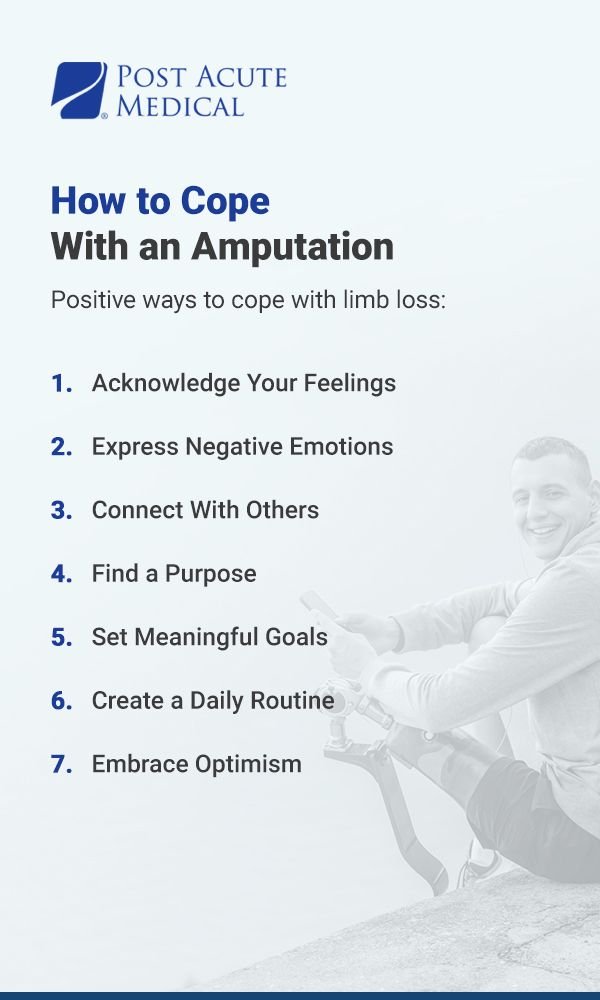
Coping with emotional challenges is an essential part of the rehabilitation process after amputation. It is normal to experience a range of emotions including grief, anger, frustration, and anxiety. Acknowledging these emotions and seeking support can help you navigate through them. Engaging in hobbies, practicing mindfulness, and staying socially connected can also contribute to your emotional well-being.
4.2 Seeking Support
Seeking support from your loved ones, healthcare team, and other amputees can be incredibly beneficial during your rehabilitation journey. Share your feelings, concerns, and progress with trusted individuals who can offer encouragement and understanding. Support groups or online communities specifically for amputees can provide a sense of belonging, as well as valuable advice and coping strategies.
4.3 Psychological Counseling
Psychological counseling or therapy can be helpful for addressing specific emotional challenges related to amputation. A mental health professional can help you develop coping mechanisms, manage stress, enhance self-esteem, and navigate through the emotional ups and downs. Engaging in regular counseling sessions can provide a safe space for expressing your emotions and receiving guidance.
4.4 Mindfulness and Relaxation Techniques
Practicing mindfulness and relaxation techniques can significantly contribute to your overall well-being during the rehabilitation process. Techniques such as deep breathing exercises, meditation, and progressive muscle relaxation can help reduce stress, promote relaxation, and improve your ability to cope with emotional challenges. Including these techniques in your daily routine can have a positive impact on your mental and emotional health.
5. Learning to Use Prosthetic Devices
Learning to use prosthetic devices is an essential part of rehabilitation after amputation, as it can greatly enhance your functionality and independence. This section outlines the various steps involved in becoming proficient with prosthetic devices.
5.1 Prosthetic Fitting and Alignment
The first step towards using a prosthetic device is to undergo a fitting and alignment process. This involves creating a socket that fits your residual limb perfectly and aligning the prosthesis appropriately to optimize your comfort and function. Working closely with a prosthetist will ensure that the fitting and alignment process meets your specific needs and goals.
5.2 Prosthetic Training
Once the fitting and alignment process is complete, you will begin prosthetic training. This training involves gradually introducing the prosthesis and learning how to use it effectively. Your prosthetist and physical therapist will guide you through exercises and activities that will help you adapt to the prosthesis and build confidence in using it for everyday tasks.
5.3 Practicing Activities of Daily Living
Becoming proficient with a prosthetic device involves practicing activities of daily living (ADLs) that you previously performed without assistance. This may include tasks such as dressing, grooming, eating, and household chores. Gradually incorporating these activities into your rehabilitation program will allow you to regain independence and build functional skills.
5.4 Fine Motor Skills Training
Training your fine motor skills is crucial for improving dexterity and precision in using your prosthetic device. Engaging in activities that require fine motor control, such as writing, using utensils, or manipulating small objects, will help you develop and refine these skills. Your occupational therapist may incorporate specific exercises and activities to target fine motor skills during your rehabilitation program.

6. Occupational Therapy
Occupational therapy focuses on enabling you to engage in meaningful and purposeful activities despite physical limitations. This section explores various aspects of occupational therapy and how it can support your rehabilitation after amputation.
6.1 Adaptive Techniques
Occupational therapists are experts in developing and teaching adaptive techniques that allow you to accomplish tasks in different ways. These techniques may involve modifying your environment, using assistive devices, or adopting alternative strategies to perform activities. Learning and implementing these adaptive techniques will enable you to overcome challenges and achieve independence in your daily life.
6.2 Assistive Devices
Assistive devices play a significant role in facilitating independence and enhancing your ability to perform daily activities. Occupational therapists are skilled in assessing your specific needs and recommending appropriate assistive devices such as adaptive utensils, dressing aids, or reachers. These devices can greatly assist you in regaining functionality and participating in a variety of activities.
6.3 Work and Vocational Rehabilitation
Returning to work or engaging in vocational activities after amputation may require additional support and guidance. Occupational therapy can provide work-specific rehabilitation, including assessing job demands, recommending modifications, and teaching strategies to accommodate physical changes. Working closely with an occupational therapist can help you successfully reintegrate into the workforce and pursue your vocational goals.
7. Assistive Technology and Home Modifications
Assistive technology and home modifications can significantly improve accessibility and independence for individuals with limb loss. This section explores the assessment and implementation of assistive technology and home modifications to support your daily activities.
7.1 Assessing Assistive Technology Needs
Assistive technology encompasses a wide range of devices and equipment designed to compensate for functional limitations. An occupational therapist or assistive technology specialist can assess your specific needs and recommend appropriate technologies. These may include devices such as voice-activated assistants, environmental control systems, or mobile applications that facilitate various tasks.
7.2 Home Modifications for Accessibility
Modifying your home environment to enhance accessibility is crucial for safe and independent living after amputation. Home modifications may include installing ramps, grab bars, height-adjustable surfaces, and handrails. Consultation with an occupational therapist or home modification specialist can ensure that your home is modified to meet your specific requirements and facilitate your rehabilitation goals.
7.3 Assistive Devices for Daily Activities
Assistive devices for daily activities are designed to support your independence and functionality while performing specific tasks. These devices may include adaptive dressing aids, reaching devices, or kitchen utensils with built-up handles. Working with an occupational therapist will help you select the most appropriate assistive devices and learn how to use them effectively.
8. Pain Management
Pain management is a crucial aspect of rehabilitation after amputation. It is common to experience different types of pain, including phantom limb pain, residual limb pain, or musculoskeletal pain. This section highlights various pain management strategies that can be incorporated into your rehabilitation plan.
8.1 Medications
Medications can play a significant role in managing pain after amputation. Your healthcare team may prescribe pain medications, such as analgesics or opioids, to help alleviate your discomfort. However, it is important to work closely with your healthcare provider to ensure safe and effective pain management, as medication use may have potential side effects and require careful monitoring.
8.2 Physical Modalities
Physical modalities, such as heat therapy, cold therapy, transcutaneous electrical nerve stimulation (TENS), or therapeutic ultrasound, can be beneficial in managing pain after amputation. These modalities help reduce pain, promote tissue healing, and improve overall comfort. Your healthcare team and physical therapist will determine the most appropriate physical modalities based on your specific needs and pain management goals.
10. Follow-up Care and Support
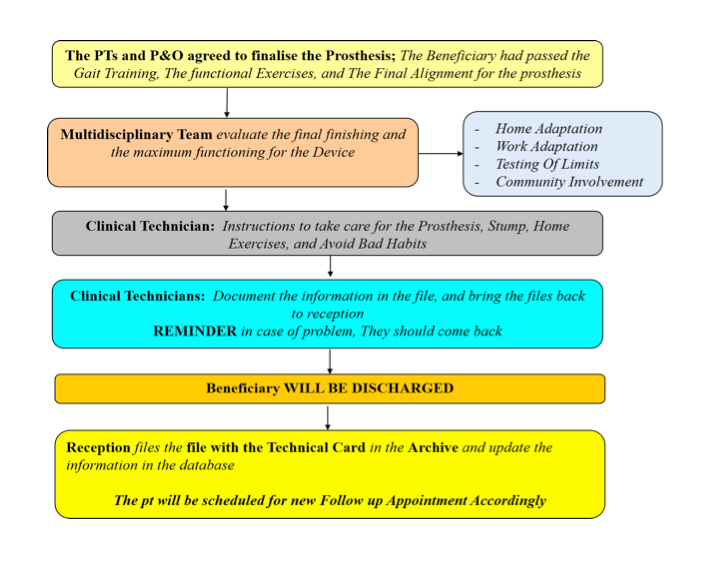
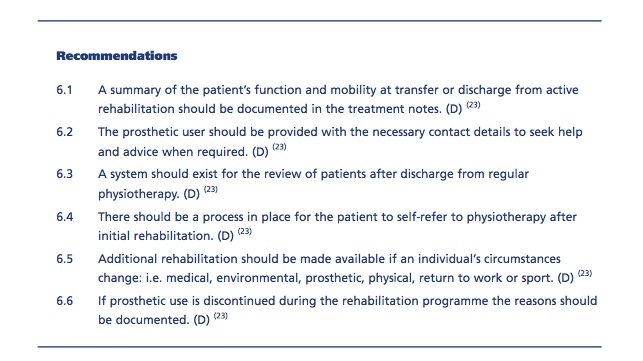
Follow-up care and support are essential components of the rehabilitation process after amputation. Regular check-ups, maintenance of prosthetic devices, and opportunities for continued support contribute to your long-term success. This section outlines various aspects of follow-up care and support that you should consider.
10.1 Regular Medical Check-ups
Regular medical check-ups are important to monitor your overall health, address any concerns, and evaluate your progress. Your healthcare team will schedule follow-up appointments to assess your physical function, address any potential complications, adjust your treatment plan if necessary, and provide ongoing support and guidance.
10.2 Prosthetic Maintenance and Replacement
Prosthetic maintenance and replacement are essential for ensuring the optimal function and longevity of your prosthetic device. Regular maintenance, such as cleaning, adjusting, or replacing components, is necessary to address wear and tear. Discussing maintenance and replacement schedules with your prosthetist will help you effectively manage your prosthetic device and prevent any functional limitations.
10.3 Joining Support Groups
Joining support groups for individuals with limb loss can greatly enhance your overall well-being and provide a sense of community. These groups offer an opportunity to connect with others who have experienced similar challenges, share experiences, exchange advice, and offer mutual support. Participating in support groups can provide a valuable network of individuals who understand your journey and can offer encouragement throughout the rehabilitation process.
In conclusion, rehabilitation after amputation involves a comprehensive approach that addresses physical, psychological, and functional needs. By setting realistic goals, engaging in physical and psychological rehabilitation, learning to use prosthetic devices, incorporating occupational therapy strategies, making necessary home modifications, managing pain, and seeking appropriate follow-up care and support, you can successfully navigate the rehabilitation process and achieve optimal outcomes. Remember, you are not alone on this journey; your healthcare team and support network are here to assist you every step of the way. Stay positive and embrace the opportunities for growth and adaptability that rehabilitation presents.