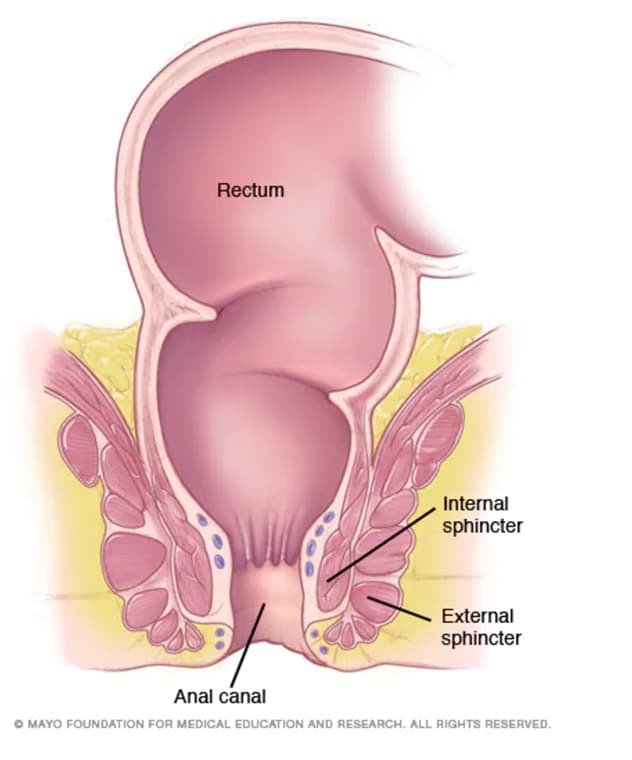
Hey there! Have you ever wondered about the importance of early detection when it comes to diseases? Well, today we’re going to shed some light on a topic that doesn’t get much attention: early detection of anal cancer. It’s crucial to be familiar with the key signs to watch out for, as catching this type of cancer in its early stages can greatly improve the chances of successful treatment. So, let’s dive in and explore the warning signs that you should be aware of.
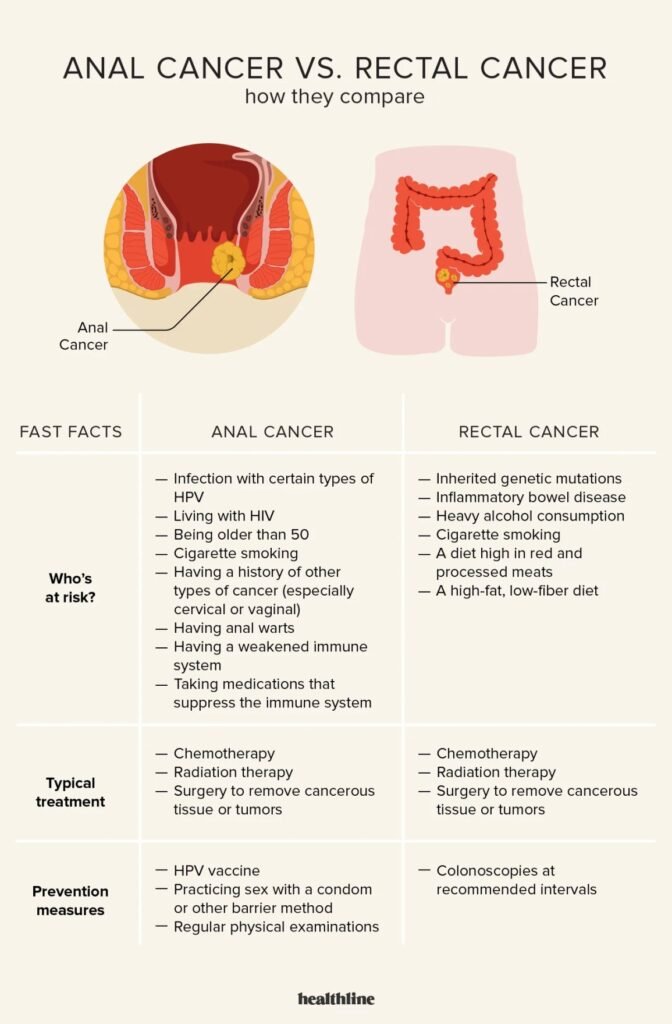
Symptoms of Anal Cancer
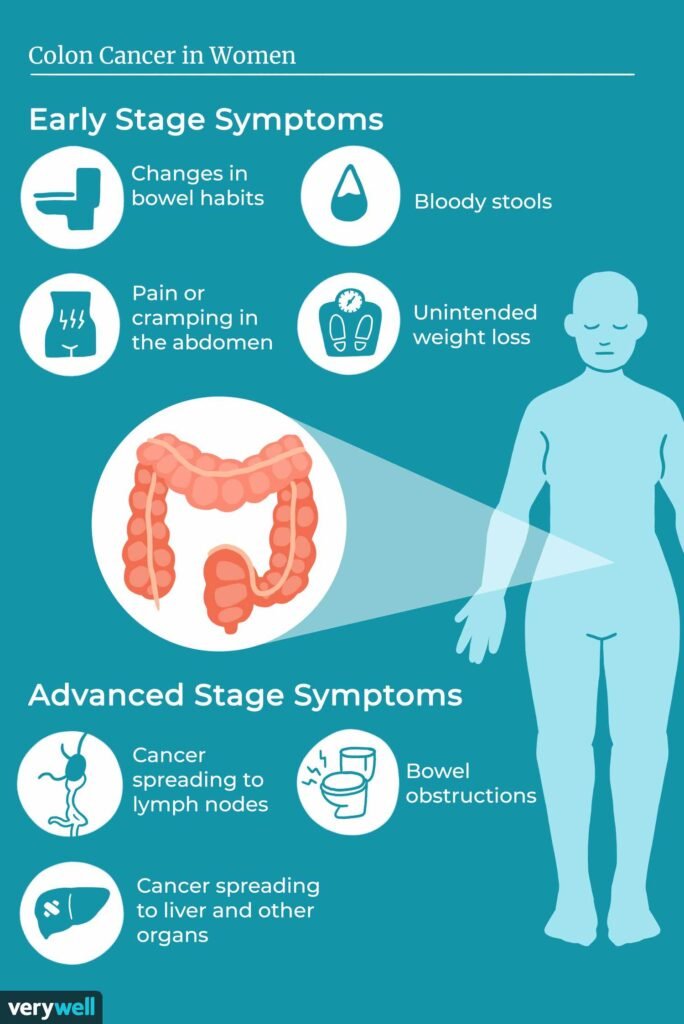
Bleeding from the rectum
One of the key symptoms of anal cancer is bleeding from the rectum. This can occur during bowel movements or even at rest. The blood may be bright red or dark in color and may be mixed with stool or appear on the toilet paper. If you notice any unexplained rectal bleeding, it is important to consult a healthcare professional for further evaluation.
Pain or discomfort in the anal area
Anal cancer can cause pain or discomfort in the anal area. This may range from mild to severe and may be constant or intermittent. The pain may be experienced during bowel movements or even while sitting. If you are experiencing persistent anal pain or discomfort, it is important to seek medical attention to determine the cause.
Changes in bowel habits
Anal cancer can also lead to changes in bowel habits. These changes may include persistent diarrhea or constipation, narrowing of the stool, or a feeling of incomplete evacuation after a bowel movement. If you notice any significant changes in your bowel habits that last for more than a few days, it is recommended to consult a healthcare professional.
Anal itching or irritation
Another symptom of anal cancer is anal itching or irritation. This may be accompanied by a persistent feeling of discomfort in the anal area. If you are experiencing prolonged itching or irritation in the anal region, it is important to have it evaluated by a medical professional to rule out any underlying conditions.
A lump or mass in the anal area
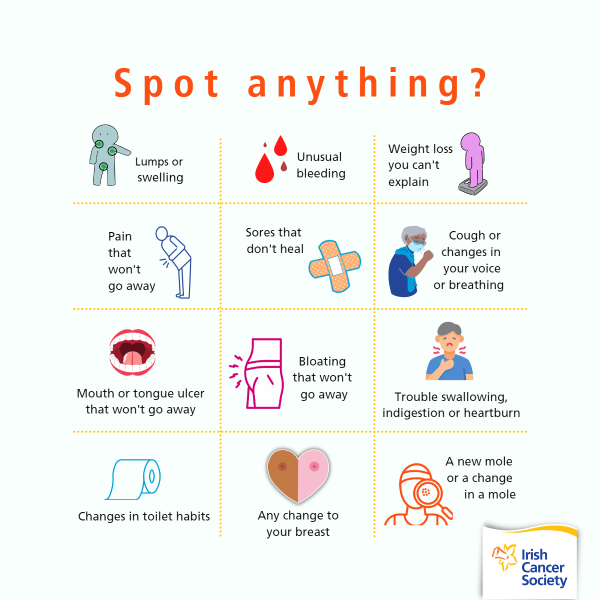
The presence of a lump or mass in the anal area can be a sign of anal cancer. This may be felt as a localized swelling or a protrusion near the anus. If you notice any abnormal lumps or masses in the anal area, it is crucial to seek medical advice for proper evaluation and diagnosis.
Risk Factors for Anal Cancer
Infection with human papillomavirus (HPV)
Infection with human papillomavirus (HPV) is a significant risk factor for the development of anal cancer. Certain strains of HPV, particularly HPV 16 and 18, are known to be associated with a higher risk of anal cancer. It is important to practice safe sexual practices and consider HPV vaccination to reduce the risk of HPV infection and subsequent development of anal cancer.
History of anal or genital warts
People with a history of anal or genital warts are at an increased risk of developing anal cancer. These warts are often caused by the human papillomavirus (HPV), which can potentially lead to the development of cancerous cells in the anal region. Regular screening and close monitoring of individuals with a history of anal or genital warts is important to detect and manage any potential development of anal cancer.
Smoking
Smoking is a known risk factor for various types of cancers, including anal cancer. The harmful chemicals present in tobacco smoke can increase the risk of malignant transformation in the cells of the anus. Quitting smoking is not only beneficial for overall health but also helps reduce the risk of developing anal cancer.
Weakened immune system
Individuals with a weakened immune system, such as those with HIV/AIDS or those who have undergone organ transplantation, are at a higher risk of developing anal cancer. Immune suppression can impair the body’s ability to effectively fight off abnormal cell growth and increases susceptibility to various types of cancer, including anal cancer. It is important for individuals with weakened immune systems to receive regular medical care and screenings to detect and manage any potential cancers at an early stage.
Age over 50
Advancing age is also a risk factor for the development of anal cancer. The risk increases significantly after the age of 50. It is important for individuals over 50 years old to stay vigilant about their health, undergo regular screenings, and be aware of any changes or symptoms that may indicate the presence of anal cancer.
Diagnostic Tests for Anal Cancer
Physical examination
A physical examination is often the first step in evaluating anal cancer. The healthcare professional will perform a thorough examination of the anus and surrounding area to look for any abnormal lumps, masses, or other signs of cancer. They may also check lymph nodes in the groin and perform a digital rectal examination to assess the rectum for any abnormalities.
Anoscopy
Anoscopy is a procedure that allows for a visual examination of the anus and lower rectum. It involves inserting a small, lighted tube called an anoscope into the anus to get a closer look at the anal canal and rectum. This procedure can help detect any abnormalities or signs of anal cancer.
Biopsy
A biopsy is the definitive diagnostic test for anal cancer. During a biopsy, a small sample of tissue is taken from the anal area and sent to a laboratory for analysis. The pathologist will examine the tissue under a microscope to look for cancer cells. This procedure provides a definitive diagnosis and helps determine the stage and grade of the cancer.
Full blood count
A full blood count (CBC) is a blood test that provides information about the number and types of blood cells in the body. It can help assess the overall health of an individual and detect any abnormalities that may be associated with anal cancer, such as anemia or infections.
Imaging tests
Imaging tests, such as CT scans, MRI scans, or PET scans, may be ordered to determine the extent of the cancer and its spread to other parts of the body. These tests help in staging the cancer and aid in treatment planning.
Preventive Measures for Anal Cancer
Safe sexual practices
Practicing safe sexual practices, such as using condoms and limiting the number of sexual partners, can help reduce the risk of contracting human papillomavirus (HPV), which is a major risk factor for anal cancer. It is important to have open and honest conversations with sexual partners about sexual health and to consider regular screenings for sexually transmitted infections.
Vaccination against HPV
Vaccination against HPV is an effective preventive measure for anal cancer. HPV vaccines are recommended for both males and females to protect against several strains of HPV that can lead to the development of anal cancer and other HPV-related diseases. It is important to follow the recommended vaccination schedule and discuss HPV vaccination with a healthcare professional.
Avoiding tobacco use
Smoking is a risk factor not only for anal cancer, but also for various other types of cancers. Quitting smoking or avoiding tobacco use altogether is a crucial step in reducing the risk of developing anal cancer. It is never too late to quit smoking and seek support from healthcare professionals or support groups if needed.
Maintaining a healthy lifestyle
Maintaining a healthy lifestyle can contribute to overall well-being and reduce the risk of various types of cancers, including anal cancer. This includes eating a balanced diet rich in fruits and vegetables, engaging in regular physical activity, managing stress, getting enough sleep, and limiting alcohol consumption. Adopting these healthy habits can help enhance the body’s immune system and reduce the risk of developing diseases, including anal cancer.
Regular screening
Regular screening is essential for early detection and prevention of anal cancer. It is recommended to discuss screening options with a healthcare professional, especially if you have risk factors such as HPV infection, a history of anal or genital warts, or a weakened immune system. Screening may involve various tests, such as anal Pap smears, HPV testing, or anoscopy, depending on individual risk factors and medical history.
Treatment Options for Anal Cancer
Surgery
Surgery is a common treatment option for anal cancer. The type of surgery may vary depending on the stage and location of the cancer. Surgical procedures may include local excision, wide local excision, abdominoperineal resection, or in some cases, removal of nearby lymph nodes. The goal of surgery is to remove the cancerous tissues and, if necessary, nearby lymph nodes to prevent the spread of the disease.
Radiation therapy
Radiation therapy uses high-energy radiation to kill cancer cells or prevent them from growing. It is a common treatment modality for anal cancer, either used alone or in combination with other treatment options. External beam radiation therapy and brachytherapy are the two main types of radiation therapy used to treat anal cancer. The choice of radiation therapy depends on various factors, including the stage and size of the tumor.
Chemotherapy
Chemotherapy involves the use of powerful drugs to kill cancer cells or prevent their growth. It is often used in combination with radiation therapy to enhance the effectiveness of treatment or in cases where surgery is not an option. Chemotherapy regimens for anal cancer may consist of single or multiple drugs, and the choice of chemotherapy depends on the individual case and patient’s overall health.
Targeted therapy
Targeted therapy is a type of treatment that uses drugs to specifically target cancer cells while minimizing damage to normal cells. It works by interfering with specific proteins or pathways involved in cancer growth and progression. Targeted therapies may be used in combination with other treatment modalities or as a standalone treatment option for anal cancer, depending on the specific characteristics of the tumor.
Immunotherapy
Immunotherapy is a promising treatment option for certain types of cancers, including anal cancer. It involves using drugs that stimulate the body’s immune system to recognize and attack cancer cells. Immunotherapy may be used in advanced or metastatic cases of anal cancer or as part of clinical trials. It is important to discuss the potential benefits and risks of immunotherapy with a healthcare professional.
Supportive Care for Anal Cancer Patients
Pain management
Pain management is an integral part of the overall care for anal cancer patients. This may involve the use of medications, such as nonsteroidal anti-inflammatory drugs (NSAIDs) or opioids, to alleviate pain and improve quality of life. Additionally, complementary therapies, like acupuncture or relaxation techniques, may be used to help manage pain and improve overall well-being.
Nutrition and dietary support
Maintaining proper nutrition is essential for anal cancer patients to support their overall health and aid in recovery. A dietitian or healthcare professional can provide guidance on a well-balanced diet that meets the individual’s nutritional needs. Nutritional supplements may also be recommended if there are difficulties with eating or if there are specific nutrient deficiencies.
Psychological support
A cancer diagnosis can be emotionally challenging, and anal cancer patients may experience a range of emotions, including anxiety, fear, or depression. Psychological support, such as counseling, therapy, or support groups, can help patients address their emotional needs and provide support throughout their cancer journey. It is important to seek out support from healthcare professionals or mental health experts who specialize in cancer-related emotional support.
Physical therapy
Physical therapy can play a vital role in the supportive care of anal cancer patients. It focuses on improving strength, mobility, and function, which can be affected by the cancer or its treatment. Physical therapists can develop personalized exercise programs, provide pain management techniques, and offer guidance on managing physical challenges related to anal cancer.
Support groups
Joining support groups can be beneficial for anal cancer patients as they provide an opportunity to connect with others who are going through similar experiences. Support groups offer a safe space to share feelings, experiences, and tips for coping with the challenges of anal cancer. They can provide emotional support and help patients feel less alone throughout their cancer journey.
Prognosis and Survival Rates for Anal Cancer
Stage of cancer
The stage of cancer at the time of diagnosis is an important determining factor in the prognosis and survival rates for anal cancer. Early-stage cancers that are localized to the anus have a higher likelihood of successful treatment and better overall prognosis compared to advanced-stage cancers that have spread to nearby lymph nodes or distant organs.
Extent of spread
The extent of cancer spread, including its involvement in nearby lymph nodes or distant organs, significantly affects the prognosis and survival rates for anal cancer. Cancers that have spread beyond the anus are more difficult to treat and often have a poorer prognosis.
Response to treatment
The response to treatment, including surgery, radiation therapy, chemotherapy, or targeted therapy, can impact the prognosis and survival rates for anal cancer. A positive response to treatment, with complete or partial shrinkage of the tumor, generally indicates a better prognosis.
Overall health of the patient
The overall health of the patient plays a crucial role in determining the prognosis and survival rates for anal cancer. People with a good general health condition, including a well-functioning immune system, are generally better able to tolerate treatment and have higher chances of recovery.
Presence of underlying conditions
The presence of underlying conditions, such as HIV/AIDS or other chronic diseases, may affect the prognosis and survival rates for anal cancer. These conditions can impact the body’s ability to fight off cancer and respond to treatment. Adequate management of underlying conditions is crucial for improving overall outcomes for anal cancer patients.
Comparing Anal Cancer to Other Anal Conditions
Hemorrhoids
Hemorrhoids are swollen blood vessels in the anal canal that can be caused by various factors, including constipation, straining during bowel movements, or prolonged sitting. While hemorrhoids can cause discomfort and bleeding, they are generally not associated with the development of cancer like anal cancer. A healthcare professional can evaluate the symptoms and provide appropriate treatment options for hemorrhoids.
Anal fissures
Anal fissures are small tears or cracks in the lining of the anus that can be caused by constipation, straining during bowel movements, or trauma. They often cause pain, itching, and bleeding. Anal fissures differ from anal cancer in that they are not cancerous and can typically be treated with conservative measures, such as over-the-counter creams, sitz baths, or dietary changes.
Perianal abscess
Perianal abscesses are painful and localized collections of pus that develop in the tissue surrounding the anus. They are usually caused by an infection and require prompt medical attention. Although perianal abscesses can cause discomfort and pain similar to anal cancer, they are not cancerous and can be treated with drainage and antibiotics.
Anal warts
Anal warts, also known as condyloma acuminata, are caused by certain strains of the human papillomavirus (HPV). These warts appear as small, flesh-colored growths around the anus and are not cancerous. However, the presence of anal warts indicates an increased risk of developing anal cancer. It is important to seek medical evaluation and treatment for anal warts to prevent potential complications.
Inflammatory bowel disease
Inflammatory bowel disease (IBD), including Crohn’s disease and ulcerative colitis, can affect the entire digestive tract, including the anus. These conditions cause chronic inflammation and can lead to symptoms such as diarrhea, abdominal pain, and rectal bleeding. While IBD increases the risk of developing certain types of cancers, including anal cancer, it is a distinct condition that requires ongoing management and specific treatment approaches.
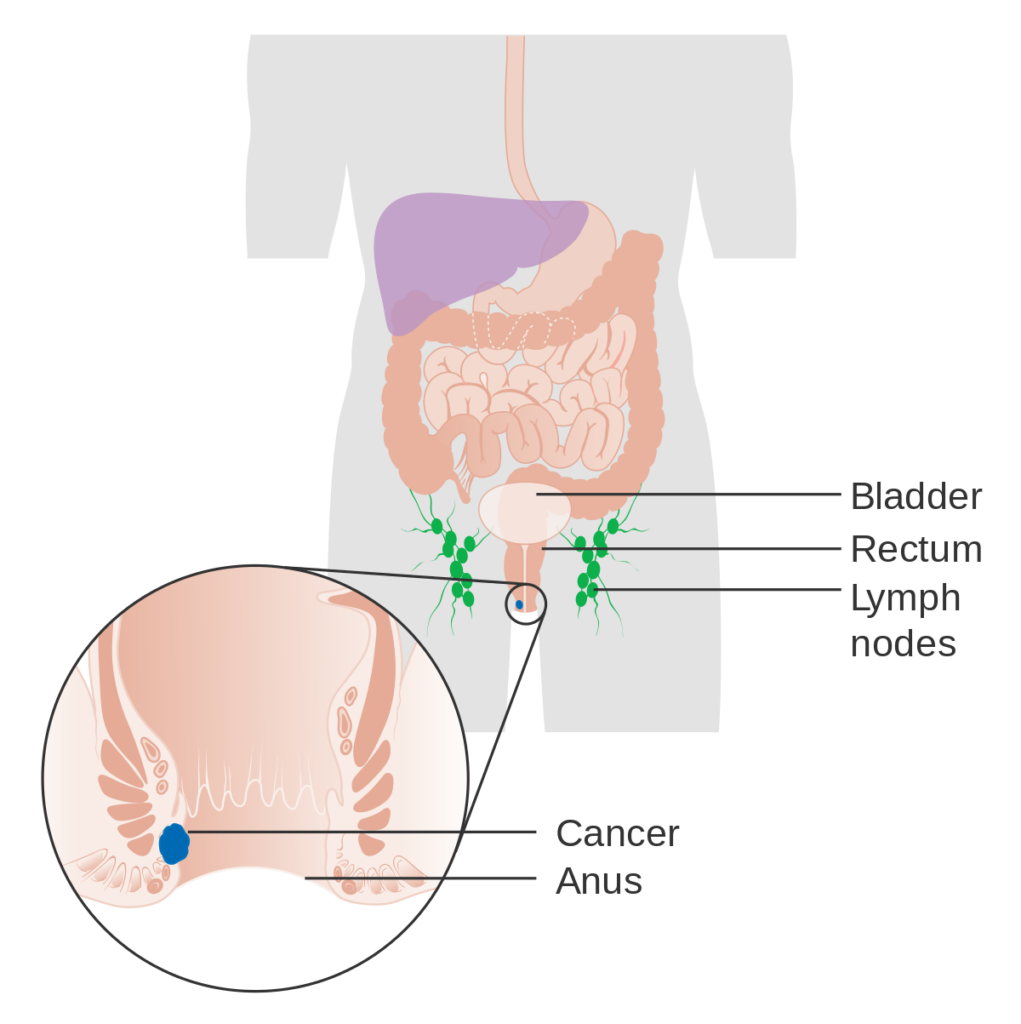
Importance of Early Detection
Higher success rates with treatment
Early detection of anal cancer leads to higher success rates with treatment. When anal cancer is caught in its early stages, it is often more localized and easier to treat. Treatment options such as surgery, radiation therapy, and chemotherapy have a higher likelihood of effectively eliminating the cancer and achieving better long-term outcomes.
Reduced risk of metastasis
Early detection of anal cancer reduces the risk of metastasis, which is the spread of cancer to other parts of the body. When the cancer is detected early, it is more likely to be confined to the anus and nearby lymph nodes. Prompt treatment can help prevent the spread of cancer cells to distant organs, which can significantly impact the prognosis and treatment options.
Improved quality of life
Early detection of anal cancer allows for early intervention and management of symptoms, which can greatly improve the quality of life for patients. By identifying the cancer in its early stages, healthcare professionals can provide appropriate pain management, psychological support, and other supportive care measures to address the physical and emotional needs of patients.
More treatment options
Early detection of anal cancer provides more treatment options. When the cancer is detected at an early stage, it is possible to explore a wider range of treatment modalities, such as surgery, radiation therapy, chemotherapy, targeted therapy, or immunotherapy. The earlier the cancer is detected, the more treatment options are available to tailor a personalized treatment plan suited to the individual’s needs.
Conclusion
In conclusion, being aware of the symptoms and risk factors associated with anal cancer is crucial for early detection and intervention. Bleeding from the rectum, pain or discomfort in the anal area, changes in bowel habits, anal itching or irritation, and the presence of a lump or mass in the anal area are key symptoms that should prompt a medical evaluation. Risk factors such as infection with human papillomavirus (HPV), a history of anal or genital warts, smoking, a weakened immune system, and age over 50 should also be taken into consideration.
Regular screenings, practicing safe sexual practices, vaccination against HPV, avoiding tobacco use, and maintaining a healthy lifestyle are important preventive measures for anal cancer. If diagnosed, treatment options including surgery, radiation therapy, chemotherapy, targeted therapy, and immunotherapy can be pursued depending on the stage and extent of spread of the cancer. Supportive care, including pain management, nutrition and dietary support, psychological support, physical therapy, and support groups, plays a significant role in improving the quality of life for anal cancer patients.
Early detection is crucial as it leads to higher treatment success rates, reduces the risk of metastasis, improves quality of life, and provides more treatment options. It is important to be aware of the differences between anal cancer and other anal conditions such as hemorrhoids, anal fissures, perianal abscesses, anal warts, and inflammatory bowel disease. Regular screenings and prompt medical attention can make a significant difference in the prognosis and outcomes for individuals affected by anal cancer.