In this article, we will explore various treatment options for individuals struggling with a challenging eating disorder called Anorexia Nervosa. From therapy and counseling to medical interventions, there are a range of approaches that can help individuals on their path towards recovery. By understanding and addressing the underlying causes of this disorder, along with providing personalized care and support, there is hope for those affected by Anorexia Nervosa to find healing and regain a healthy relationship with food and their bodies.
Inpatient Treatment
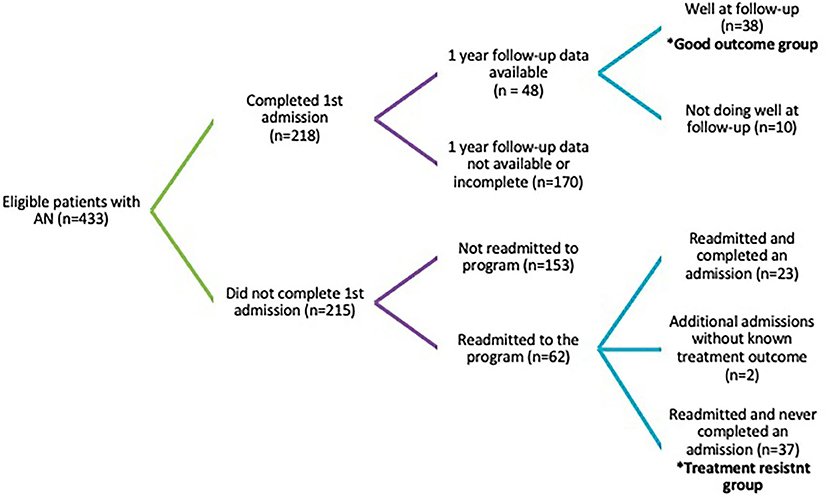
Inpatient treatment for anorexia nervosa is a comprehensive and intensive program designed to address the immediate needs of individuals with this eating disorder. The main goal of inpatient treatment is to provide medical stabilization, nutritional rehabilitation, psychotherapy, and medications to help individuals overcome the physical and psychological challenges associated with anorexia nervosa.
Medical Stabilization
One of the first steps in inpatient treatment for anorexia nervosa is medical stabilization. This involves closely monitoring the individual’s physical health, including vital signs, electrolyte levels, and organ function. Medical professionals will work to address any medical complications that may have arisen from the severe calorie restriction and weight loss commonly associated with anorexia nervosa. The ultimate aim is to stabilize the individual’s physical health and ensure their safety.
Nutritional Rehabilitation
Inpatient treatment also focuses on nutritional rehabilitation, as individuals with anorexia nervosa often have severely disrupted eating patterns and malnourishment. Nutritional rehabilitation involves working with a team of healthcare professionals to help individuals regain a healthy relationship with food. This may include meal planning, regular and structured meal times, and education about proper nutrition. The goal is to restore the individual’s weight and establish healthy eating habits.
Psychotherapy
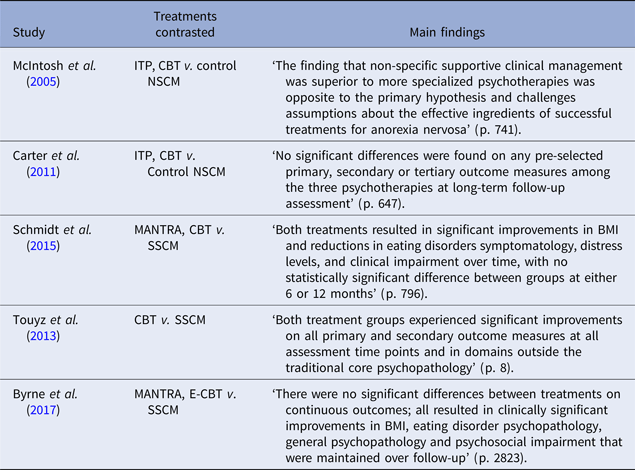
Psychotherapy is a vital component of inpatient treatment for anorexia nervosa. Various therapeutic approaches may be used to help individuals address the underlying psychological and emotional factors contributing to their eating disorder. Cognitive-behavioral therapy (CBT), Maudsley family-based therapy, interpersonal psychotherapy, and acceptance and commitment therapy are some commonly used therapeutic modalities. These therapies aim to identify and challenge negative thoughts and behaviors, improve body image, enhance self-esteem, and develop healthy coping mechanisms.
Medications
In some cases, medications may be prescribed as part of the inpatient treatment for anorexia nervosa. Selective serotonin reuptake inhibitors (SSRIs) are commonly used to treat co-occurring depression and anxiety disorders, which are often associated with anorexia nervosa. Atypical antipsychotics and mood stabilizers may also be considered to address any symptoms of psychosis or mood disturbances that may be present. Medication management is an important aspect of inpatient treatment, and psychiatric professionals will closely monitor individuals for any potential side effects or changes in medication effectiveness.
Outpatient Treatment
Outpatient treatment for anorexia nervosa is a less intensive option that allows individuals to receive the necessary support while maintaining some level of independence. Outpatient treatment typically involves regular appointments with healthcare professionals and participation in therapy sessions. The goal of outpatient treatment is to provide ongoing care and support as individuals transition from inpatient treatment or as a standalone treatment option for individuals with milder symptoms.
Psychotherapy
Psychotherapy continues to be a primary focus in outpatient treatment for anorexia nervosa. Individual therapy sessions allow individuals to work closely with a therapist to address the underlying issues contributing to their eating disorder. The specific therapeutic approach may vary depending on the individual’s needs and preferences, but cognitive-behavioral therapy (CBT) and other evidence-based therapies are commonly utilized. Psychotherapy in an outpatient setting provides individuals with ongoing support and guidance as they continue their recovery journey.
Nutritional Counseling
Nutritional counseling plays a crucial role in outpatient treatment for anorexia nervosa. Registered dietitians and nutritionists work closely with individuals to establish healthy eating habits, develop meal plans, and address any concerns or challenges related to nutrition. Nutritional counseling provides education and support to help individuals maintain a balanced and nutritious diet, promoting both physical and mental well-being.
Family Therapy
Family therapy is often incorporated into outpatient treatment for anorexia nervosa, recognizing the significant impact of family dynamics on an individual’s eating disorder. This therapeutic approach involves the participation of family members in therapy sessions to improve communication, address dysfunctional patterns, and foster a supportive environment. Family therapy allows for the collective healing and growth of the entire family unit, helping to create a strong support system for the individual with anorexia nervosa.
Medications
Similar to inpatient treatment, medications may be prescribed as part of the outpatient treatment for anorexia nervosa. The use of medications is determined on an individual basis and depends on any co-occurring mental health conditions, such as depression or anxiety. Medications can be an important adjunctive treatment to psychotherapy, helping to manage the symptoms associated with these co-occurring conditions and supporting overall well-being.
Psychotherapy
Psychotherapy is a fundamental component of the treatment for anorexia nervosa, regardless of whether it is provided in an inpatient or outpatient setting. Several evidence-based therapeutic approaches have shown effectiveness in addressing the complex psychological aspects of this eating disorder.
Cognitive-Behavioral Therapy (CBT)
Cognitive-behavioral therapy (CBT) is a widely used and highly effective therapeutic approach for anorexia nervosa. CBT focuses on identifying and challenging maladaptive thoughts and behaviors related to body image, food, and weight. Through CBT, individuals learn to recognize and modify distorted thoughts and develop healthier coping strategies. CBT also emphasizes the importance of establishing a healthy and balanced relationship with food.
Maudsley Family-Based Therapy
Maudsley family-based therapy is a specialized therapeutic approach for adolescents with anorexia nervosa. This therapy places a strong emphasis on family involvement, recognizing the crucial role that families can play in the recovery process. Maudsley family-based therapy involves three phases: refeeding, shifting control back to the adolescent, and establishing healthy adolescent autonomy. With the support and guidance of therapists, families work together to restore the adolescent’s health and empower them to take control of their own recovery.
Interpersonal Psychotherapy
Interpersonal psychotherapy (IPT) focuses on helping individuals with anorexia nervosa improve their interpersonal relationships and address related emotional issues. IPT aims to identify and address the underlying interpersonal difficulties that contribute to the development and maintenance of the eating disorder. This therapeutic approach helps individuals develop healthier ways of relating to others, enhancing their social support and sense of connection.
Acceptance and Commitment Therapy (ACT)
Acceptance and commitment therapy (ACT) is a mindfulness-based therapeutic approach that helps individuals develop psychological flexibility and engage in values-based actions. ACT encourages individuals to accept their thoughts and emotions without judgment, while also committing to making positive changes in their lives. This therapy helps individuals build resilience and develop a more compassionate and accepting relationship with themselves.
Nutritional Rehabilitation
Nutritional rehabilitation is a critical aspect of the treatment for anorexia nervosa, focusing on restoring a healthy relationship with food and promoting physical well-being.
Medical Monitoring
During the nutritional rehabilitation phase of treatment, medical professionals closely monitor the individual’s physical health and ensure they are progressing safely. Regular medical check-ups and assessments help identify any nutritional deficiencies or health concerns that need to be addressed. Medical monitoring plays a crucial role in guiding the individual’s recovery and ensuring their overall well-being.
Nutritional Education
Nutritional education is an essential component of the treatment for anorexia nervosa. Individuals learn about proper nutrition, food groups, portion sizes, and the importance of a balanced and varied diet. Nutritional education helps individuals develop a healthier relationship with food and provides them with the knowledge and tools to make informed choices about their nutrition.
Restoring Weight
Restoring and maintaining a healthy weight is a primary goal of nutritional rehabilitation. This is typically achieved through a combination of regular and structured meals, caloric intake monitoring, and gradual weight gain under the guidance of healthcare professionals. The restoration of weight allows the individual’s body to heal, improves physical health, and supports overall recovery.
Meal Planning
Meal planning is an integral part of nutritional rehabilitation, as it helps individuals establish a structured and balanced approach to eating. Working with registered dietitians, individuals learn how to plan and prepare meals that meet their nutritional needs while also addressing their personal preferences and goals. Meal planning provides individuals with a sense of control and confidence in their ability to make healthy food choices.
Medications
Medication may be prescribed as a part of the treatment for anorexia nervosa, primarily to target co-occurring mental health conditions or symptoms.
Selective Serotonin Reuptake Inhibitors (SSRIs)
Selective serotonin reuptake inhibitors (SSRIs) are commonly used to treat depression and anxiety, which often co-occur with anorexia nervosa. These medications work by increasing the availability of serotonin in the brain, helping to regulate mood and reduce symptoms of depression and anxiety. SSRIs can support individuals in managing the emotional challenges that may arise during the recovery process.
Atypical Antipsychotics
In some cases, atypical antipsychotic medications may be prescribed to address symptoms such as delusions, paranoia, or distorted thinking patterns that can occur in severe cases of anorexia nervosa. These medications help regulate brain neurotransmitters, reducing symptoms of psychosis and promoting overall stability.
Mood Stabilizers
Mood stabilizers may be considered for individuals who experience mood swings, irritability, or other mood disturbances. These medications help regulate mood and can be beneficial in stabilizing emotions during the recovery process.
Hospitalization
Hospitalization is a treatment option for individuals with severe anorexia nervosa who require intensive and round-the-clock care to address their physical and psychological needs.
Medical Stabilization
Hospitalization often begins with medical stabilization, focusing on restoring and maintaining the individual’s physical health. This may include addressing medical complications, reestablishing normal organ function, and stabilizing vital signs. Hospitalization ensures that the individual is monitored closely and receives immediate medical attention as needed.
Nutritional Support
In addition to medical stabilization, hospitalization provides intensive nutritional support. This may involve tube feeding or intravenous supplementation to ensure the individual receives the necessary nutrients and calories for optimal health. Nutritional support is crucial in restoring weight and addressing malnourishment.
Psychoeducation
During hospitalization, individuals and their families receive psychoeducation about anorexia nervosa, its consequences, and the recovery process. This education helps individuals understand the physical and psychological aspects of their eating disorder, equipping them with the knowledge to make informed decisions about their recovery and long-term well-being.
Transition to Outpatient Care
Hospitalization serves as a crucial bridge to outpatient care. The interdisciplinary treatment team works closely with the individual and their family to develop a comprehensive aftercare plan, ensuring a smooth transition as the individual continues their recovery journey in a less intensive setting. Continued support, therapy, and monitoring are essential to maintain progress and prevent relapse.

Partial Hospitalization Program (PHP)
Partial hospitalization programs (PHP) offer a step-down level of care for individuals who no longer require 24/7 hospitalization but still need intensive treatment and support.
Intensive Therapy
Partial hospitalization programs provide individuals with intensive therapy sessions, typically five or more days per week. This level of therapy allows individuals to delve deeper into the underlying causes of their eating disorder, develop healthy coping mechanisms, and work towards sustainable recovery. Individual, group, and family therapy are often incorporated into the program.
Structured Meal Support
Structured meal support is a crucial aspect of partial hospitalization programs. During mealtimes, individuals receive guidance and support from healthcare professionals to ensure they are practicing healthy eating habits and challenging any disordered thoughts or behaviors related to food. Structured meal support provides a safe and supportive environment to practice and reinforce healthy eating behaviors.
Medical Monitoring
Partial hospitalization programs include regular medical monitoring to ensure that individuals’ physical health remains stable and to address any ongoing medical concerns. Medical professionals closely monitor weight, vital signs, and overall health to track progress and make any necessary adjustments to the treatment plan.
Transition to Outpatient Care
Partial hospitalization programs aim to prepare individuals for a successful transition to outpatient care. The treatment team works closely with the individual and their family to develop an aftercare plan that includes continued therapy, support, and monitoring. This collaborative approach ensures that individuals have the necessary support systems in place as they continue their recovery in a less intensive setting.
Intensive Outpatient Program (IOP)
Intensive outpatient programs (IOP) provide a less intensive level of care than inpatient or partial hospitalization programs while still offering comprehensive treatment and support.
Therapy Sessions
Intensive outpatient programs typically offer multiple therapy sessions per week, allowing individuals to continue addressing the underlying emotional and psychological factors contributing to their eating disorder. These therapy sessions may be conducted on an individual, group, or family basis, depending on the specific program and individual needs.
Meal Planning
Meal planning is an essential aspect of intensive outpatient programs. Individuals work with healthcare professionals to develop personalized meal plans that meet their nutritional needs, support their recovery goals, and promote a balanced and healthy relationship with food. Meal planning helps individuals establish consistency and structure in their eating habits outside of treatment.
Group Support
Group support is a vital component of intensive outpatient programs. Participating in group therapy sessions allows individuals to connect with others who are facing similar challenges, share experiences, and provide mutual support. Group therapy can also provide valuable opportunities for learning and practicing healthy coping skills, communication techniques, and self-compassion.
Continued Medical Monitoring
Intensive outpatient programs include regular medical monitoring to ensure individuals’ physical health remains stable. Medical professionals assess weight, vital signs, and overall health to track progress and address any ongoing medical concerns. Continued medical monitoring helps individuals maintain their recovery and promptly address any potential health complications.

Support Groups
Support groups are a valuable resource for individuals with anorexia nervosa, providing a safe and supportive environment to connect with others who are going through similar experiences.
Overeaters Anonymous (OA)
Overeaters Anonymous (OA) is a fellowship of individuals who share their experience, strength, and hope in order to recover from compulsive overeating. While the focus of OA is not specifically on anorexia nervosa, many individuals with anorexia nervosa find support and understanding within this community.
Eating Disorders Anonymous (EDA)
Eating Disorders Anonymous (EDA) is a 12-step program for individuals with eating disorders, including anorexia nervosa. EDA offers a supportive community and resources for individuals seeking recovery from all types of eating disorders. This program emphasizes the importance of spiritual, emotional, and physical recovery.
Anorexics and Bulimics Anonymous (ABA)
Anorexics and Bulimics Anonymous (ABA) is a program that offers support specifically for individuals with anorexia nervosa and bulimia nervosa. ABA follows a 12-step approach and provides meetings, literature, and resources to help individuals navigate the challenges of recovery from these eating disorders.
Alternative Therapies
In addition to traditional treatment approaches, alternative therapies can complement the comprehensive care available for individuals with anorexia nervosa.
Art Therapy
Art therapy allows individuals to express and explore their emotions, thoughts, and experiences through various art forms. Engaging in art therapy can provide individuals with an alternative means of communication and self-expression, facilitating the exploration and processing of difficult emotions and experiences related to their eating disorder.
Yoga and Meditation
Yoga and meditation can help individuals with anorexia nervosa develop a positive mind-body connection and reduce stress and anxiety. These practices promote mindfulness, self-awareness, and self-compassion, offering individuals tools to manage their emotions and build resiliency during the recovery process.
Animal-Assisted Therapy
Animal-assisted therapy involves interactions with trained animals, such as dogs or horses, to support individuals in their healing journey. Animals provide unconditional love and non-judgmental companionship, promoting feelings of comfort and safety. Animal-assisted therapy can help individuals build trust, improve emotional regulation skills, and enhance overall well-being.
Expressive Writing
Expressive writing, often referred to as therapeutic writing, involves the practice of journaling or writing about one’s thoughts, feelings, and experiences. This form of writing can serve as a powerful tool for self-reflection, introspection, and emotional processing. Expressive writing allows individuals to explore their relationship with their eating disorder, gain insight into their thoughts and emotions, and foster personal growth and healing.
In conclusion, the treatment options for anorexia nervosa are multifaceted and comprehensive, tailored to meet the unique needs of each individual. Inpatient treatment, outpatient treatment, psychotherapy, nutritional rehabilitation, medications, and support groups all play crucial roles in supporting individuals along their recovery journey. By addressing the physical and psychological aspects of this eating disorder, individuals can find healing, regain a healthy relationship with food, and improve their overall well-being.