In this thought-provoking article, we explore the profound psychological effects of anorexia, offering a deep dive into the intricate workings of the mind. With empathy and understanding, we shed light on the challenges faced by individuals battling this eating disorder, revealing the complex interplay between body image, self-esteem, and societal pressures. By delving into the innermost thoughts and emotions, we aim to foster compassion and awareness, highlighting the importance of early intervention and support for those affected by anorexia.
Overview of Anorexia
What is Anorexia?
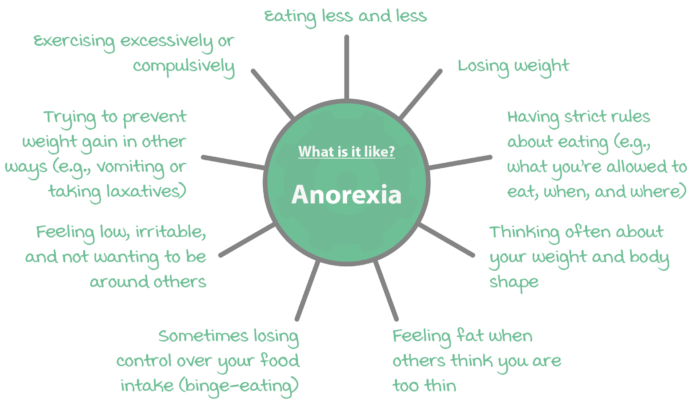
Anorexia, also known as Anorexia nervosa, is a complex and serious eating disorder that affects both the mind and body. It is characterized by an intense fear of gaining weight or becoming fat, leading to extreme dietary restrictions and severe weight loss. People with anorexia often have a distorted body image and strive for a unrealistic thinness, despite being significantly underweight.
Prevalence and demographics
Anorexia predominantly affects young people, particularly adolescent girls and young women. However, it can also occur in males and individuals of all ages. According to research, approximately 1% of females and 0.3% of males will experience anorexia at some point in their lives. It is important to note that these statistics might be underestimations, as many cases go undiagnosed or unreported.
Causes of Anorexia
Genetic factors
There is evidence to suggest that genetics plays a role in the development of anorexia. Studies have shown that individuals with a family history of the disorder have a higher risk of developing it themselves. Certain genetic variations may also influence the way the brain regulates appetite, body weight, and mood, making individuals more susceptible to anorexia.
Psychological factors
Anorexia is closely tied to psychological factors, such as low self-esteem, perfectionism, and poor body image. Individuals with anorexia often have a distorted perception of their own bodies, believing that they are much larger than they actually are. These psychological factors, along with the desire for control and a fear of gaining weight, contribute to the development and maintenance of the disorder.
Sociocultural factors
The sociocultural environment can also impact the development of anorexia. Societal pressures, including the emphasis on thinness as a beauty ideal, can influence individuals to pursue extreme weight loss behaviors. Media portrayals of idealized and thin bodies can reinforce the belief that being thin equates to being attractive and successful. Cultural norms and peer influences also play a role in the development of disordered eating behaviors.
Family dynamics
Family dynamics can contribute to the development of anorexia. Chaotic or high-stress family environments, overprotective parenting, and a preoccupation with appearance and weight within the family can increase the risk of developing the disorder. Additionally, past trauma or a history of abuse can also contribute to the development of anorexia as a coping mechanism.
Signs and Symptoms of Anorexia
Physical symptoms
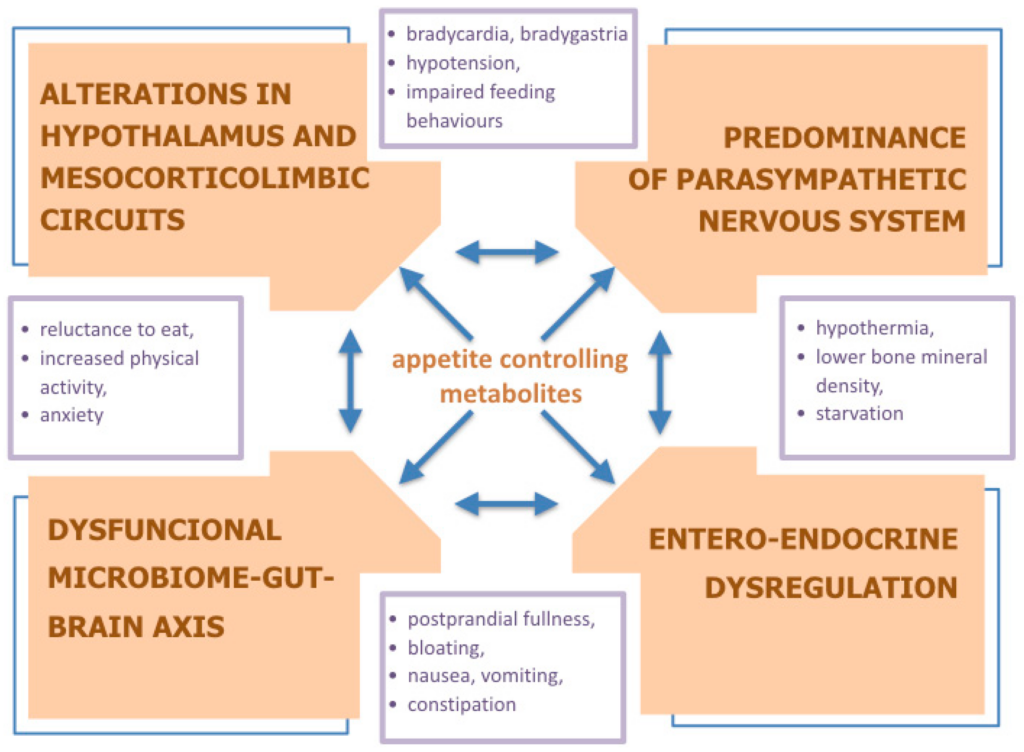
There are numerous physical symptoms associated with anorexia. These may include significant weight loss, thinning hair, dry and brittle nails, and a thin or emaciated appearance. Other physical symptoms can include fatigue, dizziness, low blood pressure, irregular heart rate, and gastrointestinal problems such as constipation or bloating. Anorexia can also lead to disruptions in the hormonal balance and the cessation of menstrual periods in females.
Behavioral symptoms
In addition to physical symptoms, there are also behavioral symptoms that may indicate the presence of anorexia. These can include obsessive calorie counting, strict food restrictions, avoidance of social situations involving food, excessive exercise, and rituals surrounding food preparation and consumption. Individuals with anorexia may also exhibit secretive behavior, such as hiding food or going to the bathroom immediately after meals to purge.
Psychological symptoms
Anorexia not only affects the body but also takes a toll on the mind. Individuals with anorexia often experience intense fear or anxiety around food and weight gain. They may have a distorted body image, perceiving themselves as much larger than they actually are. Feelings of guilt, worthlessness, and a relentless pursuit of perfectionism are also common among those with anorexia, further fueling the disorder.
Body Image Distortion in Anorexia
Perception of body image
One of the defining features of anorexia is a distorted perception of one’s own body. People with anorexia may look at themselves in the mirror and perceive themselves as overweight, even when they are dangerously underweight. This distorted perception creates a vicious cycle of rigid dietary restrictions and extreme weight loss attempts in an effort to achieve the perceived “ideal” body image.
Idealized body image
Idealized body image, often influenced by societal standards, becomes a driving force for individuals with anorexia. They strive for an unrealistic thinness and may idolize excessively thin models or celebrities as the epitome of beauty and success. This idealized body image becomes an unattainable goal, leading to a relentless pursuit of weight loss and self-destruction.
Impact on self-esteem
The distorted body image in anorexia is closely intertwined with self-esteem. As individuals with anorexia believe that their self-worth is directly linked to their weight and appearance, they often experience low self-esteem and diminished self-worth. The constant pursuit of thinness may temporarily boost their self-esteem, but it is often short-lived, resulting in a cycle of self-criticism and dissatisfaction.
Relationship between Anorexia and Perfectionism
Link to perfectionism
Perfectionism is a common trait among individuals with anorexia. They set unrealistically high standards for themselves in various aspects of life, including academics, career, relationships, and, most notably, their body and weight. This relentless pursuit of perfection fuels the desire for control over one’s body and the need to achieve an idealized appearance.
Fear of failure
Anorexia and perfectionism go hand in hand, as individuals with the disorder fear failure and believe that achieving perfection in their bodies will validate their worth. They often hold themselves to impossibly high standards, setting rigid rules around food and exercise. This fear of failure can lead to obsessive behaviors and extreme self-criticism when these high standards are not met.
Need for control
Anorexia provides a sense of control for individuals who may feel overwhelmed or powerless in other areas of their lives. By rigidly controlling their food intake and body weight, individuals with anorexia gain a false sense of control and a temporary relief from underlying emotional distress. However, this desire for control can quickly spiral out of control and lead to severe physical and psychological consequences.
Self-Evaluation and Anorexia
Unrealistic self-assessment
Individuals with anorexia often have an unrealistic self-assessment, believing they are much larger than they truly are. This distorted perception can be fueled by the constant comparison to the societal ideal of thinness. Despite being significantly underweight, they may continue to see themselves as overweight and engage in harmful behaviors to further restrict their food intake.
Extreme self-criticism
Anorexia is characterized by extreme self-criticism, with individuals constantly judging and berating themselves for any perceived flaws. They may view themselves as failures, believing they are not thin enough or disciplined enough in their weight loss efforts. This self-critical mindset perpetuates feelings of worthlessness and further fuels the disorder.
Distorted self-worth
Anorexia often leads to a distorted sense of self-worth, with individuals equating their value as a person to their weight and appearance. They believe that only by achieving a certain weight or body shape can they be accepted or deemed worthy of love and admiration. This distorted self-worth contributes to the perpetuation of disordered eating behaviors and the difficulty in seeking help.
Obsessive Thoughts and Rituals in Anorexia
Obsession with food
Anorexia is characterized by an obsessive preoccupation with food. Thoughts about food, calories, and weight consume the individual’s mind, often leaving little room for other thoughts or interests. This obsession can manifest as constantly reading food labels, meticulously planning meals, or spending excessive amounts of time researching recipes and nutrition information.
Rituals around eating
Rituals surrounding food and eating are common in anorexia. Individuals may adopt strict eating patterns, such as eating specific foods in specific orders or cutting food into small pieces. They may also have elaborate rituals around meal preparation and consumption, such as arranging food in certain patterns or weighing each morsel before eating. These rituals provide a false sense of control and structure in their lives, but they also reinforce the disordered eating patterns.
Intrusive thoughts
Intrusive thoughts are a hallmark of anorexia, with individuals constantly bombarded by negative and distressing thoughts related to food, weight, and body image. These thoughts can be distressing and overwhelming, making it difficult for individuals to focus on anything else. The constant barrage of intrusive thoughts further perpetuates the disordered eating behaviors and reinforces the underlying psychological distress.
Cognitive Distortions in Anorexia
Black-and-white thinking
Anorexia often involves black-and-white thinking, where individuals see things as either perfect or a complete failure. They may have an all-or-nothing mentality when it comes to their weight, diet, and body image. This cognitive distortion contributes to the rigid rules and extreme behaviors associated with anorexia, leaving little room for balance or flexibility.
Catastrophic thinking
Catastrophic thinking is common among individuals with anorexia. They may catastrophize the consequences of eating certain foods or not adhering to their strict dietary rules. They often believe that any deviation from their rigid eating patterns will result in immediate and catastrophic weight gain, further fueling their anxiety and reinforcing the need for extreme control.
Selective attention
Individuals with anorexia tend to have selective attention, focusing only on information that supports their negative body image or validates their disordered eating behaviors. They may actively seek out content that reinforces their belief that thinness equals beauty or success while disregarding any information that challenges their distorted thinking. This selective attention reinforces their cognitive distortions and hampers their ability to consider alternative perspectives.
Perfectionistic thinking
Perfectionistic thinking is a common cognitive distortion in anorexia. Individuals may set impossible standards for themselves and hold themselves to those standards with unwavering determination. They may see any deviation from their idealized image as a failure and berate themselves for not meeting their impossible expectations. This perfectionistic thinking contributes to the rigid and self-destructive behaviors associated with anorexia.
Emotional Impact of Anorexia
Depression
Anorexia often coexists with depression, with individuals experiencing persistent feelings of sadness, hopelessness, and a lack of interest in previously enjoyed activities. The extreme weight loss, negative body image, and isolation associated with anorexia can intensify feelings of depression. The combination of physical and emotional distress can create a vicious cycle, making it difficult to break free from the grips of the disorder.
Anxiety
Anxiety is another common emotional impact of anorexia. Individuals with anorexia may constantly worry about their weight, food intake, and body image, leading to heightened levels of anxiety. The fear of weight gain and the intense focus on controlling one’s body and food intake can result in panic attacks, excessive worry, and social anxiety, further isolating the individual and reinforcing their disordered eating patterns.
Fear and guilt
Individuals with anorexia often experience intense fear and guilt surrounding food and their bodies. They may fear losing control over their food intake or gaining weight, and this fear can be paralyzing. The guilt comes from any perceived deviation from their strict dietary rules, leading to feelings of shame and self-blame. The combination of fear and guilt adds to the complexity of anorexia and strengthens the grip that the disorder has on the individual.
Difficulty expressing emotions
Anorexia can make it difficult for individuals to express their emotions in a healthy and constructive way. They may use food and weight control as a means of suppressing or numbing their emotions, believing that their emotions are directly tied to their body size or appearance. This emotional suppression can lead to further isolation and hinder the individual’s ability to seek help or develop healthy coping mechanisms.
Social Isolation and Anorexia
Withdrawal from social activities
Anorexia often leads to social isolation, as individuals may withdraw from social activities that involve food or may feel uncomfortable in social situations due to their negative body image. The intense fear of being judged or seen as different can prevent individuals with anorexia from engaging in social activities, leading to a decline in social connections and a sense of loneliness.
Impact on relationships
Anorexia can strain relationships with friends, family, and romantic partners. Those close to the individual may struggle to understand and support them, leading to frustration and strained communication. The disordered eating behaviors, obsessive thoughts, and emotional instability associated with anorexia can make it challenging for relationships to thrive and individuals with anorexia may feel misunderstood or isolated from their loved ones.
Feelings of loneliness
Feelings of loneliness and isolation are common in individuals with anorexia. The combined impact of societal pressures, distorted body image, and the intense focus on food and weight can create a sense of separation from others. The obsession with controlling one’s body and adhering to strict dietary rules can lead to the individual feeling disconnected from those around them and contribute to a deep sense of loneliness.
In conclusion, anorexia is a complex eating disorder that affects both the physical and psychological well-being of individuals. It is driven by a combination of genetic, psychological, and sociocultural factors, along with disordered thoughts and behaviors. Anorexia impacts various aspects of an individual’s life, including their body image, self-esteem, cognitive functioning, emotions, and social interactions. Recognizing the signs and symptoms of anorexia is vital in order to seek early intervention and provide appropriate support for those affected by this debilitating disorder.