Anaplasmosis, a tick-borne disease that affects both animals and humans, has become a growing concern in recent years. With climate change altering environmental conditions worldwide, scientists have begun to uncover the impact it has on the spread of Anaplasmosis. This article explores the relationship between climate change and the prevalence of Anaplasmosis, shedding light on the potential risks and challenges that lie ahead. As we delve into this topic, we will discover how rising temperatures, changing rainfall patterns, and shifts in tick habitats are all factors contributing to the rising cases of Anaplasmosis, calling for urgent attention to combat its spread.
Overview of Anaplasmosis
Definition of Anaplasmosis
Anaplasmosis is a tick-borne infectious disease that primarily affects domesticated animals such as cattle, sheep, and goats, as well as wildlife species. It is caused by the bacteria Anaplasma, which invade and multiply within the red blood cells of the host. Anaplasmosis can also affect humans, although it is rare and generally less severe compared to animals. This disease is prevalent in various regions around the world, including North America, Europe, Asia, Africa, and Australia.
Causes of Anaplasmosis
The primary cause of anaplasmosis is the bite of infected ticks. Ticks belonging to the genus Ixodes, Rhipicephalus, and Dermacentor are the primary vectors that can transmit Anaplasma bacteria to animals and humans. These ticks become infected by feeding on infected animals, and then they transmit the bacteria to new hosts during subsequent feedings. Other transmission routes, such as blood transfusion and vertical transmission from mother to offspring, can also occur but are less common.
Symptoms of Anaplasmosis
Anaplasmosis can cause various symptoms in affected animals and individuals. In animals, common signs include fever, pale mucous membranes, anemia, loss of appetite, weight loss, reduced milk production, and occasionally death in severe cases. In humans, symptoms may include fever, headache, muscle aches, fatigue, chills, and sometimes gastrointestinal symptoms. Although anaplasmosis can be serious in animals, the disease is usually self-limiting and resolves with proper treatment in humans.
Prevalence of Anaplasmosis
Anaplasmosis is widespread in many parts of the world, particularly in regions where suitable tick vectors and susceptible hosts are present. In the United States, it is most prevalent in the Midwest and Northeast regions. The prevalence of anaplasmosis varies seasonally, with more cases reported during warmer months when tick activity is at its peak. Proper diagnosis, surveillance, and reporting are essential to accurately estimate the true prevalence of anaplasmosis and develop effective prevention and control measures.
Understanding Climate Change
Definition of Climate Change
Climate change refers to long-term alterations in temperature, precipitation patterns, wind patterns, and other weather variables on a global scale. It is primarily driven by human activities, particularly the emission of greenhouse gases such as carbon dioxide and methane. Climate change has far-reaching consequences for ecosystems, weather patterns, sea levels, and the overall stability of the Earth’s climate system.
Causes of Climate Change
The main causes of climate change are anthropogenic, resulting from human activities that release greenhouse gases into the atmosphere. The burning of fossil fuels for energy production, transportation, and industrial processes is a major contributor to greenhouse gas emissions. Deforestation, agricultural practices, and waste management also contribute to climate change by releasing carbon dioxide and other greenhouse gases.
Effects of Climate Change
Climate change has a wide range of effects on the environment, ecosystems, and human societies. These effects include rising global temperatures, shifts in precipitation patterns, more frequent and intense extreme weather events such as hurricanes and heatwaves, sea-level rise, melting of glaciers and polar ice, changes in ecosystems and biodiversity, and impacts on agriculture, water resources, and human health.
Global Implications
The implications of climate change are global in nature, affecting all regions and countries to varying degrees. Developing countries, which often have limited resources and infrastructure, are particularly vulnerable to the negative impacts of climate change. These include increased food and water scarcity, reduced agricultural productivity, loss of biodiversity, displacement of populations due to sea-level rise, and increased frequency of natural disasters. The global community must work together to mitigate greenhouse gas emissions and adapt to the unavoidable effects of climate change.

Relationship between Climate Change and Anaplasmosis
Role of Temperature
Temperature plays a critical role in the transmission dynamics of Anaplasma bacteria and the development of anaplasmosis. Warmer temperatures can accelerate the replication and development of Anaplasma bacteria within infected ticks and increase their ability to infect new hosts. Additionally, higher temperatures can enhance tick feeding activity and prolong the period of time they remain active, increasing the risk of transmission to animals and humans.
Impact on Vectors
Climate change can have profound impacts on tick vectors that transmit Anaplasma bacteria. Ticks are highly sensitive to temperature and humidity, and even small changes in these factors can affect their survival, reproduction, and feeding behavior. Warmer temperatures and increased humidity can promote tick survival and reproduction, leading to larger tick populations and an increased risk of disease transmission.
Changes in Vector Distribution
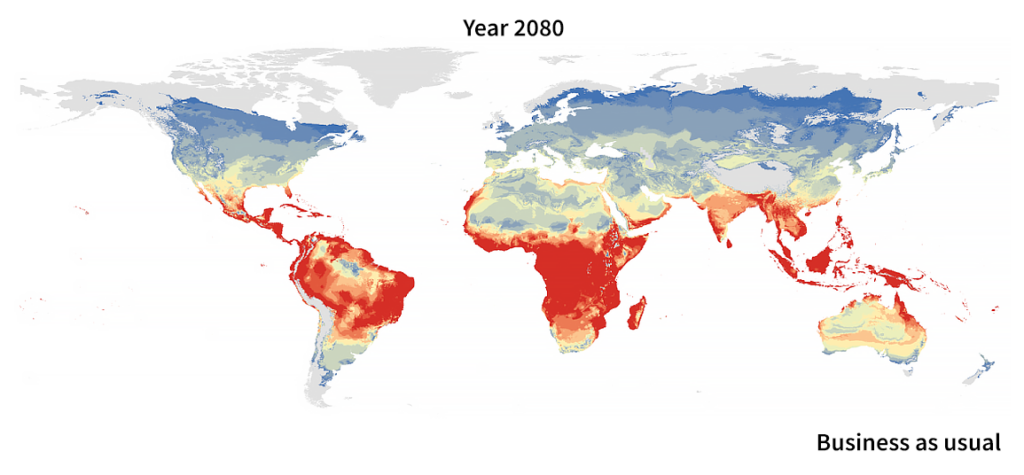
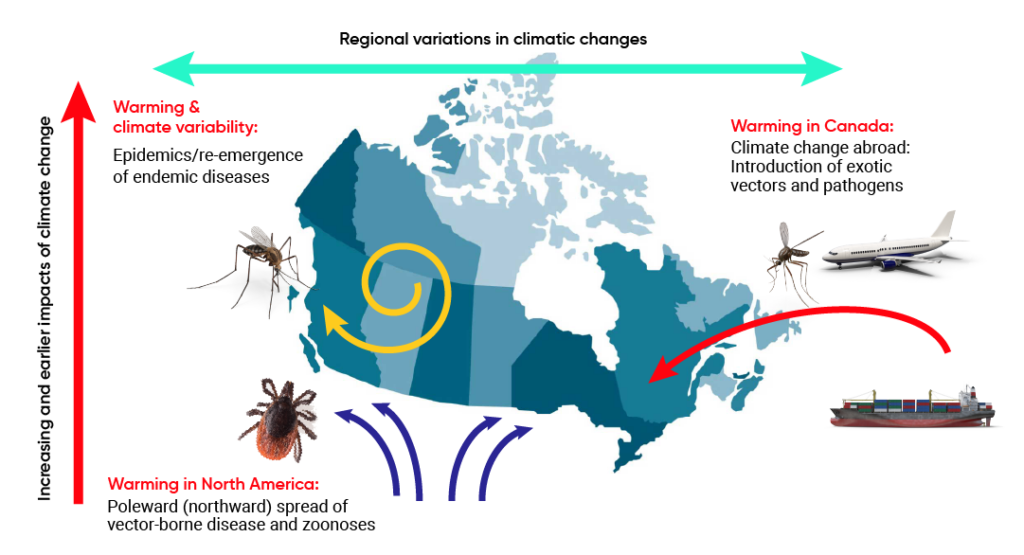
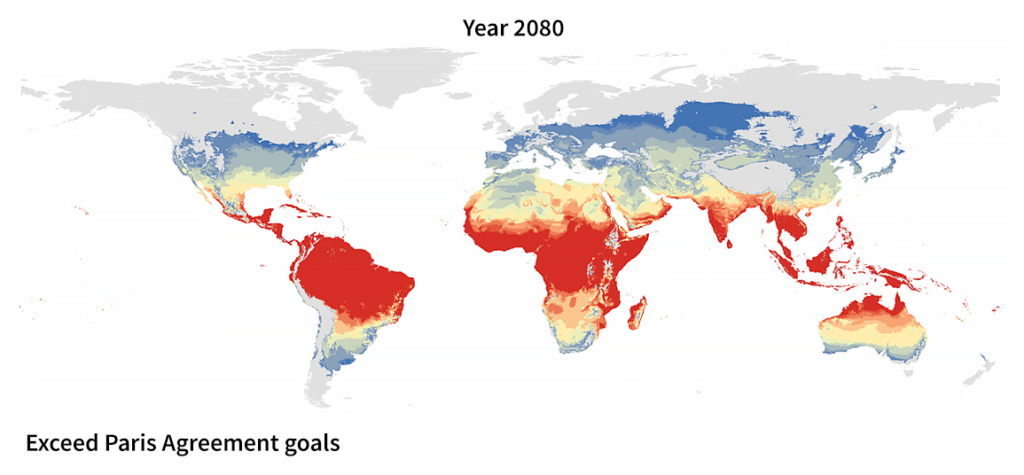
Climate change can also alter the geographical distribution of tick vectors, expanding their range into new areas or shifting their established range. Warmer temperatures and changes in vegetation patterns can create more favorable conditions for ticks, allowing them to survive and thrive in regions where they were previously absent. As a result, areas that were once considered low-risk for anaplasmosis may become high-risk zones.
Effect on Pathogen Survival
The survival and viability of Anaplasma bacteria within tick vectors can be influenced by climate variables such as temperature and humidity. Warmer temperatures can enhance the survival of Anaplasma bacteria within ticks, increasing their ability to persist and be transmitted to new hosts. Additionally, changes in precipitation patterns can influence the availability of suitable habitats for ticks and affect the survival of both ticks and the bacteria they carry.
Transmission Dynamics
Climate change can alter the dynamics of Anaplasma transmission by affecting the life cycle and behavior of ticks. Changes in temperature and humidity can influence tick feeding activity, questing behavior, and the duration of their life stages. These changes can lead to variations in the timing and intensity of Anaplasma transmission, potentially increasing the risk of infection for animals and humans. Understanding these transmission dynamics is crucial for developing effective control and prevention strategies.
Increased Range of Tick Habitats
Expansion of Tick-Borne Disease Zones
As the range of tick vectors expands due to climate change, the zones where tick-borne diseases like anaplasmosis are prevalent also expand. This expansion increases the geographic areas where both humans and animals are at risk of exposure to ticks and the diseases they carry. Regions that were previously considered low-risk may now see an increase in tick-borne diseases, including anaplasmosis.
Geographical Distribution of Ticks
Climate change can lead to shifts in the geographical distribution of ticks, as they adapt to changing temperature and vegetation patterns. Some species of ticks may expand their range northward or to higher elevations, while others may decline in areas that become less suitable for their survival. These changes in tick distribution can have significant implications for the spread of anaplasmosis and other tick-borne diseases.
Shifts in Tick Population Dynamics
Changes in climate can impact the population dynamics of ticks, including their abundance and seasonal activity patterns. Warmer temperatures and longer growing seasons can lead to increased tick populations and higher densities, resulting in a greater risk of disease transmission. Additionally, shifts in the timing of peak tick activity may affect the timing and severity of anaplasmosis outbreaks.
Altered Tick and Host Behavior
Shifts in Tick Activity Patterns
Climate change can influence the activity patterns and behavior of ticks, potentially affecting their interactions with hosts and the transmission of Anaplasma bacteria. Warmer temperatures and changes in seasonal weather patterns can alter the timing and duration of tick activity, leading to an extended period of potential exposure for humans and animals. Ticks may also exhibit changes in questing behavior and habitat preferences as they adapt to new environmental conditions.
Changes in Host Behavior
Host behavior can also be influenced by climate change, which can indirectly impact the spread of anaplasmosis. Changes in temperature and precipitation patterns may alter the behavior and distribution of host species, affecting their exposure to tick vectors and their susceptibility to infection. For example, shifts in migratory patterns or changes in grazing behavior can increase or decrease the risk of contact with infected ticks.
Host-Vector Interactions
Climate change can alter the interactions between hosts and tick vectors, potentially shaping the transmission dynamics of anaplasmosis. Changes in tick abundance, activity patterns, and distribution can affect the likelihood of contact between ticks and hosts. Additionally, changes in host behavior, such as altering preferred habitats or migrating to new areas, can impact the availability of suitable hosts for tick feeding and reproduction.
Climate Change and Tick Proliferation
Effect of Climate on Tick Life Cycle
Climate variables, particularly temperature and humidity, have a significant influence on the life cycle of ticks. Warmer temperatures can accelerate tick development and increase their reproductive output, leading to larger tick populations. Changes in precipitation patterns can also affect tick survival and development, as ticks require suitable moisture levels for their life stages. These climate-driven changes can contribute to the proliferation of ticks and the spread of anaplasmosis.
Impacts on Tick Reproduction
Climate change can affect tick reproduction by influencing factors such as mating behavior, reproductive success, and the survival of tick eggs and larvae. Warmer temperatures can enhance tick reproductive rates and increase the survival of tick offspring, leading to larger populations in subsequent generations. The increased reproductive capacity of ticks can contribute to the maintenance and spread of anaplasmosis in tick populations.
Increased Tick Abundance
The combination of favorable climate conditions and changes in tick distribution can lead to increased tick abundance in certain regions. Warmer temperatures and longer growing seasons can provide an extended period of time for tick populations to feed, reproduce, and establish themselves in new areas. As tick populations proliferate, the risk of anaplasmosis transmission to both animals and humans increases, posing significant public health and agricultural challenges.
Changing Disease Dynamics
Impact on Disease Incidence
Climate change can impact the incidence of anaplasmosis by influencing the abundance and activity of tick vectors. Increased tick populations and a longer active season can result in a higher number of infected ticks, increasing the likelihood of transmission to both animals and humans. Changes in tick feeding behavior and host availability can also affect disease incidence by altering the opportunities for tick-host interactions.
Altered Seasonality of Infection
Climate change can disrupt the seasonality of anaplasmosis infections by modifying the timing and intensity of tick activity and disease transmission. Warm winters and early springs can lead to earlier tick emergence and an extended period of time for tick activity, potentially increasing the risk of exposure to infected ticks. These changes in seasonality can complicate disease surveillance and control efforts, as traditional preventive measures may need to be adjusted.
Emergence of Co-Infections
Climate change can influence the emergence of co-infections, where individuals are infected with multiple pathogens simultaneously. As tick populations expand and overlap with different wildlife species, the opportunities for tick feeding on multiple hosts increase. This can lead to increased mixing of pathogens within ticks, increasing the chances of co-infection and potentially altering the severity and clinical outcomes of anaplasmosis and other tick-borne diseases.
Human Health Implications
Increased Human Exposure
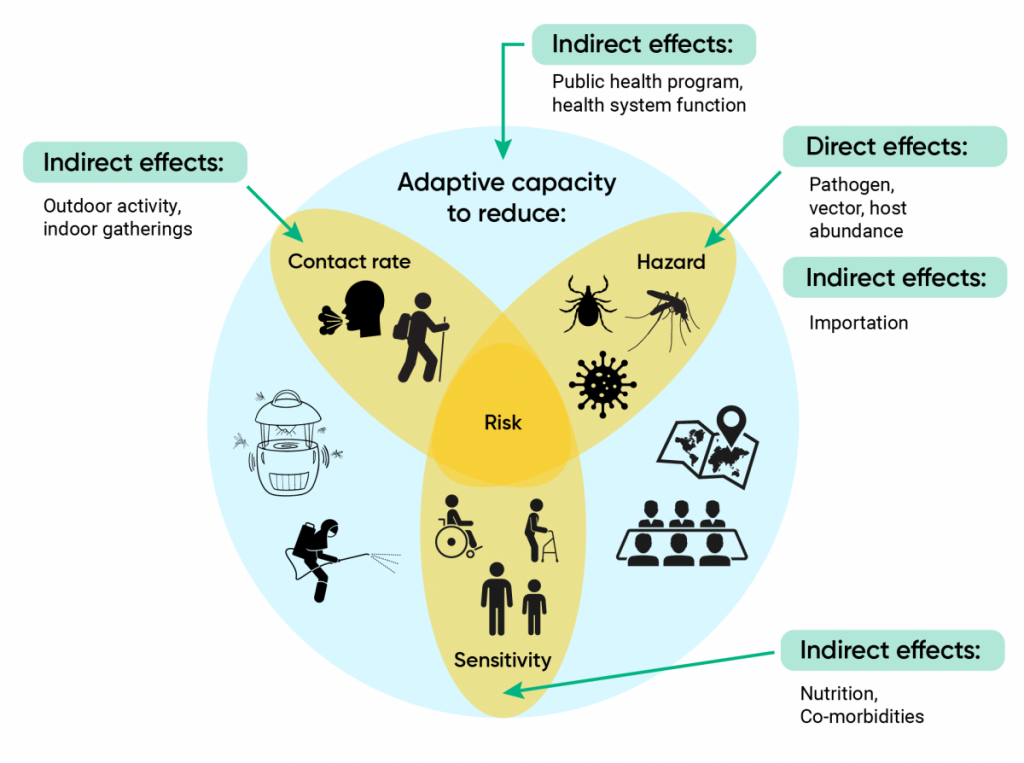
Climate change can increase human exposure to ticks and the diseases they carry, including anaplasmosis. The expansion of tick habitats into previously unaffected regions can expose individuals who were previously at low risk. Changes in lifestyle and behavior due to warmer temperatures, such as spending more time outdoors or engaging in recreational activities in tick-infested areas, can also contribute to increased human exposure.
Risk Factors for Infection
Several factors can contribute to the risk of anaplasmosis infection in humans. These include occupational exposure for individuals working in agriculture or forestry, recreational activities in tick-infested areas, lack of awareness about tick-borne diseases and preventive measures, and limited access to healthcare services for timely diagnosis and treatment. Climate change can exacerbate these risk factors by expanding the geographic range of tick populations and increasing the prevalence of infected ticks.
Challenges in Diagnosis
Diagnosing anaplasmosis can be challenging due to the non-specific nature of the symptoms and the potential for co-infection with other tick-borne pathogens. The similarities in clinical presentation between anaplasmosis and other diseases such as Lyme disease or Ehrlichiosis further complicate accurate diagnosis. Additionally, limited access to diagnostic tests and the need for specialized laboratory facilities can hinder timely and accurate diagnosis, delaying appropriate treatment and increasing the risk of complications.
Effect on Treatment
Anaplasmosis is generally treatable with appropriate antibiotics, especially when diagnosed early. However, delays in diagnosis and treatment can lead to more severe illness and complications. Climate change-related factors, such as changes in disease seasonality and the emergence of co-infections, can complicate treatment strategies. The potential for antimicrobial resistance, due to the inappropriate use of antibiotics, further underscores the need for accurate diagnosis and targeted treatment approaches.
Impacts on Livestock and Agriculture
Ticks as Agricultural Pests
Ticks are significant pests of livestock, causing economic losses in the agriculture industry. Tick infestations can lead to reduced animal productivity, weight loss, anemia, and increased susceptibility to other diseases. Climate change-related factors, such as expanding tick habitats and longer tick activity seasons, can increase the risk of tick-borne diseases in livestock, exacerbating the economic burden on farmers and posing challenges to food security.
Economic Losses in Livestock Industry
The economic losses associated with tick-borne diseases, including anaplasmosis, can have substantial impacts on the livestock industry. Infected animals may experience decreased milk production, reduced weight gain, and increased mortality, leading to financial losses for farmers. The costs associated with veterinary care, tick control measures, and treatment of affected animals further contribute to the economic burden.
Implications for Food Security
Tick-borne diseases, including anaplasmosis, pose significant threats to food security, particularly in regions where livestock rearing is essential for meeting nutritional and economic needs. The impacts on livestock productivity and the potential for zoonotic transmission of the disease can affect the availability and affordability of animal products, such as milk and meat, as well as the livelihoods of farmers who rely on livestock for their income.
Adaptation and Mitigation Strategies
Improved Surveillance and Early Warning Systems
Enhancing surveillance systems for tick-borne diseases, including anaplasmosis, is crucial for early detection and effective control measures. Improved surveillance can help identify changes in tick distribution, disease incidence, and antimicrobial resistance patterns. Early warning systems can provide alerts to communities and healthcare providers about increased disease risk and trigger timely preventive measures.
Tick Control Measures
Various tick control measures can be implemented to reduce the risk of anaplasmosis transmission. Integrated tick management approaches, combining environmental modifications, chemical control methods, and biological interventions, can help reduce tick populations and interrupt their life cycle. The use of acaricides, tick repellents, and tick-resistant livestock breeds can also contribute to reducing tick infestations and the associated risks.
Vaccine Development
Efforts to develop vaccines against anaplasmosis can play a vital role in preventing the disease and reducing its impact on livestock and human health. Research is underway to develop safe and effective vaccines that can confer long-term protection against anaplasmosis. Vaccination programs, particularly for livestock, can significantly reduce the incidence of the disease and minimize economic losses in the agricultural sector.
Educational Campaigns and Public Awareness
Raising public awareness about anaplasmosis, tick-borne diseases, and the preventive measures individuals can take is essential. Educational campaigns can provide information about the risks associated with tick exposure, how to recognize signs and symptoms of anaplasmosis, and the importance of early diagnosis and treatment. Promoting personal protective measures, such as wearing appropriate clothing and using tick repellents, can empower individuals to reduce their risk of infection.
In conclusion, the impact of climate change on anaplasmosis is a complex and multifaceted issue. Changes in temperature, precipitation patterns, and geographical distribution of ticks can influence the transmission dynamics of Anaplasma bacteria and the incidence of anaplasmosis in both animals and humans. The proliferation of tick populations, altered tick and host behavior, and changes in disease dynamics pose significant challenges to public health, agriculture, and food security. Implementing adaptation and mitigation strategies, such as improved surveillance, tick control measures, vaccine development, and educational campaigns, is crucial for mitigating the adverse effects of climate change on anaplasmosis and protecting the well-being of both humans and animals.