Anaphylaxis is a serious and potentially life-threatening allergic reaction that requires immediate attention. In this article, you will discover key strategies to prevent anaphylaxis and protect yourself or someone you know from this potentially dangerous condition. From identifying triggers to carrying an epinephrine auto-injector, these simple yet essential tips will empower you to navigate the world with confidence and minimize the risk of anaphylactic episodes. So, let’s delve into these key strategies that can make all the difference in preventing anaphylaxis.
Understanding Anaphylaxis
Anaphylaxis is a severe and potentially life-threatening allergic reaction that requires immediate medical attention. It occurs when your body’s immune system overreacts to an allergen, releasing a flood of chemicals that cause a range of symptoms throughout your body. These symptoms can include difficulty breathing, a rapid and weak pulse, dizziness, and swelling of the lips and throat. Anaphylaxis can be triggered by a variety of allergens, such as certain foods, medications, insect stings, or exposure to latex.
Identifying Triggers
One of the most crucial steps in preventing anaphylaxis is identifying the specific triggers that can cause a severe allergic reaction. By knowing what substances you are allergic to, you can take the necessary precautions to avoid exposure and reduce the risk of anaphylaxis. Triggers can vary from person to person, so it’s important to work with your healthcare provider to determine your specific allergens through allergy tests. Once you have identified your triggers, you can take the necessary steps to manage and prevent anaphylaxis.

Food Allergies
Food allergies are one of the most common causes of anaphylaxis. Certain foods such as peanuts, tree nuts, eggs, milk, shellfish, and fish are known to trigger severe allergic reactions in some individuals. When dealing with food allergies, it’s crucial to carefully read food labels to identify potential allergens. Manufacturers are required to clearly label any common allergens included in their products. By becoming familiar with how to read and interpret food labels, you can make informed choices and avoid consuming foods that may trigger an allergic reaction.
Another important aspect of managing food allergies is avoiding cross-contamination. Cross-contamination occurs when allergens from one food come into contact with another, potentially causing a severe allergic reaction. To prevent cross-contamination, it’s essential to thoroughly clean kitchen utensils, surfaces, and cookware after preparing foods that contain allergens. Additionally, consider using separate cutting boards and utensils for allergenic foods. Taking these precautions can significantly reduce the risk of accidental exposure to allergens.
Informing others, especially those who prepare or serve your food, about your food allergies is paramount. By letting them know about your specific dietary needs, they can take the appropriate measures to avoid cross-contamination and ensure you have safe options available when dining out or attending social events.
Medication Allergies
Allergies to medications can also lead to anaphylaxis, making it essential to be vigilant when it comes to taking any medicinal products. Make sure to inform your healthcare professionals about any known medication allergies so they can prescribe alternative medications, if necessary. It’s also important to keep an allergy list that includes all the medications you are allergic to. This list can be shared with all healthcare providers, including pharmacists, to ensure they are aware of your allergies and can make informed decisions regarding your treatment.
Alternative medications are often available for patients with medication allergies, and healthcare professionals can help you identify suitable options. By opting for alternative medications, you can receive the necessary treatment without risking an allergic reaction.
Insect Sting Allergies
Insect stings, such as those from bees, wasps, hornets, or fire ants, can cause severe allergic reactions in some individuals. Taking precautions when spending time in nature can help reduce the risk of anaphylaxis. Avoid wearing bright-colored clothing, as insects are often attracted to vibrant colors. Additionally, avoid wearing perfume or scented lotions, as these can attract insects as well.
Carrying medications, such as an epinephrine auto-injector, is vital for individuals with insect sting allergies. This device delivers a dose of epinephrine, a hormone that helps reverse the symptoms of an allergic reaction, providing a potentially life-saving intervention until medical help arrives. It is important to have your epinephrine auto-injector readily available whenever you are outdoors.
Wearing protective clothing, such as long sleeves and pants, closed-toe shoes, and gloves, can help reduce the chance of an insect sting. Consider tucking your pants into your socks and wearing a wide-brimmed hat to protect your face and neck. By taking these precautions, you can minimize the risk of being stung and experiencing an allergic reaction.
Latex Allergies
Latex allergies can cause anaphylaxis in some individuals, which is why it’s important to be aware of latex exposure and take the necessary precautions. Using latex-free products, such as gloves and condoms, can help prevent an allergic reaction. Many healthcare facilities now offer latex-free alternatives to accommodate individuals with latex allergies. Be sure to inform healthcare professionals about your latex allergy so they can provide suitable alternatives during medical procedures or examinations.
Carrying an epinephrine auto-injector is crucial for individuals with latex allergies, just as it is for individuals with other types of allergies. Anaphylaxis can occur rapidly and unexpectedly, and having immediate access to epinephrine can be life-saving.
Managing Asthma
Asthma is a chronic respiratory condition that can increase the risk of severe allergic reactions, including anaphylaxis. If you have asthma, it’s important to effectively manage your symptoms and keep your condition under control. Follow your healthcare provider’s instructions for taking asthma medications and make sure to have a rescue inhaler readily available at all times. By maintaining good control of your asthma, you can reduce the risk of experiencing an asthma-related allergic reaction that could lead to anaphylaxis.
Allergen Immunotherapy
Allergen immunotherapy, also known as allergy shots, can be an effective treatment option for individuals with severe allergies. This treatment involves receiving regular injections of small amounts of allergens over time, gradually desensitizing the immune system and reducing the severity of allergic reactions. Allergen immunotherapy can help prevent anaphylaxis triggered by specific allergens, such as insect venom or certain foods. If you have severe allergies, consult with an allergist to determine if allergen immunotherapy is an appropriate treatment option for you.

Being Prepared for Anaphylaxis
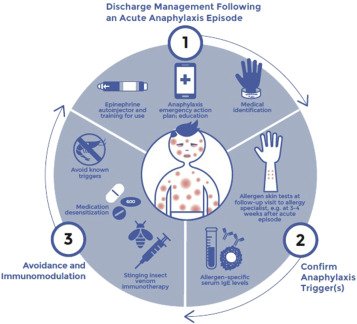
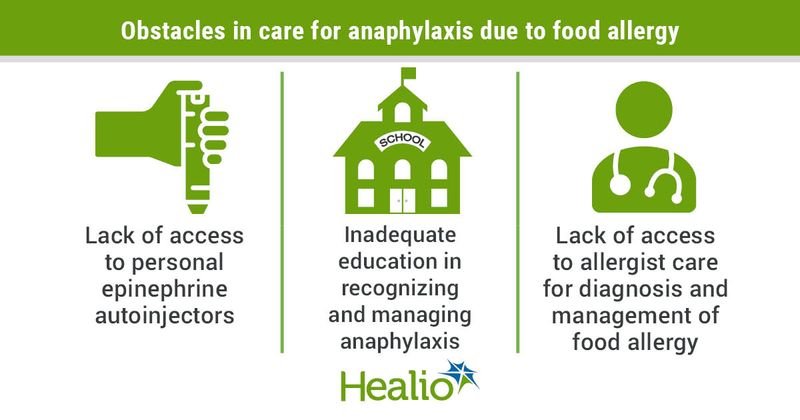
No matter the trigger, being prepared for anaphylaxis is crucial for individuals with severe allergies. Always carry an epinephrine auto-injector with you, whether it’s for food allergies, medication allergies, insect sting allergies, or latex allergies. This device can provide rapid and life-saving treatment in the event of an allergic reaction.
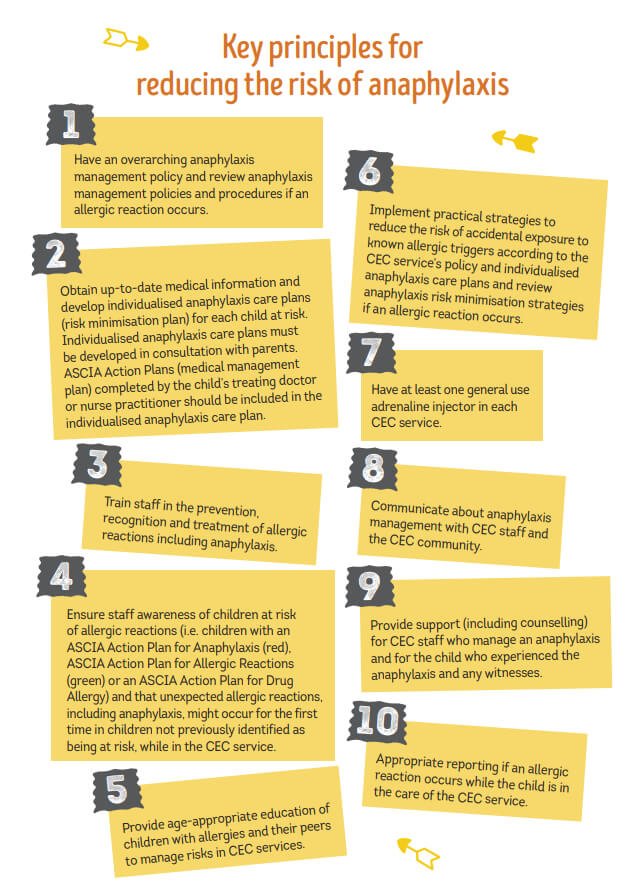
Creating an anaphylaxis action plan in collaboration with your healthcare provider is highly recommended. This plan outlines step-by-step instructions on how to use your epinephrine auto-injector, as well as what to do in the event of an allergic reaction. Share this plan with your family, friends, and colleagues so they understand how to assist you if an anaphylactic reaction occurs.
Education is key when it comes to anaphylaxis. Make sure to educate those around you about the signs and symptoms of anaphylaxis, as well as the appropriate actions to take if you experience a severe allergic reaction. Encourage them to familiarize themselves with the use of an epinephrine auto-injector and how to support you during an emergency situation.
Conclusion
Preventing anaphylaxis is a multifaceted endeavor that involves understanding triggers, taking precautions, and being prepared. By identifying specific triggers and taking steps to avoid exposure, individuals with severe allergies can reduce the risk of anaphylaxis. Informing healthcare professionals, carrying necessary medications, and using protective measures further contribute to prevention efforts. Finally, creating an anaphylaxis action plan and educating others help ensure appropriate assistance and support in the event of an allergic reaction. By following these strategies, you can live confidently and safely, minimizing the risk of anaphylaxis and experiencing the fullness of life.