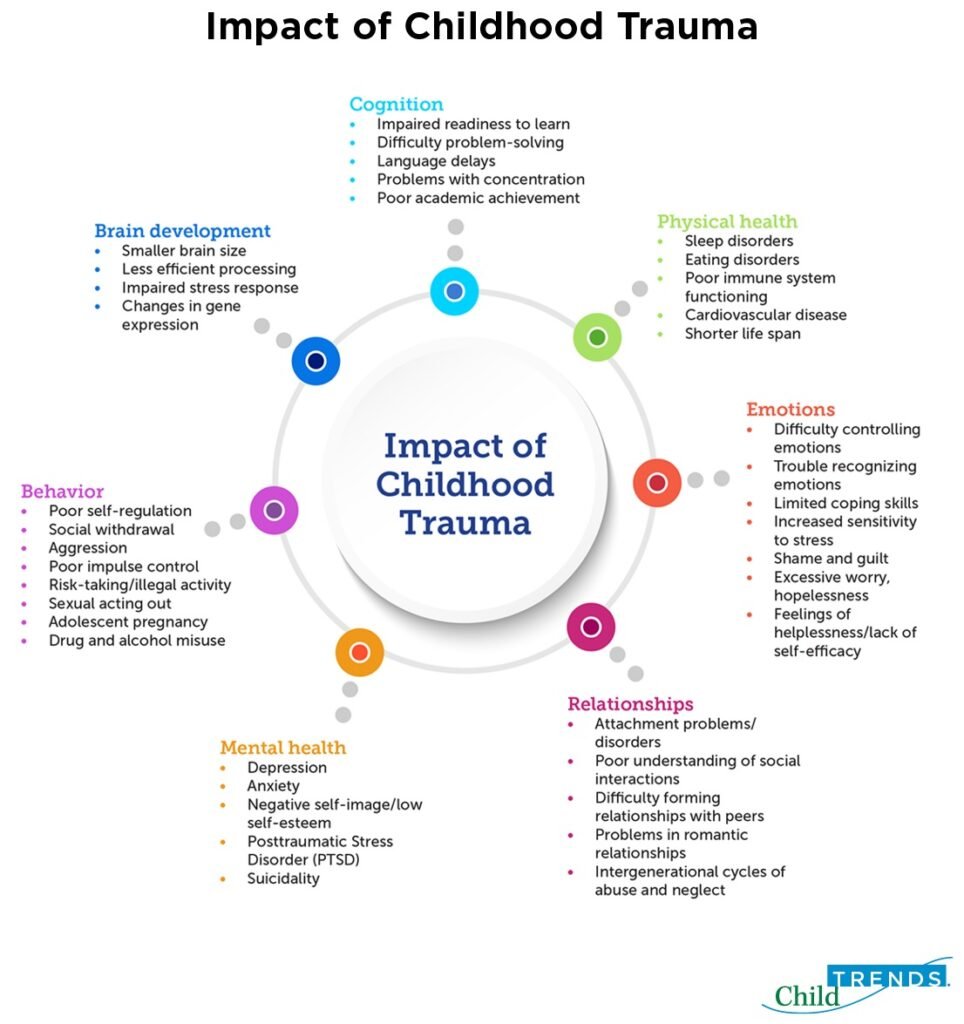
Did you know that anxiety disorders can have a significant impact on a child’s development? It’s true – these disorders can affect their emotional well-being, social skills, and academic performance. As children navigate through their early years, anxiety can interfere with their ability to form healthy relationships and learn new skills. In this article, we will explore the various ways in which anxiety disorders can impact children’s development and offer strategies for parents and caregivers to help them navigate these challenges.
Impact of Anxiety Disorders on Children’s Development
Anxiety disorders can significantly affect various aspects of a child’s development, including physical health, emotional well-being, academic performance, social relationships, self-esteem, cognitive development, sleep patterns, behavioral issues, and the risk of developing other mental health disorders. Understanding and addressing these impacts is crucial in promoting the healthy development of children with anxiety disorders.
Physical Health
Children with anxiety disorders may experience negative effects on their physical health. The constant stress and worry associated with anxiety can have detrimental effects on growth and development. It can hinder the production of growth hormones and delay the onset of puberty, leading to potential growth and developmental delays.
Additionally, anxiety disorders can impact the immune system, leading to an increased risk of illnesses. The immune system may become weakened due to chronic stress, making children more susceptible to infections and other diseases. Therefore, it is essential to address anxiety in children to promote their overall physical health.
Emotional Well-being
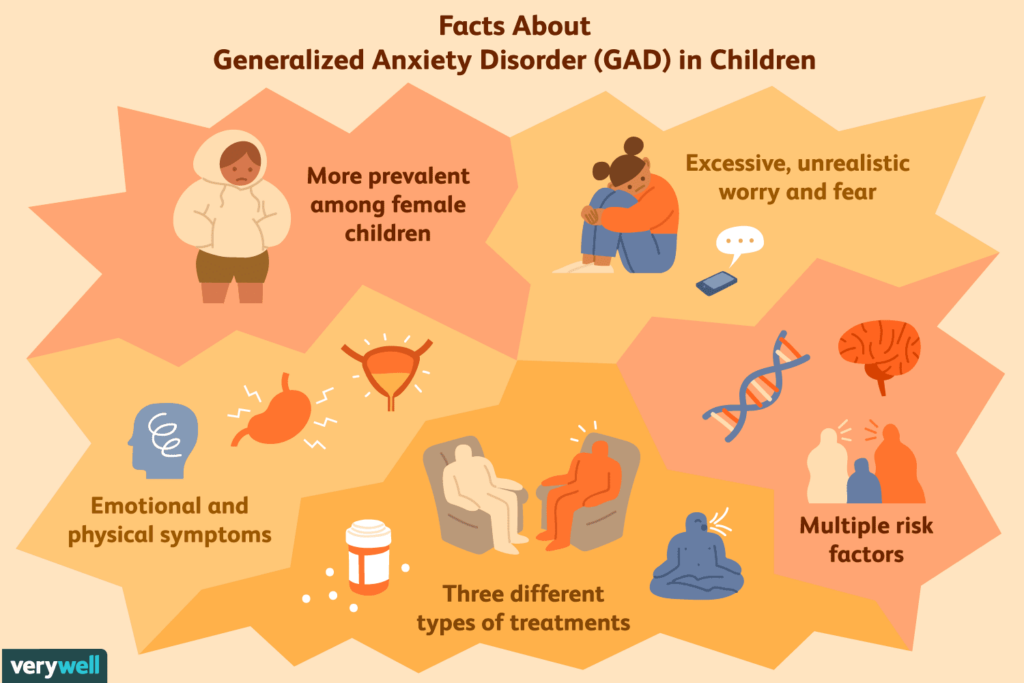
Anxiety disorders can significantly impact a child’s emotional well-being. Children with anxiety often experience heightened levels of stress and worry, even in everyday situations. This constant pressure can overwhelm their emotional capacity, making it challenging for them to manage their emotions effectively.
Children with anxiety disorders may find it difficult to regulate their emotions, leading to intense and prolonged periods of anxiety, fear, or sadness. This emotional distress can put them at a higher risk of developing mood disorders such as depression or bipolar disorder in the long run. Promoting emotional well-being and providing appropriate coping mechanisms is crucial for children with anxiety disorders.
Academic Performance
Anxiety disorders can have a substantial impact on a child’s academic performance. The constant worry and fear associated with anxiety can impair their concentration and memory, making it challenging to focus and retain information in the classroom. This can result in decreased academic achievement and difficulties in meeting educational expectations.
Children with anxiety may also struggle with problem-solving, as anxiety can interfere with their ability to think clearly and make rational decisions. Furthermore, anxiety can lead to decreased motivation and engagement in academic activities, affecting their overall academic performance. Appropriate support and accommodations are crucial to help children with anxiety disorders succeed academically.
Social Relationships
Anxiety disorders can significantly affect a child’s social relationships. Children with anxiety may experience difficulties in making and maintaining friendships. They may struggle with initiating and sustaining conversations, participating in group activities, or expressing themselves in social settings. These challenges can lead to feelings of social isolation and withdrawal from peer interactions.
Furthermore, children with anxiety disorders may have difficulties in conflict resolution, as their fears and worries can hinder their ability to communicate effectively. These challenges can strain relationships with peers and result in feelings of loneliness and social exclusion. Nurturing healthy social skills and providing support in social settings is vital for children with anxiety disorders to foster positive relationships.
Self-esteem and Confidence
Anxiety disorders can negatively impact a child’s self-esteem and confidence. Children with anxiety often have a negative self-perception and may doubt their abilities or worthiness. The constant worry and fear associated with anxiety can diminish their belief in themselves, leading to low self-esteem.
Children with anxiety disorders may struggle with assertiveness and self-advocacy. They may find it difficult to express their needs or stand up for themselves, leading to feelings of powerlessness and vulnerability. These challenges can further contribute to their lack of confidence and self-esteem. Providing opportunities for building self-esteem and fostering assertiveness is crucial in supporting children with anxiety disorders.
Cognitive Development
Anxiety disorders can impact a child’s cognitive development. The constant worry and fear associated with anxiety can impair cognitive processing, making it difficult for children to take in new information or understand complex concepts. They may experience difficulties in learning and retaining knowledge, which can hinder their overall cognitive development.
Furthermore, anxiety disorders can affect executive functioning, which includes skills such as planning, organizing, and problem-solving. Children with anxiety may struggle with these skills, leading to challenges in academic and everyday tasks. Slow information processing can also be a result of anxiety disorders, making it difficult for children to respond quickly or efficiently. Providing appropriate support and accommodations can aid in mitigating the impact of anxiety on cognitive development.
Sleep Patterns
Anxiety disorders can disrupt a child’s sleep patterns, leading to a variety of sleep-related issues. Children with anxiety may experience insomnia or have difficulty falling asleep due to racing thoughts or worries. They may also experience frequent nightmares or nighttime anxiety, leading to disrupted and restless sleep.
These sleep disturbances can result in fatigue and daytime sleepiness, negatively impacting their overall well-being and daily functioning. Lack of quality sleep can further exacerbate anxiety symptoms, creating a vicious cycle. Establishing healthy sleep routines and providing tools for managing anxiety before bedtime are essential for children with anxiety disorders.
Behavioral Issues
Children with anxiety disorders may exhibit various behavioral issues as a result of their anxiety. They may frequently display restlessness and irritability, as their anxiety can make them feel constantly on edge. They may struggle with emotional regulation, leading to frequent crying, temper tantrums, or meltdowns.
In some cases, anxiety can manifest as oppositional behaviors or aggression. Children may become defiant or lash out as a defense mechanism against their fears and worries. Understanding and addressing these behavioral issues through appropriate interventions and coping strategies is crucial to support children with anxiety disorders.
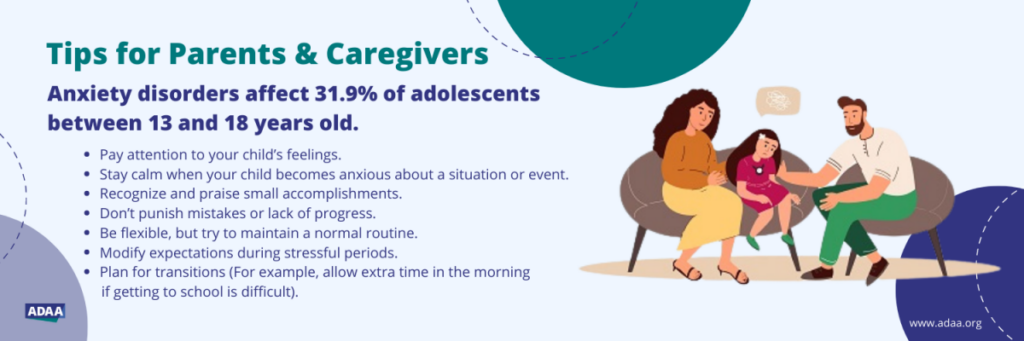
Risk of Developing Other Mental Health Disorders
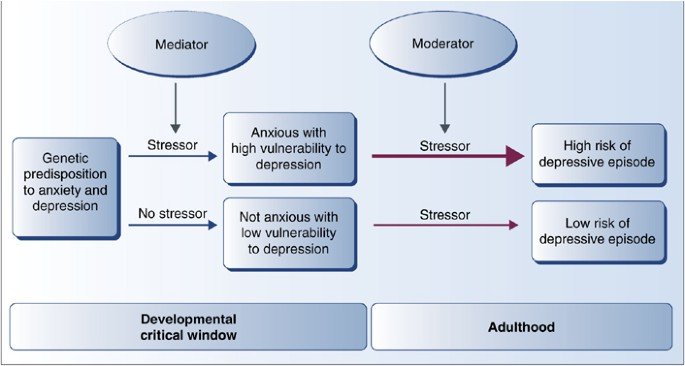
Anxiety disorders in childhood can increase the risk of developing other mental health disorders later in life. Persistent anxiety symptoms can lay the foundation for more severe anxiety disorders or other mental health conditions such as depression or substance abuse.
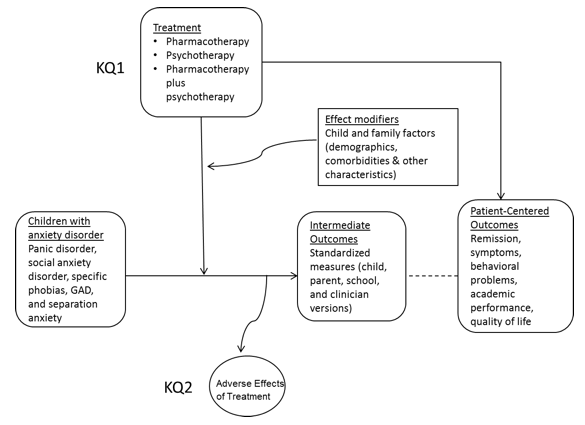
Early intervention and appropriate treatment for anxiety disorders are essential in reducing the long-term risk of developing more severe mental health issues. Identifying and addressing anxiety in children can help mitigate the potential long-term effects on their mental well-being.
Long-term Effects
Untreated anxiety disorders in childhood can have long-term effects on a child’s development and overall well-being. Persistent anxiety symptoms throughout adolescence and into adulthood can impact future relationships and marriages. Individuals with untreated anxiety disorders may struggle with forming and maintaining healthy relationships due to the impact of anxiety on their emotional well-being and interpersonal skills.
Moreover, anxiety disorders can affect educational and career opportunities. Children with anxiety disorders may face challenges in their academic and professional lives, leading to a higher risk of unemployment or underemployment. The negative impact on educational and career paths can have long-lasting effects on their overall quality of life.
In conclusion, anxiety disorders can have a profound impact on various aspects of a child’s development. The physical health, emotional well-being, academic performance, social relationships, self-esteem, cognitive development, sleep patterns, behavioral issues, and the risk of developing other mental health disorders are all significantly influenced by anxiety. It is crucial to recognize the potential impacts of anxiety on children’s development and provide appropriate support and interventions to promote their well-being and healthy development.