
Having a child with anxiety disorder can be overwhelming for parents. It is important to understand the challenges they face and how to provide the right support. In this article, we will explore some practical tips and strategies that can help parents navigate this journey with their child. From fostering open communication to creating a calming environment, these suggestions aim to empower parents and promote the well-being of children with anxiety disorders. So, let’s dive in and explore these helpful tips together!

Understanding Anxiety Disorders in Children
Anxiety disorders in children refer to a range of mental health conditions characterized by excessive and persistent worry, fear, and apprehension. These disorders can significantly impact a child’s daily life, making it crucial for parents and caregivers to understand their nature and provide adequate support. By gaining a deeper understanding of anxiety disorders, you can empower yourself to help your child navigate their challenges and thrive.
Definition of Anxiety Disorders
Anxiety disorders encompass various conditions, including generalized anxiety disorder (GAD), separation anxiety disorder, social anxiety disorder (SAD), panic disorder, and specific phobias. Each of these disorders manifests differently in children, but they all share the common feature of excessive and irrational fear or worry that can interfere with their well-being and overall functioning.
Types of Anxiety Disorders
Generalized anxiety disorder (GAD) is characterized by chronic worrying and excessive fear about a wide range of everyday situations and experiences. Separation anxiety disorder involves extreme distress when separated from a primary caregiver and often occurs during a child’s early developmental years. Social anxiety disorder (SAD) is characterized by intense anxiety in social situations, making it challenging for children to initiate and maintain relationships. Panic disorder is characterized by frequent panic attacks, which are sudden episodes of intense fear accompanied by physical symptoms such as rapid heartbeat and shortness of breath. Specific phobias involve an irrational, intense fear of a particular object or situation, such as animals, heights, or medical procedures.
Common Symptoms of Anxiety Disorders in Children
Recognizing the symptoms of anxiety disorders in children is essential for early intervention and support. These symptoms may manifest in various ways, including physical symptoms like headaches, stomachaches, restlessness, or excessive fatigue. Emotional symptoms can include excessive worrying, irritability, fear of making mistakes, and difficulty concentrating. Behavioral symptoms may involve avoidance of certain situations or activities, constant seeking of reassurance, or changes in sleep patterns. By understanding these common symptoms, you can better identify when your child may be struggling with an anxiety disorder.
Seeking Professional Help
Recognizing the need for professional help is a crucial step in supporting your child with anxiety disorders. While parents and caregivers are essential sources of support, working with a qualified mental health professional can provide additional tools and strategies tailored to your child’s specific needs.
Recognizing the Need for Professional Help
It’s important to recognize when your child’s anxiety is impacting their daily life and well-being to determine if professional intervention is necessary. If your child’s anxiety is interfering with their ability to participate in daily activities, engage in social interactions, or affecting their academic performance, it is a good indication that professional help may be beneficial. Additionally, if your child is experiencing significant distress or exhibiting severe symptoms, seeking professional guidance is crucial.
Finding a Qualified Mental Health Professional
To find a qualified mental health professional for your child, start by consulting your pediatrician or family doctor. They can provide recommendations and refer you to professionals specializing in children’s mental health. Alternatively, you can contact your local mental health associations or organizations for a list of professionals who specialize in anxiety disorders in children. When selecting a professional, consider their experience, credentials, and approach to treatment to ensure the best fit for your child’s needs.
What to Expect in Therapy Sessions
Therapy sessions for children with anxiety disorders typically involve a combination of talk therapy, cognitive-behavioral therapy (CBT), and play therapy. During these sessions, the therapist will help your child explore and understand their anxiety, teach coping mechanisms and relaxation techniques, and provide a safe space to express their thoughts and feelings. Depending on the severity of your child’s anxiety, therapy sessions could be conducted on a weekly or bi-weekly basis. It’s essential to maintain open communication with the therapist and actively participate in your child’s treatment journey.
Creating a Supportive Environment at Home
A supportive and nurturing home environment plays a crucial role in a child’s overall well-being, including managing their anxiety. By implementing strategies to create a supportive environment at home, you can foster a sense of security and facilitate your child’s emotional growth.
Educating Yourself about Anxiety Disorders
Educating yourself about anxiety disorders is a fundamental step in understanding and supporting your child effectively. Read books, consult reputable online resources, and attend support groups or workshops dedicated to parents of children with anxiety disorders. By gaining knowledge about anxiety disorders, you will equip yourself with the tools needed to provide the best support to your child.
Open Communication and Active Listening
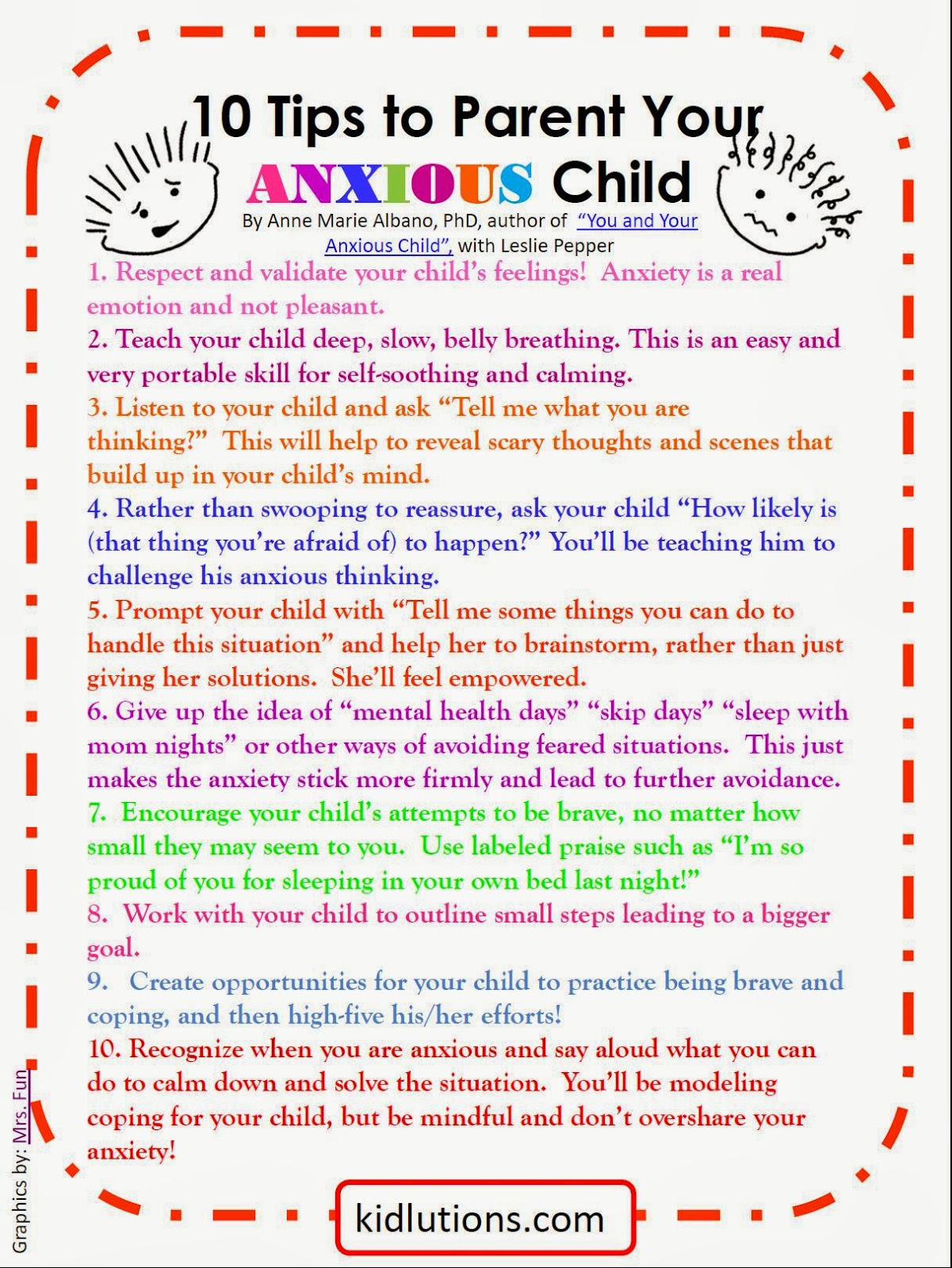
Open communication and active listening are essential components of a supportive home environment. Encourage your child to talk about their feelings, fears, and worries without judgment or criticism. Create a safe space where they feel comfortable expressing themselves. When your child opens up, listen attentively and validate their emotions. By being present and engaged in their conversations, you can foster trust and strengthen your relationship.
Establishing Routine and Structure
Anxiety disorders often thrive in unpredictable or chaotic environments. Establishing a routine and structure can help your child feel more secure and reduce their anxiety levels. Set consistent bedtimes, mealtimes, and dedicated homework or relaxation periods. By providing a predictable framework, you create a sense of stability and reduce uncertainty, which can be comforting for a child with anxiety.
Implementing Strategies to Manage Anxiety
Managing anxiety involves implementing effective strategies that can help your child cope with their anxious thoughts and emotions. By incorporating relaxation techniques, encouraging physical exercise, and teaching cognitive-behavioral strategies, you can equip your child with valuable tools to manage their anxiety effectively.
Relaxation Techniques
Teaching your child relaxation techniques can be highly beneficial in managing anxiety. Deep breathing exercises, progressive muscle relaxation, and guided imagery are all excellent relaxation techniques that can help your child calm their mind and body. Encourage your child to practice these techniques regularly, especially during stressful situations or before bedtime, to promote a sense of calmness and reduce anxiety.
Encouraging Physical Exercise
Physical exercise has been proven to be an effective way to reduce anxiety in children. Engage your child in activities they enjoy that promote physical movement, such as biking, swimming, dancing, or team sports. Regular exercise releases endorphins, which are the brain’s natural mood boosters, and can help alleviate anxiety symptoms.
Teaching Cognitive-Behavioral Strategies
Cognitive-behavioral strategies focus on identifying and challenging negative thought patterns that contribute to anxiety. Teach your child to recognize irrational thoughts and replace them with more realistic and positive ones. Encouraging them to keep a thought journal, where they can write down their anxious thoughts and challenge them with evidence, can be a helpful tool in transforming their thinking patterns.

Promoting a Healthy Lifestyle for Anxiety Management
Promoting a healthy lifestyle is crucial for children with anxiety disorders as it can significantly impact their overall well-being. By encouraging healthy eating habits, ensuring they get sufficient sleep, and reducing screen time, you can create an environment that supports anxiety management.
Encouraging Healthy Eating Habits
The food we consume can impact our mood and energy levels. Encourage your child to have a balanced diet that includes fruits, vegetables, whole grains, lean proteins, and healthy fats. Limit their intake of sugary and processed foods, as they can cause fluctuations in blood sugar levels, which can contribute to anxiety symptoms.
Getting Sufficient Sleep
Adequate sleep is essential for overall well-being, especially for children with anxiety disorders. Establish a consistent sleep schedule and create a calm and soothing bedtime routine. Ensure your child’s bedroom is conducive to sleep, with minimal distractions and a comfortable environment. Sufficient sleep can help regulate emotions and reduce anxiety levels.
Reducing Screen Time
Excessive screen time, especially before bedtime, can disrupt sleep patterns and exacerbate anxiety symptoms. Set limits on screen time and encourage alternative activities such as reading, coloring, or engaging in creative hobbies. Encourage your child to have screen-free periods during the day to promote mental and emotional well-being.
Supporting Your Child’s Social and Emotional Well-being
Social and emotional well-being are vital aspects of a child’s development, particularly for children with anxiety disorders. By helping your child build resilience, encouraging social interaction, and addressing bullying or peer issues, you can support their overall well-being and enhance their ability to manage anxiety.
Helping Your Child Build Resilience
Resilience refers to the ability to bounce back from adversity. Help your child build resilience by encouraging them to face their fears gradually and celebrate their accomplishments, no matter how small. Teach them problem-solving skills and foster a growth mindset that embraces challenges. By instilling resilience, you empower your child to face anxiety-provoking situations with confidence.
Encouraging Social Interaction
Social interaction can be challenging for children with anxiety disorders, but it is an essential part of their development. Encourage your child to engage in activities that involve peer interaction, such as playdates, clubs, or extracurricular activities. Start by creating small, comfortable social opportunities, and gradually increase the level of social involvement as your child gains confidence.
Addressing Bullying or Peer Issues
Bullying or negative peer experiences can significantly impact a child’s anxiety levels. Be proactive in addressing bullying or peer issues by maintaining open communication with your child and their school. Teach your child assertiveness skills to handle difficult situations and ensure they know they can come to you for support and guidance. Building a strong support system is crucial in helping your child navigate social challenges.
Exploring Additional Therapies and Interventions
In addition to traditional talk therapy, there are various alternative therapies and interventions that can complement your child’s treatment plan. Art therapy, music therapy, and animal-assisted therapy are a few examples of these additional approaches that can help your child manage their anxiety.
Art Therapy
Art therapy involves the use of artistic and creative mediums to express and process emotions. Through drawing, painting, or sculpture, children can externalize their anxiety and gain insight into their feelings. Art therapy provides a non-verbal outlet for self-expression and can be highly effective in reducing anxiety symptoms.
Music Therapy
Music therapy utilizes the power of music to support emotional and psychological healing. Engaging in activities such as listening to music, playing musical instruments, or singing can help children regulate emotions, reduce anxiety, and promote a sense of calmness. Music can serve as a powerful tool to engage and distract anxious thoughts.
Animal-Assisted Therapy
Animal-assisted therapy involves interactions with trained animals to provide emotional support and facilitate therapeutic healing. The presence of animals can help decrease anxiety levels and create a sense of calm in children. With the guidance of a trained professional, animal-assisted therapy can be a valuable addition to your child’s treatment plan.
Sustaining Your Own Well-being as a Parent
Supporting a child with anxiety disorders can be emotionally demanding, making it crucial for parents and caregivers to prioritize their own mental health. By taking care of your own well-being, seeking support from other parents, and managing stress through self-care, you can be better equipped to support your child effectively.
Taking Care of Your Own Mental Health
Ensure that you prioritize your own mental health by seeking support when needed. Engage in activities that bring you joy and create a good work-life balance. Practice self-care techniques such as mindfulness, exercise, and engaging in hobbies or activities that recharge you. By taking care of your own well-being, you can model healthy coping mechanisms for your child.
Seeking Support from Other Parents
Connect with other parents who have children with anxiety disorders. Join support groups, attend workshops, or seek online communities where you can share experiences and gain valuable insights. By connecting with other parents who face similar challenges, you can find support, empathy, and helpful strategies to navigate your journey.
Managing Stress and Self-Care
Managing stress is crucial for maintaining overall well-being. Identify stress triggers in your life and explore healthy coping strategies such as deep breathing exercises, journaling, or engaging in physical activity. Make self-care a priority by setting aside time for relaxation, hobbies, and activities that bring you joy. A balanced and rejuvenated parent can better support a child with anxiety.

Navigating School and Educational Settings
Anxiety disorders can significantly affect a child’s performance and experiences in school. By collaborating with school staff, developing a 504 plan or individualized education program (IEP), and promoting a positive school environment, you can ensure your child’s educational needs are met and their anxiety is appropriately addressed.
Educating School Staff about Your Child’s Needs
Provide information to school staff about your child’s anxiety disorder, its impact on their functioning, and the strategies that have proven effective in managing their anxiety. Educate teachers, counselors, and administrators about your child’s specific triggers and accommodations that can support their well-being in the educational setting.
Developing a 504 Plan or Individualized Education Program
Collaborate with your child’s school to develop a 504 plan or an individualized education program (IEP) that outlines any necessary accommodations or modifications to support your child’s learning and overall well-being. These plans can include strategies like extended time on exams, sensory breaks, or preferential seating to ensure your child’s anxiety is accounted for in their educational experience.
Promoting a Positive School Environment
Advocate for a positive and inclusive school environment that promotes empathy, understanding, and acceptance of students with anxiety disorders. Collaborate with teachers and administrators to implement anti-bullying programs or awareness campaigns. Encourage teachers to create an atmosphere that supports open communication and emotional well-being.
Preparing Your Child for Transitions and Challenges
Transitions and challenges can be particularly challenging for children with anxiety disorders. By gradually exposing your child to anxiety-provoking situations, building resilience through preparation, and addressing anxiety related to tests or exams, you can help your child navigate these experiences smoothly.
Gradual Exposure to Anxiety-Provoking Situations
Gradual exposure is a technique that involves slowly and incrementally exposing your child to anxiety-provoking situations while providing them with support and reassurance. Identify challenging situations such as going to a new place or participating in a performance, and break them down into manageable steps. By gradually exposing your child to these situations, you can help them build confidence and reduce anxiety over time.
Building Resilience for Transitions
Transitions, such as starting a new school year, changing schools, or moving to a new location, can trigger anxiety for children with anxiety disorders. Prepare your child for these transitions by providing age-appropriate information and involving them in the planning process. Focus on building resilience by highlighting their strengths and previous successes in similar situations. Encourage them to set realistic goals and approach the transition as an opportunity for growth.
Addressing Anxiety around Tests or Exams
Test or exam anxiety is common among children with anxiety disorders. Help your child manage their anxiety by teaching them effective study and test-taking strategies, such as creating a study schedule, practicing relaxation techniques before exams, and breaking down test questions into manageable parts. Encourage them to maintain a positive mindset and remind them that their worth is not solely determined by their academic performance.
In conclusion, understanding anxiety disorders in children and implementing strategies to support their well-being is crucial for parents and caregivers. By recognizing the signs of anxiety disorders, seeking professional help, creating a supportive environment at home, implementing strategies to manage anxiety, promoting a healthy lifestyle, and addressing social and emotional well-being, you can effectively navigate the challenges your child may face. It’s essential to sustain your own well-being, advocate for your child’s needs in educational settings, and help them prepare for transitions and challenges. With your support and understanding, your child can thrive and overcome their anxiety, leading to a happier and healthier life.
