
Have you been searching for natural remedies to alleviate the symptoms of atopic eczema? Look no further! In this article, we will explore a range of natural remedies that can help soothe the itchy, inflamed skin associated with this condition. From incorporating certain foods into your diet to trying out herbal remedies, we’ll provide you with practical tips and suggestions to help you find relief and improve your overall well-being. Say goodbye to the discomfort of atopic eczema and embark on a journey towards natural healing.

Understanding Atopic Eczema
Atopic eczema, also known as atopic dermatitis, is a chronic skin condition that affects millions of people worldwide. It is characterized by dry, itchy, and inflamed skin, often appearing as red patches or rashes. Atopic eczema is more common in children, but it can also develop in adults. Understanding the causes, symptoms, and available treatment options is essential in managing this condition effectively.
Definition
Atopic eczema is a type of eczema that falls under the category of atopic dermatitis. It is a chronic inflammatory skin condition that leads to dry, itchy, and inflamed skin patches. These patches can vary in size and appearance, often causing discomfort and irritation. Atopic eczema is more prevalent in individuals with a family history of allergies, such as hay fever or asthma.
Causes
The exact cause of atopic eczema is still unknown, but it is believed to be a combination of genetic and environmental factors. People with atopic eczema often have a weakened skin barrier, making their skin more susceptible to irritants and allergens. Additionally, certain triggers, such as dry weather, stress, or certain foods, can worsen symptoms and lead to flare-ups.
Symptoms
The symptoms of atopic eczema can vary from person to person, but they mainly include dry, itchy, and inflamed skin. Common symptoms include red or brownish-gray patches, small raised bumps that may leak fluid when scratched, thickened or scaly skin, and intense itching. In severe cases, individuals may experience cracked or bleeding skin, skin infections, and sleep disturbances due to the constant itchiness.

Conventional Treatment Options for Atopic Eczema
When it comes to conventional treatment options for atopic eczema, several approaches can help manage symptoms and improve the overall condition of the skin. These treatment options aim to reduce inflammation, relieve itching, and enhance the skin’s hydration.
Topical Steroids
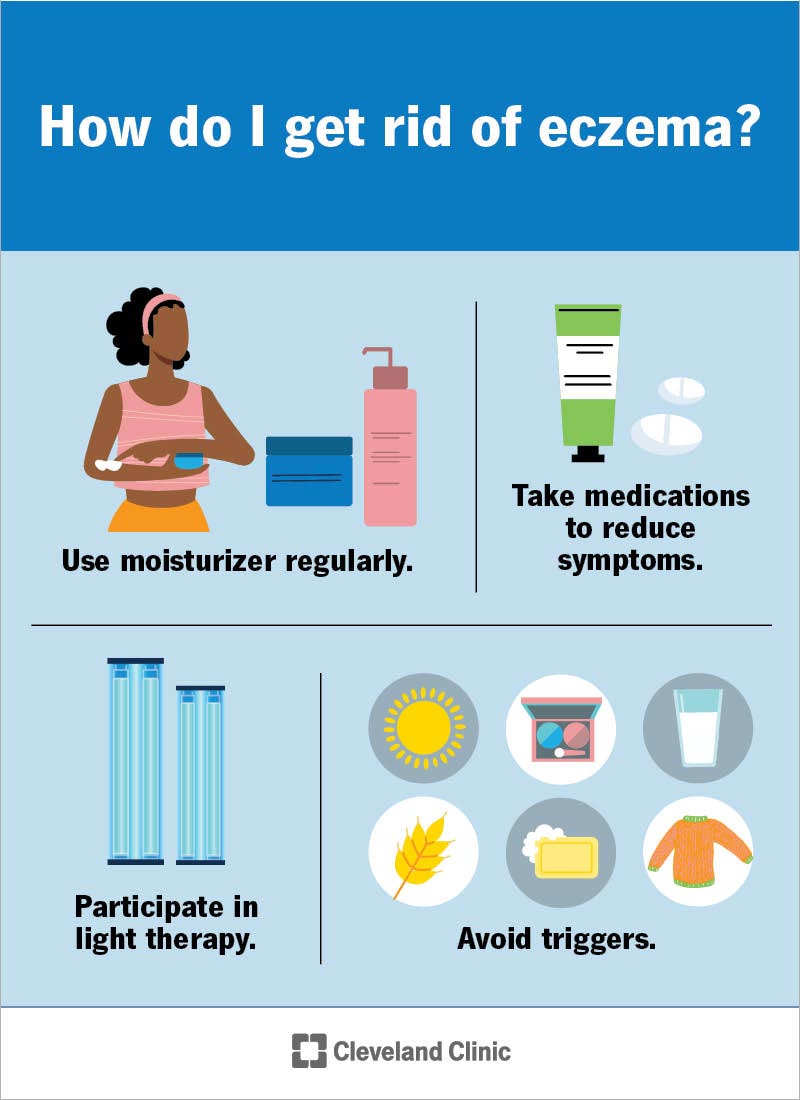
Topical steroids are one of the most commonly prescribed medications for atopic eczema. They come in various strengths and formulations and work by reducing inflammation and relieving itching. It is important to follow the prescribed dosage and duration of use as prolonged and improper use of topical steroids can lead to skin thinning and other side effects.
Moisturizers
Applying moisturizers regularly is an essential part of managing atopic eczema. Moisturizers help hydrate the skin, reduce dryness and itching, and strengthen the skin barrier. Opt for moisturizers that are fragrance-free, hypoallergenic, and designed specifically for sensitive skin.
Antihistamines
Antihistamines may be prescribed to manage the itching associated with atopic eczema. These medications work by blocking the effects of histamine, a substance involved in allergic reactions that can contribute to the itching sensation. Antihistamines can cause drowsiness, so it is important to take them as recommended by your healthcare provider.
Immunosuppressants
In cases of severe atopic eczema that does not respond to other treatments, immunosuppressants may be prescribed. These medications work by suppressing the immune system to reduce inflammation. They are usually used for short periods of time and require careful monitoring by a healthcare professional due to the potential side effects.
Phototherapy
Phototherapy, also known as light therapy, involves exposing the affected skin to specific wavelengths of ultraviolet light. This treatment option can help reduce inflammation and itching in atopic eczema. Phototherapy is usually done under medical supervision and requires multiple sessions to achieve optimal results.

Exploring Natural Remedies for Atopic Eczema
In addition to conventional treatment options, many individuals with atopic eczema seek natural remedies to complement their treatment plan. While these remedies may not work for everyone, they are worth exploring to see if they provide relief.
Dietary Changes
Some individuals find that certain foods can trigger their atopic eczema flare-ups. Common triggers include dairy products, gluten, eggs, and nuts. Keeping a food diary and eliminating potential triggers from your diet may help identify specific foods that worsen your symptoms.
Probiotics
Probiotics are live bacteria and yeasts that are beneficial for the digestive system. Some studies suggest that taking probiotics may help improve atopic eczema symptoms, possibly by modulating the immune system and reducing inflammation. It is important to choose a high-quality probiotic supplement and consult with a healthcare professional before starting any new dietary regimen.
Coconut Oil
Coconut oil has been used for centuries as a natural moisturizer and may provide relief for atopic eczema symptoms. Its antimicrobial and anti-inflammatory properties can help soothe and hydrate the skin. Apply a thin layer of organic, unrefined coconut oil to the affected areas regularly to relieve itching and reduce dryness.
Aloe Vera
Aloe vera gel is known for its soothing and cooling properties. Applying pure aloe vera gel to the affected skin can help alleviate itching and inflammation associated with atopic eczema. Look for products that contain 100% pure aloe vera gel or extract and avoid those with added fragrances or chemicals.
Chamomile
Chamomile is a herb known for its calming and anti-inflammatory properties. Brew a strong chamomile tea, let it cool, and apply it to the affected areas using a clean cloth or cotton pad. Chamomile can help reduce itchiness and promote healing of the skin.
Oatmeal Baths
Taking oatmeal baths can provide relief for itchy and irritated skin. Add colloidal oatmeal or finely ground oats to a warm bath and soak for about 15-20 minutes. Oatmeal helps soothe inflamed skin and acts as a natural moisturizer.
Hemp Seed Oil
Hemp seed oil is rich in essential fatty acids, including omega-3 and omega-6, which are beneficial for the skin. Applying hemp seed oil to the affected areas can help reduce inflammation, moisturize the skin, and alleviate itchiness. Look for organic, cold-pressed hemp seed oil for maximum benefits.
Vitamin D
Some individuals with atopic eczema may have low levels of vitamin D. Increasing vitamin D intake through sunlight exposure or supplementation may help improve symptoms. However, it is important to consult with a healthcare professional to determine the appropriate dosage and duration of vitamin D supplementation.
Evening Primrose Oil
Evening primrose oil contains gamma-linolenic acid (GLA), an omega-6 fatty acid that may help reduce inflammation and improve skin barrier function in individuals with atopic eczema. It is available in supplement form and should be taken under the guidance of a healthcare professional.
Fish Oil
Fish oil supplements rich in omega-3 fatty acids may help reduce inflammation and improve symptoms of atopic eczema. Omega-3 fatty acids are known for their anti-inflammatory properties and can be beneficial for overall skin health. Consult with a healthcare professional to determine the appropriate dosage and type of fish oil supplement.

Lifestyle Modifications and Homecare for Atopic Eczema
Apart from medical treatments and natural remedies, making certain lifestyle modifications and practicing proper homecare can contribute to managing atopic eczema effectively.
Avoiding Triggers
Identifying and avoiding triggers that worsen atopic eczema symptoms is crucial. Common triggers include harsh soaps, certain fabrics, environmental allergens, and stress. Taking note of what triggers flare-ups and making necessary adjustments can help prevent future episodes.
Gentle Bathing and Moisturizing Routine
Taking short, lukewarm baths or showers using mild, fragrance-free cleansers is recommended for individuals with atopic eczema. After bathing, gently pat the skin dry and immediately apply moisturizer to lock in moisture. Moisturizing multiple times a day, especially after washing hands, can help keep the skin hydrated and reduce dryness.
Choosing Appropriate Clothing and Fabrics
Opting for soft, breathable clothing made from natural fibers like cotton can minimize irritation and friction on the skin. Avoid tight or scratchy clothing that can further aggravate atopic eczema symptoms. Additionally, washing clothes with fragrance-free detergents and avoiding fabric softeners or dryer sheets can prevent skin irritation.
Managing Stress
Stress can worsen atopic eczema symptoms, so finding healthy ways to manage stress is essential. Engaging in activities like yoga, meditation, deep breathing exercises, or pursuing hobbies can help reduce stress levels and improve overall well-being. Getting enough sleep and maintaining a balanced lifestyle also contribute to stress management.
Keeping Nails Short and Clean
Trimming nails short and keeping them clean can prevent scratching and further damage to the skin. Scratching the itchy skin can lead to infections and worsening of atopic eczema symptoms. Regularly moisturizing hands and wearing cotton gloves at night can also prevent scratching during sleep.
Maintaining a Healthy Environment
Maintaining a clean and allergen-free environment can help manage atopic eczema. Regularly dusting and vacuuming the house, washing bedding in hot water, and minimizing exposure to pet dander, pollen, or mold can reduce allergens that may trigger flare-ups. Using a humidifier to add moisture to the air can also prevent the skin from becoming too dry.
Natural Remedies Precautions and Side Effects
While natural remedies can be beneficial for managing atopic eczema, it is important to exercise caution and be aware of potential precautions and side effects.
Consulting a Healthcare Professional
Before incorporating any natural remedies into your atopic eczema treatment plan, it is crucial to consult with a healthcare professional. They can assess your individual situation, provide guidance, and ensure that the chosen remedies do not interact negatively with any medications or exacerbate existing conditions.
Possible Interactions with Medications
Certain natural remedies may interact with medications, including immunosuppressants or antihistamines. It is essential to inform your healthcare provider about any natural remedies you are considering to avoid potential adverse effects or drug interactions.
Allergic Reactions and Sensitivities
Although natural remedies are generally considered safe, some individuals may still experience allergic reactions or sensitivities to certain ingredients. It is recommended to perform a patch test before using any new natural remedy on a larger area of the skin. If you experience any adverse reactions, discontinue use and seek medical advice.
In conclusion, atopic eczema is a chronic skin condition that can significantly impact one’s quality of life. Understanding the causes, symptoms, and available treatment options is crucial for effectively managing this condition. Conventional treatments, natural remedies, and lifestyle modifications can work together to alleviate symptoms and improve the overall well-being of individuals with atopic eczema. Remember to consult with a healthcare professional before incorporating any new treatments or remedies into your routine and to be patient with the process of finding what works best for you. With the right combination of treatments and self-care, you can regain control over your atopic eczema and enjoy healthier, more comfortable skin.