
Imagine having to deal with itchy and inflamed skin on a daily basis, affecting not only your physical comfort but also your emotional well-being. This is the reality for individuals with atopic eczema, a chronic condition that affects millions worldwide. In this article, we will delve into the latest research on atopic eczema and explore its impact on the quality of life. By understanding the findings of these studies, you will gain valuable insights into the challenges faced by those living with this condition and the potential strategies to improve their overall well-being.

Definition of Atopic Eczema
Atopic eczema, also known as atopic dermatitis, is a chronic inflammatory skin condition that affects millions of people worldwide. It is characterized by dry, itchy, and inflamed skin, which can lead to redness, swelling, and the formation of small, fluid-filled blisters. Atopic eczema commonly appears on the face, neck, elbows, knees, or other areas of the body where skin folds are present. It is more prevalent in children, but can also affect adults.
Classification of Atopic Eczema
Atopic eczema is classified as a type of allergic disease, as it involves an overactive immune response to certain triggers. It is considered a multifactorial disease, meaning that multiple genetic and environmental factors contribute to its development. The exact cause of atopic eczema is still not fully understood, but researchers believe that a combination of genetic predisposition, a dysfunctional skin barrier, immune system dysregulation, and environmental factors all play a role.

Prevalence of Atopic Eczema
Atopic eczema is a common skin condition, with a prevalence rate varying between different countries and populations. In developed countries, such as the United States and Europe, the prevalence of atopic eczema in children can be as high as 20%. The prevalence is generally lower in adults, affecting around 1-3% of the adult population. It is more common in urban areas and among individuals with a family history of atopic diseases, such as asthma or allergic rhinitis.
Symptoms of Atopic Eczema
The symptoms of atopic eczema can vary from person to person, but the most common symptoms include dry, itchy skin, redness, inflammation, and the formation of small, fluid-filled blisters. The affected skin may become scaly, rough, and thickened over time. Scratching the itchy skin can lead to further complications, such as infection and scarring. In severe cases, atopic eczema can cause significant discomfort and affect daily activities.

Causes of Atopic Eczema
The exact causes of atopic eczema are still not fully understood, but a combination of genetic and environmental factors contribute to its development. Researchers have identified several genes that are associated with an increased risk of developing atopic eczema, suggesting a genetic predisposition. Additionally, a dysfunctional skin barrier, which allows moisture to escape and irritants to penetrate the skin, is believed to play a role. Environmental factors such as allergens, irritants, climate, and stress can also trigger or worsen symptoms.
Diagnosis of Atopic Eczema
To diagnose atopic eczema, healthcare professionals typically perform a combination of physical examination, medical history review, and allergy testing to rule out other possible conditions.
Physical Examination
During a physical examination, the healthcare provider will examine the affected skin and look for typical signs of atopic eczema, such as redness, swelling, and rough patches. They may also assess the severity of the condition by using various scoring systems, such as the Eczema Area and Severity Index (EASI) or the Scoring Atopic Dermatitis (SCORAD) index.
Medical History
Obtaining a detailed medical history is crucial in diagnosing atopic eczema. The healthcare provider will ask about the patient’s symptoms, onset, and duration of the condition, any triggers or exposures that worsen the symptoms, and any previous treatments or attempts to manage the condition.
Testing for Allergies
Allergy testing may be recommended to identify specific allergens that can trigger or exacerbate atopic eczema symptoms. This can be done through skin prick testing or blood tests for specific IgE antibodies. Identifying and avoiding allergens can help reduce symptoms and manage the condition better.
Differential Diagnosis
Atopic eczema can sometimes be confused with other skin conditions, such as contact dermatitis, psoriasis, or fungal infections. A differential diagnosis is performed to distinguish between these conditions and accurately diagnose atopic eczema. This may involve additional tests or consultations with specialists, such as dermatologists or allergists.
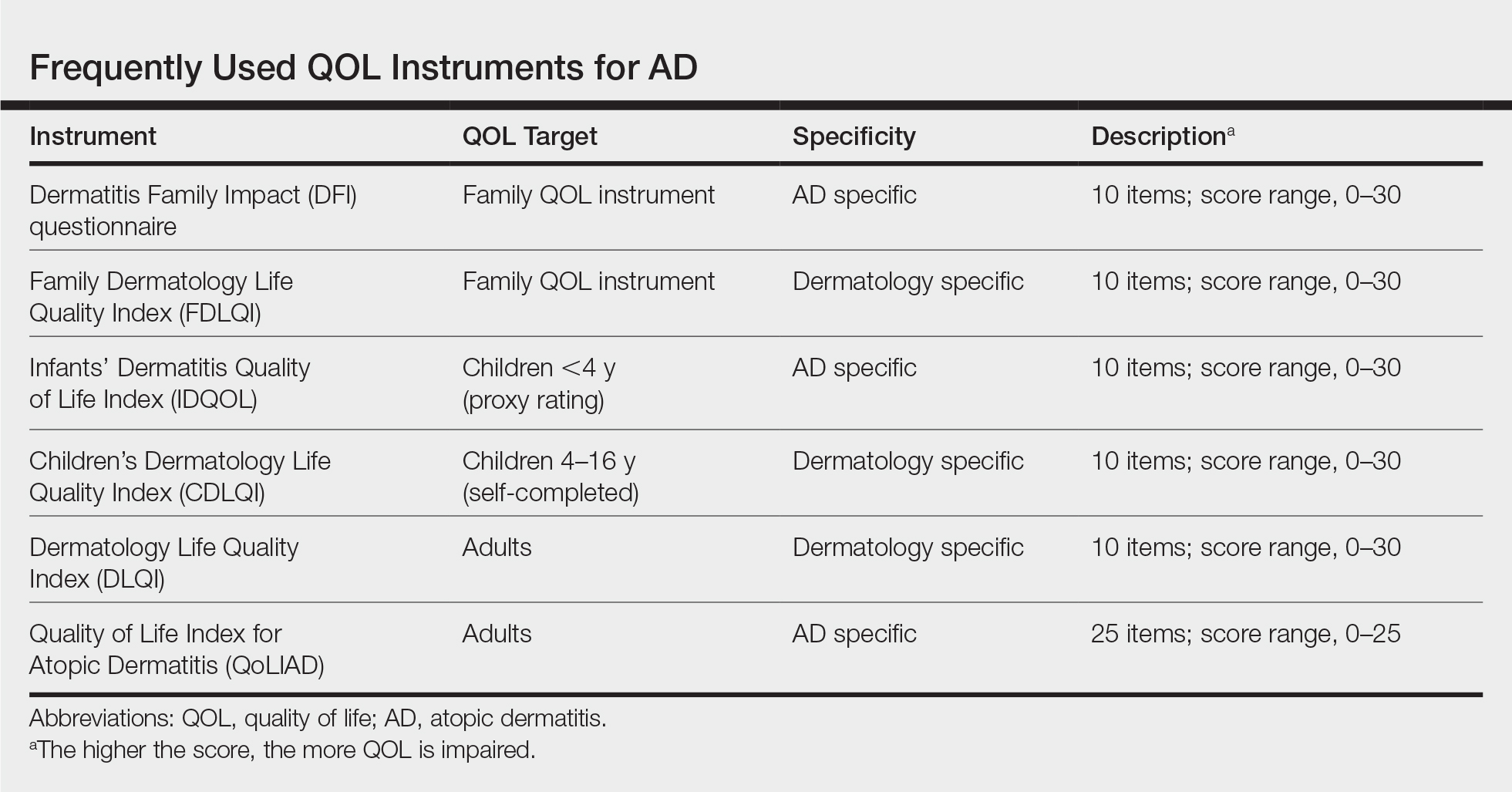
Impact of Atopic Eczema on Quality of Life
Atopic eczema can have a significant impact on various aspects of a person’s quality of life, including their psychological well-being, social interactions, physical comfort, and financial burden.
Psychological Impact
The chronic nature of atopic eczema and its visible symptoms can cause psychological distress and emotional burden. Individuals with atopic eczema may experience low self-esteem, depression, anxiety, and body image issues. The constant itchiness and discomfort can also lead to irritability, sleep disturbances, and difficulties in concentration and focus.
Social Impact
Atopic eczema can affect social interactions and relationships. The visible skin symptoms may lead to stigmatization, avoidance by others, or misunderstanding of the condition. Children with atopic eczema may face bullying or exclusion from social activities due to their skin condition. This can lead to feelings of isolation and a reduced quality of life.
Physical Impact
The physical symptoms of atopic eczema, such as intense itching, pain, and sleep disturbances, can significantly impact a person’s physical comfort and overall well-being. Constant scratching may cause open wounds, infections, and scarring, leading to further discomfort and complications. The dry, inflamed skin can also affect mobility and daily activities.
Financial Impact
Managing atopic eczema can impose a financial burden on individuals and their families. The costs associated with doctor visits, medications, skincare products, and specialized clothing or bedding can add up over time. Additionally, the condition may result in missed work or school days, leading to potential loss of income or educational opportunities.
Effect of Atopic Eczema on Sleep
Sleep disturbances are common in individuals with atopic eczema and can have a significant impact on their overall well-being and daily functioning.
Sleep Disturbances
The intense itching and discomfort experienced by individuals with atopic eczema often worsen at night, leading to difficulties falling asleep and maintaining a good sleep quality. Constant scratching during the night can disrupt sleep patterns, causing frequent awakenings and reduced sleep duration. This can result in daytime fatigue, irritability, and reduced cognitive function.
Impact on Daily Functioning
The lack of quality sleep due to atopic eczema can impact daily functioning. Individuals may experience difficulties in concentration, memory, and problem-solving, affecting performance at work or school. The daytime fatigue and irritability can also affect mood and interpersonal relationships.
Management of Sleep Problems
Managing sleep problems associated with atopic eczema is crucial to improving quality of life. Establishing a bedtime routine, keeping the bedroom environment cool and comfortable, using hypoallergenic bedding, and using gentle moisturizers or medications to relieve itching can help promote better sleep. Consulting with healthcare professionals for additional strategies and support is recommended.

Co-morbidities and Atopic Eczema
Atopic eczema is often associated with other atopic conditions, particularly asthma and allergic rhinitis. The coexistence of these conditions can complicate management and impact overall health.
Association with Asthma and Allergic Rhinitis
Many individuals with atopic eczema also have a history of asthma or allergic rhinitis. This suggests a shared underlying mechanism and immune dysregulation. The presence of one atopic condition can increase the risk of developing others, leading to a more complex clinical picture.
Other Associated Conditions
Research has shown that atopic eczema may also be associated with other health conditions, such as food allergies, eosinophilic esophagitis, and allergic conjunctivitis. Understanding these associations is essential for comprehensive patient management and effective treatment strategies.
Impact of Atopic Eczema on Children
Atopic eczema can have unique effects on children, affecting their growth, development, education, and overall well-being.
Effects on Growth and Development
The chronic nature of atopic eczema and the associated discomfort can affect a child’s growth and development. Sleep disturbances, poor appetite, and the constant need for scratching can lead to reduced food intake, inadequate nutrition, and delayed weight gain. The psychological impact of atopic eczema can also affect a child’s self-esteem, social interactions, and emotional well-being.
Educational Impact
Children with atopic eczema may face challenges in their education due to the condition. The visible symptoms may lead to bullying, social exclusion, or difficulty concentrating in school. Missed school days due to flare-ups or medical appointments can disrupt learning and educational progress. Collaboration between healthcare providers, teachers, and parents is important in supporting the educational needs of children with atopic eczema.
Management Strategies for Children
Managing atopic eczema in children involves a multi-faceted approach that includes skincare routines, trigger avoidance, appropriate clothing choices, and age-appropriate self-care techniques. Regular communication and follow-up with healthcare providers, along with parental support and education, play a vital role in minimizing the impact on a child’s quality of life.
Treatment Options for Atopic Eczema
Treating atopic eczema aims to control symptoms, reduce inflammation, and restore the skin barrier function. Various treatment options are available, depending on the severity of the condition and individual patient characteristics.
Topical Corticosteroids
Topical corticosteroids are commonly prescribed to reduce inflammation and relieve itching in atopic eczema. They work by suppressing the immune response and reducing the activity of inflammatory mediators. These medications should be used as directed and under the guidance of a healthcare professional to minimize side effects.
Moisturizers and Emollients
Regular and frequent use of moisturizers and emollients is essential in managing atopic eczema. These products help restore and maintain the skin barrier function, preventing dryness and reducing the risk of flare-ups. Moisturizers should be rich in ceramides, humectants, and occlusive agents to effectively hydrate the skin.
Topical Calcineurin Inhibitors
Topical calcineurin inhibitors, such as tacrolimus and pimecrolimus, are non-steroidal medications used for the treatment of atopic eczema. They work by inhibiting immune cells’ activation and reducing inflammation. These medications are often prescribed for sensitive areas, such as the face or genital region, where the use of corticosteroids may be challenging.
Systemic Treatments
In severe cases of atopic eczema that do not respond to topical treatments, systemic medications may be prescribed. These include oral corticosteroids, cyclosporine, methotrexate, or biologic agents. Systemic treatments are generally reserved for cases where the benefits outweigh the potential risks and side effects.
Lifestyle Management for Atopic Eczema
In addition to medical treatments, lifestyle management plays an important role in managing atopic eczema and reducing flare-ups.
Skin Care Routine
Establishing a regular skincare routine is crucial in managing atopic eczema. This includes using gentle, fragrance-free cleansers, lukewarm water for bathing, and applying moisturizers immediately after patting the skin dry. Using appropriate clothing made from soft, natural fabrics and avoiding tight or irritating fabrics can also help minimize friction and skin irritation.
Avoidance of Triggers
Identifying and avoiding triggers that exacerbate atopic eczema symptoms is an important part of management. Common triggers include certain foods, environmental allergens (such as dust mites, pet dander, or pollen), irritants (such as harsh soaps or detergents), and climate factors (such as extreme temperatures or low humidity). Keeping a diary to track symptom patterns and identifying triggers can help individuals make informed lifestyle choices.
Dietary Considerations
While there is no specific diet that can cure atopic eczema, some dietary changes may help manage the condition. Individuals may find it beneficial to avoid or limit potential food triggers, such as dairy, eggs, wheat, soy, or certain fruits and nuts. However, it is important to consult with a healthcare professional or a registered dietitian before making any significant dietary changes.
Stress Management
Stress can exacerbate atopic eczema symptoms and lead to more frequent flare-ups. Engaging in stress-reducing activities, such as exercise, meditation, yoga, or spending time in nature, can help manage stress levels. Seeking support from friends, family, or support groups can also provide emotional and psychological support.
Novel Therapies and Research
Ongoing research and advancements in the field of atopic eczema offer hope for better treatment options and improved quality of life for affected individuals.
Biologic Agents
Biologic agents are a relatively new class of medications that target specific molecules or pathways involved in atopic eczema. These medications, such as dupilumab, have shown promising results in clinical trials and are approved for use in some countries. Biologic therapies may provide an alternative for individuals who do not respond well to traditional treatments or experience severe side effects.
Targeted Therapies
Researchers are exploring targeted therapies that focus on specific immune cells or pathways involved in atopic eczema. By inhibiting or modulating these specific targets, they aim to reduce inflammation and prevent flare-ups. These targeted therapies hold promise for more effective and personalized treatments.
Gene and Stem Cell Therapy
Advancements in gene and stem cell therapy offer potential future treatment options for atopic eczema. Researchers are investigating ways to modify genes associated with the condition or use stem cells to regenerate healthy skin in individuals with severe atopic eczema. While these approaches are still in the early stages of research, they hold promise for the future.
Future Outlook for Atopic Eczema
The future outlook for atopic eczema is bright, with ongoing advancements in treatment options, prevention strategies, and patient empowerment.
Advancements in Treatment
Continued research into the underlying mechanisms of atopic eczema is likely to lead to more targeted and effective treatment options. The development of new medications and formulations, as well as refinements to existing therapies, will contribute to better symptom control and improved quality of life for individuals living with atopic eczema.
Prevention Strategies
Efforts to prevent atopic eczema are focused on identifying and avoiding risk factors, such as early-life exposure to allergens or irritants. Interventions such as exclusive breastfeeding, proper skin care in infancy, and reducing exposure to potential triggers may help reduce the incidence and severity of atopic eczema. Continued research in this area will provide valuable insights into effective prevention strategies.
Patient Empowerment
Empowering individuals with atopic eczema through education, support, and access to resources is crucial for better self-management and overall well-being. Support groups, educational materials, and online communities can provide a platform for individuals to connect, share experiences, and learn from each other. Healthcare professionals can play a pivotal role in empowering patients by providing personalized care plans, addressing concerns, and promoting self-care techniques.
In conclusion, atopic eczema is a chronic inflammatory skin condition that affects millions of people worldwide. Its impact on quality of life, sleep, and overall well-being highlights the importance of effective management strategies and ongoing research. With advancements in treatment options, prevention strategies, and patient empowerment, there is hope for a brighter future for individuals living with atopic eczema.