
Back pain can be a debilitating condition that affects millions of people worldwide. Whether it’s a dull ache or a sharp, shooting pain, understanding what causes back pain is crucial in finding relief and preventing further discomfort. From poor posture and muscle strain to injuries and underlying medical conditions, this article will explore the various factors that can contribute to back pain, offering valuable insights and tips to help you manage and prevent this common issue. So, whether you’re currently dealing with back pain or simply interested in learning more, let’s dive into the causes of this prevalent yet often misunderstood condition.
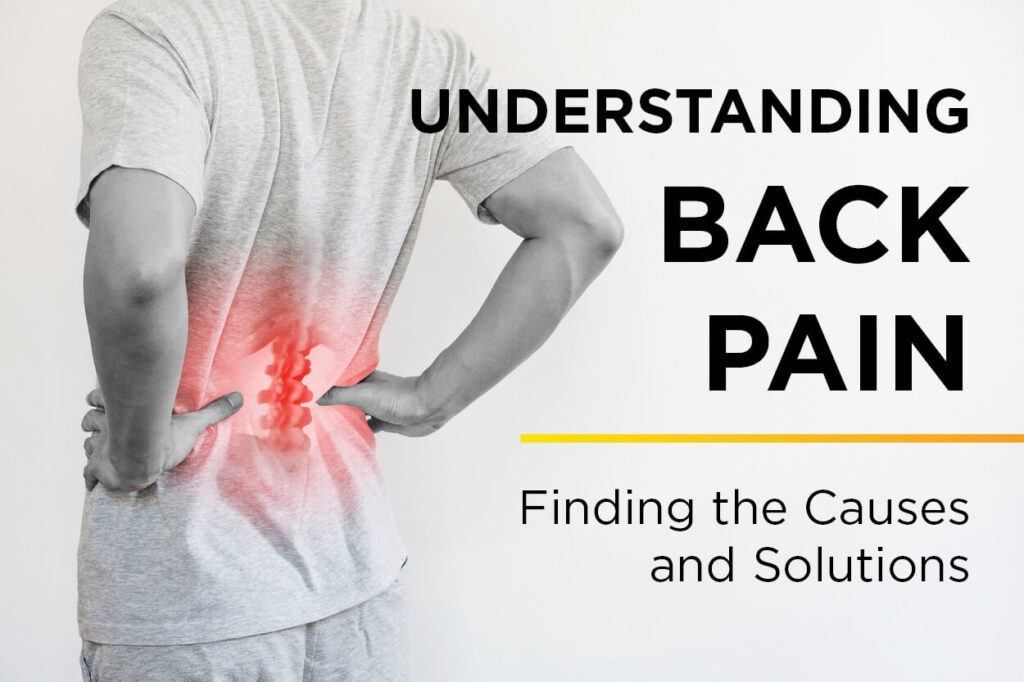
Anatomy of the Back
The back is an incredible structure composed of various components that work together to provide support, stability, and flexibility. To better understand the causes of back pain, it is important to have a basic understanding of the anatomy of the back.
Spine
The spine, or vertebral column, is the central framework of the back. It consists of a series of bony vertebrae stacked on top of each other. The spine not only provides structural support but also allows for movement and protects the delicate spinal cord.
Intervertebral Discs
Between each pair of vertebrae are intervertebral discs. These discs act as shock absorbers, cushioning the vertebrae and allowing for smooth movement of the spine. They are composed of a tough outer layer called the annulus fibrosus and a gel-like center called the nucleus pulposus.
Muscles and Ligaments
The back is supported by a network of muscles and ligaments. Muscles, such as the erector spinae, trapezius, and latissimus dorsi, provide strength and stability to the spine. Ligaments, on the other hand, connect bones to each other, helping to support and stabilize the spine.
Common Causes of Back Pain
Back pain can have a variety of causes, ranging from muscle strain to serious medical conditions. Understanding the common causes can help you identify the source of your back pain and seek appropriate treatment.
Muscle Strain
One of the most common causes of back pain is muscle strain. This can occur as a result of sudden or excessive movement, lifting heavy objects, or poor posture. Muscle strains often cause localized pain, muscle spasms, and difficulty moving.
Herniated Discs
A herniated disc, also known as a slipped or ruptured disc, occurs when the soft gel-like center of a disc protrudes through a tear in the outer layer. This can put pressure on nearby nerves and result in back pain, numbness, tingling, and weakness in the affected area.
Spinal Stenosis
Spinal stenosis is a condition characterized by the narrowing of the spinal canal, which puts pressure on the spinal cord and nerves. This can cause back pain, as well as symptoms such as leg pain, numbness, and difficulty walking.
Osteoarthritis
Osteoarthritis is a degenerative joint disease that commonly affects the spine. It occurs when the protective cartilage that cushions the joints wears down over time. This can result in back pain, stiffness, and decreased range of motion.
Poor Posture
Sitting or standing with poor posture for extended periods can contribute to back pain. Slouching or hunching forward puts increased stress on the spine, leading to muscle imbalances and discomfort.
Scoliosis
Scoliosis is a condition characterized by an abnormal curvature of the spine. This can cause back pain, muscle imbalances, and changes in posture. Scoliosis can be present from birth or develop later in life.
Spondylolisthesis
Spondylolisthesis occurs when one vertebra slips forward or backward onto the vertebra below it. This can result in back pain, as well as nerve compression and related symptoms.
Osteoporosis
Osteoporosis is a condition marked by a loss of bone density, making the bones more susceptible to fractures. In the spine, this can lead to compression fractures and back pain.
Infections
Infections of the spine, such as vertebral osteomyelitis, can cause severe back pain. These infections can be the result of bacteria or fungi entering the spine through the bloodstream or from nearby tissue.
Trauma
Traumatic injuries, such as those sustained in car accidents or falls, can cause significant back pain. Fractures, sprains, and strains are common injuries that can result in acute or chronic pain.

Risk Factors for Back Pain
While back pain can affect anyone, certain factors can increase your risk of experiencing it. Understanding these risk factors can help you take appropriate precautions and make lifestyle changes to protect your back health.
Age
Back pain becomes more common as you get older. The natural wear and tear on the spine, as well as degenerative changes, can contribute to the development of back pain.
Obesity
Carrying excess weight puts additional stress on the spine. The added strain can contribute to the development of back pain and increase the risk of other musculoskeletal conditions.
Lack of Exercise
A sedentary lifestyle can weaken the muscles that support the spine, making you more susceptible to back pain. Regular exercise, particularly activities that strengthen the core and back muscles, can help prevent back pain.
Occupational Factors
Certain occupations that involve heavy lifting, repetitive movements, or prolonged sitting or standing can increase the risk of back pain. Proper ergonomics and taking regular breaks can help mitigate these risks.
Genetics
Some individuals may have a genetic predisposition to certain conditions, such as scoliosis or degenerative disc disease, which can cause back pain. Understanding your family medical history can help you be proactive in managing your back health.
Psychological Factors
Stress, anxiety, and depression can contribute to or exacerbate back pain. Emotional and mental well-being is closely linked to physical health, and managing psychological factors can be key in preventing or managing back pain.
Musculoskeletal Disorders
Musculoskeletal disorders encompass a range of conditions that affect the muscles, bones, and joints. Several common musculoskeletal disorders can contribute to back pain.
Sprains and Strains
Sprains and strains occur when the ligaments or muscles in the back are stretched or torn. These injuries can result from sudden movements, lifting heavy objects, or accidents. They can cause localized pain, swelling, and limited range of motion.
Disc Degeneration
As the discs between the vertebrae age and wear down, they can degenerate. This can lead to changes in the shape and structure of the discs, resulting in back pain, stiffness, and decreased flexibility.
Spondylolysis and Spondylolisthesis
Spondylolysis refers to a stress fracture in the pars interarticularis, a small segment of bone connecting the upper and lower joints of a vertebra. Spondylolisthesis occurs when that fractured segment slips out of place. Both conditions can cause back pain and may require medical intervention.

Degenerative Conditions
Certain degenerative conditions can affect the spine and contribute to back pain. Understanding these conditions can help you identify and manage the underlying cause of your pain.
Osteoarthritis
Osteoarthritis is a common degenerative joint disease that can affect the spine. It occurs when the protective cartilage that cushions the joints gradually wears away. This can lead to bone spurs, inflammation, and pain in the affected joints.
Degenerative Disc Disease
Degenerative disc disease is a condition characterized by the gradual deterioration of the intervertebral discs. As the discs lose their ability to provide cushioning and shock absorption, the vertebrae may come into contact with each other, leading to back pain, stiffness, and limited mobility.
Facet Joint Osteoarthritis
The facet joints are the small joints in the back of the spine that connect adjacent vertebrae. Over time, these joints can degenerate, leading to facet joint osteoarthritis. This condition can cause back pain, stiffness, and reduced range of motion.
Spinal Abnormalities
Various spinal abnormalities can cause back pain, affecting the alignment and curvature of the spine. Understanding these conditions can help you seek appropriate treatment and management options.
Scoliosis
Scoliosis is a condition characterized by an abnormal sideways curvature of the spine. This can result in an S-shaped or C-shaped appearance. Scoliosis can range from mild to severe and may require treatment, depending on the degree of curvature and associated symptoms.
Kyphosis
Kyphosis refers to an excessive outward curvature of the upper back, resulting in a rounded or hunched posture. This condition can cause back pain and reduce flexibility and mobility.
Lordosis
Lordosis is an excessive inward curvature of the lower back, causing a swayback appearance. While some degree of lordosis is normal, excessive curvature can lead to back pain and postural problems.

Inflammation and Infection
In certain cases, back pain can be caused by inflammation or infection within the spine. Understanding these conditions can help you recognize the symptoms and seek appropriate medical attention.
Ankylosing Spondylitis
Ankylosing spondylitis is a type of arthritis that primarily affects the spine. It causes inflammation, pain, and stiffness, and can lead to the fusion of the vertebrae if left untreated. This condition often begins in early adulthood and gradually worsens over time.
Infections of the Spine
In rare cases, infections can affect the spine, leading to severe back pain. Bacterial or fungal infections can enter the spine through the bloodstream or as a result of nearby tissue infections. Prompt medical attention is crucial for the treatment of these infections.
Mechanical Causes
Certain mechanical factors can contribute to the development of back pain. Understanding these causes can help you make lifestyle changes and seek appropriate treatment.
Poor Posture
Maintaining poor posture while sitting or standing can put excessive stress on the spine and its supporting structures. Slouching or hunching forward can lead to muscle imbalances and increased risk of back pain.
Muscle Imbalances
Muscle imbalances in the back can occur when certain muscles are stronger or more dominant than others. This can lead to abnormal movement patterns, increased stress on certain structures, and back pain.
Repetitive Strain Injuries
Repetitive movements, particularly those involving twisting, bending, or lifting, can result in repetitive strain injuries. These injuries can cause inflammation, muscle imbalances, and chronic back pain.

Traumatic Causes
Back pain can also result from traumatic events or injuries. Understanding these causes can help you recognize the need for immediate medical attention.
Sports Injuries
Sports that involve contact, twisting, or heavy impact can lead to back injuries. Sprains, strains, fractures, and other traumatic injuries can cause severe back pain and may require medical intervention.
Car Accidents
Motor vehicle accidents can result in significant back injuries. The force of impact, sudden jerking movements, or compression can cause fractures, herniated discs, or spinal cord injuries.
Falls
Falling from a height or slipping and landing on your back can cause back injuries and pain. Fractures, strains, and sprains are common fall-related injuries that may require medical attention.
Medical Conditions
In some cases, back pain may be a symptom of an underlying medical condition that affects other parts of the body.
Kidney Stones
Kidney stones are hard deposits that form in the kidneys and can cause severe pain as they move through the urinary tract. In some cases, kidney stones can cause referred pain to the back.
Endometriosis
Endometriosis is a condition in which tissue similar to the lining of the uterus grows outside the uterus. This can cause pain in the lower back and pelvic area, particularly during menstruation.
Fibromyalgia
Fibromyalgia is a chronic pain disorder that causes widespread musculoskeletal pain, including in the back. Other symptoms of fibromyalgia include fatigue, sleep disturbances, and cognitive difficulties.
Understanding the causes and risk factors for back pain is an essential step in maintaining a healthy back and seeking appropriate treatment when needed. By addressing lifestyle factors, seeking medical attention when necessary, and adopting preventive measures, you can protect the health and well-being of your back. Remember to listen to your body, practice good posture, and engage in regular exercise to keep your back strong and pain-free.