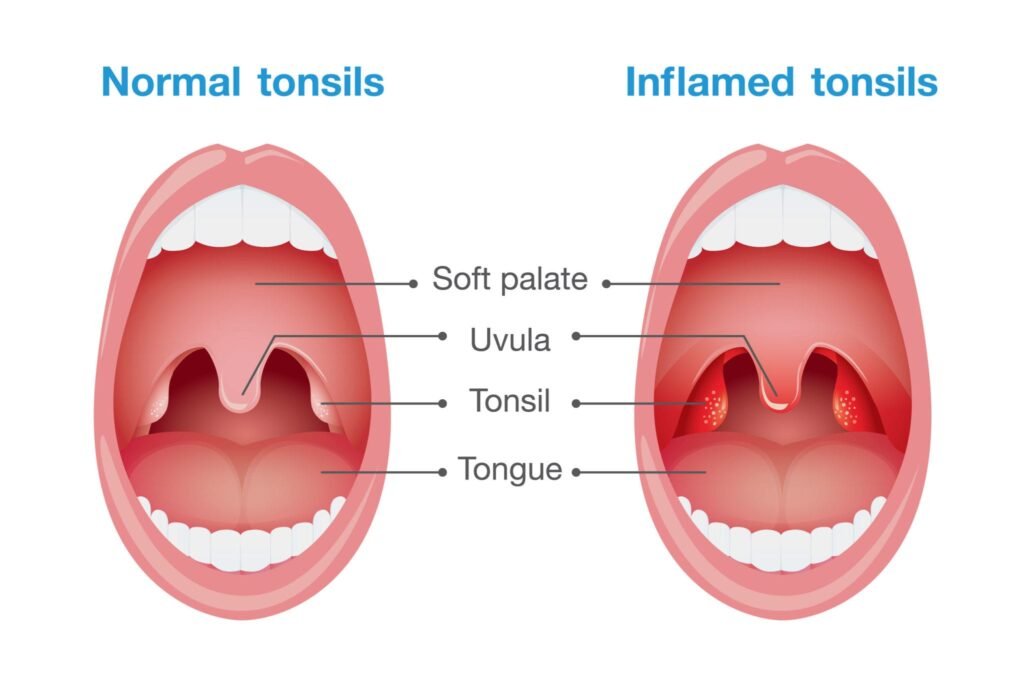
Imagine waking up in the morning with a fresh, clean mouth and a confident smile. As you go about your day, you notice people gravitating towards you, engaging in conversations effortlessly. You feel a sense of assurance knowing that your dental health is in check. However, it’s crucial to acknowledge the link between halitosis, commonly known as bad breath, and dental health. In this article, we will explore how maintaining optimal dental health can pave the way to banishing unpleasant odors and embracing a breath of fresh air.
The Link between Halitosis and Dental Health
Halitosis, commonly known as bad breath, can be an embarrassing and unpleasant condition. It is a common misconception that halitosis is solely caused by poor oral hygiene. While oral hygiene does play a crucial role, there are several other factors that contribute to this condition. In this article, we will explore the link between halitosis and dental health, discussing its causes and ways to prevent and treat it.
Definition of Halitosis
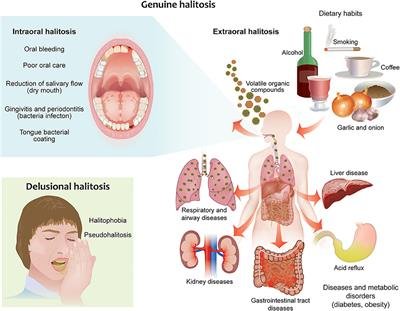
Halitosis is defined as persistent bad breath that cannot be easily neutralized by brushing, flossing, or using mouthwash. It is a symptom of an underlying issue rather than a standalone condition. Halitosis can be caused by a number of factors, including oral bacteria, plaque and tartar build-up, gum disease, tooth decay, dry mouth, impacted wisdom teeth, poor oral hygiene, medications, and diet.
Causes of Halitosis
-
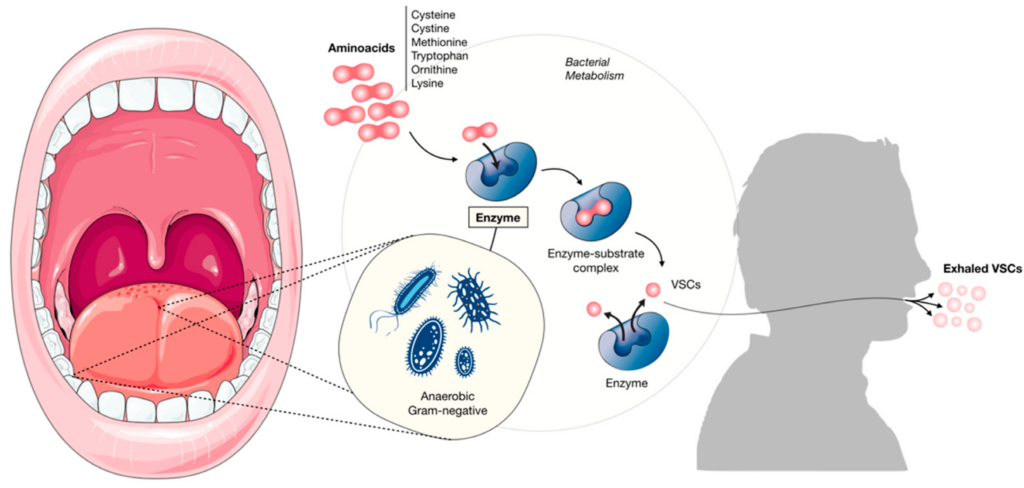
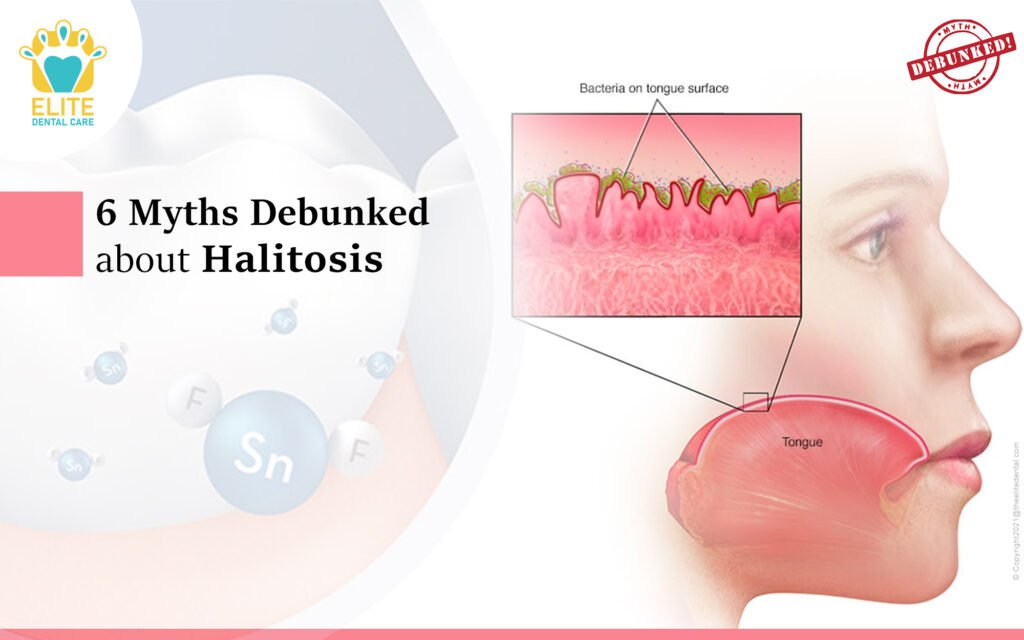
Oral Bacteria and Halitosis: The mouth is home to countless bacteria, some of which produce volatile sulfur compounds that result in foul-smelling breath. These bacteria thrive in an environment that lacks oxygen, such as the back of the tongue, between teeth, and around dental fillings. Regular brushing, flossing, and tongue cleaning can help reduce the number of bacteria and alleviate halitosis.
-
Plaque and Tartar Build-Up: Plaque is a sticky film of bacteria that forms on teeth and gums. If not properly removed through brushing and flossing, plaque can harden and turn into tartar. Both plaque and tartar can contribute to halitosis by harboring bacteria and giving off unpleasant odors. Regular dental cleanings and good oral hygiene practices can help prevent plaque and tartar build-up.
-
Gum Disease and Halitosis: Gum disease, also known as periodontal disease, is an infection of the tissues surrounding and supporting the teeth. One of the hallmarks of gum disease is persistent bad breath. The bacteria in the pockets formed by gum disease produce toxins that cause bad breath. Treating gum disease through professional dental cleanings, medications, and improved oral hygiene can help alleviate halitosis.
-
Tooth Decay and Halitosis: Cavities or tooth decay occur when bacteria in the mouth produce acids that erode the tooth enamel. These bacteria can contribute to halitosis by releasing foul-smelling gases. Maintaining good oral hygiene, visiting the dentist regularly for check-ups and cleanings, and adopting a healthy diet low in sugary foods can help prevent tooth decay and halitosis.
-
Dry Mouth and Halitosis: Dry mouth, or xerostomia, occurs when there is a decrease in saliva production. Saliva is essential for maintaining a clean and healthy mouth, as it helps wash away bacteria and food particles. When saliva is reduced, bacteria can proliferate, leading to bad breath. Staying hydrated, using saliva-stimulating products, and avoiding alcohol and caffeine can help alleviate dry mouth and reduce halitosis.
-
Impacted Wisdom Teeth and Halitosis: Impacted wisdom teeth, which are trapped beneath the gum line, can create pockets where bacteria can accumulate and cause halitosis. Removing impacted wisdom teeth through oral surgery can eliminate this source of bad breath.
-
Poor Oral Hygiene and Halitosis: Neglecting oral hygiene practices such as irregular brushing, skipping flossing, and not cleaning the tongue can lead to the accumulation of bacteria and food particles that cause halitosis. Developing and maintaining a proper oral hygiene routine is crucial in preventing and treating halitosis.
-
Medications and Halitosis: Certain medications, including antihistamines, diuretics, and antidepressants, can cause dry mouth and contribute to halitosis. If you suspect that your medication is causing bad breath, consult with your doctor to explore alternative options or additional strategies to manage halitosis.
-
The Role of Diet in Halitosis: Certain foods, such as garlic, onions, and certain spices, contain volatile compounds that can be carried to the lungs and affect breath odor. Additionally, a diet high in sugary foods and drinks can contribute to tooth decay and bad breath. Modifying your diet to include more fresh fruits and vegetables, drinking plenty of water, and avoiding foods known to cause bad breath can aid in preventing and managing halitosis.
Preventing and Treating Halitosis
Preventing and treating halitosis involves addressing the underlying causes and adopting good oral hygiene practices. Here are some tips to help you combat bad breath:
- Brush your teeth at least twice a day, using a fluoride toothpaste, and clean your tongue with a tongue scraper or toothbrush.
- Floss daily to remove food particles and bacteria from between your teeth.
- Rinse your mouth with an antibacterial mouthwash to kill odor-causing bacteria.
- Stay hydrated throughout the day to promote saliva production and combat dry mouth.
- Avoid smoking and using tobacco products, as they contribute to bad breath.
- Visit your dentist for regular check-ups and professional cleanings.
- Maintain a healthy diet low in sugary foods and drinks.
- Chewing sugar-free gum or consuming sugar-free mints can help freshen breath temporarily.
- If you suspect that medications are causing halitosis, consult with your doctor for alternative options or additional strategies.
- Practice stress management techniques, as stress can exacerbate dry mouth, leading to halitosis.
In conclusion, halitosis is a multifactorial condition that is closely linked to dental health. By understanding the causes of halitosis and implementing preventive measures, you can maintain fresh breath and a healthy mouth. Remember, good oral hygiene practices, regular dental visits, and a balanced diet are key to preventing and treating halitosis.