
In this article, we explore the different stages of hair loss and provide you with a comprehensive understanding of the balding process. From minimal hair thinning to advanced hair loss, we’ll walk you through the various stages and discuss common causes and available treatment options. Whether you’re already experiencing hair loss or simply curious about the topic, we’ve got you covered with all the information you need to know about balding. Balding can be a challenging experience to go through, but understanding the stages of hair loss and the causes behind it can help you make informed decisions about your hair care. In this comprehensive article, we will explore the different stages of hair loss, the various causes, signs, and symptoms, as well as the diagnosis and treatment options available. We will also delve into the prevention and management of hair loss, and discuss the emotional and psychological impact it can have on individuals. Lastly, we will address some frequently asked questions to provide you with a well-rounded understanding of hair loss. So, let’s dive in and explore the world of hair loss together!
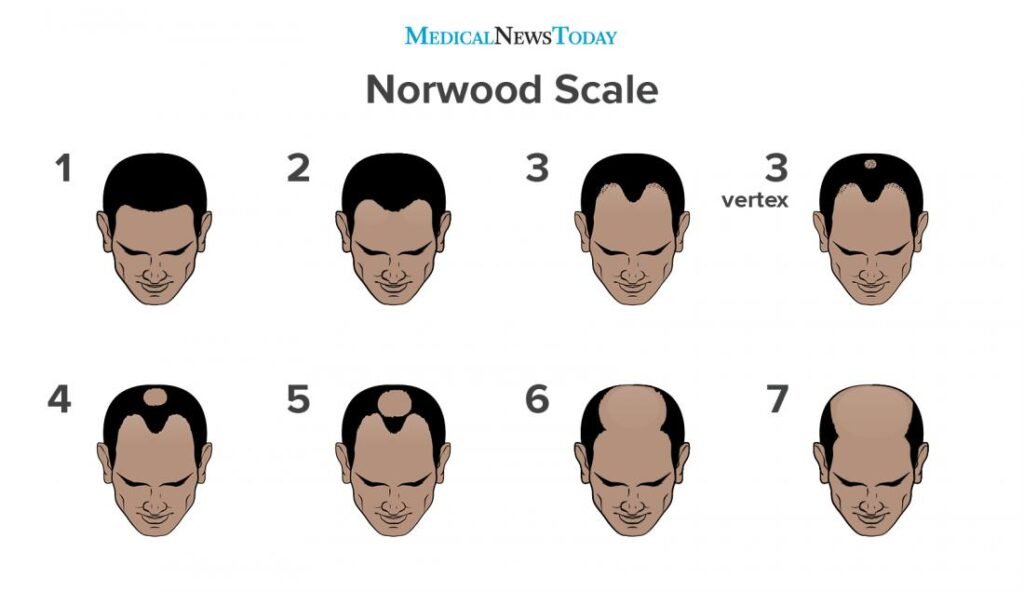
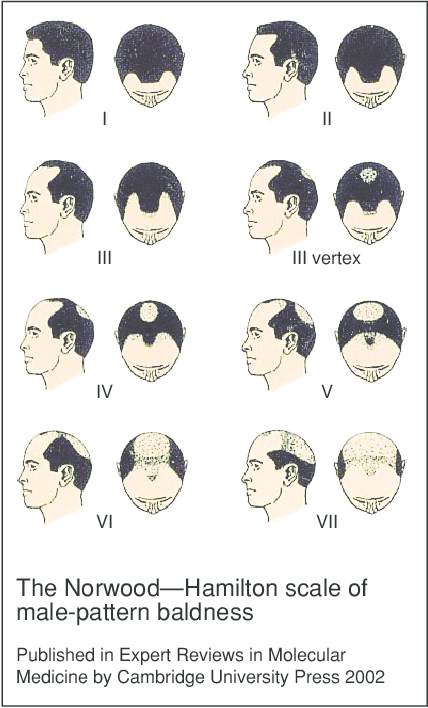
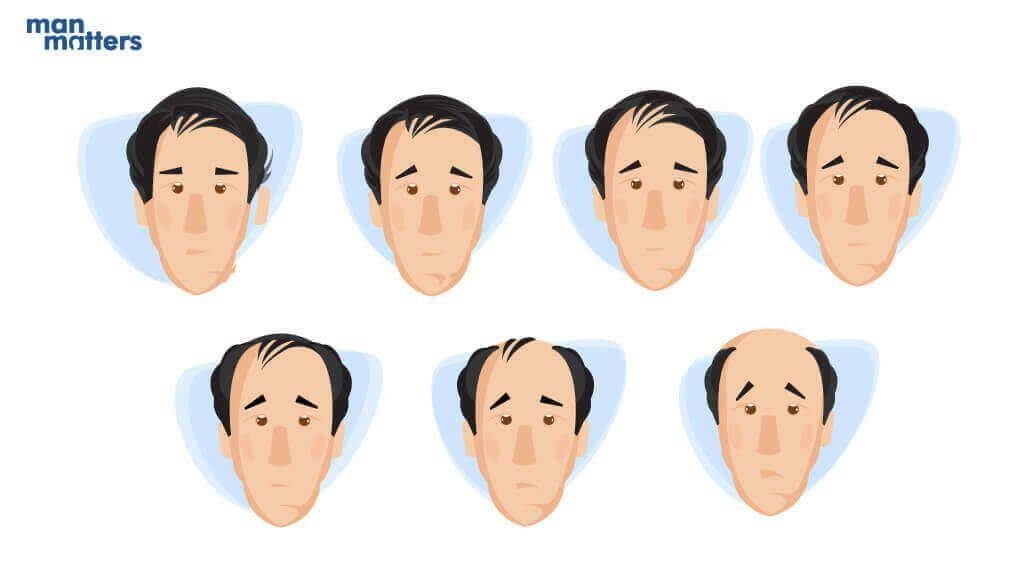
Stages of Hair Loss
Stage 1: Minimal Hair Loss
In the early stages of hair loss, you may notice minimal changes in your hair density or hairline. It might be characterized by a slightly receding hairline or some thinning of the hair. This stage is often not very noticeable to others but can be a cause for concern for the individual experiencing it.
Stage 2: Noticeable Hair Loss
As hair loss progresses, it becomes more noticeable. In this stage, you may observe a more significant receding hairline or thinning on the crown of your head. People around you might also start noticing the changes in your hairline or the overall volume of your hair.
Stage 3: Moderate Hair Loss
Moderate hair loss is when the thinning becomes more prominent, and the hairline recedes further. You may begin to develop bald spots or patches on your scalp. This stage can be emotionally distressing for many individuals, as the changes become more apparent.
Stage 4: Extensive Hair Loss
During this stage, the hair loss becomes more extensive, resulting in larger bald areas on the scalp. The severity of the hair loss may start affecting your self-confidence, as the changes become increasingly difficult to conceal.
Stage 5: Advanced Hair Loss
Advanced hair loss is characterized by a substantial loss of hair, leaving only a few patches of hair on the sides and back of the head. At this stage, options for concealing the hair loss become limited, and many individuals may start considering more aggressive treatment options.
Stage 6: Severe Hair Loss
Severe hair loss is a stage where the individual experiences significant baldness, with only sparse hair remaining on the scalp. This stage often necessitates more advanced treatment interventions to restore hair growth.
Stage 7: Complete Hair Loss
Complete hair loss, also known as total baldness, is the final stage of hair loss. At this point, the individual has lost all their hair, and the scalp becomes fully visible. While some people may embrace their baldness, others may actively seek treatments or solutions to manage or restore their hair.
Pattern Baldness: Male Pattern Baldness
Male pattern baldness, also called androgenic alopecia, is the most common cause of hair loss in men. It typically follows a specific pattern, starting with a receding hairline and thinning hair on the crown. This type of hair loss is primarily influenced by genetics and hormonal factors.
Pattern Baldness: Female Pattern Baldness
While less common than in men, female pattern baldness is a type of hair loss that affects women as well. It is characterized by overall thinning of the hair, especially on the top of the head. Female pattern baldness can have a significant impact on self-esteem and body image.
Pattern Baldness: Other Types of Pattern Baldness
In addition to male and female pattern baldness, there are other less common types of pattern baldness, such as alopecia areata and traction alopecia. Alopecia areata is an autoimmune condition that causes patchy hair loss, while traction alopecia occurs due to prolonged tension or pulling on the hair follicles.
Understanding these different stages and types of hair loss can provide you with valuable insights into your own situation and guide you towards appropriate treatment options. In the following sections, we will delve into the various causes of hair loss, helping you gain a deeper understanding of what may be contributing to your own hair loss journey.
Causes of Hair Loss
Genetics
One of the primary causes of hair loss is genetics. If you have a family history of hair loss, particularly in your immediate family, you may be more prone to experiencing hair loss yourself. Genetic hair loss is often referred to as hereditary pattern baldness and can affect both men and women.
Hormonal Changes
Hormonal changes, such as those that occur during puberty, pregnancy, menopause, or with conditions like Polycystic Ovary Syndrome (PCOS), can contribute to hair loss. Hormonal imbalances can affect the hair growth cycle, leading to increased shedding or decreased hair production.
Ageing
As we age, our bodies go through various changes, and hair loss can be one of them. Age-related hair loss, known as involutional alopecia, is a natural part of the aging process. The growth cycle of the hair follicles becomes shorter, and the hair becomes thinner and less vibrant.
Nutritional Deficiencies
Poor nutrition can impact the health and vitality of your hair. Deficiencies in essential vitamins and minerals, such as iron, zinc, vitamin D, and biotin, can contribute to hair loss. It’s important to maintain a balanced diet and consult with a healthcare professional if you suspect nutritional deficiencies may be causing your hair loss.
Medical Conditions
Certain medical conditions can lead to hair loss. Conditions such as thyroid disorders, autoimmune diseases (like alopecia areata or lupus), and scalp infections can disrupt the hair growth cycle and result in hair loss. It’s essential to consult with a healthcare provider to address any underlying medical conditions that may be contributing to your hair loss.
Medications
Some medications, such as chemotherapy drugs, anticoagulants, and certain antidepressants, can lead to hair loss as a side effect. If you are taking any medications and notice hair loss, discuss this with your healthcare provider to explore alternative options or potential solutions.
Stress and Trauma
Physical or emotional stress, traumatic events, major surgeries, or severe illnesses can trigger a type of hair loss called telogen effluvium. The stress disrupts the hair growth cycle, causing more hair follicles to enter the resting phase and subsequently shedding more hair than usual. Managing stress levels and adopting healthy coping strategies can help minimize this type of hair loss.
Hairstyling Practices
Certain hairstyling practices, such as tight ponytails, braids, or the excessive use of heat styling tools, can cause damage to the hair follicles, leading to hair loss. Avoiding hairstyles that put excessive tension or strain on your hair can help prevent this type of damage.
Chemical Exposures
Exposure to certain chemicals, such as those found in hair dyes, relaxers, or harsh hair products, can damage the hair and scalp, resulting in hair loss. It’s important to be mindful of the products you use and opt for gentler, more natural alternatives when possible.
Lifestyle Factors
Various lifestyle factors, such as smoking, excessive alcohol consumption, lack of exercise, and poor sleep habits, can impact your overall health, including the health of your hair. Maintaining a healthy lifestyle can contribute to the overall well-being of your hair.
Understanding the causes of hair loss is crucial in determining the appropriate treatment or management approach. In the next section, we will explore the signs and symptoms of hair loss, enabling you to identify whether you may be experiencing hair loss and seek appropriate medical attention.
Signs and Symptoms of Hair Loss
Thinning Hair
One of the most common signs of hair loss is gradually thinning hair. You may notice that your hair seems less dense or lacks the volume it once had. Pay close attention to any changes in the thickness of your hair over time.
Receding Hairline
A receding hairline, especially in men, is a classic sign of hair loss. It typically starts with the hairline moving higher on the forehead or the appearance of a “widow’s peak.” Keep an eye out for any changes in the shape or position of your hairline.
Bald Spots or Patchy Hair Loss
Developing bald spots or experiencing patchy hair loss can be distressing. This type of hair loss may be more noticeable in certain areas, such as the crown of the head or the temples. Regularly inspect your scalp for any areas of hair loss.
Excessive Hair Shedding
If you notice an increased amount of hair shedding during daily activities, such as brushing, showering, or gentle tugging, it could be a sign of hair loss. Pay attention to the amount of hair you typically shed and any changes you observe.
Changes in Hair Texture and Quality
Hair loss can also manifest through changes in the texture and quality of the hair. You may notice that your hair becomes increasingly dry, brittle, or lacks its usual luster and shine. Monitor any shifts in the overall appearance and feel of your hair.
Scalp Itching or Irritation
Some individuals experiencing hair loss may also experience scalp itching or irritation. This can be a result of an underlying condition or simply a reaction to the hair loss itself. Seek medical attention if you experience persistent scalp discomfort.
Visible Scalp
As hair loss progresses, the scalp may become more visible, particularly in areas where the hair is thinning or has been lost entirely. Observing the degree of visibility of your scalp can provide insights into the progression of hair loss.
Mirror Test
Using a mirror, carefully assess your hairline and overall hair density from different angles. This self-evaluation can help you track changes over time and determine if you need prompt medical attention.
Hair Density Measurement
A specialized tool can measure the density of your hair, providing a quantitative measurement of hair loss. This method allows for a more objective assessment of the hair loss progression.
Scalp Biopsy
In some cases, a scalp biopsy may be performed to diagnose the underlying cause of hair loss. A small sample of the scalp is taken and analyzed to understand any potential abnormalities or conditions affecting the hair follicles.
Being aware of these signs and symptoms can help you detect hair loss earlier and take appropriate action. However, diagnosing the root cause of hair loss requires a thorough examination and investigation. In the next section, we will discuss the various diagnostic methods healthcare professionals use to determine the cause of hair loss.
Diagnosing Hair Loss
Medical History and Examination
During the diagnostic process, your healthcare provider will inquire about your medical history, including any family history of hair loss, underlying medical conditions, medications you are currently taking, and any recent life events or stressors. They will also perform a physical examination of your scalp and hair.
Pull Test
The pull test is a simple diagnostic maneuver where the healthcare provider gently tugs on a small section of your hair. The number of hairs that are shed can indicate whether you are experiencing excessive hair shedding or if there may be an underlying issue contributing to hair loss.
Blood Tests
Blood tests may be ordered to check for any hormonal imbalances, nutritional deficiencies, or autoimmune conditions that could potentially cause hair loss. These tests can help identify any underlying medical conditions affecting your hair health.
Scalp Biopsy
In some cases, a scalp biopsy is performed to obtain a small tissue sample for further analysis. This can help determine if there are any inflammatory conditions, infections, or other abnormalities affecting the hair follicles.
Microscopic Examination of Hair
Microscopic examination involves analyzing your hair strands under a microscope. This examination can help identify any structural abnormalities, such as hair shaft disorders or infections, that may be contributing to hair loss.
Hair-Pull Test
Similar to the pull test, the hair-pull test involves gently pulling on a group of hairs to assess the percentage of easily shed hairs. This test can provide additional information about the stage and severity of hair loss.
Scalp Analysis
Using specialized tools and magnification devices, a scalp analysis provides a detailed assessment of the scalp’s condition, including evaluating the hair follicles, oil production, and any signs of inflammation or infection.
Hair Density Measurement
Hair density measurements are performed using a specialized tool that calculates the number of hairs in a specific area of the scalp. The data collected helps assess any changes in hair density and can aid in monitoring the progression of hair loss.
Trichoscopy
Trichoscopy is a non-invasive diagnostic technique that examines the scalp and hair using a handheld device with magnification and lighting capabilities. This method allows for a detailed analysis of the scalp and hair follicles, aiding in the identification of specific hair loss patterns and potential underlying causes.
Scalp Biopsy
In certain cases, a scalp biopsy may be recommended to obtain a more comprehensive understanding of the underlying cause of hair loss. This procedure involves the removal of a small piece of skin and hair follicles for laboratory examination.
The diagnostic process is essential in determining the cause of your hair loss, as it helps guide the most appropriate treatment approach. Once the cause has been identified, you and your healthcare provider can discuss the available treatment options.
Treatment Options for Hair Loss
Medications
Medications, such as finasteride and minoxidil, are commonly prescribed to address hair loss. Finasteride (for men) works by blocking the hormone responsible for hair loss, while minoxidil (for both men and women) promotes hair growth. These medications may be prescribed or recommended based on the underlying cause of your hair loss.
Topical Treatments
Topical treatments, such as foams, lotions, or sprays containing minoxidil or other hair-growth-promoting ingredients, can be applied directly to the scalp to stimulate hair growth and slow down hair loss. These treatments are often used in conjunction with other interventions.
Hair Transplant Surgery
Hair transplant surgery is a surgical procedure that involves taking hair follicles from one area of the body and transplanting them to areas affected by hair loss. This method allows for the restoration of natural hair growth in the balding areas, resulting in a more permanent solution.
Platelet-Rich Plasma (PRP) Therapy
Platelet-Rich Plasma (PRP) therapy involves using the patient’s own blood, which is processed to isolate the platelets rich in growth factors. The platelet-rich plasma is then injected into the scalp to promote hair growth and improve the overall health of the hair follicles.
Mesotherapy
Mesotherapy involves injecting a customized cocktail of vitamins, minerals, peptides, and other growth factors directly into the scalp. This treatment aims to nourish the hair follicles, stimulate hair growth, and improve the overall quality of the hair.
Low-Level Laser Therapy
Low-Level Laser Therapy (LLLT) utilizes red light lasers or LED devices to stimulate hair growth at the cellular level. This painless and non-invasive treatment can be administered by professionals or used at home with specialized devices.
Scalp Micropigmentation
Scalp micropigmentation is a cosmetic procedure that uses pigments to create the illusion of hair follicles on the scalp. This technique can provide the appearance of a closely shaved head or add the illusion of density to areas affected by hair loss.
Scalp Reduction
Scalp reduction is a surgical procedure that removes sections of bald scalp and stretches the adjacent hair-bearing areas to cover the bald regions. This technique is typically reserved for individuals with limited baldness and specific areas of hair loss.
Hair Loss Camouflage
Hair loss camouflage options, such as hair fibers or concealers, can be used to provide immediate temporary coverage for thinning areas or bald spots. These products blend with your existing hair, giving the appearance of fuller hair.
Hairpieces and Wigs
Hairpieces and wigs offer a non-surgical option for addressing hair loss. They come in various styles, colors, and materials, allowing you to choose an option that suits your preferences and provides a natural-looking solution.
It’s important to consult with a healthcare professional or hair specialist to determine the most suitable treatment option based on your specific circumstances and needs. In the next section, we will explore the prevention and management strategies that can help maintain healthy hair and potentially slow down the progression of hair loss.
Prevention and Management of Hair Loss
Maintaining a Healthy Diet
A balanced and nutritious diet plays a crucial role in maintaining the health of your hair. Ensure you are consuming a variety of vitamins, minerals, and other essential nutrients through a balanced diet rich in fruits, vegetables, whole grains, lean proteins, and healthy fats.
Avoiding Hairstyling Practices that Cause Damage
Avoid hairstyles that exert excessive tension or strain on your hair, such as tight ponytails, braids, or buns. Opt for looser styles and be gentle when brushing or combing your hair to minimize damage.
Protecting the Scalp from Chemical Exposures
When using hair dyes, relaxers, or other chemical treatments, ensure they are applied carefully and follow the instructions provided. Consider opting for more natural alternatives or consulting a professional hairstylist to minimize potential damage to the scalp and hair.
Managing Stress Levels
Stress can contribute to hair loss, so managing stress levels is crucial. Adopt stress-reduction techniques such as meditation, yoga, deep breathing exercises, or engaging in activities you enjoy to promote relaxation and overall well-being.
Seeking Prompt Medical Attention
If you notice any significant changes in your hair, such as sudden and excessive hair loss or the development of bald spots, it is important to seek prompt medical attention. Early intervention and identification of the underlying cause can increase the chances of successful treatment.
Implementing Proper Hair Care Practices
Adopt proper hair care practices that suit your specific hair type and needs. This includes using gentle hair products, avoiding excessive heat or chemical treatments, and minimizing damage from styling tools.
Using Gentle Hair Products
Opt for hair products that are gentle, nourishing, and free of harsh chemicals or irritants. Look for products specifically designed for your hair type and consider seeking recommendations from professionals or dermatologists.
Avoiding Heat and Chemical Treatments
Heat styling tools, such as flat irons, curling irons, and blow dryers, can cause damage to the hair shaft and contribute to hair loss. Minimize the use of these tools and always use a heat protectant spray or serum before styling.
Washing Hair Regularly
Regularly washing your hair helps maintain scalp health and removes any build-up of dirt, oils, or product residues that can clog hair follicles. Choose a mild shampoo and conditioner suitable for your hair type and follow proper washing techniques.
Avoiding Tight Hairstyles
Avoid hairstyles that tug or pull on your hair, such as tight ponytails, braids, or buns. These styles can cause damage to the hair follicles and lead to hair loss. Opt for looser hairstyles or vary your styles to minimize tension.
Taking proactive steps to prevent and manage hair loss can make a significant difference in the health and appearance of your hair. In the next section, we will delve into the emotional and psychological impact that hair loss can have on individuals.

Emotional and Psychological Impact of Hair Loss
Negative Body Image
Hair loss can significantly impact an individual’s body image, leading to feelings of self-consciousness and dissatisfaction with their appearance. The changes in physical appearance may affect overall self-perception and confidence.
Low Self-Esteem
Hair loss can have a direct impact on self-esteem. The noticeable changes in one’s appearance can lead to feelings of inadequacy and negatively impact interpersonal relationships and daily activities.
Depression and Anxiety
Hair loss can be a distressing experience that may contribute to feelings of depression and anxiety. The emotional toll of hair loss can affect social interactions, work performance, and overall quality of life.
Social Withdrawal
Some individuals experiencing hair loss may withdraw from social interactions and avoid situations where their hair loss may be more noticeable. Social withdrawal can further exacerbate feelings of isolation and contribute to negative emotional well-being.
Impact on Intimate Relationships
Hair loss can impact intimate relationships, as it may affect an individual’s perceived attractiveness and confidence levels. Open communication with partners about feelings and concerns can help maintain a supportive and understanding relationship.
Coping Strategies and Support
Developing healthy coping strategies and seeking support from loved ones, support groups, or mental health professionals can significantly help individuals navigate the emotional challenges of hair loss. Accepting and embracing one’s appearance, exploring style alternatives, and focusing on overall self-care are crucial aspects of coping with hair loss.
Understanding and addressing the emotional and psychological impact of hair loss is essential in providing comprehensive support and care for individuals going through this experience. In the following section, we will address some frequently asked questions to further expand your knowledge on hair loss.
Frequently Asked Questions
Is hair loss a natural part of ageing?
Hair loss can be a natural part of the aging process, especially in men. However, it can also occur at any age due to various underlying factors. Monitoring hair loss and seeking appropriate medical attention can help determine the cause and potential treatment options.
Can stress cause hair loss?
Stress can contribute to hair loss, particularly a condition called telogen effluvium. This type of hair loss is usually temporary, and hair growth can resume once stress is properly managed.
Can wearing hats or helmets cause hair loss?
Wearing hats or helmets alone does not directly cause hair loss. However, wearing tight headgear for prolonged periods may contribute to hair breakage or damage, which can make the hair appear thinner.
Can hair loss be reversed?
Hair loss treatment options may help slow down or stop hair loss in some individuals, while others may experience hair regrowth. The effectiveness of treatment depends on various factors, such as the underlying cause, the stage of hair loss, and individual response.
Are there natural remedies for hair loss?
Certain natural remedies, such as essential oils, scalp massages, and herbal supplements, have been suggested as potential treatments for hair loss. While some individuals may find them helpful, it is important to consult with a healthcare professional before using them to ensure their safety and effectiveness.
Can hair loss be prevented?
Preventing hair loss entirely may not be possible in some cases, such as genetic hair loss. However, maintaining a healthy lifestyle, practicing proper hair care, addressing underlying medical conditions, and minimizing exposure to damaging practices can potentially slow down the progression of hair loss.
What is the best treatment option for hair loss?
The most appropriate treatment option for hair loss depends on various factors, including the underlying cause, stage of hair loss, and individual preferences. Consulting with a healthcare professional or a hair specialist can help determine the most suitable treatment option for you.
When should I seek medical help for my hair loss?
If you notice significant and persistent hair loss, sudden hair shedding, or the development of bald spots, it is recommended to seek medical attention promptly. A healthcare provider can assess your condition, identify the underlying cause, and recommend appropriate treatment options.
Can hair loss affect women?
Yes, hair loss can affect women as well. Female pattern baldness, alopecia areata, hormonal imbalances, and underlying medical conditions can contribute to hair loss in women. Seeking professional guidance is important to address female hair loss.
Is hair loss hereditary?
Hair loss can have genetic factors, particularly male and female pattern baldness. If you have a family history of hair loss, you may be more prone to experience it. However, genetic hair loss can also be influenced by other factors, such as hormonal changes or underlying medical conditions.

Conclusion
Hair loss can be a challenging experience for both men and women, impacting not only physical appearance but also emotional well-being. Understanding the stages of hair loss, the various causes, and available treatment options can provide individuals with the knowledge and tools to make informed decisions about their hair care.
By recognizing the signs and symptoms of hair loss and seeking prompt medical attention, individuals can address underlying issues and potentially slow down the progression of hair loss. Prevention and management strategies, such as maintaining a healthy diet, adopting appropriate hair care practices, and managing stress levels, play key roles in overall hair health.
It’s crucial to acknowledge the emotional and psychological impact of hair loss, as it can significantly affect self-esteem, body image, and interpersonal relationships. Seeking support, implementing healthy coping strategies, and exploring treatment options can help individuals navigate the challenges of hair loss.
It’s important to remember that each individual’s experience with hair loss is unique, and there is no one-size-fits-all solution. Consulting with healthcare professionals or hair specialists is necessary to determine the most suitable treatment approach and ensure comprehensive care.
By empowering individuals with knowledge, support, and effective treatment options, they can navigate their hair loss journey with confidence and embrace their unique beauty.